Nila Kartika Wati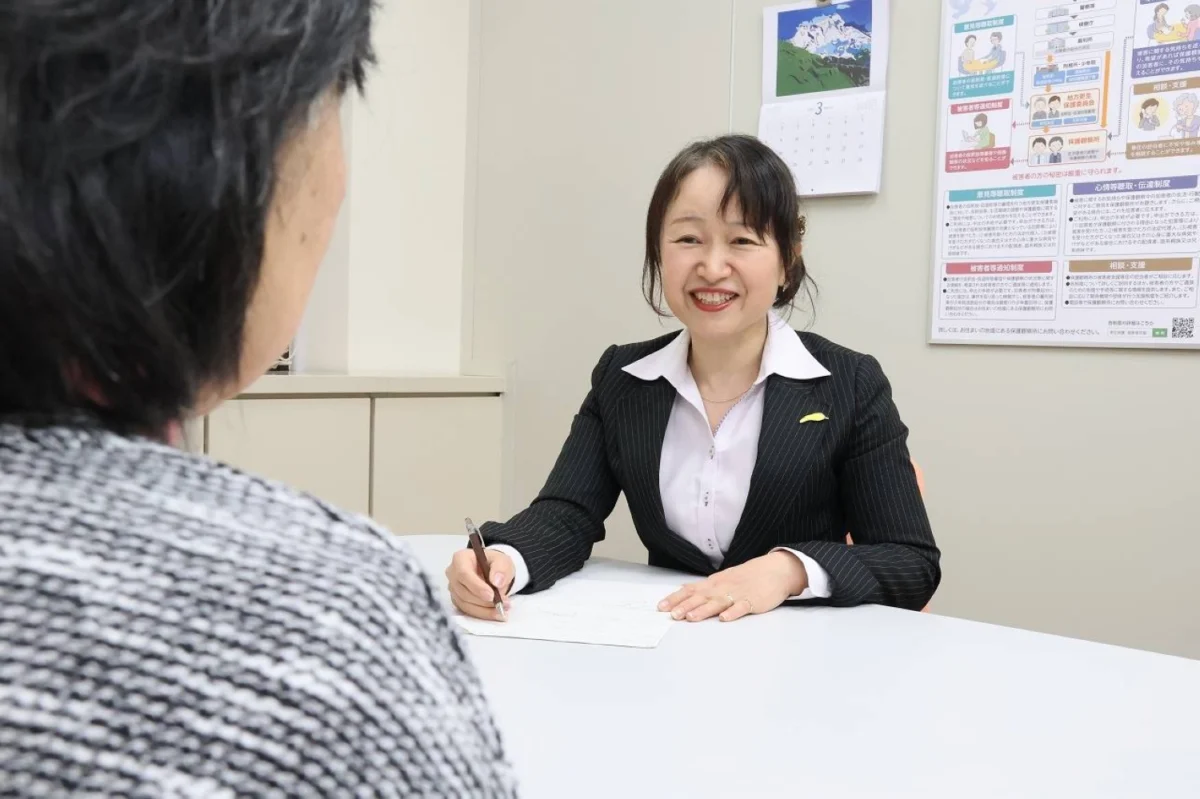
Introduction: The Invisible Pillars of Justice
In the quiet neighborhoods of Japan, a unique social experiment has been running for decades. While the global image of Japanese justice is often defined by its high conviction rates and stringent penal codes, the actual day-to-day work of reintegrating offenders is handled not just by state officials, but by an army of unpaid, civilian volunteers known as hogoshi.
As Japan grapples with a stubbornly high rate of recidivism, these volunteer probation officers have become the bedrock of the country’s rehabilitation efforts. They provide the human connection necessary to steer former inmates and juvenile delinquents away from the revolving door of the prison system. However, this volunteer-dependent model is currently facing a "perfect storm": a rapidly aging workforce, a persistent shortage of new recruits, and a chilling climate of fear following a high-profile violent incident that has forced the nation to question whether the system is still viable.
Main Facts: The Role and Reality of the Hogoshi
The hogoshi system is a pillar of Japan’s criminal justice framework. These individuals are designated as part-time national public servants, yet they receive no salary for their labor. Their mandate is to provide guidance, lifestyle support, and moral encouragement to individuals on parole or those serving suspended sentences.
To become a hogoshi, an individual must possess high social standing, financial stability, and a deep commitment to their community. Candidates are typically under 76 years of age and are appointed through a rigorous process of recommendation or public recruitment. Once appointed, they serve as the primary link between the professional probation officers—who handle the administrative and legal aspects of supervision—and the probationers themselves, who are often isolated, unemployed, or socially alienated.
For the probationer, the hogoshi represents a bridge back to society. They are not judges or police officers; they are mentors. As evidenced by the work of volunteers like "Yuiko Konno" (a pseudonym), a veteran of 15 years in Sendai, the role involves everything from checking on a teenager’s school progress to offering advice on personal relationships and ensuring the individual has the basic necessities of life, such as proper nutrition and stable housing.
Chronology: A System Under Duress
The trajectory of Japan’s probation system has shifted from one of quiet community stability to one of urgent crisis management:
- 1950s–1990s: The hogoshi system thrives in the context of Japan’s close-knit, neighborhood-centric culture. High levels of social trust and community cohesion make it relatively easy to recruit volunteers who view their service as a civic duty.
- 2011: The Great East Japan Earthquake strikes. The aftermath leaves a trail of social trauma that increases the number of vulnerable youths. Volunteers like Konno find themselves dealing with complex cases of trauma-induced delinquency, shifting the nature of the work from simple "supervision" to "trauma-informed support."
- 2020–2023: Demographic decline accelerates. The average age of hogoshi begins to climb sharply, as younger generations, burdened by economic instability and the decline of traditional community associations, find themselves unable or unwilling to commit to the role.
- 2024: A tragedy occurs in Otsu, Shiga Prefecture. A volunteer probation officer is murdered while performing their duties. This event sends shockwaves through the Ministry of Justice and the volunteer community, shattering the long-held assumption that the role is essentially safe.
Supporting Data: The Demographic and Recidivism Gap
The challenges facing the hogoshi system are rooted in cold, hard data.
- Recidivism Rates: Despite decades of rehabilitation efforts, the rate of repeat offenses remains a major policy headache. Data from the Ministry of Justice indicates that nearly 50% of prison entrants in recent years are repeat offenders. This suggests that while hogoshi are effective in many individual cases, the structural support system for ex-convicts is struggling to keep pace with the complexities of modern life.
- The Aging Crisis: Surveys conducted by the Ministry of Justice show that over 70% of current hogoshi are over the age of 65. The "graying" of the volunteer force means that fewer individuals are physically or emotionally equipped to handle high-risk or violent probationers.
- Recruitment Shortfalls: Public recruitment efforts have struggled to bridge the gap left by retiring volunteers. In many rural areas, the number of active volunteers has dropped by double-digit percentages over the last decade, leaving the remaining volunteers with heavier caseloads.
The Human Element: Inside the Counseling Room
To understand the efficacy of the hogoshi, one must look at the granular, intimate work of individuals like Konno. Her work with a young man who suffered through the 2011 earthquake provides a masterclass in the patience required for this role.
The boy, whose sense of security had been decimated by the disaster, turned to petty theft as a means of control and survival. For years, Konno sat in cafes and parks, listening to his frustrations, absorbing his anger, and offering a perspective that his family could not.
"I wondered if I was doing my job correctly," Konno reflects. It was not until the final day of his third probation term that the boy finally confessed a long-held family secret. It was a breakthrough that signaled the end of his "curse"—the cycle of theft that had defined his youth. This success story underscores the primary strength of the system: the ability of a volunteer to offer a non-punitive, long-term human connection that a state-employed professional, burdened by paperwork and caseloads, simply cannot replicate.
Official Responses and Policy Shifts
The Japanese government is not unaware of the crisis. The Ministry of Justice (MOJ) has initiated several strategic responses:
- Safety Protocols: Following the 2024 Otsu killing, the MOJ has accelerated the implementation of safety guidelines. These include risk-assessment training for volunteers and, in some cases, the pairing of volunteers with professional probation officers during high-risk home visits.
- Recruitment Drives: There is a concerted effort to broaden the recruitment base. The government is attempting to appeal to younger professionals and retirees who are physically active, emphasizing the "social contribution" aspect of the role to entice a new generation of volunteers.
- Digital Integration: The MOJ is exploring the use of digital tools to allow for safer communication between volunteers and probationers, potentially reducing the need for late-night or isolated home visits that carry higher safety risks.
However, critics argue that these measures are merely "putting a bandage on a broken limb." They suggest that the reliance on unpaid volunteers for such a critical state function is becoming ethically and practically untenable in the 21st century.
Implications: A Sustainable Future?
The dilemma facing Japan is a microcosm of a larger societal shift. Can a system built on the altruism of a tight-knit community survive in an era of urban isolation, economic pressure, and increased personal risk?
The "Community-Rooted" Ideal
The strength of the hogoshi system is its "localness." By being part of the community, the volunteer can see the probationer as a neighbor, not just a case number. This helps reduce the stigma of being an ex-convict. If the system is replaced by a purely state-run model, the cost—both financial and social—would be astronomical. The state would struggle to recreate the level of genuine, unpaid human interest that a hogoshi provides.
The Path Forward
To achieve a "safe and sustainable" system in places like Miyagi Prefecture and beyond, several structural changes are necessary:
- Professionalization of Support: Volunteers should be treated as partners to professionals, not as primary handlers of high-risk cases.
- State Compensation: While many volunteers value the "unpaid" nature of their service, introducing stipends or insurance coverage for safety-related incidents could help alleviate the financial burden and provide a layer of security.
- Community Partnerships: Schools, social welfare organizations, and local businesses must be brought into the fold to create a "safety net" that is not solely reliant on one individual volunteer.
As Konno continues her work in Sendai, her story serves as a reminder that the probation system is, at its heart, a matter of human dignity. The question for Japan is no longer whether they can continue to rely on the generosity of volunteers like her, but whether they can build a system that supports these volunteers with the same dedication that they provide to the people they help. Without fundamental reform, the "thinning shield" of the hogoshi may eventually snap, leaving the most vulnerable members of society to fall back into the darkness of recidivism.


 Neng Nana
 Asro
Asro