Rifan Muazin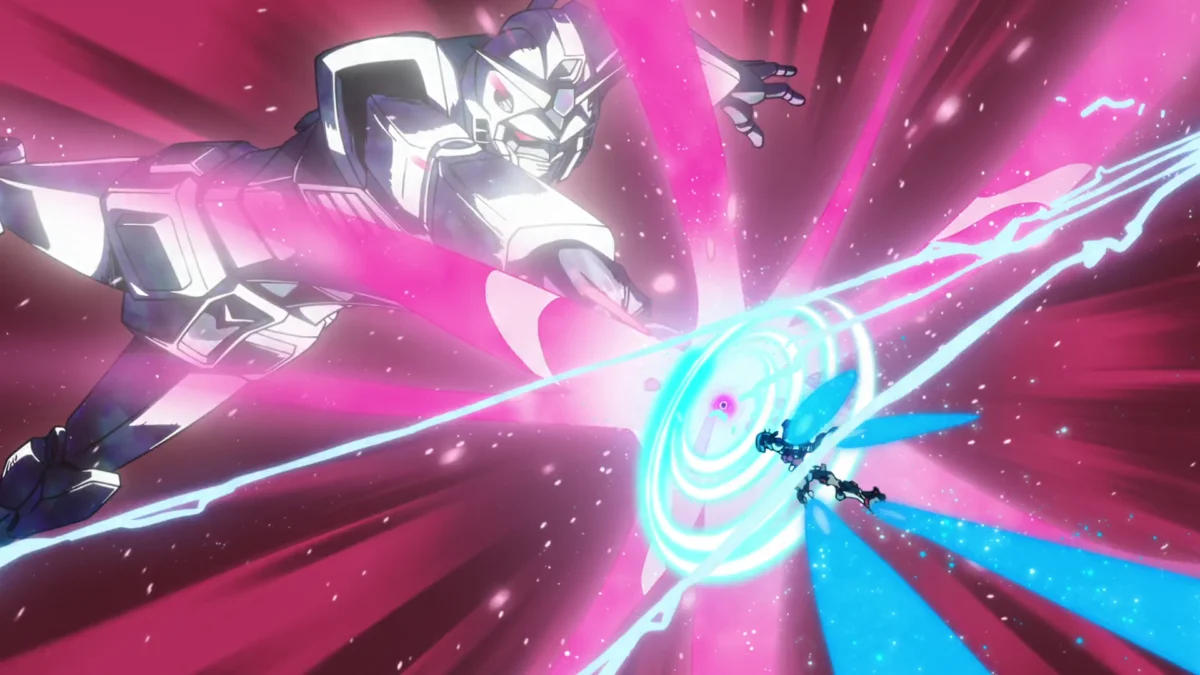
In the increasingly crowded landscape of global streaming, the "Streaming Wars" have entered a new, highly specialized theater of operations: the Japanese anime industry. Once considered a niche subculture, anime has transformed into a multi-billion-dollar global enterprise, prompting a gold rush among Western media titans. While Netflix has focused on original "Netflix Series" and Sony has solidified its grip through the acquisition of Crunchyroll, Amazon Prime Video has remained a quiet but steady participant—until now.
Following a series of high-level announcements, Amazon has signaled a major strategic pivot. The company is no longer content with being a secondary distributor; it is officially aiming to become the premier global hub for anime content.
The Bold Proclamation: Amazon’s "Preferred Destination" Strategy
The definitive statement of intent came during the Prime Video Presents: International Originals online showcase held on February 12. Gaurav Gandhi, Prime Video’s Vice President for the Oceania region, addressed viewers and industry stakeholders with a clear message regarding the platform’s trajectory.
Gandhi characterized the current state of the anime medium as one experiencing "explosive growth," noting that the appetite for Japanese animation has transcended traditional geographic and cultural boundaries. "Given that we are the home for the best anime in Japan, we want to become the preferred destination for anime content globally too," Gandhi declared.
This statement marks a departure from Amazon’s previous, more fragmented approach to the medium. For years, Amazon’s involvement in anime was defined by "Anime Strike"—a short-lived, paid add-on channel—and exclusive distribution deals for the "Noitamina" programming block. However, the new strategy suggests a more integrated, aggressive pursuit of global exclusivity and high-profile co-productions intended to rival the libraries of Crunchyroll and Netflix.
A Chronology of Expansion: From 2025 to the 2026 Horizon
To understand Amazon’s current momentum, one must look at the roadmap of releases that the company is using to anchor its platform. The strategy is built upon a foundation of established "legacy" hits and modern "isekai" successes.
The 2025 Bridge
Currently, Amazon’s library is bolstered by several notable distribution exclusives that have served as a proof-of-concept for their global rollout. These include:
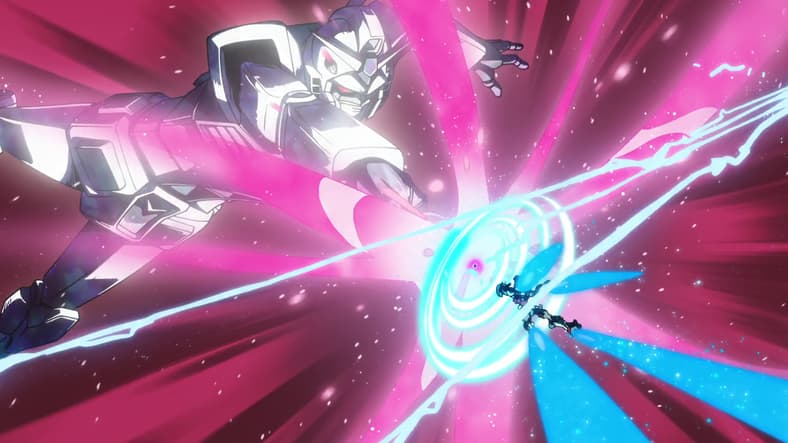
- Mobile Suit Gundam GQuuuuuuX: Produced by Studio Khara, this entry into the legendary mecha franchise has been a cornerstone of Amazon’s recent lineup.
- City the Animation: A title that has garnered attention for its unique visual style and narrative approach.
- New Panty & Stocking with Garterbelt: A highly anticipated revival of a cult classic that appeals to the "edgier" demographic of the anime community.
The 2026 Power Plays
The true test of Amazon’s global ambitions will arrive in 2026, headlined by three major productions highlighted by Gandhi:
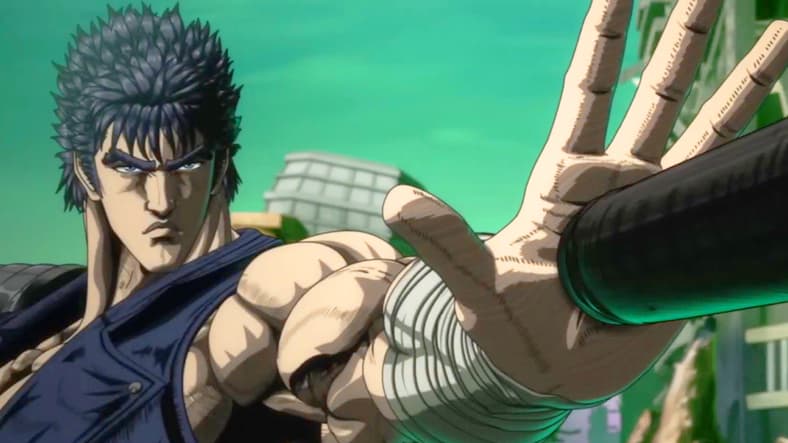
- The Fist of the North Star: Hokuto No Ken Reboot: To celebrate the 40th anniversary of the original anime, TMS Entertainment is producing a high-budget reboot of the hyper-masculine post-apocalyptic classic. Gandhi noted that "few properties can match the series’ cultural impact," signaling that Amazon is looking to capture the "legacy" fan base that grew up with 1980s action staples.
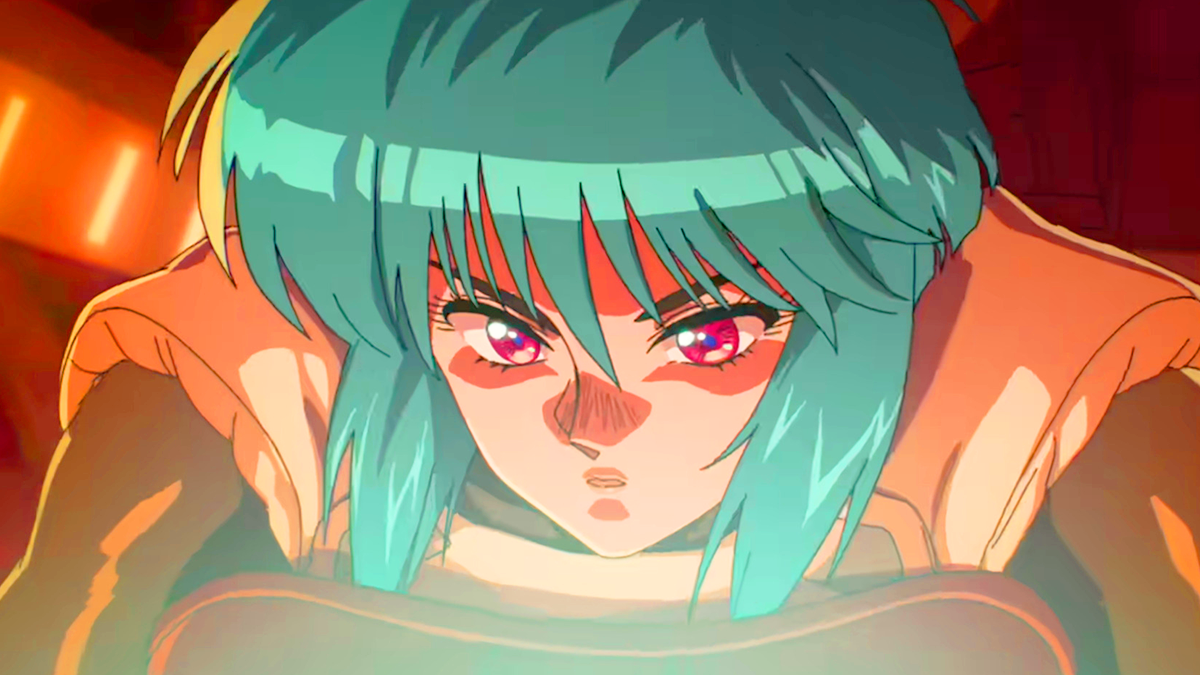
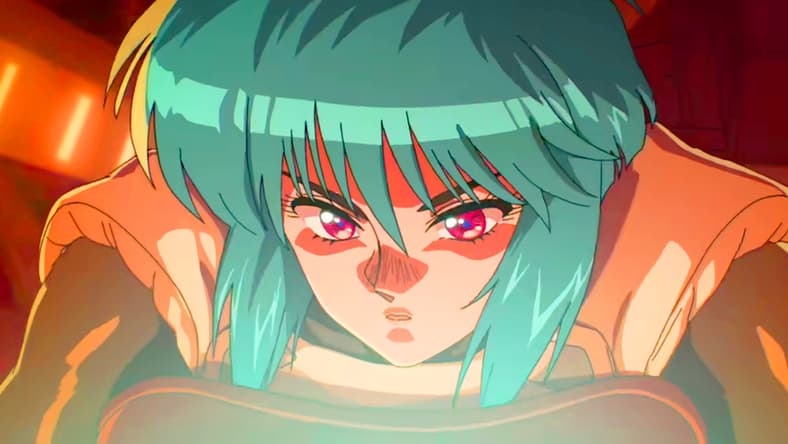
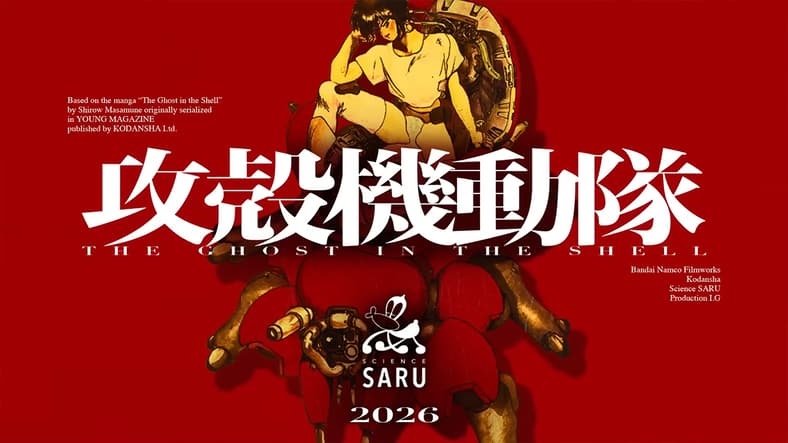
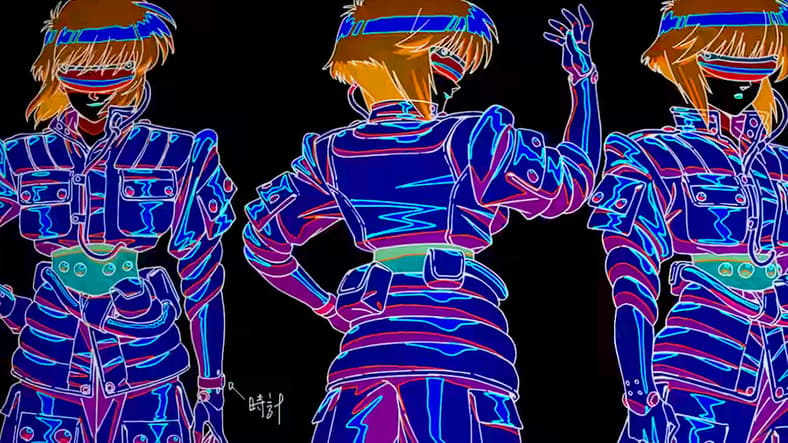
- Science Saru’s The Ghost in the Shell: Perhaps the most prestigious project in the pipeline is a new adaptation of Masamune Shirow’s seminal cyberpunk manga. Produced by the acclaimed Science Saru (Devilman Crybaby, Keep Your Hands Off Eizouken!) in collaboration with a heavy-hitting production committee—including Bandai Namco Filmworks, Kodansha, and Production I.G.—this series is slated for a July 2026 premiere. Gandhi referred to the IP as "the most influential Japanese sci-fi work of all time."
- From Old Country Bumpkin to Master Swordsman (Season 2): Representing the modern trend of fantasy and "isekai-adjacent" storytelling, the second season of this series is expected to capitalize on the massive success of its debut.
Supporting Data: The Global Appetite for Asian Content
Amazon’s confidence is not based on mere speculation but on internal performance metrics that demonstrate a massive cross-border appeal for Asian-produced content. According to Jessie Whittock of Deadline, Gandhi shared data indicating that From Old Country Bumpkin to Master Swordsman ranked among Prime Video’s top ten titles in 45 different countries during its first season.
This data underscores a broader trend: anime is no longer a "regional" product. Gandhi emphasized that the Asia-Pacific region offers an "extraordinary opportunity" to export local content to a global stage. This includes not just Japanese anime, but also Korean dramas (K-Dramas) and Indian cinema, which are now among the most-watched categories on Prime Video outside their countries of origin.
By positioning itself as the "uniquely positioned" champion of Asian content, Amazon is leveraging its existing global infrastructure—Prime shipping, AWS, and the massive Prime Video install base—to create a frictionless pipeline for Japanese studios to reach Western audiences.
Official Responses and Industry Context
The response from the Japanese production side has been one of cautious but optimistic collaboration. By forming production committees with giants like Bandai Namco and Production I.G., Amazon is ensuring that while they handle the global distribution and funding, the creative "ghost" of the productions remains firmly Japanese.
However, this expansion comes at a time of increased scrutiny regarding "globalization" in anime. Recently, Mamoru Oshii, the director of the original Ghost in the Shell film, voiced concerns over the rise of "political correctness" in the industry, suggesting that Western influence might sanitize the traditionally transgressive nature of the medium. Amazon’s challenge will be to balance its "global hub" ambitions with the creative freedom that fans expect from Japanese creators.
Gandhi’s specific choice of words—"anime content" rather than just "anime"—has also sparked industry discussion. Analysts suggest this implies a holistic approach to intellectual property. This could involve:
- Live-Action Adaptations: Following the success of Netflix’s One Piece, Amazon may be looking to leverage its MGM acquisition to produce high-budget live-action versions of its licensed anime.
- Tokusatsu Revivals: Amazon has a history with Toei, having produced Kamen Rider Amazons and Kamen Rider Black Sun. While these efforts have been dormant recently, the "content" umbrella could easily see a return to mature-rated superhero reimaginings.
Implications: The Future of the Streaming Landscape
Amazon’s aggressive move toward anime dominance has several long-term implications for the industry:
1. The Erosion of the "Crunchyroll Monopoly"
For years, Sony’s Crunchyroll has been the undisputed king of anime streaming. Amazon’s entry as a serious competitor for "A-list" licenses means that licensing fees will likely skyrocket. While this is a win for Japanese production committees, it may lead to a more fragmented experience for fans, who will need multiple subscriptions to keep up with the "Big Three" (Crunchyroll, Netflix, and Prime Video).
2. The Shift in Production Committees
Historically, anime was funded for the Japanese domestic market, with international rights being an afterthought. With Amazon and Netflix now sitting at the head of the table, we are seeing the rise of "global-first" anime—series designed from the ground up with international audiences in mind. The 2026 Ghost in the Shell and Fist of the North Star are prime examples of this shift.
3. Technological Integration
As a tech giant, Amazon has the potential to integrate anime into its broader ecosystem in ways Sony and Netflix cannot. This could include exclusive "X-Ray" features for anime (providing trivia and voice actor info in real-time), seamless integration with Kindle for manga tie-ins, and priority access to merchandise through the Amazon storefront.
Conclusion: The Road to 2026
The year 2026 is shaping up to be a watershed moment for Amazon Prime Video. By securing the rights to a cultural titan like Ghost in the Shell and a legacy powerhouse like Fist of the North Star, the platform is moving beyond its "experimental" phase in the anime market.
As Gaurav Gandhi noted, the opportunity is "immense." For Amazon, the goal is clear: to move from being an "also-ran" in the anime space to the central pillar of the global fan experience. Whether they can successfully navigate the cultural nuances of the medium while competing with the established dominance of Sony remains to be seen, but the 2026 lineup suggests they are willing to spend whatever it takes to win.

 Azzam Bilal Chamdy
 Raul Delapena Setiawan