Lina Hope
For decades, the television landscape has been dominated by the rigid, reliable structure of the police procedural. The formula is a cornerstone of network broadcasting: a crime occurs, a dedicated team investigates, the perpetrator is apprehended, and the credits roll—only for the cycle to reset the following week. While this structure has produced some of the most successful shows in history, it often comes at a cost. In many procedurals, characters are relegated to mere vessels for exposition, serving the case rather than driving the narrative. They are static icons in a world where the only thing that changes is the culprit’s identity.
However, NCIS: Los Angeles managed to break this cycle, cementing its legacy not just as a high-octane spinoff, but as a masterclass in character-driven storytelling. Over its 14-season run, the series proved that a procedural could prioritize its "found family" over its weekly missions, creating a blueprint that remains a gold standard for the genre.
The Evolution of the Formula: Prioritizing People Over Plots
When NCIS: Los Angeles premiered, it faced the daunting task of carving out its own identity while operating under the massive shadow of the flagship NCIS series. While the original show thrived on the stoic, mentor-driven leadership of Leroy Jethro Gibbs (Mark Harmon), the Los Angeles-based iteration opted for a different emotional texture.
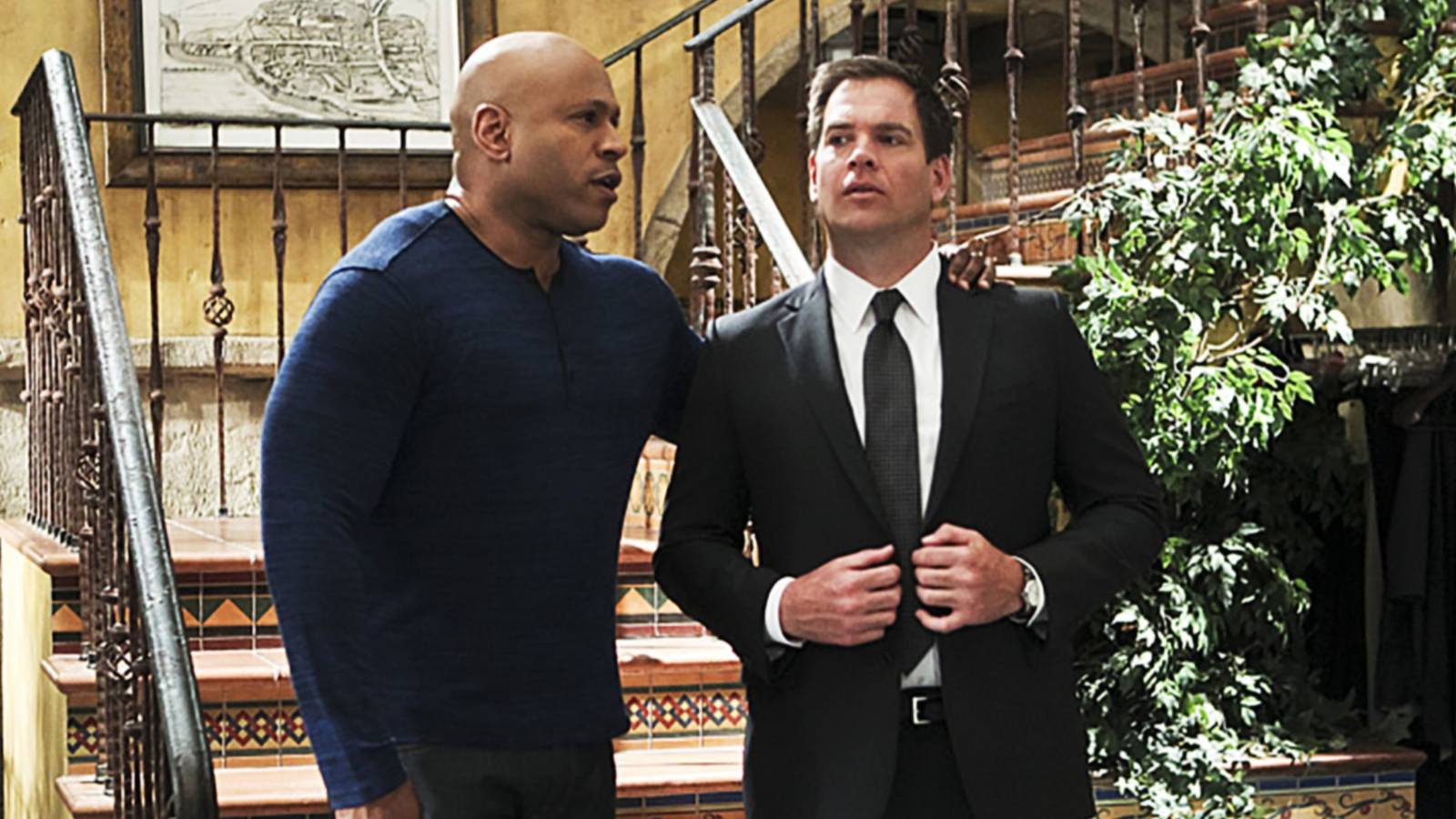
The Office of Special Projects (OSP) functioned less like a rigid military unit and more like an unconventional, highly skilled family. From the outset, the show’s creative team understood that while viewers might be enticed by the promise of high-stakes undercover operations and international espionage, they would only stay for the long haul if they felt a genuine connection to the people navigating those dangers. The investigations became a backdrop—a necessary vehicle for the team to interact, bicker, and grow—rather than the primary reason for tuning in.
A Chronology of Connection: From Colleagues to Kin
The development of the OSP dynamic can be mapped across the show’s fourteen-year history, illustrating a deliberate shift from professional distance to intimate familiarity.
The Foundation (Seasons 1–3)
Early on, the series established the core chemistry between G. Callen (Chris O’Donnell) and Sam Hanna (LL Cool J). Unlike the traditional "good cop/bad cop" or "mentor/mentee" tropes, Callen and Sam were presented as peers. Their banter, devoid of petty professional jealousy, laid the groundwork for the show’s emotional legitimacy. During this era, the audience was introduced to the enigmatic Hetty Lange (Linda Hunt), whose role as the operations manager was intentionally blurred with that of a surrogate parent.

Deepening the Roots (Seasons 4–8)
As the series matured, it began to weave long-term character arcs into the episodic format. The inclusion of Kensi Blye (Daniela Ruah) and Marty Deeks (Eric Christian Olsen) introduced a slow-burn romantic tension that challenged the "will-they-won’t-they" stagnation common in long-running dramas. By allowing these characters to evolve from partners to friends to lovers, the writers respected the audience’s investment. Furthermore, the integration of characters like Eric Beale (Barrett Foa) and Nell Jones (Renée Felice Smith) provided a lighter, tech-savvy counterpoint to the grit of the field agents.
The Era of Consequence (Seasons 9–14)
In its final years, NCIS: Los Angeles doubled down on serialized storytelling. The departure of key characters and the arrival of new blood, such as Fatima Namazi (Medalion Rahimi) and Devin Rountree (Caleb Castielle), were handled with a focus on continuity. The show moved away from the "reset button" mentality, showing that every mission—and every personal loss—left a permanent mark on the team. By the time the series concluded, it had successfully transitioned from a procedural about fighting crime to a drama about the weight of a life spent in the shadows.
Supporting Data: Why the "Densi" Effect Changed the Game
Television history is littered with romantic pairings that lost their spark once the chase was over. The dynamic between Kensi and Deeks—affectionately dubbed "Densi" by the show’s devoted fanbase—stands as a rare exception. By allowing the pair to navigate marriage, the challenges of working as partners, and the complexities of becoming foster parents, the writers turned the "happily ever after" into a living, breathing component of the show’s weekly tension.
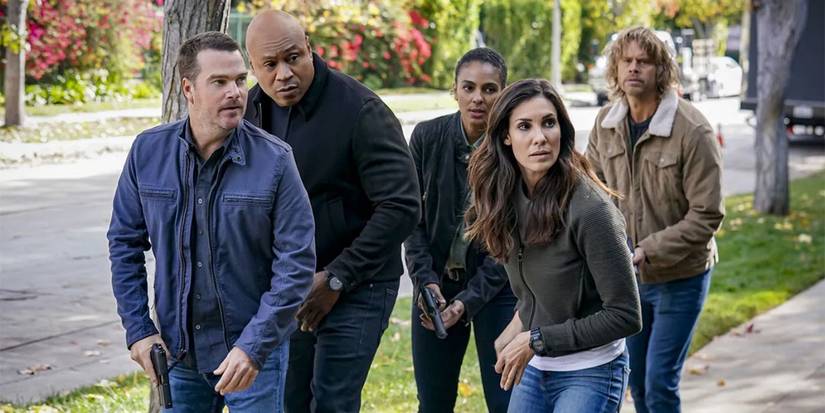
Statistical trends in long-running procedurals often show a decline in engagement when romance takes center stage. NCIS: Los Angeles defied this by making their relationship an asset to the mission. Their mutual vulnerability made them better agents, not worse ones. This approach provided a masterclass in balancing character growth with procedural obligations, proving that emotional stakes—such as a partner’s survival or a family’s stability—are significantly more compelling to an audience than the resolution of an anonymous weekly crime.
Official Responses and Industry Impact
Throughout its tenure, NCIS: Los Angeles was frequently cited by industry analysts for its ability to maintain consistent ratings while navigating the evolving demands of network television. CBS executives often highlighted the show’s "relatability" as a primary factor in its longevity.
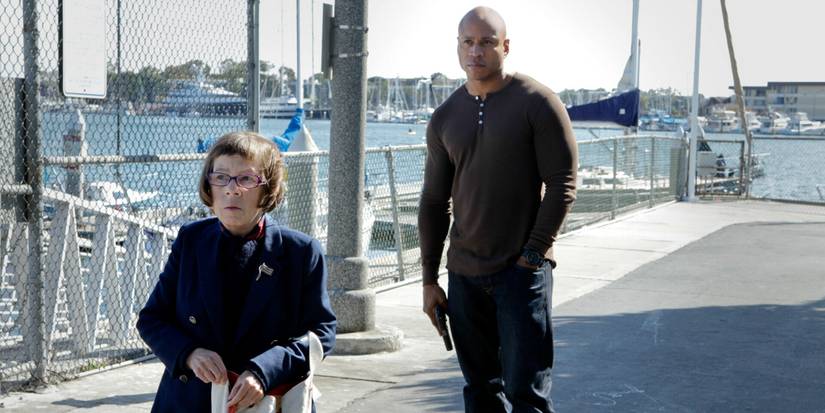
"We weren’t just making a show about the Navy," noted producers in various retrospective interviews. "We were making a show about the people who give up pieces of their private lives to keep the public safe." This focus on the psychological toll of the job resonated with critics, who often pointed to Linda Hunt’s performance as the definitive anchor of the series. Hunt’s portrayal of Hetty Lange provided a sophisticated, mysterious, and deeply human heart to a show that could have easily become just another "guns and badges" affair.
The Implications: A Legacy for Future Procedurals
The implications of NCIS: Los Angeles are profound for the future of the genre. It challenged the assumption that procedural audiences are only interested in the "case of the week." Instead, it proved that the most successful shows are those that treat their characters with the same narrative importance as their plots.
The success of the OSP team suggests that the future of broadcast television lies in the "procedural-plus" model—a format that honors the structure of the genre while layering in deep, multi-season character development. By showing that actions have consequences and that personal growth is not mutually exclusive with professional duty, NCIS: Los Angeles set a standard that current and future shows are now struggling to replicate.
As the industry looks back on the 14-season run of the team in the City of Angels, the takeaway is clear: the most dangerous thing an agent can do is go it alone, and the most important thing a show can do is make its audience feel like they are part of the family. While the cases may have been the hook, the bond between Callen, Sam, Kensi, Deeks, and the rest of the team remains the show’s enduring legacy—a testament to the power of character-first storytelling in a world of rigid formulas.

 Jia Lissa
 Sagoh
Sagoh