Nana Wu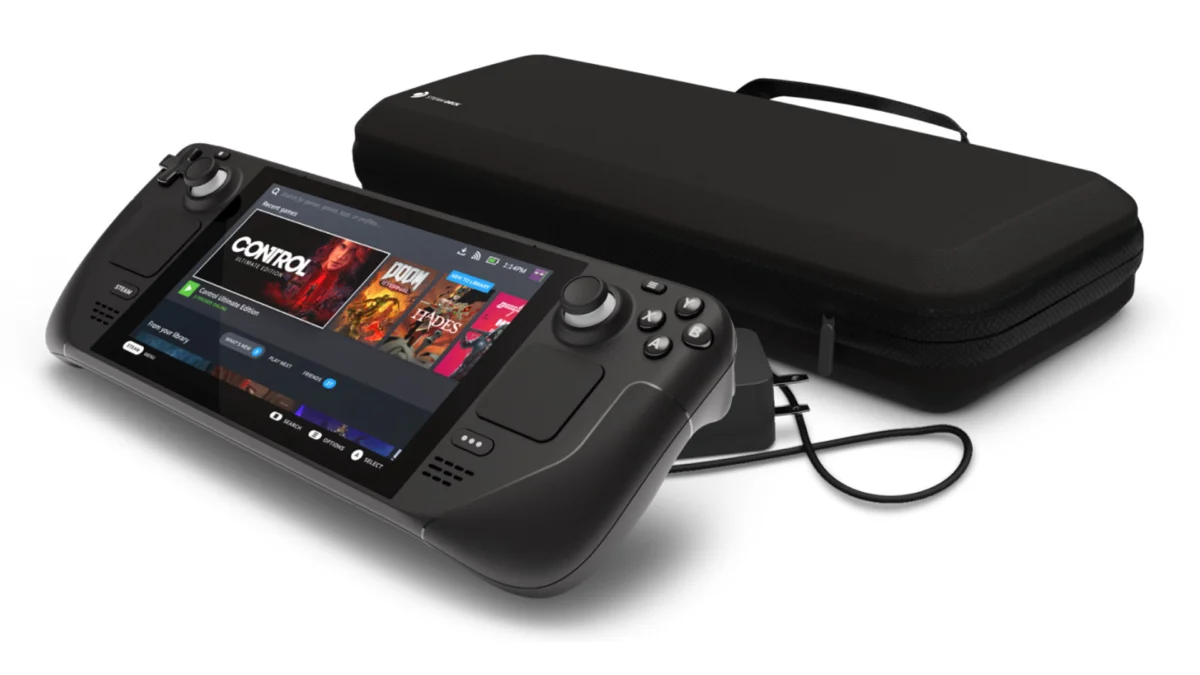
In an era where customer service is increasingly outsourced to automated chatbots and rigid, policy-driven interfaces, a singular act of benevolence from Valve has captured the attention of the gaming community. A father, navigating the chaotic and often messy reality of parenthood, recently shared an experience with Valve’s support team that has turned him into a “customer for life.” The incident serves as a poignant reminder that in the high-stakes world of consumer electronics, human-centric support can be just as valuable as the hardware itself.
The Incident: An Unlikely Casualty of Parenthood
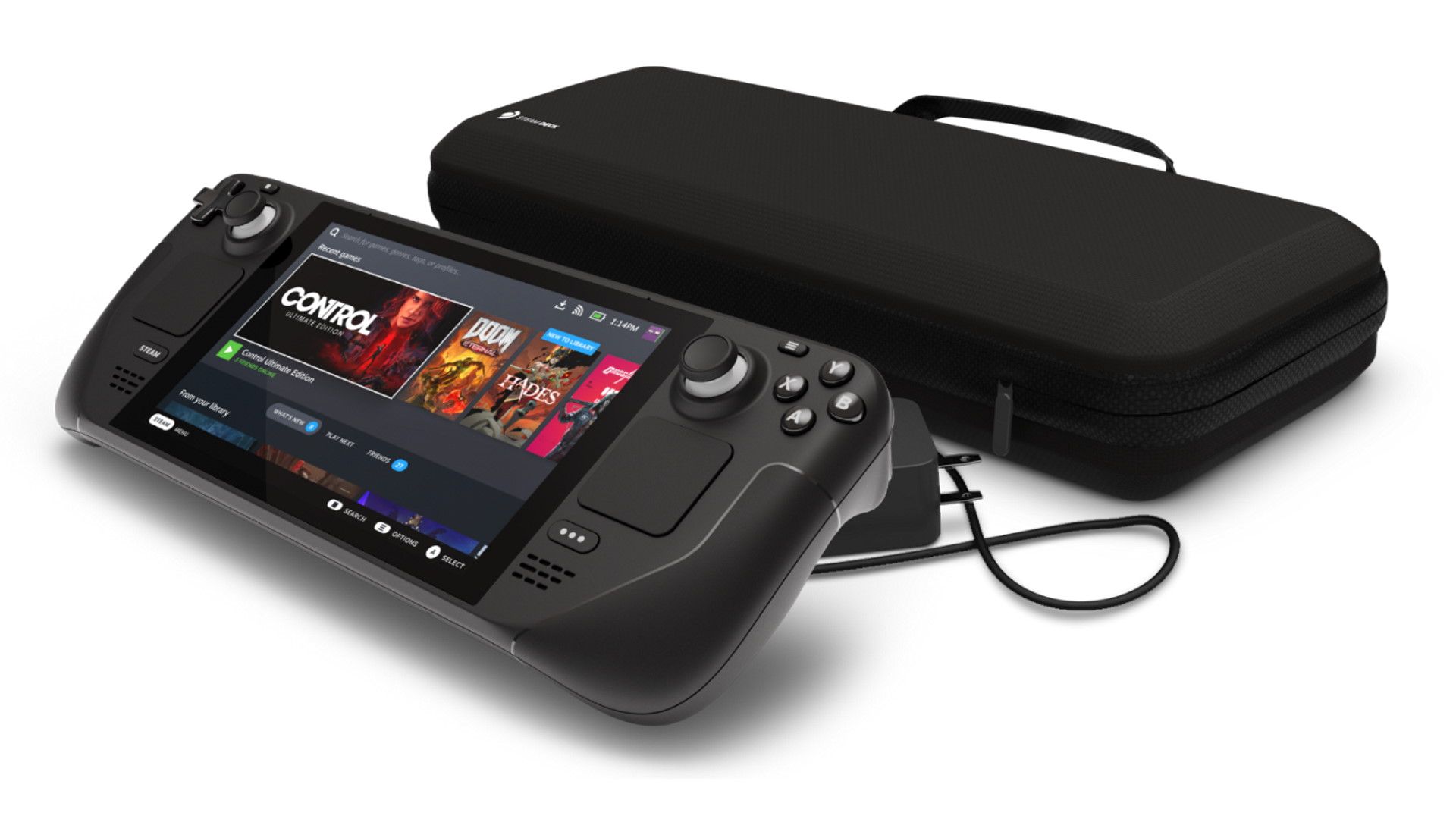
The story began on the r/SteamDeck subreddit, where user AHappyGummyWormx posted a brief but impactful narrative regarding his Steam Deck carrying case. As any parent of a newborn can attest, accidents are a fundamental part of the daily routine. In a stroke of unfortunate timing, the user’s infant child vomited directly onto the official carrying case included with his Steam Deck OLED.
While the handheld console itself remained safe, the proprietary carrying case—praised by many users for its build quality and perfect fit—was rendered unsalvageable. Preferring the official first-party design over the myriad of third-party alternatives available on platforms like Amazon or Etsy, the user reached out to Valve’s support channel with a modest request: he wanted to know if he could purchase a replacement case directly from the company.
He was not looking for a handout; he was looking for a solution to a problem caused by his own domestic life. What he received, however, was an unsolicited gesture of goodwill that bypassed the standard transactional nature of retail support.
Chronology of a Viral Customer Service Interaction
The interaction, which has since circulated widely across gaming forums and social media, followed a surprisingly efficient timeline:
- The Request: The user contacted Valve Support, explaining the situation honestly and asking for the opportunity to buy a replacement 512GB OLED Steam Deck case.
- The Assessment: Rather than directing the user to a secondary marketplace or explaining that the cases are not sold as standalone retail items, the support representative processed the request with a focus on resolution rather than revenue.
- The Resolution: Within hours, the user received an email confirming that an order had been placed for a replacement case at no cost to him. The email noted that a 512GB OLED model case was being shipped, with a 3-4 day processing estimate.
- The Public Reaction: AHappyGummyWormx shared a screenshot of the support interaction on Reddit, accompanied by the caption: "Valve has a customer for life." The post quickly gained traction, garnering thousands of upvotes and sparking a wide-ranging discussion about the value of corporate empathy.
Why This Matters: The Psychology of "Service-First"
To understand why this relatively small gesture—a piece of molded plastic and fabric—has resonated so deeply, one must look at the current landscape of consumer support. Many modern tech giants have moved toward "deflection" models, where companies attempt to reduce support costs by making it as difficult as possible for a customer to speak to a human being.
Valve’s approach in this instance stands in stark contrast. By choosing to absorb the cost of the case and the shipping, Valve transformed a "negative" experience (the destruction of personal property) into a "positive" brand reinforcement. From a psychological standpoint, this is the hallmark of effective relationship marketing. The user wasn’t just helped; he was heard.
Furthermore, the act highlights the "Repairability" ethos that Valve has cultivated since the launch of the Steam Deck. By partnering with iFixit and providing spare parts, schematics, and now, in this anecdotal case, support for accessories, Valve is positioning itself as a company that respects the longevity of its hardware.
Supporting Data: Valve’s Reputation in the Industry
Valve’s customer support has not always been the subject of praise. In the early days of Steam, the company was frequently criticized for slow response times and impersonal, template-heavy replies. However, over the past decade, there has been a noticeable shift in strategy.
According to various consumer satisfaction surveys and community feedback threads, Valve has significantly improved its response times and, more importantly, the quality of its resolutions. While they are a massive corporation, their support staff often display a level of autonomy that is rare in the industry. Whether this is a result of internal training or a cultural directive from the top, it has paid dividends in terms of brand loyalty.
When comparing this to competitors, the contrast is sharp. Many console manufacturers operate under strict warranty guidelines that explicitly exclude "accidental damage" or "user error." While Valve’s move here was an exception, it reinforces a perception of the company as being "pro-consumer," a reputation that is vital in an industry where digital storefronts and hardware ecosystems are increasingly scrutinized.
The Context: Price Hikes and Hardware Expansion
It is essential to view this story through the lens of recent commercial developments at Valve. The company has been under the spotlight recently due to the fluctuating pricing and availability of its hardware. Specifically, the recent price hikes—which saw the top-tier 1TB Steam Deck OLED model approach the $1,000 threshold—have led to some pushback from prospective buyers.
When a company raises prices, they inevitably invite more intense scrutiny. If a customer pays $1,000 for a device, their expectations for support and build quality rise accordingly. By offering a free replacement case to a user in need, Valve is effectively hedging against the negative sentiment associated with their premium pricing. It is a reminder that while the hardware is expensive, the support ecosystem remains robust.
Implications for the Future of Support
What does this incident mean for the broader tech industry?
- Humanization of Tech: As AI-driven support becomes the standard, the value of a human-made decision increases. Companies that empower their agents to make common-sense decisions will likely see higher customer retention rates.
- The "Community-Centric" Strategy: Valve’s success with the Steam Deck is largely tied to its relationship with its community. By fostering a sense of partnership with its users, they have built a moat around their platform. When users feel like they are part of a community rather than just a customer base, they are less likely to migrate to competitors.
- The Cost of PR: A Steam Deck case likely costs a fraction of the price of the console to manufacture. By gifting one, Valve earned thousands of dollars in "free" marketing through social media sentiment. This is a far more effective use of capital than traditional advertising.
Conclusion: A Bar Set High
The story of AHappyGummyWormx is more than just a heartwarming anecdote; it is a case study in how to maintain brand loyalty in a competitive market. By choosing to prioritize a customer’s personal situation over a rigid adherence to a return policy, Valve has reinforced its position as a company that understands the value of the "customer for life."
As the industry moves toward more complex hardware and higher price points, the role of customer service will only become more critical. Valve has set a standard—not necessarily that every item should be replaced for free, but that the human element of support should never be sacrificed at the altar of efficiency. For the father who received that new case, the value wasn’t in the plastic; it was in the realization that behind the Steam interface, there is a company that cares.
Whether this is a shift in corporate policy or simply a lucky break for one user, the message sent to the rest of the industry is clear: if you take care of your customers, they will take care of your brand.


 Layla Zulfa