Jia Lissa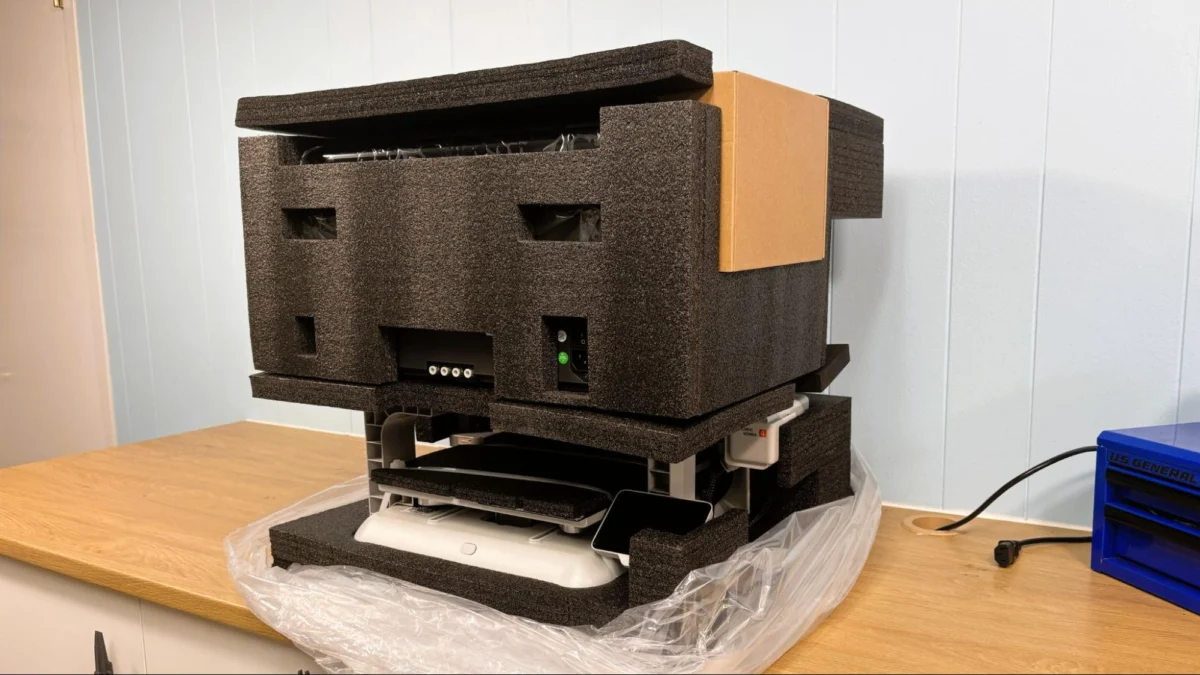
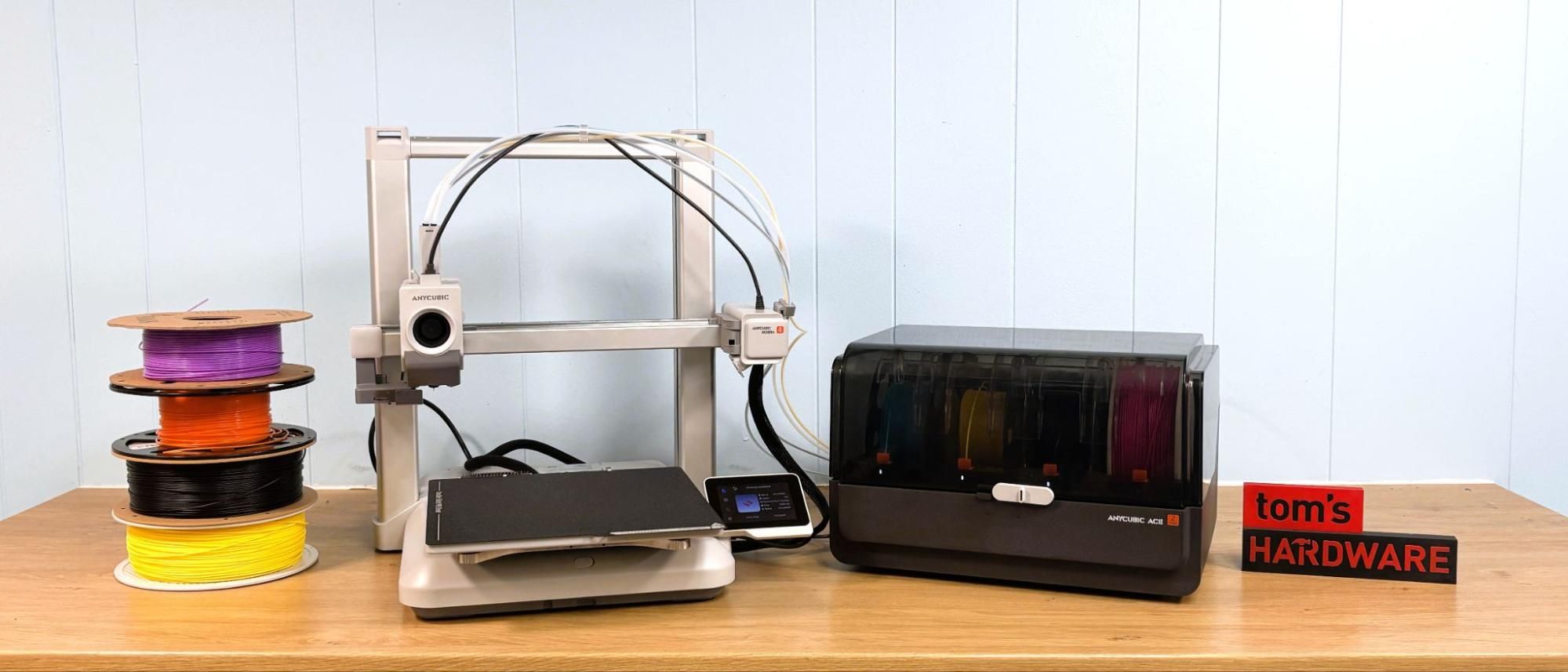
In the rapidly evolving landscape of desktop 3D printing, Anycubic has consistently positioned itself as a primary challenger to industry giants. With the release of the Kobra 4 Combo, the company aims to refine its formula, offering a "bed slinger" printer that blends familiar hardware aesthetics with a significantly overhauled multi-material handling system. While the Kobra 4 represents a refinement of the Kobra 3 and a sibling to the massive Kobra 3 Max, it arrives in a crowded market where value, ease of use, and multi-color capability are the new standards.
The Verdict: A Competent Contender
The Anycubic Kobra 4 Combo is, at its core, a solid, reliable machine. It borrows heavily from the design language of popular competitors—most notably the Bambu Lab A1—utilizing a brushed aluminum frame and a sleek, pale plastic base. While it doesn’t radically reinvent the 3D printing experience, it offers a tangible improvement over its predecessor. The real star of the show is the ACE Pro 2, the updated multi-material handler. For budget-conscious beginners, the Kobra 4 offers a compelling entry point, but it faces stiff competition from established players, making its position in the "best of" lists a point of ongoing debate.
Main Facts and Market Positioning
The Kobra 4 Combo is currently priced at $379, while the single-color iteration sits at $279. Interestingly, this pricing structure mirrors the earlier Kobra X, a printer that garnered praise for its innovative tool-head-integrated filament switcher.
The Kobra 4 is marketed toward newcomers who want a "plug-and-play" experience without the steep learning curve often associated with early hobbyist machines. By integrating the ACE Pro 2, Anycubic is betting that the demand for multi-material printing—which allows for complex, multi-colored prints—will continue to drive sales in the entry-level segment.
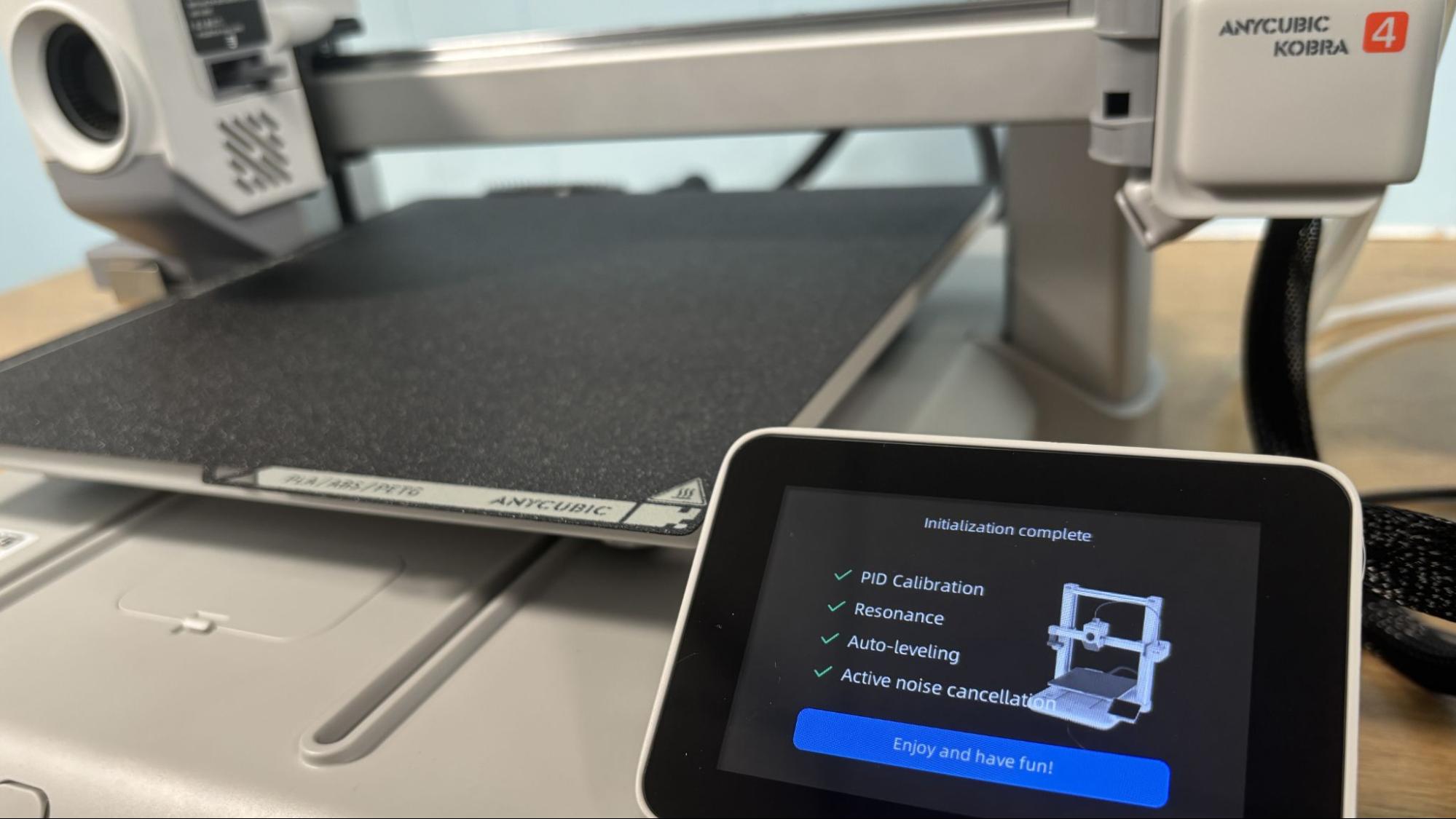
Key Specifications
- Build Volume: 260 x 260 x 260 mm
- Extrusion: Direct drive, capable of up to 300°C
- Compatibility: PLA, PETG, TPU
- Bed Leveling: Fully automatic with auto Z-offset
- Connectivity: Wi-Fi, LAN, USB, and proprietary App support
- Footprint: 455.4 x 445.3 x 461.3 mm (excluding spool holder)
- Weight: 9.9 kg (approx. 21.8 lbs)
Chronology: Evolution of the Kobra Series
To understand the Kobra 4, one must look at its lineage. 2024’s Kobra 3 Combo set the stage for Anycubic’s foray into multi-material printing. However, it was the Kobra X, released in early 2026, that represented a true technical leap. The Kobra X introduced a sophisticated filament switching mechanism directly into the tool head, drastically reducing filament waste and print time.
The Kobra 4 takes a different approach. It reverts to an external multi-material handler (the ACE Pro 2) but refines the mechanical path. While some users might find the Kobra 4 slightly more "unwieldy" compared to the sleek, compact footprint of the Kobra X, the Kobra 4 delivers superior reliability in the filament path and a more robust auto-leveling suite.
Supporting Data: Testing the Hardware
Our testing phase involved a series of grueling prints using various materials, including PLA, PETG, and TPU.
Assembly and Initial Setup
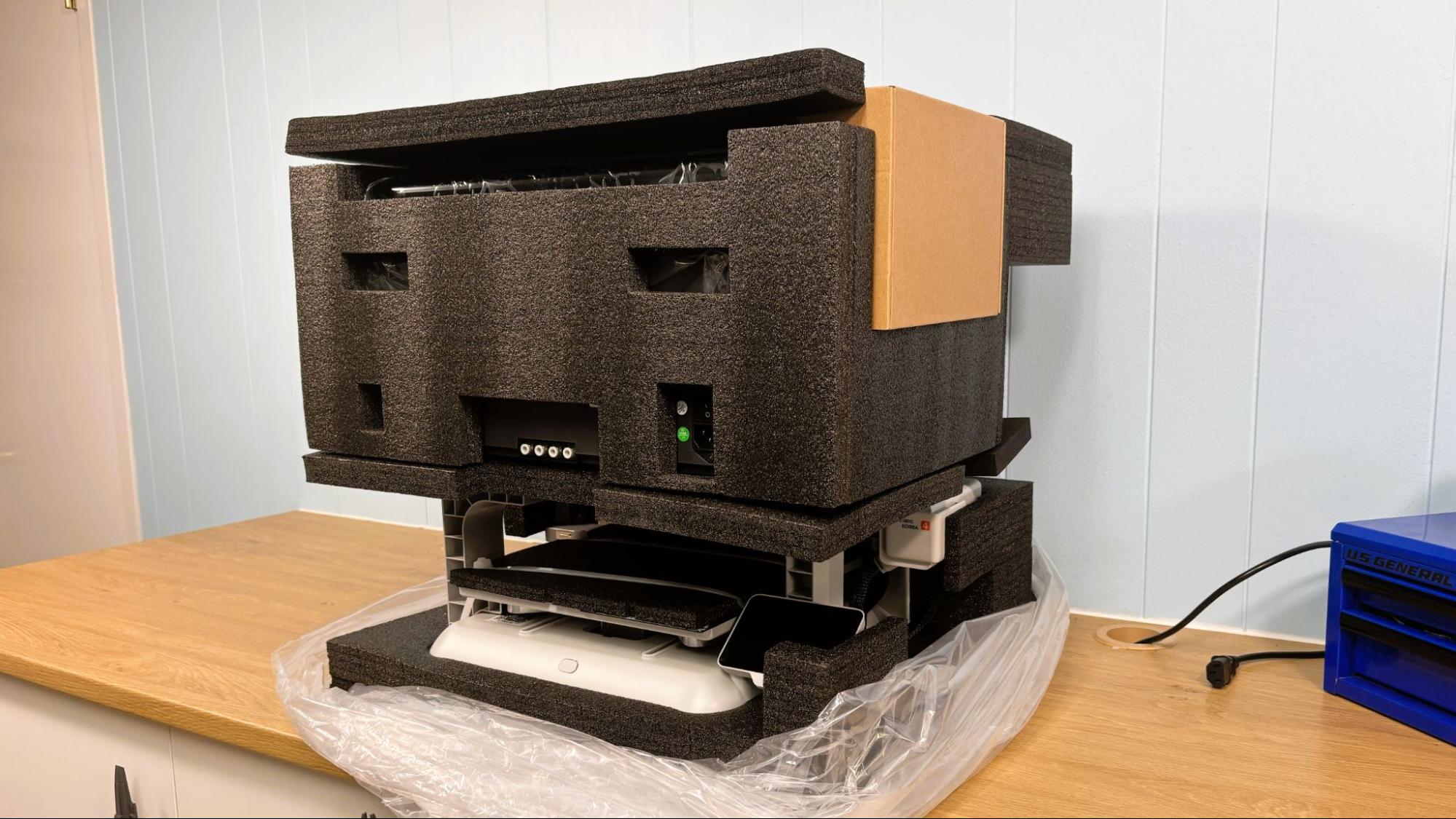
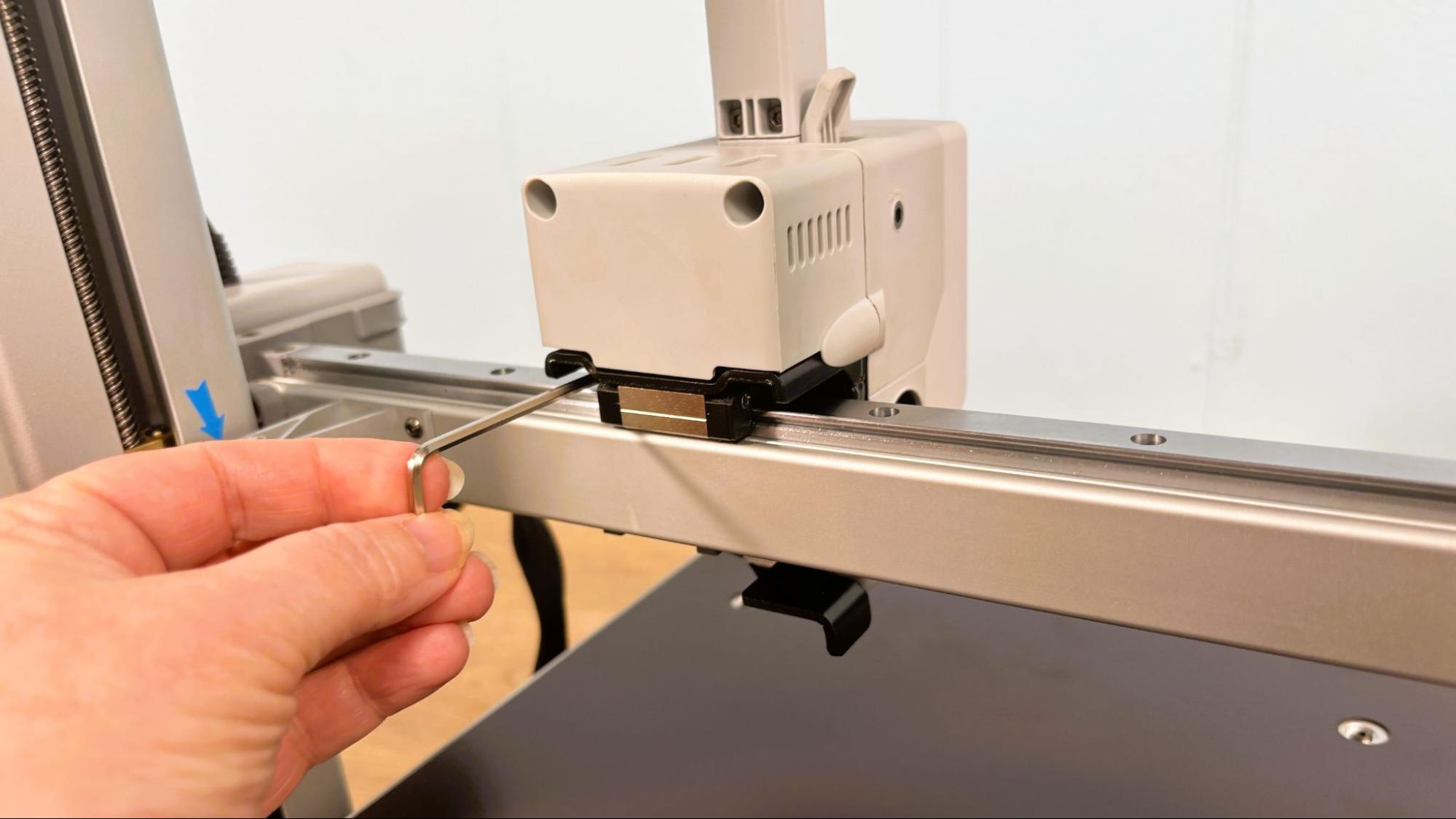
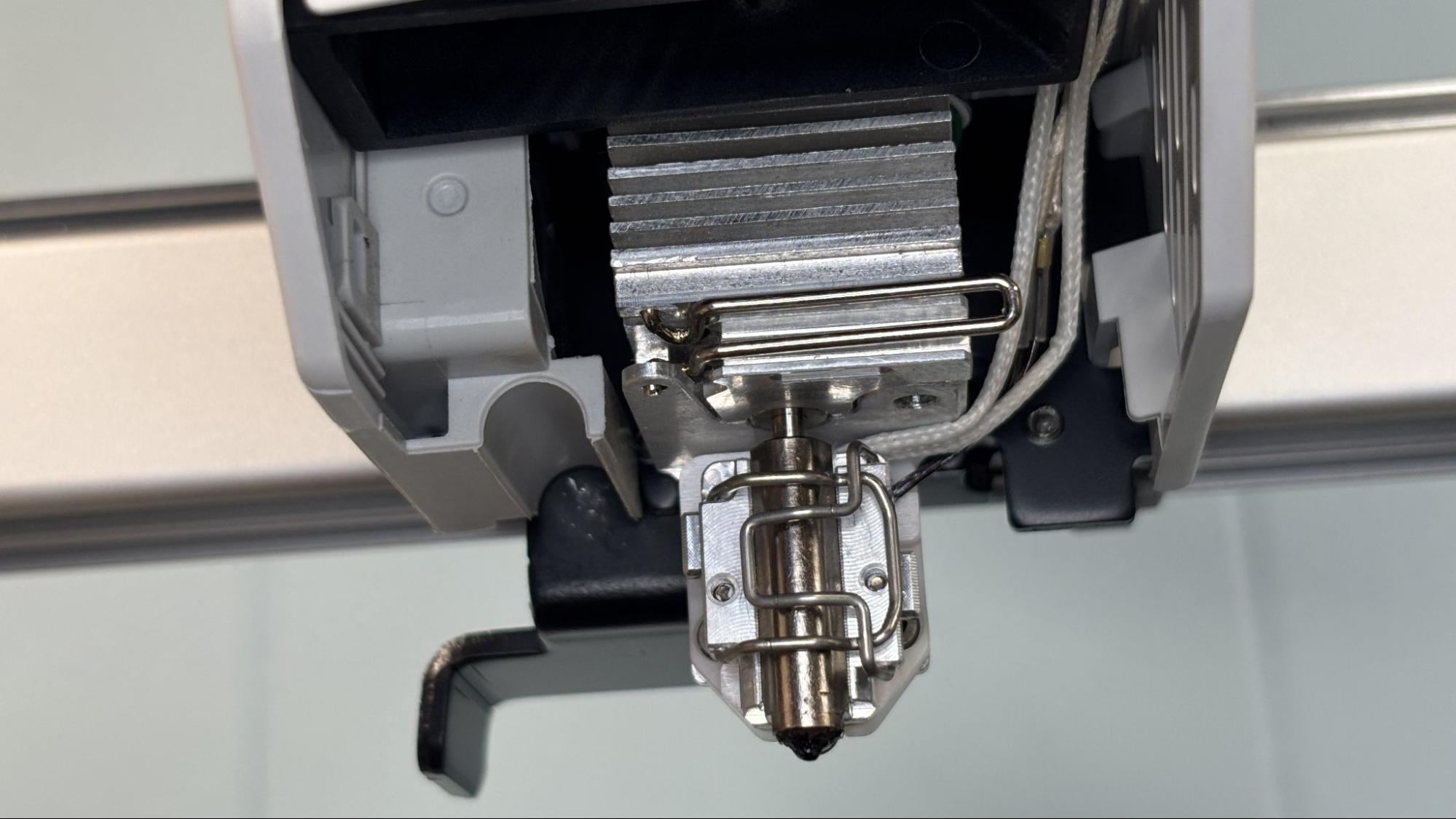
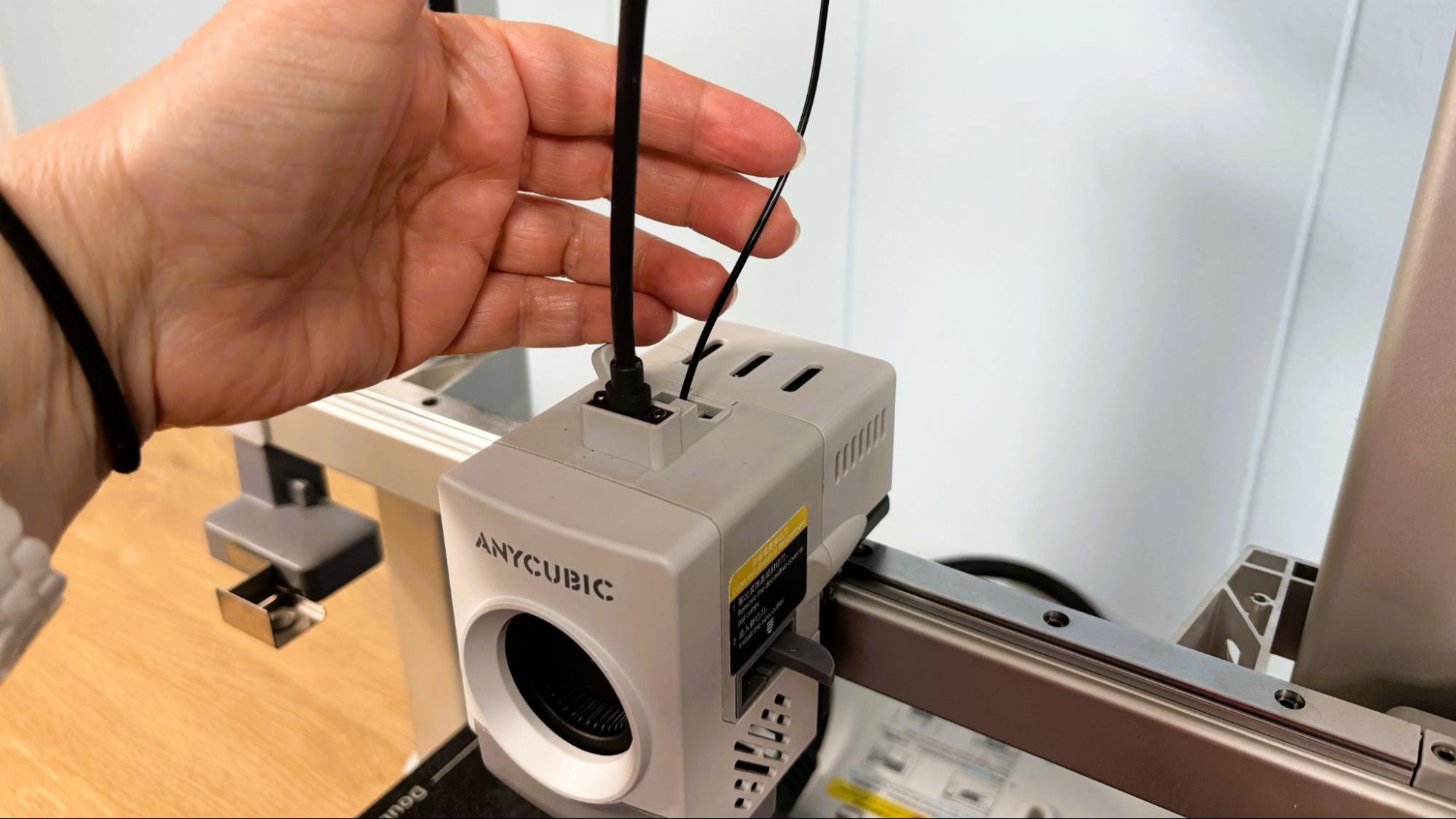
The Kobra 4 arrives in a near-complete state. Assembly is limited to removing shipping bolts, attaching the tool head, and installing the purge wiper. A minor, yet significant, hurdle involves the bed-leveling brackets; they require a long-reach hex key to remove, which is included in the box. The inclusion of magnetic tips on these tools is a thoughtful touch, as the deep-set screws would be a nightmare to recover if dropped.
The ACE Pro 2: Performance and Pitfalls
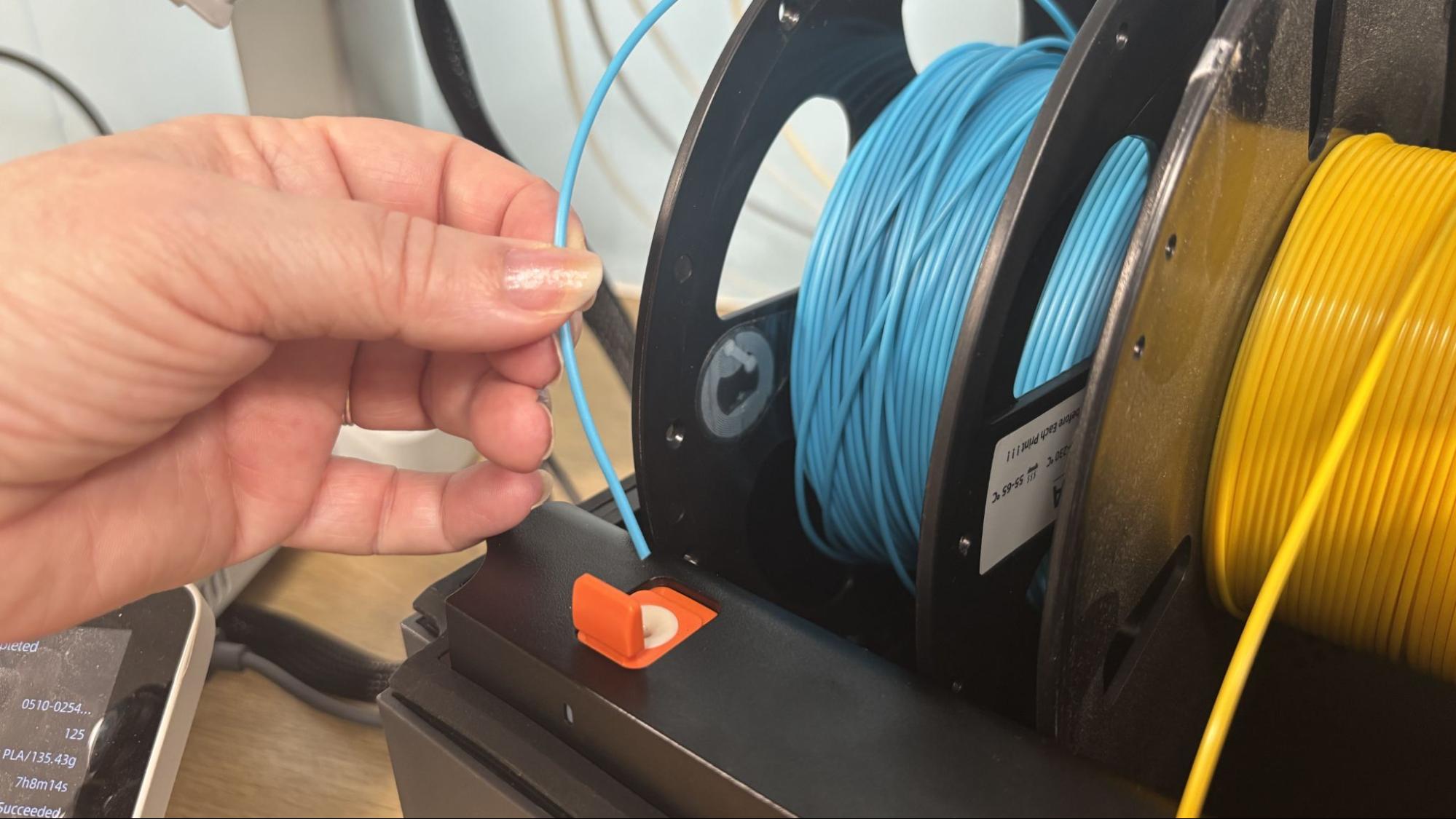
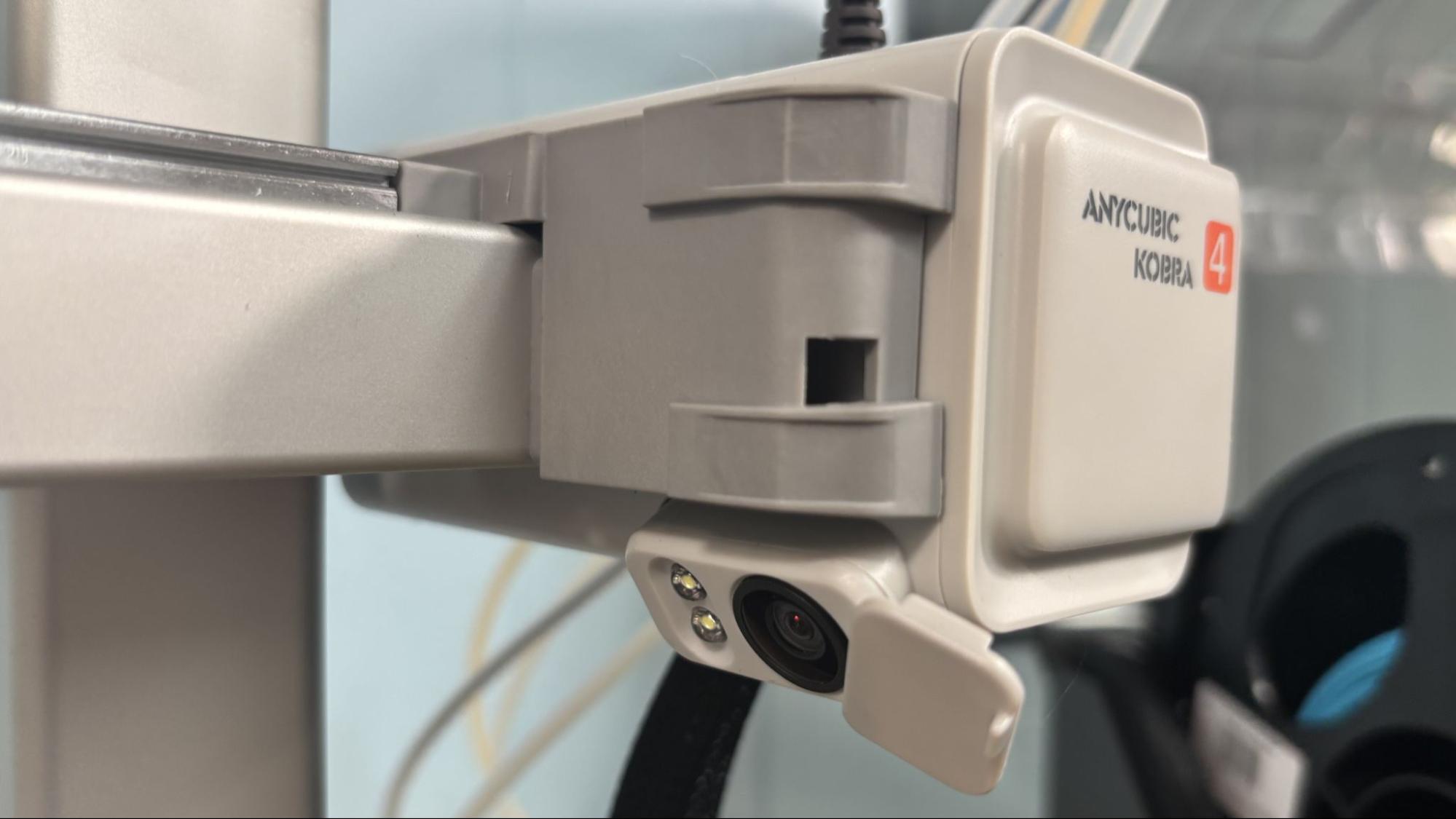
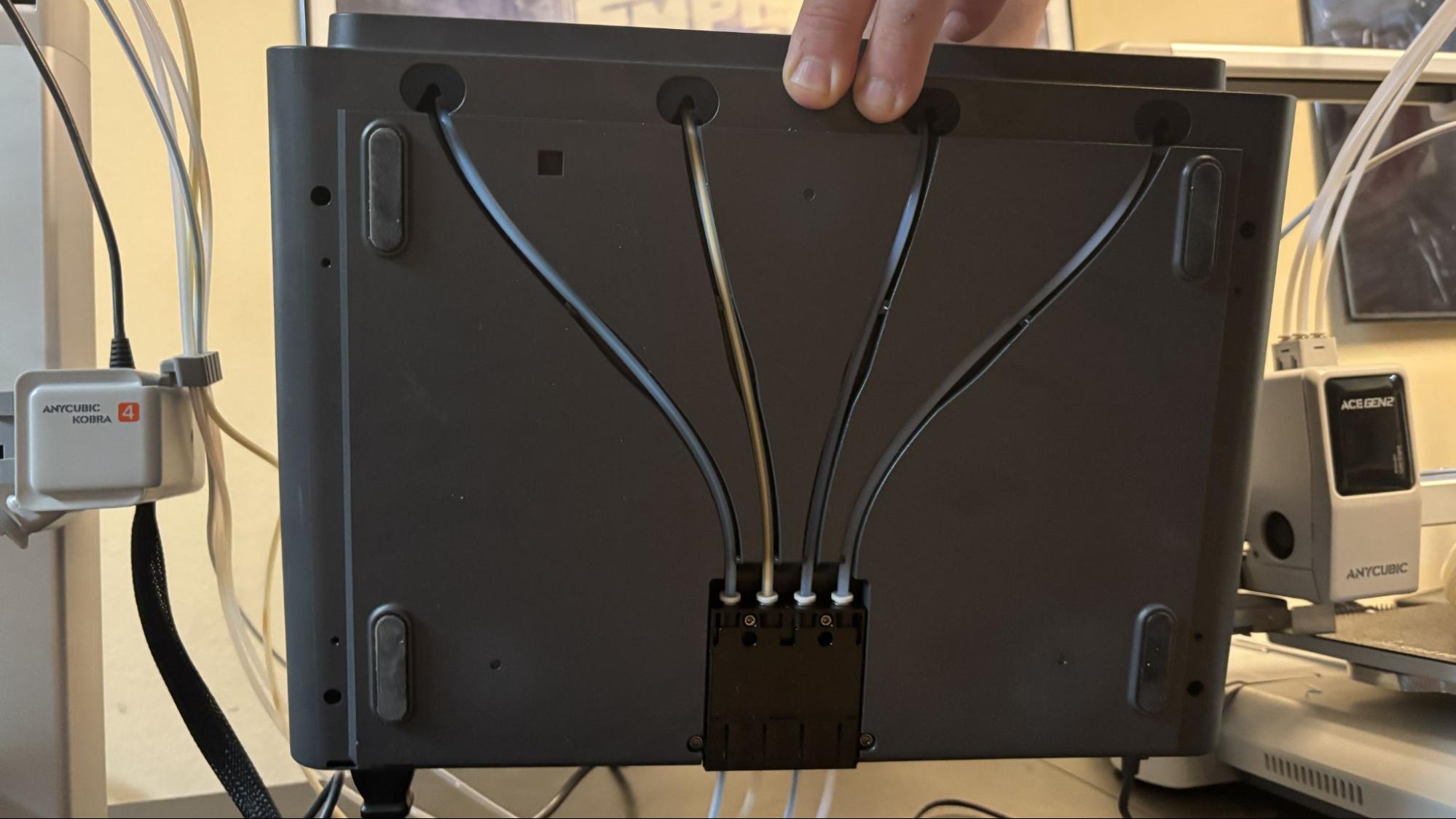
The ACE Pro 2 is the heart of the Kobra 4 system. Unlike the first generation of ACE units, which suffered from frequent misfeeds, the Pro 2 features individual feeders for each filament spool. This mimics the reliable performance of high-end units like the Bambu Lab AMS.
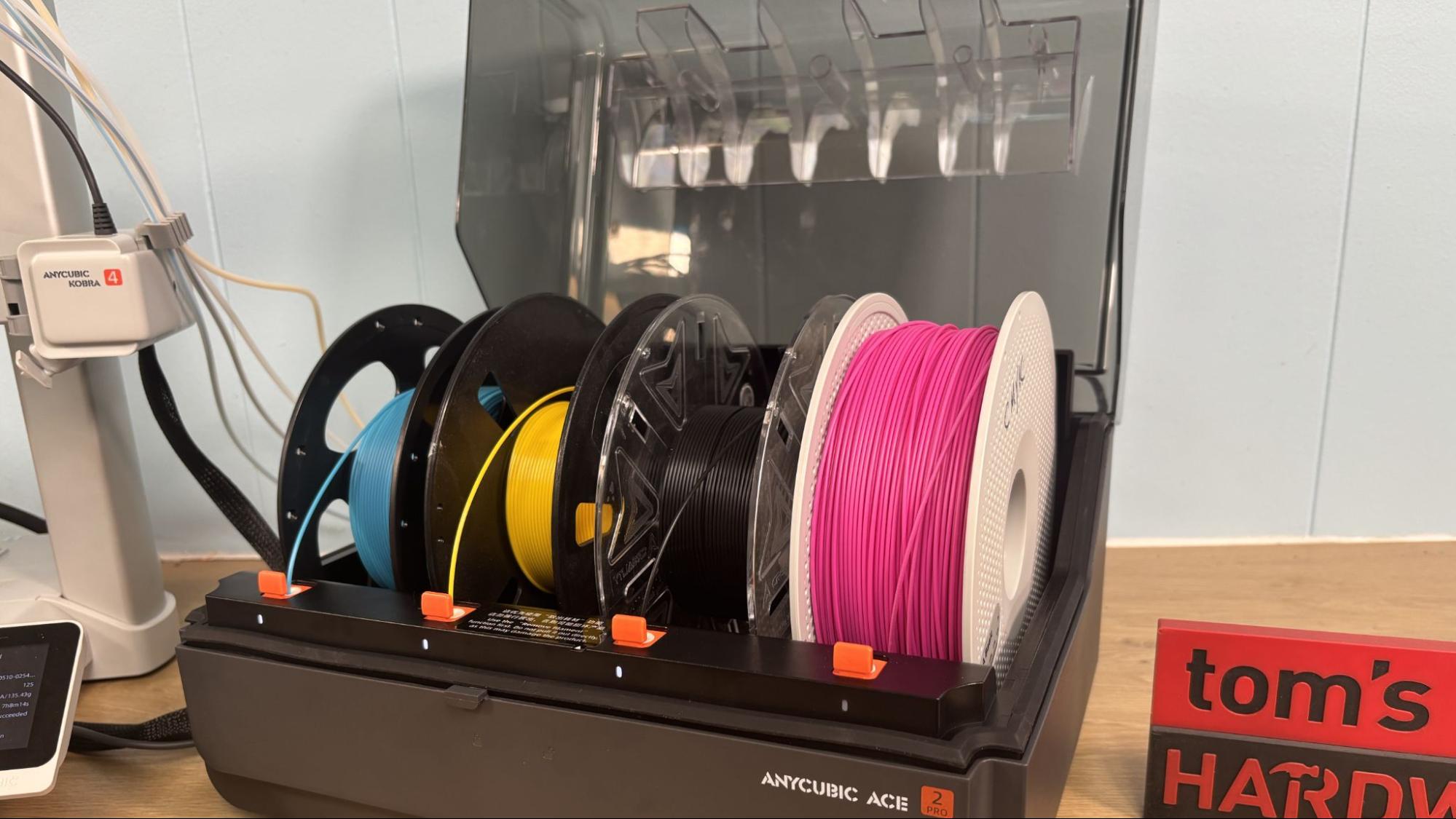
One standout feature is the integrated drying functionality. While an open-frame printer like the Kobra 4 doesn’t provide a controlled chamber environment, the ability to dry filament while printing is a massive advantage for moisture-sensitive materials like PETG. However, we did note that filament loading remains slower than desired, and we anticipate firmware updates to address these throughput speeds in the near future.
Print Quality and Material Handling
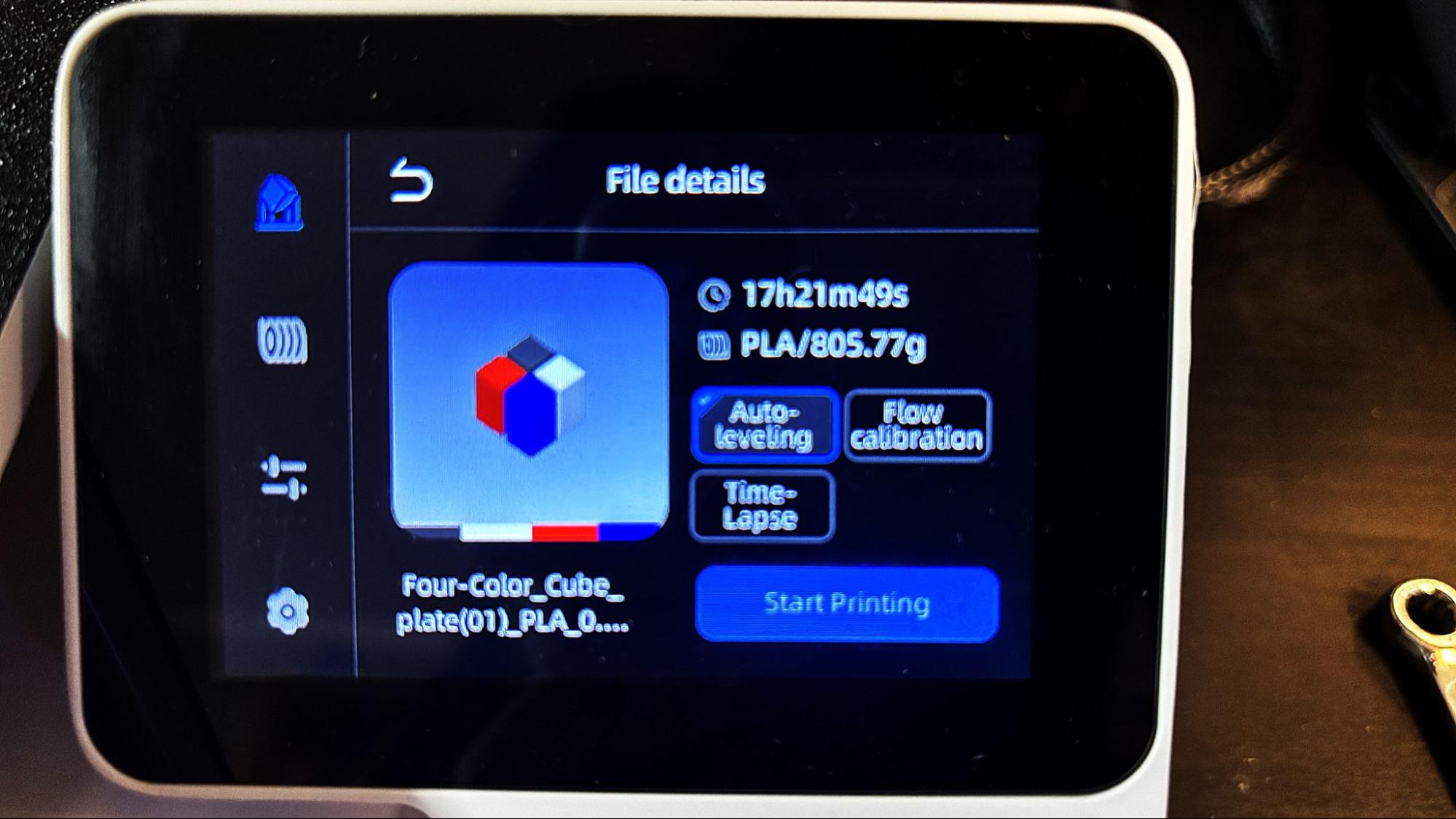
- PLA: The Kobra 4 handles PLA with ease. In our test prints, including complex multi-color models, the printer maintained a consistent 160mm/s print speed at .2mm layer heights.
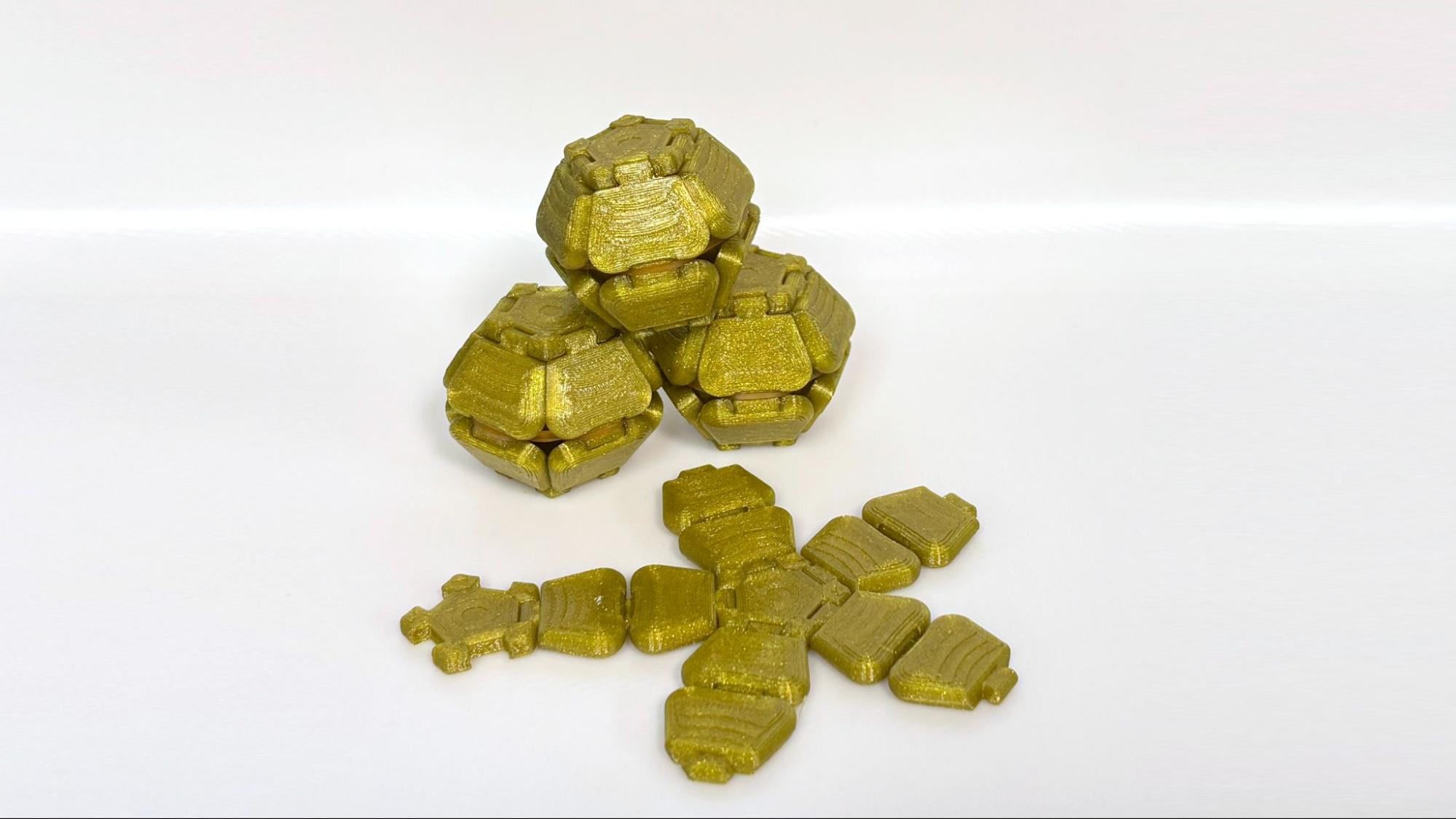
- PETG: Printing "PentaClick" balls in Prusament Yellow Gold PETG revealed the machine’s precision. The print-in-place hinges functioned perfectly right off the bed, showing no signs of over-extrusion or thermal drooping.
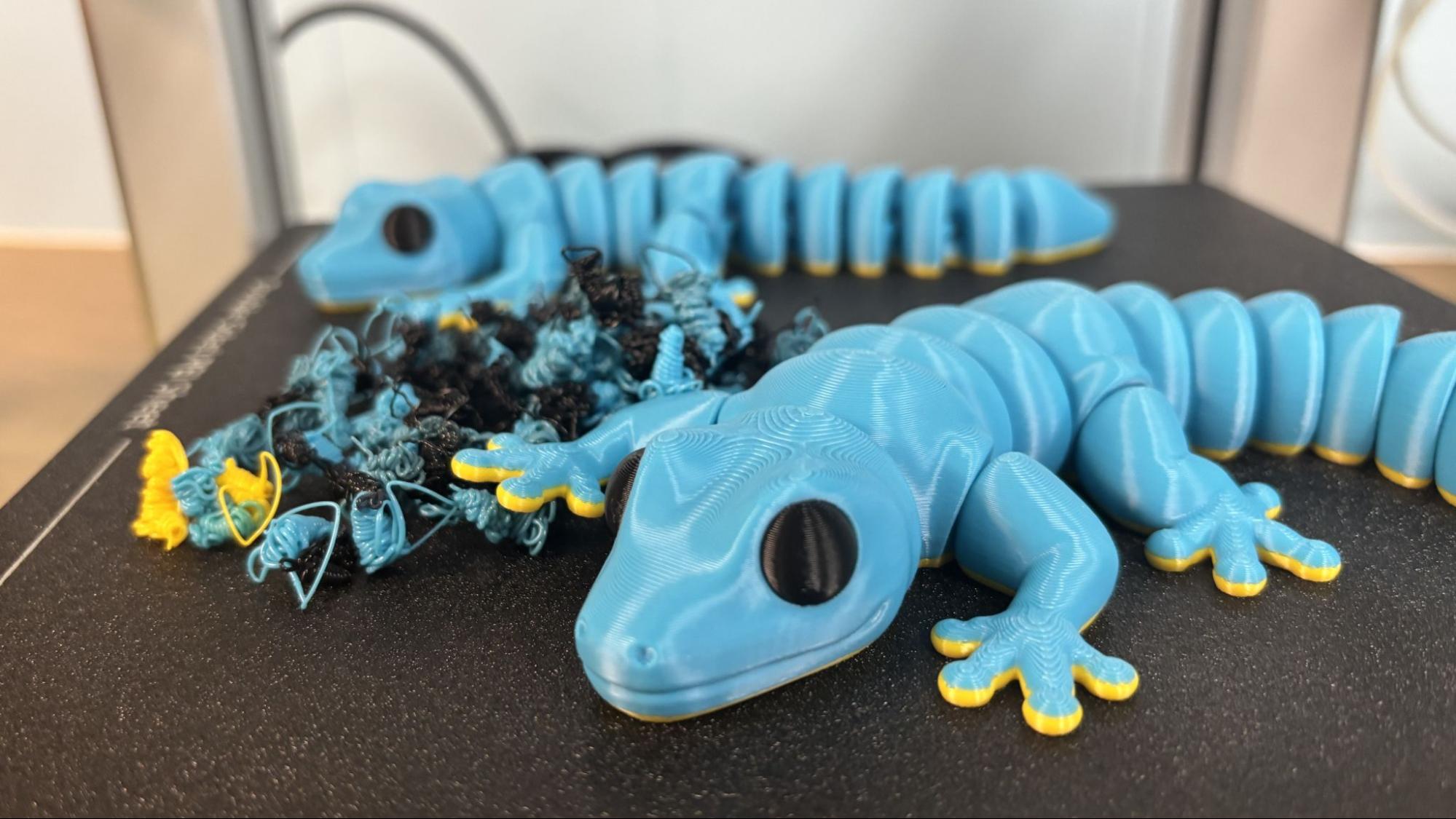
- TPU: This was the most challenging test. While the printer is not officially marketed to run TPU through the multi-material handler, we found that with some manual intervention—bypassing the internal hub and feeding directly—the machine produced excellent, string-free results.
Official Responses and Firmware Status
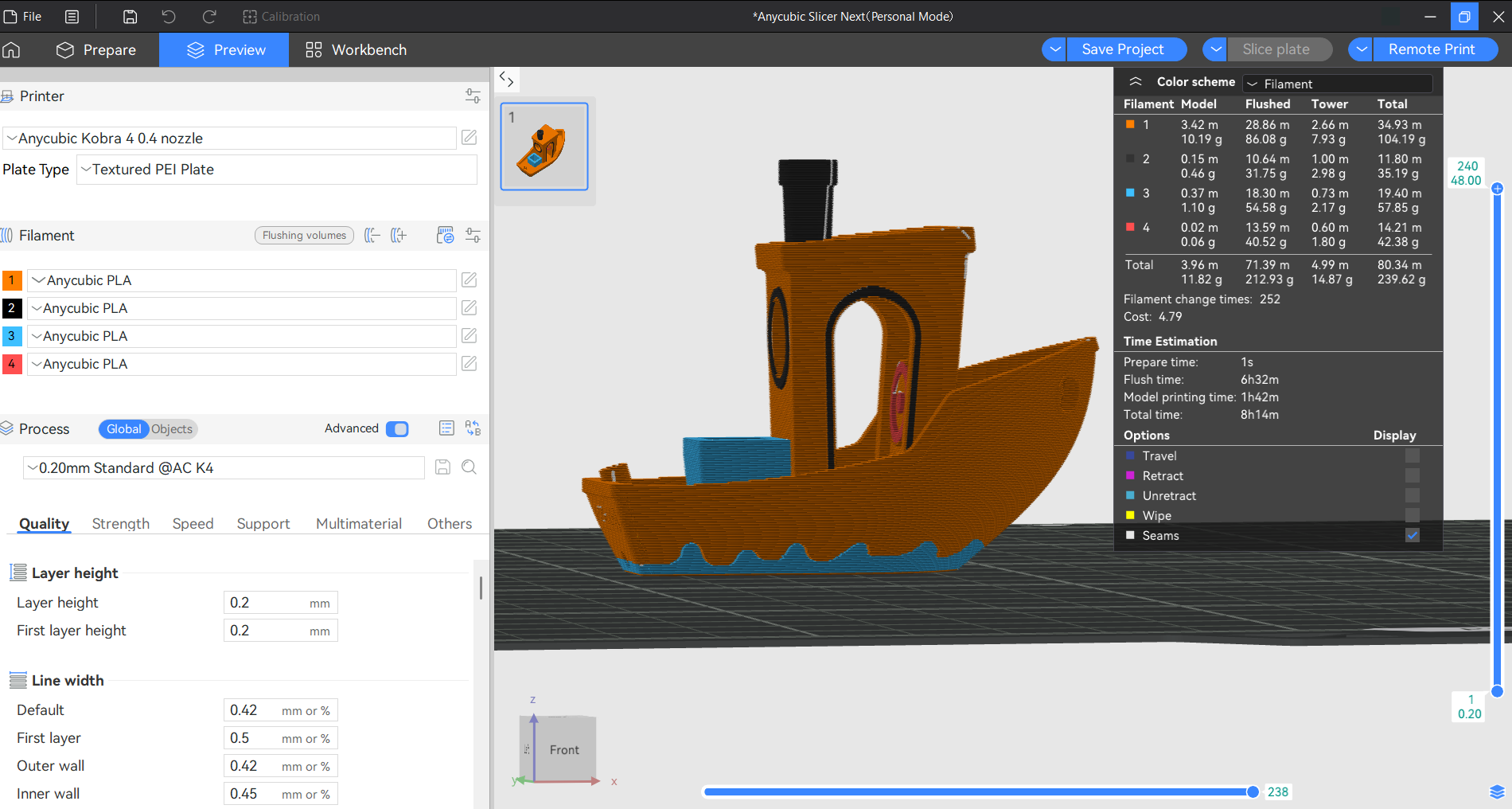
Anycubic has been transparent regarding the software bugs present in the current iteration of the Anycubic Slicer Next. Specifically, the slicer has a known issue where it drastically underestimates the amount of "purge" waste required when switching colors. In some instances, it even suggests negative values for filament flushing. Anycubic representatives have acknowledged this legacy bug (carried over from the Kobra X) and have stated that a fix is high on the priority list for upcoming firmware and software patches.
Regarding TPU support, the company has indicated they are working on a printable "single hub" adapter that will allow users to route flexible filaments more easily, mitigating the current need for manual, tool-free feeding.
Implications: Where the Kobra 4 Stands
The Kobra 4 is a cautionary tale of "incremental improvement." While it is objectively a better machine than the Kobra 3, it lacks the "wow" factor required to displace the Kobra X as the ultimate budget-friendly printer.
The Competitive Landscape
The market for sub-$400 printers is brutal. The Kobra 4 sits at a price point only $20 lower than the Bambu Lab A1—a machine with a massive, mature software ecosystem and a reputation for reliability. Furthermore, it is priced just $10 under the Creality SparkX i7, which currently holds the title for the "Best Beginner Printer" in many circles.
For the average consumer, the choice comes down to priorities:
- The "All-in-One" Seekers: If you are a hobbyist who prioritizes an integrated filament-drying solution, the Kobra 4 is arguably your best choice. The ACE Pro 2’s drying capabilities, while perhaps slightly redundant on an open-frame machine, are a distinct feature that its competitors lack.
- The "Value" Seekers: If you are looking for the absolute best price-to-performance ratio, the Kobra X remains the superior pick. Its smaller footprint and more efficient filament switching mechanism make it a more streamlined addition to a workspace.
- The "Ecosystem" Seekers: If you are new to the hobby and want the easiest possible software experience, the established support community and software polish of the Bambu Lab A1 remain difficult to beat.
Final Assessment
The Anycubic Kobra 4 Combo is a highly capable machine. It is quiet, fast, and produces high-quality parts with minimal fuss. However, it is an evolutionary step rather than a revolutionary one. It serves as a great, reliable workhorse for those who don’t mind a few software quirks and who specifically value the ability to dry their filament on the fly.
As we look toward the remainder of 2026, the question for Anycubic is whether the hardware improvements in the Kobra 4 will be enough to maintain its market share against rivals that are increasingly focusing on software-side refinements. For now, the Kobra 4 is a solid recommendation, provided you understand the niche it occupies. It isn’t the king of the budget mountain, but it is certainly a sturdy step on the climb.

 Asep Darmawan
 Ali Ikhwan