Neng Nana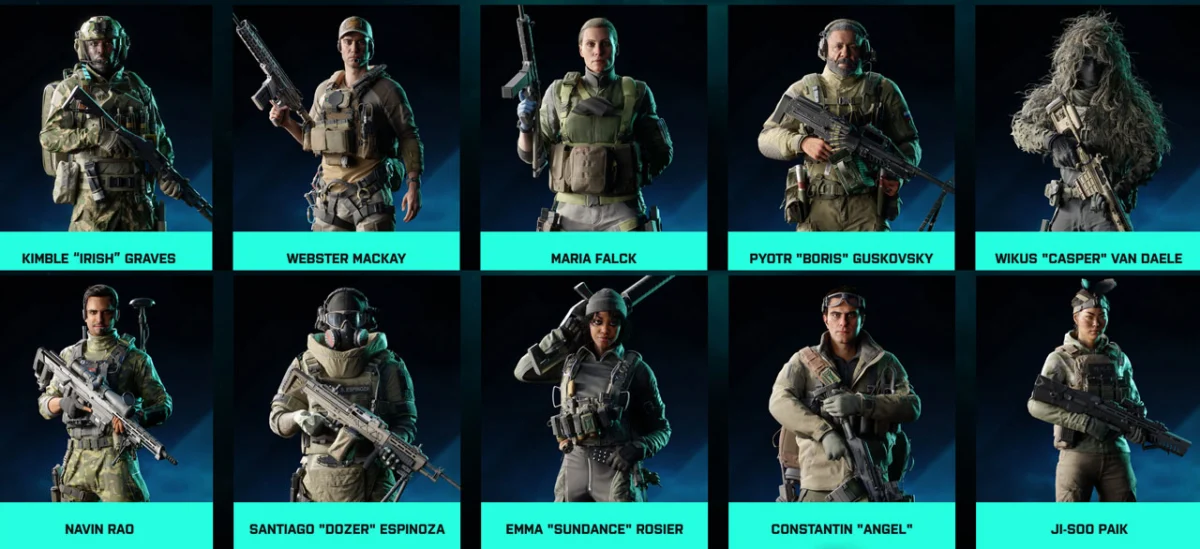
Following the conclusion of the Battlefield 2042 open beta earlier this month, the gaming community has been locked in a tense state of anticipation. As EA and DICE sifted through the massive influx of data and player sentiment, the developer has finally broken its silence. With a formal "Battlefield Briefing," the studio has laid out its roadmap for addressing the myriad concerns raised by the community, setting a definitive trajectory for the game’s official release on November 19th.
The Beta Experience: A Technical and Tactical Sandbox
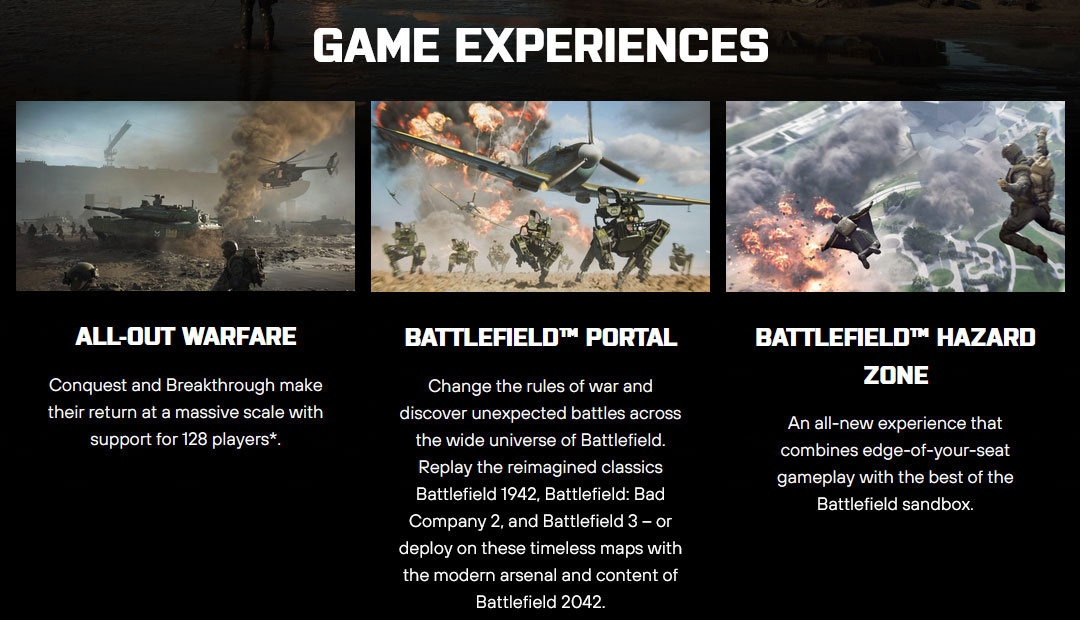
The Battlefield 2042 beta served as a critical stress test, pushing the franchise’s signature massive-scale warfare to its absolute limits. Players were dropped into the "Orbital" map, a sprawling, rocket-launch site in French Guiana designed to showcase the series’ new 128-player capacity on next-gen hardware.
The beta experience was defined by the sheer scale of the conflict. The integration of high-intensity squad play within the broader framework of a 128-player match was a technical marvel, yet it also highlighted the friction between ambition and execution. While the map offered verticality and environmental hazards—the rocket launch sequence being a standout set-piece—it also revealed areas where the polish was lacking, particularly regarding UI stability, performance optimization, and movement fluidity.
The Specialist Controversy: Evolution or Identity Crisis?
Perhaps the most contentious design shift in Battlefield 2042 is the transition from the traditional, rigid class system to the new "Specialist" framework. For long-time fans, the class system (Assault, Medic, Support, Recon) was the heartbeat of Battlefield teamwork; it mandated interdependence, ensuring that players relied on each other to resupply ammo, heal, or provide suppressing fire.
Defining the New Paradigm
DICE maintains that Specialists represent an "evolution" of this system rather than a departure. The design philosophy behind this change is to provide players with more agency, allowing for flexible loadouts that aren’t strictly tethered to a single playstyle. By introducing a hero-based mechanic, DICE aims to provide characters with unique traits and specializations that offer tactical advantages in specific combat scenarios.
The Community Pushback
However, during the beta, many players voiced concerns that this system diminished the synergy required for effective squad play. The fear among the core player base is that "flexible loadouts" lead to a homogenization of roles, where every player becomes a self-sufficient "one-man army," ultimately eroding the cooperative spirit that defines the franchise.
DICE’s Counter-Strategy: The Full Roster Reveal
In response to the feedback, DICE has unveiled all ten specialists, aiming to demonstrate that the system possesses more depth than the initial five revealed during the beta suggested. By "putting all the cards on the table," the developers hope to clarify how these characters fit into the four archetypal pillars of Battlefield. Each specialist brings a specific gadget and trait that, when combined with the right weapon loadouts, is intended to fill the gaps left by the traditional class system. Whether this expansion of choices will satisfy the purists remains to be seen, but it is clear that DICE is betting heavily on the versatility of these specialists to carry the game’s longevity.
A Comprehensive Post-Beta Roadmap
The "Battlefield Briefing" provided more than just a defense of the Specialist system; it offered a transparent look at the technical and gameplay adjustments currently underway. DICE has acknowledged that the beta was a snapshot of a build that is now significantly outdated compared to the current internal version of the game.
Addressing UI and Navigation
One of the most frequent complaints regarding the beta was the user interface. Players found the information density overwhelming and, at times, counter-intuitive. DICE has committed to streamlining the UI to ensure that mission objectives, squad status, and health indicators are clearer and less obstructive during high-intensity combat.
Movement, Maps, and Accessibility
Movement fluidity is the backbone of any modern shooter. Based on player reporting, the studio is refining the responsiveness of character movement, specifically focusing on the transition between sprinting, sliding, and aiming. Furthermore, the "Orbital" map is undergoing a series of optimizations to address pathing issues and "choke point" balance, ensuring that the massive player count doesn’t result in stagnant gameplay loops.
Under the Hood: Code and Server Stability
Beyond the visual and mechanical adjustments, the team is aggressively targeting server-side performance. The 128-player environment is a significant engineering challenge, and the beta highlighted issues with latency and "rubber-banding." DICE has assured the community that many of these issues are tied to the specific "build" used for the beta and that current optimization passes are yielding significant improvements in server stability.
The Promise of Progression and Customization
A common frustration among beta testers was the perceived lack of depth in the available loadouts. DICE has moved quickly to remind players that the beta was a limited slice of the final experience.
The full game will introduce an extensive progression system that allows for deep customization of gear, weapon attachments, and specialist perks. As players progress through the game’s life cycle, they will unlock specialized hardware that differentiates their playstyle further. This is a critical component of the DICE strategy: by allowing players to tailor their soldiers through both the Specialist traits and the modular weapon attachment system (the "Plus" system), the developers hope to restore the tactical depth that some felt was missing from the beta.
Implications for the Franchise
The transition to Battlefield 2042 is perhaps the most significant pivot the franchise has ever taken. By moving toward a "Live Service" model and embracing a hero-shooter aesthetic, EA and DICE are attempting to capture a broader audience without alienating their core demographic.
The Risk of Innovation
This balancing act is fraught with risk. The "Specialist" controversy reflects a broader tension in the industry: how do you modernize a legacy franchise without stripping away the features that made it successful in the first place? If the final version of the game fails to foster the same level of squad-based coordination as its predecessors, it risks being perceived as a generic shooter wearing a Battlefield skin.
The Potential for Success
Conversely, if the gameplay loops in the final release feel as tight and polished as DICE claims they will be, the 128-player scale could set a new industry standard. The sheer ambition of the maps, combined with the "Plus" system’s tactical flexibility, could offer a level of emergent gameplay that no other title currently provides.
Final Thoughts: The Road to November 19th
The period between an open beta and a game’s launch is often the most stressful time for any development team. For DICE, the feedback received from the Battlefield 2042 beta was essentially a mountain of data—a mix of constructive criticism, bug reports, and passionate pleas to return to the roots of the series.
The developers have taken an appropriately professional and transparent tone in their response. By acknowledging the friction points and detailing a clear, categorized plan for improvement, they have attempted to rebuild the trust that was slightly frayed during the beta period.
Whether these changes will be enough to satisfy the community remains the million-dollar question. The stakes for Battlefield 2042 are incredibly high. It is not just another entry in a long-running series; it is a platform meant to sustain the franchise for years to come. As the November 19th release date approaches, all eyes will be on DICE to see if they can deliver the "true" Battlefield experience that fans are clamoring for—a game that respects its history while boldly stepping into the future of large-scale, tactical warfare.

 Reynand Wu
 Pevita Pearce