Nana
Nana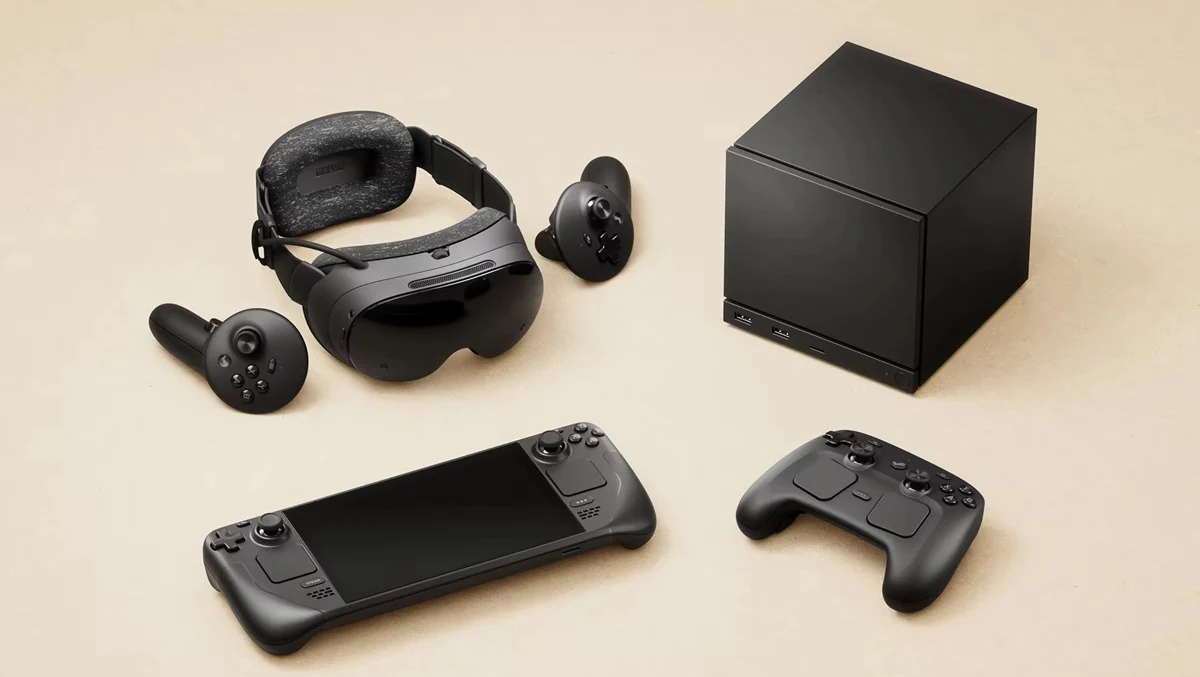
The landscape of interactive entertainment is undergoing a tectonic shift. For years, the "console wars" were defined by a rigid tripartite struggle between Sony, Nintendo, and Microsoft. However, with Microsoft’s recent strategic pivot—effectively opening its once-exclusive ecosystem to competitors by bringing flagship franchises like Halo to rival platforms—the traditional console paradigm has begun to dissolve. As Sony and Nintendo solidify their positions, a familiar, formidable giant has re-entered the arena to disrupt the status quo: Valve.
The creator of Steam has officially unveiled its next-generation Steam Machine, a powerful console/PC hybrid designed to bridge the long-standing divide between the living room couch and the high-performance desktop desk. Promising performance metrics that dwarf existing hardware, Valve is not merely releasing a new device; it is attempting to redefine the very nature of platform-agnostic gaming.
The Hardware: A Performance Titan
Valve’s latest foray into hardware is a direct spiritual successor to its 2015 experiment, but with a massive leap in technological capability. According to official disclosures, this new Steam Machine is six times more powerful than the highly successful Steam Deck.
At its core, the device utilizes a semi-custom AMD Zen 4 6C/12T CPU paired with a high-performance semi-custom AMD RDNA3 GPU. This architecture is specifically optimized for 4K gaming at 60 frames per second, leveraging advanced FSR (FidelityFX Super Resolution) to ensure that even the most demanding AAA titles maintain visual fidelity and fluid frame rates. With 16GB of DDR5 RAM and 8GB of dedicated GDDR6 VRAM, the hardware is built to handle the modern gaming landscape without compromise.
Valve is offering two distinct SKUs for the 2026 launch: a 512GB model for entry-level enthusiasts and a 2TB "Pro" model for power users who demand massive, high-speed storage for extensive libraries. Both versions will be compatible with the newly redesigned Steam Controller, which promises enhanced haptic feedback and ergonomic refinement to cater to both competitive and casual gamers.
Chronology: From Concept to Reality
The journey toward this hardware launch has been a decade-long saga of iteration and software refinement.

- 2015: The original Steam Machine project launches. While it garnered significant industry attention, it suffered from a fractured ecosystem and a lack of optimized software, ultimately leading to a quiet discontinuation.
- 2022: Valve releases the Steam Deck. The handheld device becomes a runaway success, proving that consumers are hungry for portable, open-platform PC gaming experiences.
- November 2025: Valve officially announces the development of a "next-gen" console/PC hybrid, signaling a return to the living room market.
- June 5, 2026: Valve confirms the technical specifications, pricing, and reservation logistics for the new Steam Machine, officially initiating the pre-order phase.
- June 25, 2026: The deadline for reservation signups. Valve plans to utilize a randomization lottery to determine the initial wave of buyers, a strategy intended to mitigate the impact of scalpers and supply chain bottlenecks.
Pricing and Market Positioning
The price of entry for this new ecosystem is significant, reflecting the device’s status as a dual-purpose machine. The Steam Machine will retail between $1,049.00 and $1,428.00.
While these figures place the device well above the price point of a standard PlayStation 5 or Nintendo Switch, Valve argues that the cost is justified by the device’s dual identity. It is not merely a locked-down console; it is a full-featured gaming PC that happens to reside in a sleek, living-room-friendly chassis. By bypassing the "walled garden" approach of traditional console manufacturers, Valve is betting that players are willing to pay a premium for the freedom to access their entire Steam library—an inventory of games that, for many users, represents years of investment and thousands of dollars in software.
Official Commentary: The "GabeN" Perspective
Gabe Newell, the visionary head of Valve, has positioned this new hardware as the logical culmination of the company’s long-term strategy.
"We’ve been super happy with the success of Steam Deck," Newell stated during the announcement. "PC gamers have continued asking for even more ways to play all the great titles in their Steam libraries. Our work over the years on other hardware, and even more importantly on SteamOS, has enabled the Steam Controller, the Steam Machine, and our upcoming Steam Frame technology to do just that."
Newell’s statement underscores a crucial point: the hardware is only half the story. The true "secret sauce" is SteamOS, the Linux-based operating system that has matured significantly since the original 2015 iteration. By refining the user experience to be as seamless as a console interface while retaining the power of a desktop, Valve is removing the "barrier to entry" that historically kept console gamers away from the PC platform.
Implications for the Gaming Industry
The introduction of a high-powered, open-platform console creates several profound implications for the industry at large.

1. The Collapse of Exclusivity
With Microsoft effectively abandoning the traditional console war strategy, the industry is moving toward a "content-first" model. By allowing users to access their existing Steam libraries, Valve is essentially creating a platform that is "future-proofed." If a user buys a game on Steam today, they can play it on their PC, their Steam Deck, or their new Steam Machine. This portability of ownership is a direct challenge to the proprietary systems favored by Sony and Nintendo.
2. Bridging the "Console-PC" Divide
For decades, the cultural divide between PC and console gaming was defined by technical accessibility. PC gaming required complex hardware configurations and driver management; console gaming offered "plug-and-play" simplicity at the cost of control and graphical fidelity. The new Steam Machine aims to eliminate this trade-off. It offers the graphical overhead of a high-end PC with the user-friendly interface of a modern console, effectively rendering the traditional console/PC dichotomy obsolete.
3. The Future of VR and Steam Frame
The reference to "Steam Frame" in Newell’s statement is particularly intriguing. Industry analysts suggest that this refers to an upcoming integration with high-end Virtual Reality hardware. If the Steam Machine serves as the engine for a new generation of immersive gaming, it could pose a significant threat to Sony’s PlayStation VR ecosystem. By providing a unified hardware/software stack, Valve is positioning itself to lead the next evolution of interactive media.
The Verdict: A High-Stakes Gamble
Is the world ready for a $1,000+ gaming console? The success of high-end boutique PC handhelds and the continued growth of the luxury hardware market suggest that there is a significant segment of the gaming population that values performance above all else.
However, the Steam Machine faces a steep climb. It must prove that it can handle the "console experience" flawlessly—meaning no driver issues, no complex setups, and a UI that feels at home on a 65-inch television. If Valve succeeds, they will have effectively turned the entire PC gaming market into a console competitor. If they fail, they will have provided a valuable case study in the difficulties of disrupting a market that is already entrenched in decades of consumer habits.
As the June 25th reservation deadline approaches, the gaming world is watching closely. Whether this device becomes a household staple or remains a enthusiast-grade curiosity, one thing is clear: the rules of the game have changed. Valve is no longer just a digital storefront; they are a hardware powerhouse, and the console manufacturers are officially on notice.


 Siti Muinah
 Azzam Bilal Chamdy