Jia Lissa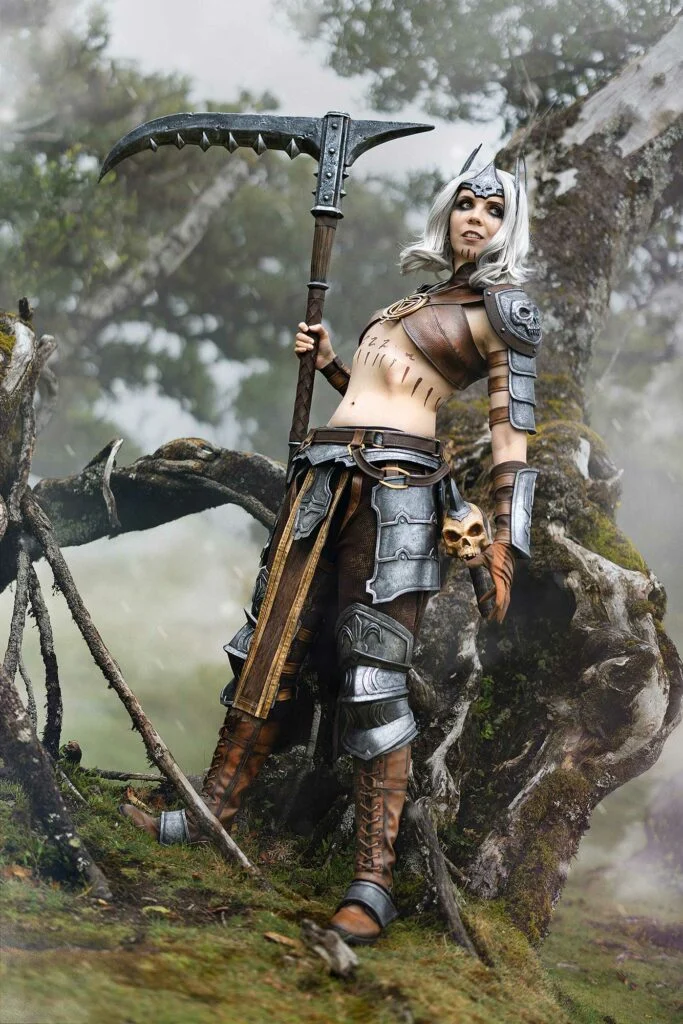
In the world of professional cosplay, time is usually the greatest luxury. Most elaborate builds—those featuring intricate armor plating, structural engineering, and complex fabric weathering—are often months in the making. Yet, for renowned creator Kamui Cosplay, the launch of Blizzard Entertainment’s Diablo IV presented a unique, high-pressure challenge: deliver a high-fidelity, screen-accurate Necromancer costume in just fourteen days.
This project was not merely a test of technical skill; it was a logistical gauntlet compounded by an international relocation. Despite the chaos of moving countries and the ticking clock of a global game launch, the result was a triumph of efficiency and artistry that captured the dark, gothic essence of Sanctuary.
The Genesis: A Blizzard Collaboration
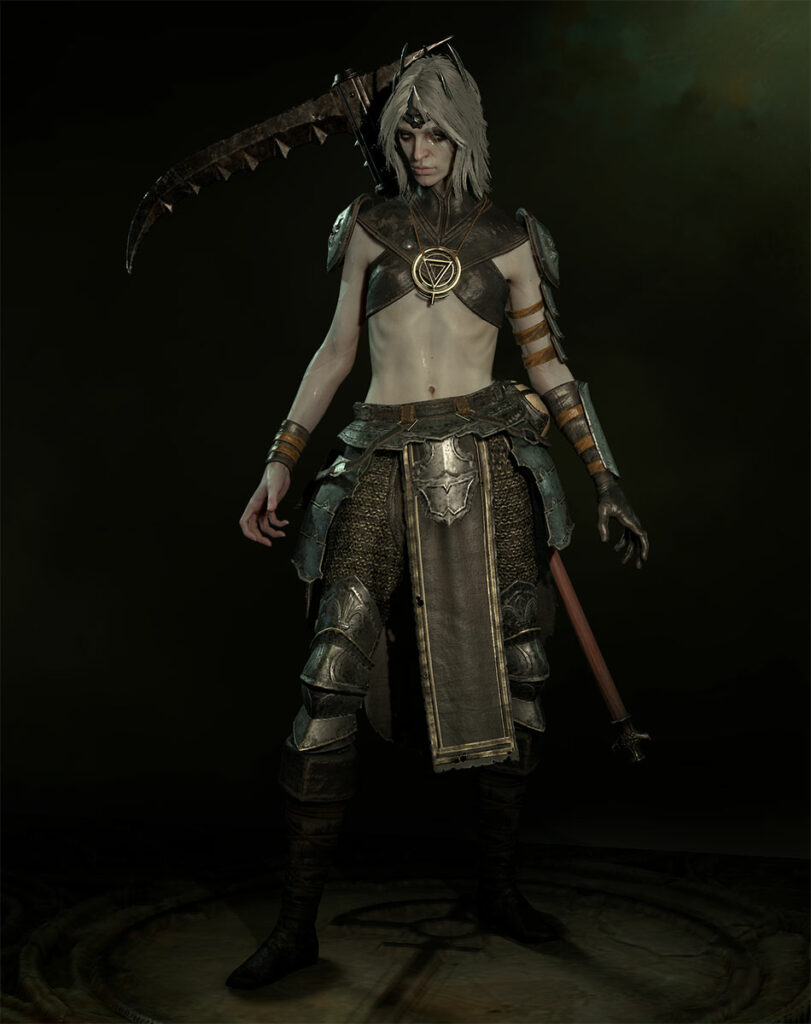
The project began with a rare advantage. While many cosplayers must rely on promotional screenshots and low-resolution trailer footage to reverse-engineer character designs, the developers at Blizzard provided Kamui with exclusive reference assets.

Having been a staple of the Blizzard fan community since 2005 and having completed over 20 professional-grade costumes based on the developer’s franchises, the partnership was a natural evolution. The provided rendering offered a granular look at the Necromancer’s aesthetic: the intricate leather textures, the specific nature of the tattoos, and the silhouette of the armor. This level of access allowed for a streamlined production phase, eliminating the guesswork that often stalls early-stage builds.
Chronology of a Two-Week Build
The two-week timeline was divided into rigid phases, with no room for error.
Days 1–5: Patterning and Fabric Procurement
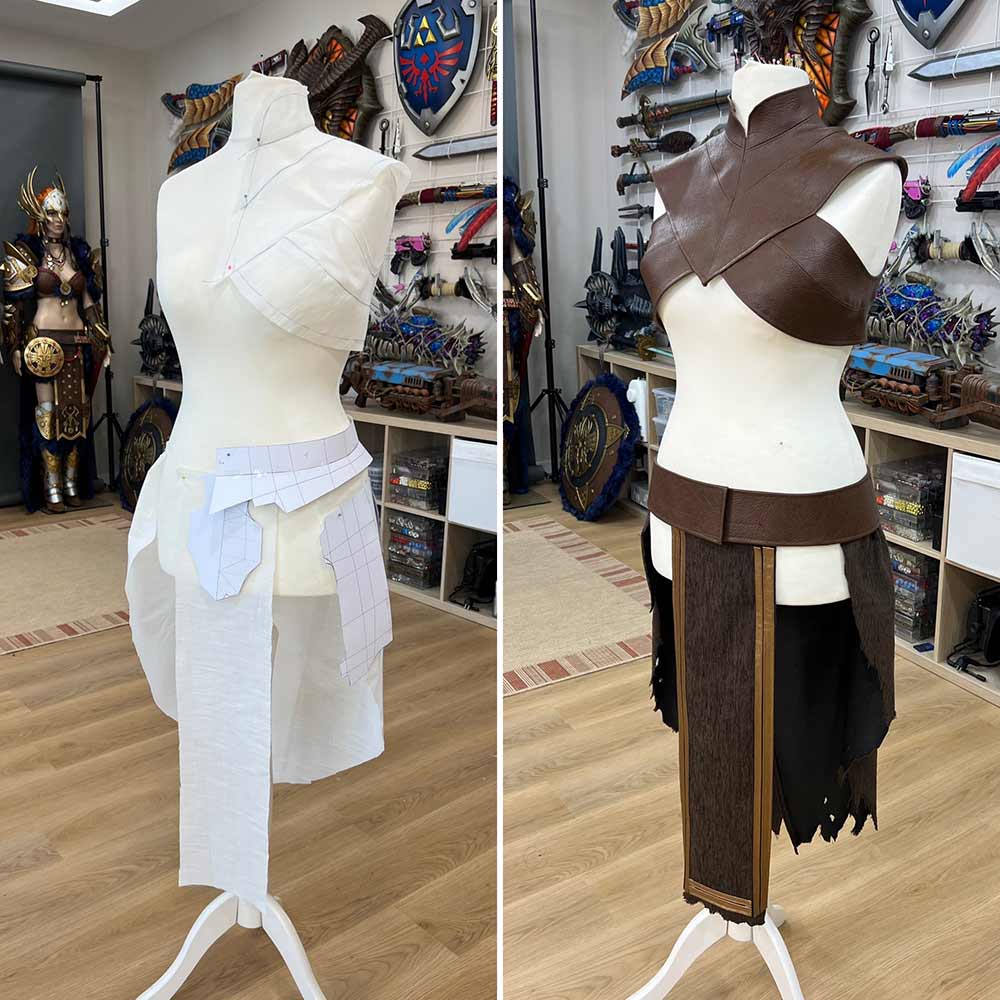
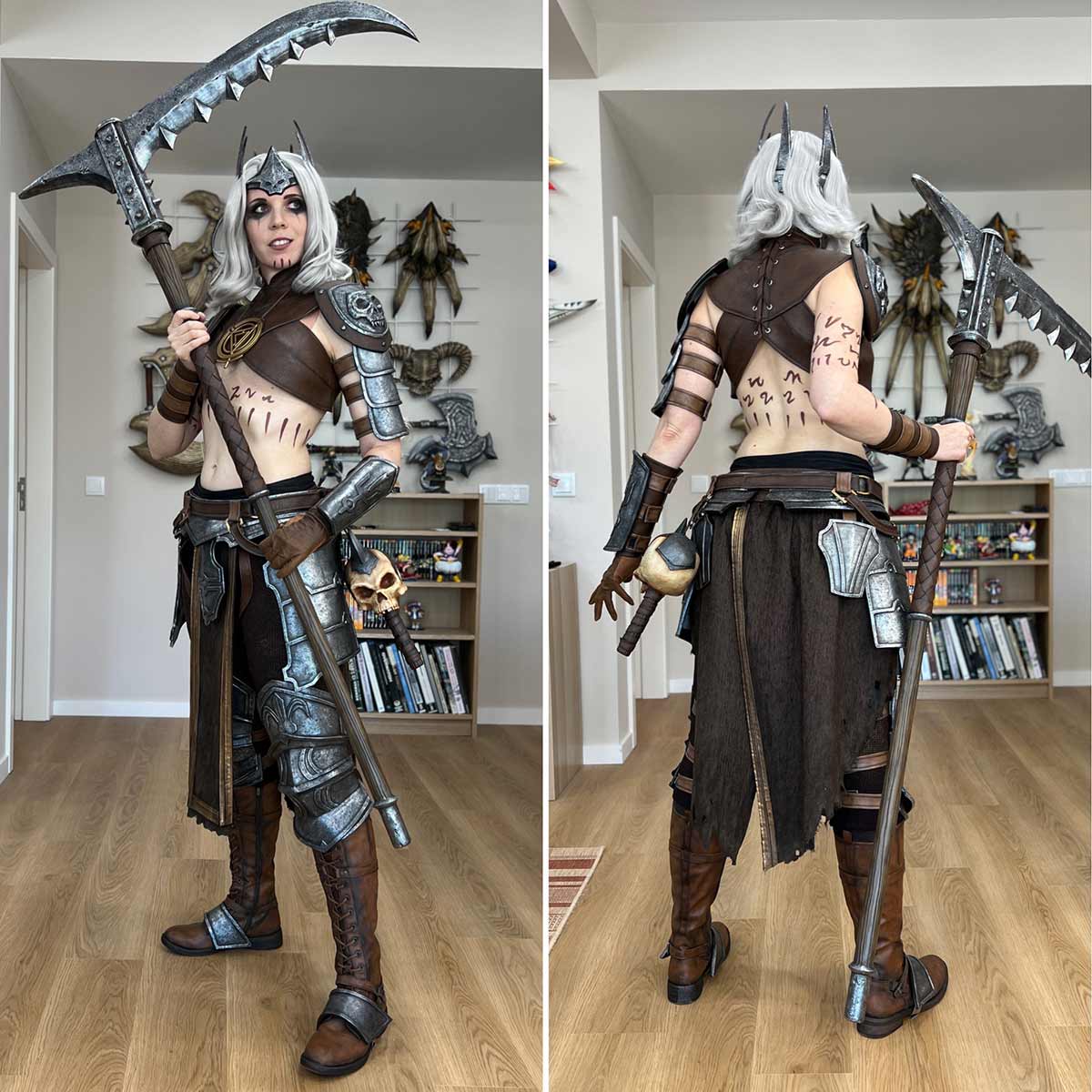
The build commenced with traditional tailoring techniques. To ensure a perfect fit for the armor, the torso was mapped using the duct-tape method, while the skirt was draped in heavy linen to provide the necessary weight and flow.
Material sourcing was restricted to local fabric shops, requiring an agile approach to textile selection. The team opted for thick, brown furniture-grade "pleather" to mimic the rugged, worn leather of the Necromancer’s gear. For the base layer, heavy curtain fabric was utilized to achieve the necessary drape and durability. During this phase, the husband-and-wife team leveraged digital tools to keep pace; Benni utilized Blender to draft 3D-accurate patterns for the leg armor, ensuring the geometry matched the digital assets from the game.
Days 6–10: The Foam Forge
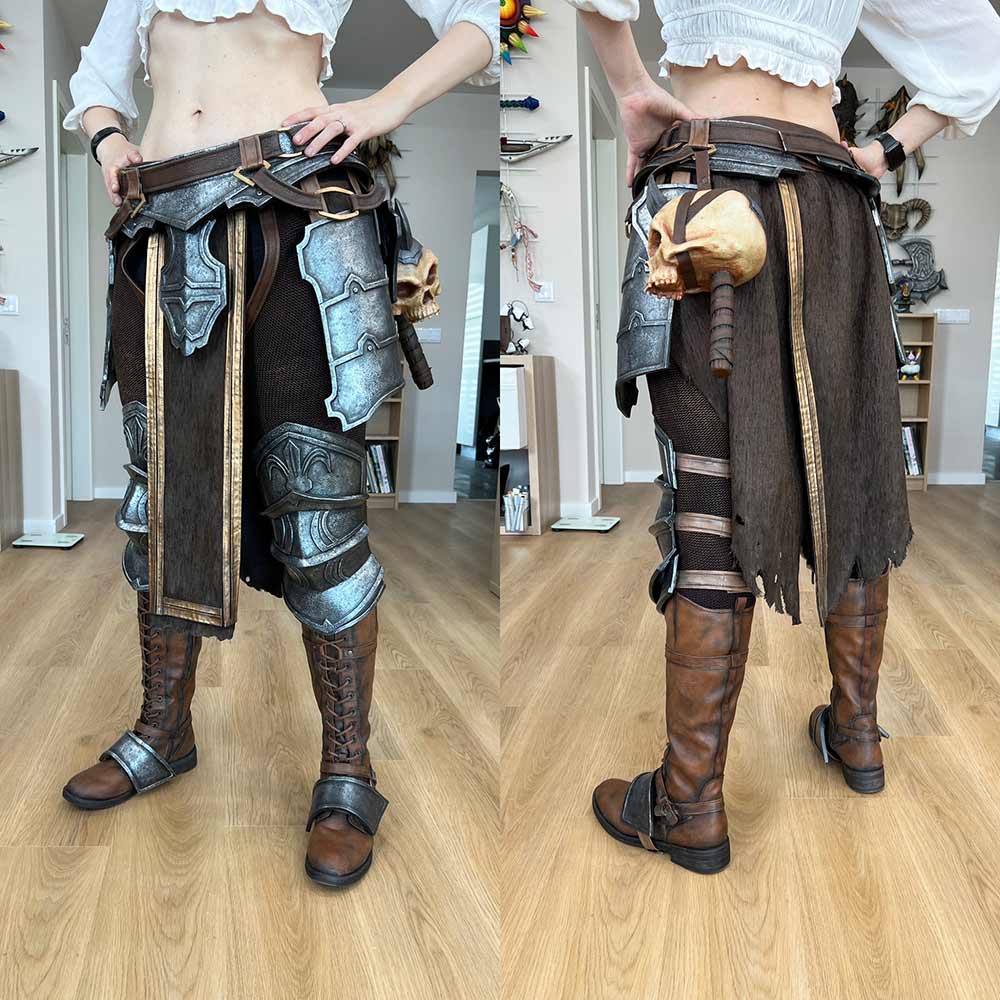
The armor was constructed primarily from 5mm EVA foam, with 2mm foam used for raised detailing. To move beyond the "craft foam" look, the team employed a specialized finishing technique: a base coat of Flexbond mixed with black acrylics, followed by a hand-dabbed texture application. This provided a visual depth that simulated weathered steel.
The final metallic sheen was achieved using Rub ’n Buff, a wax-based metallic finish that provides a realistic luster when applied to textured surfaces. Attachment points were engineered using heavy-duty velcro and faux leather belts integrated directly into the armor, ensuring the costume remained secure during movement.
Days 11–14: The Scythe and Final Assembly
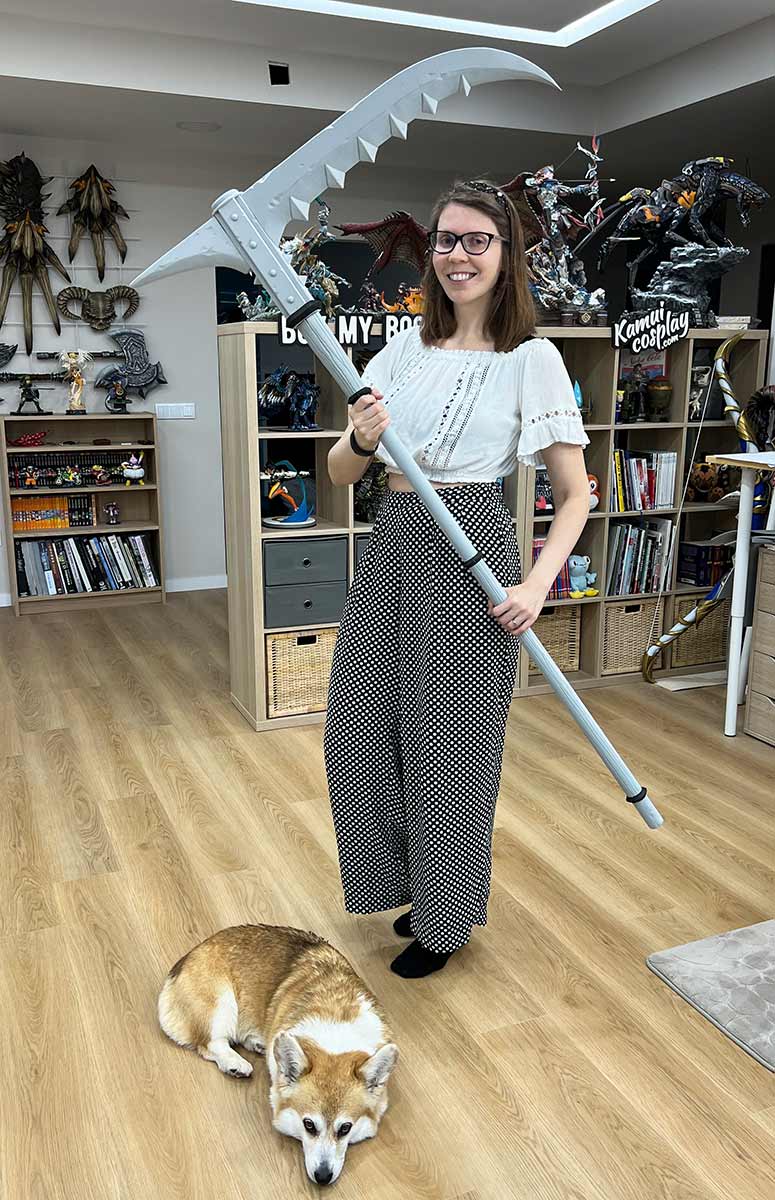
The Necromancer’s signature scythe was the final hurdle, completed in a frantic 24-hour sprint. To ensure portability, the weapon was designed as a modular, three-segment piece connected by internal magnets. The structural base consisted of PVC piping of varying diameters, which was then layered with EVA foam to build the complex, organic shape of the weapon.
The finishing touches—the "chain mail" leggings—were faked using a rough-knit fabric treated with high-gloss acrylic paint, a clever substitution that saved hours of manual labor while maintaining the aesthetic integrity of the costume.
Technical Specifications and Materials
The success of such an accelerated build relies on professional-grade materials and established workflows. The construction relied on a standardized set of supplies:
- Core Material: 5mm and 2mm EVA foam.
- Adhesion/Priming: Flexbond, high-strength contact cement.
- Finishing: Rub ’n Buff (Silver Leaf), black acrylic paint for base priming.
- Weaponry: PVC piping, high-powered neodymium magnets.
- 3D Elements: Sculpted and printed skull components (3D modeling by Benni).
The team emphasizes that while these materials are industry standards, the technique—specifically the dabbing of acrylic paste to create "depth"—is what separates a hobbyist prop from a professional display piece.
The Fanal Forest: Capturing Sanctuary
A costume is only as good as its presentation. To mirror the dark, rain-swept atmosphere of Diablo IV, the team chose the Fanal Forest in Madeira, Portugal. Known for its ancient laurel trees and naturally occurring fog, the location provided an uncanny resemblance to the game’s aesthetic.
The shoot utilized the Canon EOS R5 paired with a 50mm f/1.2 L-series lens. This combination allowed for the shallow depth of field required to make the character pop against the ancient, moss-covered landscape. While the location was perfect, the lack of natural fog during the shoot necessitated post-production editing, where Benni meticulously added the atmospheric effects that define the Diablo look.
Implications for the Cosplay Industry
The success of this two-week project highlights a growing trend in the cosplay community: the transition toward "hybrid" creation. By blending traditional tailoring, foam-smithing, and 3D printing with digital asset integration, professional cosplayers are increasingly capable of mirroring the quality of studio-grade movie props.
Furthermore, the project demonstrates the importance of "modularity." By designing the scythe in segments, the creators addressed the practical challenges of modern travel, a vital lesson for cosplayers who frequently tour at international conventions.
Professional Insight
When asked about the project, the creators noted that the biggest mistake beginners make is attempting to build "everything at once" without a plan. By utilizing paper dummies and 3D-modeled patterns, the team was able to validate shapes before cutting into expensive materials, a workflow that saved them several days of potential rework.
For those looking to replicate this level of output, the team points toward their library of instructional resources, including specific guidebooks on 3D printing and foam armor construction. These resources serve to democratize the techniques once reserved for studio prop makers, allowing enthusiasts to achieve professional results on a fraction of the budget.
Conclusion
The Diablo IV Necromancer project stands as a testament to what is possible when professional expertise meets extreme deadlines. It was a race against time, a test of material science, and a tribute to the long-standing relationship between a gaming giant and its most dedicated creators.
For Kamui Cosplay, the project was never just about a costume; it was about honoring the dark, visceral world of Sanctuary. As the Diablo franchise continues to evolve, so too does the community of creators who bring its demons and heroes to life, proving that even with just fourteen days, one can manifest a masterpiece from thin air and EVA foam.

 Siti Muinah
 Azzam Bilal Chamdy