Basiran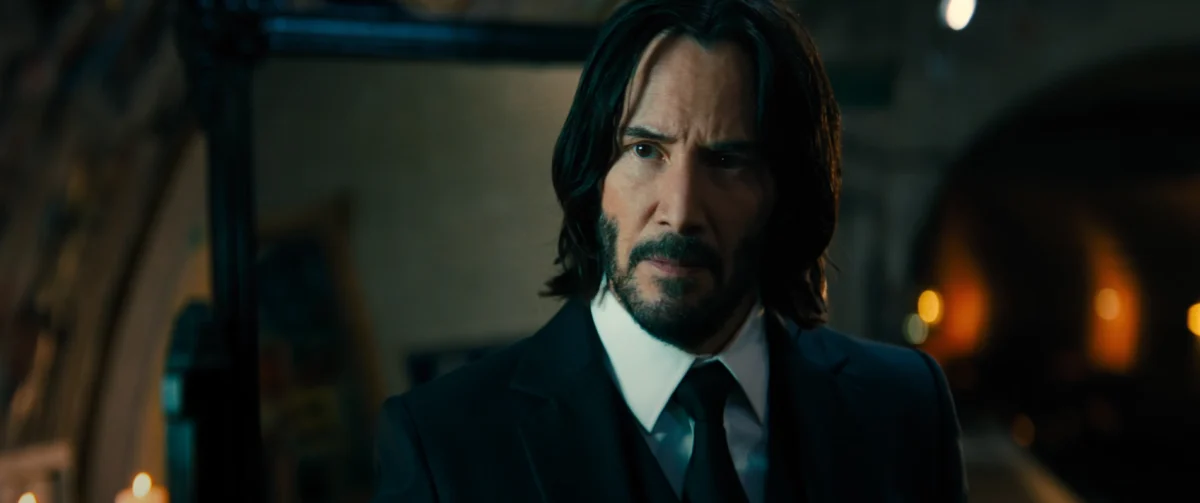
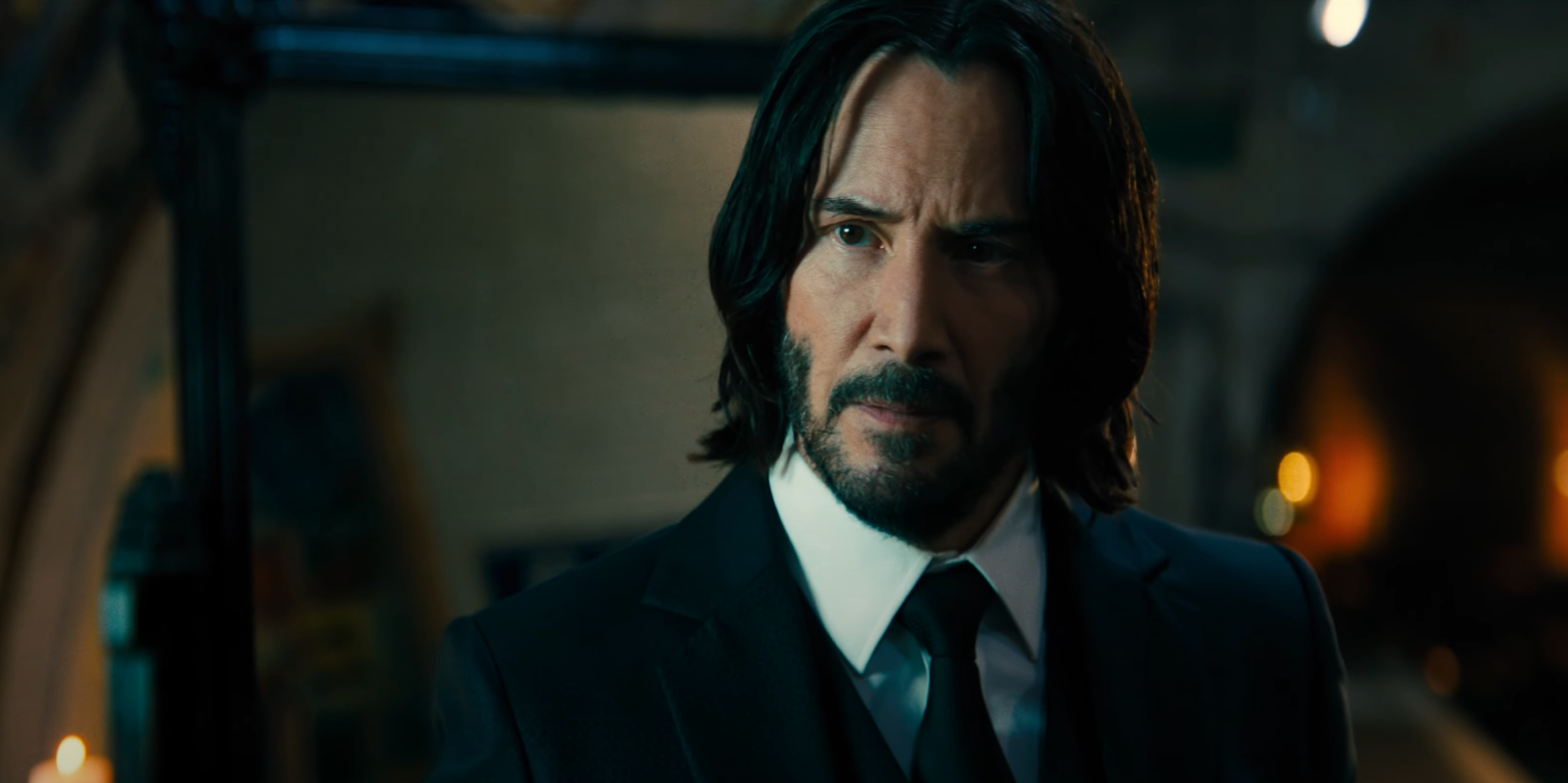
Hollywood icon Keanu Reeves, celebrated for his diverse roles from the stoic Neo in The Matrix to the relentless assassin John Wick, is reportedly in advanced discussions to star in a groundbreaking "live-action hybrid" Lego movie. The project, which marks a significant strategic move for Universal Pictures since acquiring the Lego film rights in 2020, will see Reeves reunite with director Josh Cooley, with whom he previously collaborated on the critically acclaimed and commercially successful Toy Story 4.
The news, first broken by Deadline on Monday, June 22, 2026, signals a bold new direction for the beloved Danish toy brand’s cinematic ventures. Unlike its predecessors, which primarily relied on animation, this upcoming film is poised to blend live-action elements with animated sequences, promising a fresh and innovative approach to the Lego universe. While specific plot details remain under wraps, the mere prospect of Reeves stepping into a Lego-infused world has ignited immense excitement among fans and industry observers alike.
A New Brick in the Wall: Keanu Reeves Enters the Lego-verse
Keanu Reeves has cultivated a career defined by an eclectic mix of genres and character portrayals. From high-octane action franchises like John Wick and The Matrix, to sci-fi cult classics like Bill & Ted’s Excellent Adventure, and even romantic comedies such as Always Be My Maybe where he played an exaggerated version of himself, Reeves consistently demonstrates an unparalleled versatility. His recent ventures into voice acting, including his memorable turn as the Canadian daredevil toy Duke Caboom in Toy Story 4 and his upcoming role as Shadow the Hedgehog in Sonic the Hedgehog 4, further underscore his willingness to embrace diverse creative challenges.
This reported casting in the Lego film is a testament to Reeves’ enduring appeal and his status as one of Hollywood’s most beloved and bankable stars. His involvement is expected to bring a unique blend of gravitas, charm, and unexpected humor to the typically lighthearted world of Lego, potentially broadening the film’s demographic appeal beyond its traditional family audience. The concept of a "live-action hybrid" film also opens up a plethora of narrative possibilities, allowing for creative storytelling that can transcend the boundaries of purely animated or live-action productions.
The Hybrid Frontier: Blending Live-Action and Animation
The "live-action hybrid" format is not entirely new to Hollywood, with successful examples ranging from classics like Who Framed Roger Rabbit to more recent hits such as Space Jam: A New Legacy and Detective Pikachu. However, its application within the Lego universe presents a unique set of opportunities and challenges. Previous Lego films, while featuring intricate digital animation that often mimicked stop-motion, were entirely animated. This new approach suggests a narrative where human characters and the brick-built world might interact directly, or where Lego figures could bridge the gap between their plastic reality and our own.
Speculation is already rife regarding the nature of Reeves’ role. Will he portray a human character who finds himself transported into a vibrant, blocky Lego dimension, akin to the premise explored in films like The Minecraft Movie (which also features a real-world to game-world transition)? Or will he lend his distinctive voice and possibly motion-capture performance to a new, heroic Lego minifigure who ventures into the human world? The creative possibilities are boundless, allowing for a compelling interplay between the tangible and the imaginative, a core tenet of the Lego brand itself. The success of such a hybrid approach hinges on seamless integration and a compelling story that justifies the format, something director Josh Cooley is well-equipped to deliver.
A Rekindled Partnership: Reeves and Cooley’s Toy Story 4 Success
The reunion of Keanu Reeves and Josh Cooley is a particularly promising aspect of this new venture. Their previous collaboration on Disney-Pixar’s Toy Story 4 was a resounding success, both critically and commercially. Released in 2019, Toy Story 4 captivated audiences worldwide, grossing over $1 billion at the global box office. Reeves’ portrayal of Duke Caboom, the Canadian stunt motorcyclist toy with an inferiority complex, was a standout performance, earning widespread praise for its humor and heart. Cooley, who directed Toy Story 4, demonstrated a keen understanding of character development, emotional depth, and intricate storytelling within an animated world.
His ability to elicit such a memorable performance from Reeves in Toy Story 4 bodes well for their next project. Industry insiders suggest that Cooley’s vision and the specific narrative he developed for the Lego film were instrumental in securing Reeves’ interest, particularly after Universal had reportedly shelved several other Lego scripts since acquiring the rights. This suggests a strong creative alignment and a shared vision for pushing the boundaries of what a Lego movie can be. The established rapport between director and star is often a crucial ingredient for a project’s success, promising a dynamic and engaging production.
The Lego Cinematic Legacy: A History of Innovation and Box Office Triumphs
The Lego brand has a rich and successful history on the big screen, proving that beloved toy lines can translate into compelling cinematic narratives. Its journey began with a surprising critical and commercial hit that redefined expectations for branded entertainment.
The Unconventional Success of The Lego Movie and The Lego Batman Movie
The original The Lego Movie, released in 2014, was a groundbreaking achievement. Directed by Phil Lord and Christopher Miller, it defied expectations with its witty script, inventive animation, and profound themes of individuality and creativity. Grossing over $470 million worldwide against a relatively modest budget, it was lauded by critics for its clever humor, visual ingenuity, and surprisingly poignant message. Its success paved the way for a burgeoning cinematic universe.
Following in its footsteps, The Lego Batman Movie (2017) proved to be another critical darling and box office success. Directed by Chris McKay, it offered a hilarious and heartfelt take on the Caped Crusader, often considered one of the best depictions of Batman in any medium. Its sharp parody of superhero tropes and surprisingly deep exploration of Batman’s loneliness resonated with audiences, demonstrating the franchise’s ability to transcend its toy origins and deliver genuinely insightful storytelling. Even the associated Lego video games, particularly those featuring Batman, have garnered significant praise for their engaging gameplay and humor.
While The Lego Movie 2: The Second Part (2019) was still generally enjoyed by viewers and critically well-received, it financially underperformed compared to its predecessor. This indicated a potential need for fresh creative impetus and a re-evaluation of the franchise’s direction, a need that Universal’s acquisition of the rights and this new "live-action hybrid" approach appear to address.
Universal’s Vision for the Future of Lego
Universal Pictures’ acquisition of the Lego film rights in 2020 marked a new chapter for the franchise. After the mixed financial results of The Lego Movie 2, there was a clear mandate to reinvigorate the brand’s cinematic presence. The studio has taken its time, reportedly reviewing numerous scripts before landing on Cooley’s concept, which specifically envisioned Keanu Reeves in a leading role. This deliberate approach suggests a strategic focus on quality and a desire to create a standout film rather than rushing into production.
By opting for a "live-action hybrid" format, Universal is signaling a departure from the purely animated style that characterized the Warner Bros. era of Lego films. This decision could be seen as an attempt to differentiate their offerings, appeal to a broader audience, and leverage the unique strengths of a major star like Reeves. It also allows for more creative flexibility, potentially bridging the gap between the fantastical world of Lego and the relatable experiences of real-world characters, mirroring the way children often integrate their toys into their everyday lives.
Keanu’s Diverse Portfolio: From Action Icon to Voice Actor Extraordinaire
Keanu Reeves’ career trajectory is unique, marked by an uncanny ability to balance mega-franchises with indie projects and unexpected turns. His participation in the Lego film is another fascinating chapter in this diverse portfolio.
The Enduring Appeal of a Hollywood Maverick
Reeves has a remarkable track record of transforming seemingly disparate roles into iconic performances. His portrayal of Neo in The Matrix redefined action cinema and philosophical sci-fi. His resurgence with the John Wick series solidified his status as a formidable action star, with five successful films in the franchise showcasing his dedication to intricate stunt work and character development. Beyond these tentpole productions, Reeves has consistently engaged in projects that allow him to explore different facets of his acting prowess, whether it’s the comedic timing required for Always Be My Maybe or the nuanced voice acting for animated features.
This consistent willingness to experiment and his genuine, often humble, public persona have endeared him to a global fanbase. His involvement in the Lego movie is not just a casting coup; it’s a statement about the project’s ambition and its potential to attract a wide audience, from young children to adults who appreciate Reeves’ work. His presence guarantees a certain level of quality and a unique interpretation of whatever character he embodies.
Anticipating Reeves’ Role: Speculation on the Hybrid Narrative
The "live-action hybrid" nature of the film leaves ample room for creative speculation about Reeves’ specific role and the narrative structure. One intriguing possibility, already circulating among fans, is that Reeves could play a human character who discovers the true, sentient nature of Lego figures, or perhaps even finds himself transformed into one. This could lead to a journey of self-discovery within a world built entirely of plastic bricks, offering both comedic and poignant moments.
Alternatively, Reeves might voice a newly introduced Lego character, perhaps a grizzled veteran or an unlikely hero, who interacts with the real world. This would draw on his successful voice work in Toy Story 4 and Sonic the Hedgehog 4. The blend could also involve a "story within a story" format, where a live-action framing device introduces an animated Lego adventure, with Reeves perhaps playing a parent or guardian who narrates or influences the Lego world. The creative team has a rich canvas to paint on, and the choices they make will define the film’s tone and impact.
The Crossover Dream: Neo Meets John Wick, Lego Style?
A tantalizing prospect, if licensing agreements permit, is the potential for meta-crossovers within the Lego universe. The previous Lego movies were celebrated for their ability to seamlessly integrate characters from various franchises, including DC Comics, Star Wars, and The Lord of the Rings. Imagine Keanu Reeves’ character encountering Lego-ized versions of his most iconic roles: Neo navigating a blocky Matrix, John Wick meticulously planning his next move in a brick-built Continental Hotel, or Ted "Theodore" Logan embarking on another excellent adventure.

While securing the rights for such extensive crossovers can be a complex logistical and financial hurdle, the sheer fan service and comedic potential of such a scenario would be immense. It would not only be a nod to Reeves’ incredible career but also a celebration of the boundless creativity inherent in Lego, where any character can be imagined and built. Even if direct crossovers are not feasible, the film could still feature clever allusions or subtle Easter eggs that reference Reeves’ filmography, delighting attentive audiences.
Reeves’ commitment to such varied roles, including his upcoming turn as Shadow the Hedgehog in Sonic the Hedgehog 4, underscores his dedication to engaging storytelling across all mediums. This Lego project is yet another example of his willingness to explore new frontiers in entertainment.
Industry Implications and Fan Expectations
The announcement of Keanu Reeves leading a hybrid Lego movie has significant implications for both Universal Pictures and the broader entertainment industry, while simultaneously fueling immense anticipation among a dedicated fanbase.
Universal’s Strategic Play in the IP Wars
For Universal, this project is a significant strategic maneuver in the ongoing "IP wars" that dominate Hollywood. By securing the Lego rights and now attaching a major star like Keanu Reeves, Universal is signaling its intent to seriously compete in the lucrative family entertainment market. The hybrid format, combined with Reeves’ star power and Cooley’s directorial talent, positions the film as a high-profile, distinct entry in a crowded landscape of franchise adaptations.
The success of this film could establish a new template for Universal’s approach to intellectual properties, emphasizing creative innovation and star-driven vehicles. It could also open doors for further hybrid projects involving other Universal-owned IPs, blending animation and live-action in exciting new ways. The studio is clearly aiming for a blockbuster that not only entertains but also sets a new benchmark for what a Lego movie can achieve.
The Evolving Landscape of Family Entertainment
The choice to develop a "live-action hybrid" Lego movie starring Keanu Reeves also reflects an evolving trend in family entertainment. Studios are increasingly seeking ways to create films that appeal to multiple generations, offering something for both children and their parents. Reeves’ appeal spans across age groups, making him an ideal choice to anchor a film that needs to resonate with a broad audience.
Furthermore, the blend of live-action and animation allows for a richer, more complex narrative that can explore sophisticated themes while retaining the inherent charm and playfulness of Lego. This approach could usher in a new era of family films that are visually inventive, emotionally resonant, and intellectually engaging, moving beyond simplistic narratives to offer a truly enriching cinematic experience for all ages.
Conclusion
The prospect of Keanu Reeves leading a "live-action hybrid" Lego movie, under the direction of Josh Cooley, is a development that promises to be both creatively ambitious and commercially impactful. It represents a bold new chapter for the Lego cinematic universe under Universal Pictures, leveraging Reeves’ unique star power and Cooley’s proven directorial vision. As the project moves forward, all eyes will be on how this dynamic duo brings the beloved brick world to life, blurring the lines between animation and reality, and potentially crafting another unforgettable entry in the illustrious careers of both Keanu Reeves and the Lego franchise. The journey to June 22, 2026, has already laid the groundwork for what could be a truly excellent adventure.


 Lina Irawan
 Sagoh
Sagoh