Lina Irawan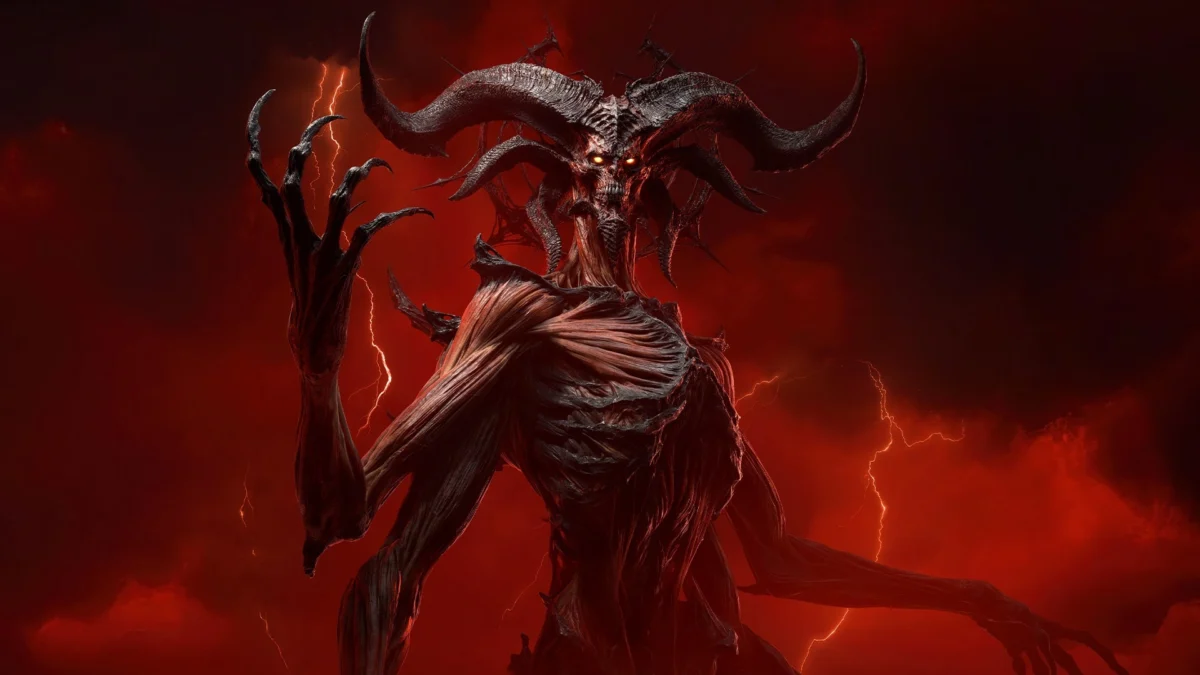
Blizzard Entertainment has unleashed "Diablo 4: Lord of Hatred," an expansion that critics are hailing as a monumental achievement, not only wrapping up the initial arc of Diablo 4 with breathtaking narrative finality but also fundamentally enriching its core gameplay. Released in 2026, the expansion is being lauded as one of Blizzard’s finest works, setting a new benchmark for the action-RPG genre and signaling a robust future for Sanctuary.
From its compelling storyline to its innovative gameplay systems and richly designed new region, "Lord of Hatred" has delivered on the immense anticipation surrounding it. For many, Diablo 4 already stood out in the ARPG landscape for its unparalleled game feel and production value, but its live service elements and initial expansion, "Vessel of Hatred," had faced scrutiny. This latest offering, however, appears to have definitively turned the tide, solidifying Diablo 4’s position as a titan in the genre.
The Journey to Hatred: Contextualizing a Comeback
The road to "Lord of Hatred" has been one of both triumph and challenge for Diablo 4. Upon its initial release, the game garnered widespread praise for its dark, gothic atmosphere, visceral combat, and stunning visuals. Its core mechanics and cinematic presentation were lauded as industry-leading, drawing millions of players into the eternal conflict between Heaven and Hell.
However, the game’s live service model faced criticism. Players voiced concerns over seasonal content, monetization strategies, and the perceived lack of substantial innovation in some updates. The first expansion, "Vessel of Hatred," while introducing the acclaimed Spiritborn class, was largely seen as a missed opportunity narratively. Its campaign was described by some as feeling more akin to a lengthy side quest, doing little to significantly advance the overarching story and leaving many players yearning for more substantive narrative progression.
This mixed reception placed considerable pressure on Blizzard to deliver an impactful follow-up. The one-year gap between "Vessel of Hatred" and "Lord of Hatred" allowed the development team ample time to reflect, iterate, and respond to player feedback. The anticipation for "Lord of Hatred" was therefore not just for new content, but for a true vindication of Diablo 4’s potential and a definitive statement from Blizzard regarding its commitment to the game’s long-term quality. Early reviews suggest that this eagerly awaited "comeback" has been resoundingly successful, with the expansion being hailed as a profound evolution of the Diablo 4 experience.
A Narrative Masterpiece Unveiled: The Climax of Sanctuary’s Struggle
"Lord of Hatred" picks up directly after the events of "Vessel of Hatred," thrusting players back into the desperate search alongside Neyrelle. Her continued quest to prevent Mephisto, the eponymous Lord of Hatred, from escaping the soulstone he was precariously trapped in at the conclusion of the original Diablo 4 campaign forms the central pillar of this expansion’s narrative. This is not merely a continuation; it is a meticulously crafted conclusion that promises to leave an indelible mark on Diablo lore.
The Arc of Redemption and Revelation
The campaign of "Lord of Hatred" is being celebrated as the most exciting and eventful of the three narrative segments released for Diablo 4 thus far, drawing comparisons to the best storylines seen in Diablo 3. What distinguishes this campaign is its relentless pace and unwavering focus; there is virtually no narrative "fluff." Every moment feels purposeful, a stark contrast to the often-criticized meandering plot points of "Vessel of Hatred." This streamlined approach underscores a deliberate effort by Blizzard to deliver a tight, impactful story that respects players’ time and investment.
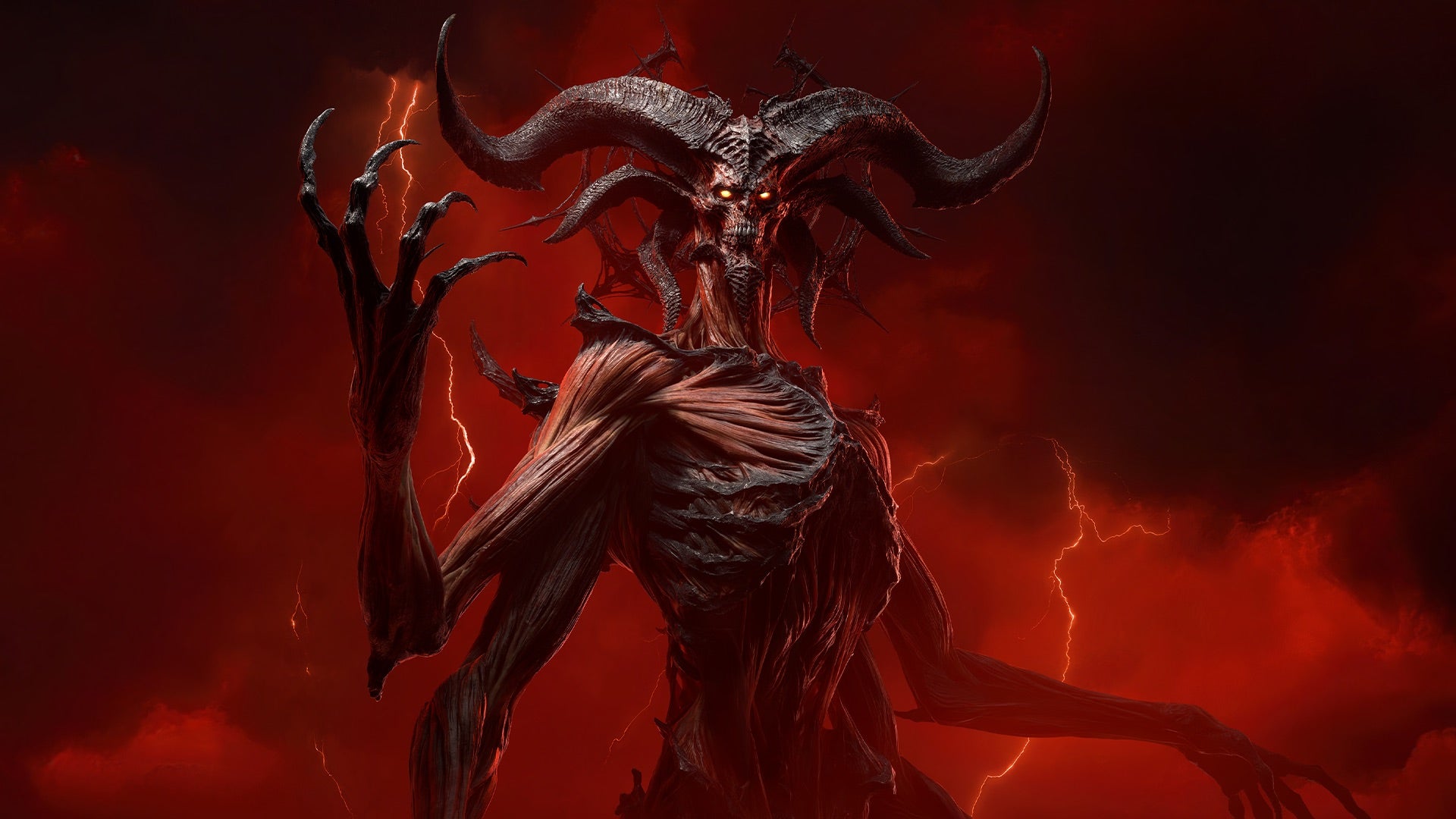
A significant strength of "Lord of Hatred" lies in its masterful reintroduction and evolution of key characters from the main game. These familiar faces return, not as static entities, but as individuals whose arcs have progressed, or are re-examined entirely. The most compelling of these returns is undoubtedly Lilith, who remains one of Diablo 4’s most intriguing figures. Her appearance in "Lord of Hatred" is not a simple retread; it is a nuanced exploration of a character who, having lost much of her power, reveals a previously unseen vulnerability and complexity. Her motivations, while consistent with her established character, are presented through a new lens, allowing for a deeper understanding of her actions and philosophy. This iteration of Lilith feels more aligned with the compelling, multifaceted antagonist many players hoped for by the end of Diablo 4’s initial campaign.
Unforgettable Spectacle and Emotional Resonance
Beyond its compelling plot, "Lord of Hatred" excels in its presentation. The expansion features some of the most spectacular cinematics Blizzard has ever produced. These are not just visually stunning; they are deeply emotive, showcasing exceptional acting, precise direction, and expert shot composition. Moments within these cinematics are described as ranging from heartbreakingly emotional to triumphantly exhilarating, elevating the narrative beyond simple exposition. For players who typically skip cutscenes in ARPGs, "Lord of Hatred" presents a strong argument for active engagement, promising a narrative experience that is truly worth witnessing unfold. The seamless integration of story and presentation ensures that the emotional stakes of Sanctuary’s struggle are felt acutely, making the player’s journey intensely personal and impactful.
A Boss Battle for the Ages
The expansion culminates in a final boss encounter that is already being hailed as a benchmark for action-RPGs. This isn’t merely a test of skill; it’s a meticulously designed confrontation that serves as a well-realized culmination of the mechanics and themes explored throughout the campaign. Its inventive mechanics challenge players in new and unexpected ways, ensuring that the grand finale is not only memorable but also a truly satisfying capstone to the entire Diablo 4 narrative arc. The sense of finality delivered by "Lord of Hatred" is palpable; it is a story that isn’t afraid to "kill its darlings" and conclude with a definitive resolution, signifying the closure of the saga that began with Diablo 4.
Skovos Isles: A New Frontier in Sanctuary
One of Diablo’s enduring strengths has always been its ability to craft diverse and evocative regions that intrinsically link to their narrative and character makeup. "Lord of Hatred" introduces the Skovos Isles, a distinct new destination that brings a refreshing aesthetic, unique sights, and ambient sounds to a world already rich in environmental variety.
Mediterranean Mystique and Lore
The Skovos Isles occupy what can be described as the Mediterranean region of Sanctuary. Blizzard’s environmental artists have liberally borrowed architectural and cultural elements from real-world locales, particularly the Aegean islands and various Greek provinces. This inspiration is evident in the red-tiled roofs, textured stucco walls, and intricate cobblestone streets that define Skovos’s settlements. One sub-region even features structures that bear a striking resemblance to ancient Greek parthenons, grounding the fantastical realm in a recognizable, yet uniquely Diablo-esque, aesthetic. This blend of the familiar and the arcane creates an immersive atmosphere that feels both ancient and deeply integrated into Sanctuary’s lore.

Beyond its visual significance, Skovos holds a unique and crucial place in Diablo’s overarching mythology. It is presented as the birthplace of humanity’s progenitors, the direct descendants of Lilith and Inarius. This revelation immediately elevates Skovos’s importance, marking its first appearance in any Diablo game as a pivotal moment for lore enthusiasts. The geographical and historical significance of the region ensures that every step taken within its borders carries weight and intrigue. Despite its landmass being somewhat smaller compared to other expansive regions in Diablo 4, Skovos boasts enough topographical and locational variety to prevent any sense of monotony, offering sustained exploration and discovery throughout the extensive review period.
The Amazons of Skovos: A Matriarchal Society
The people of Skovos are perhaps one of its most striking features, drawing inspiration from the legendary Amazons of DC Comics’ Themyscira, Wonder Woman’s birthplace. Much like their mythical counterparts, the Amazons of Skovos are depicted as a matriarchal society of formidable warrior maidens. This societal structure is not merely cosmetic; it plays a sizable and integral role in the events of the expansion, with their queen emerging as a central figure in the unfolding narrative. The presence of such a distinct culture further enriches the world-building, offering new perspectives on Sanctuary’s diverse inhabitants and their struggles against the encroaching darkness. The deep integration of the Amazons into almost every facet of "Lord of Hatred" ensures that Skovos feels like a living, breathing part of the world, rather than just a backdrop.
Forging New Legends: The Paladin and Warlock
"Lord of Hatred" introduces two new playable classes, each designed to offer distinct gameplay experiences and cater to different player fantasies. While the prominence of the Amazons in the narrative might have suggested their direct inclusion, Blizzard opted for a bold approach, delivering a complex hybrid alongside a beloved classic.
The Resurgent Paladin: A Shield Against Darkness
The Paladin’s arrival has been one of the most anticipated additions, having made a surprise "shadow-drop" several months prior to the expansion’s full release. This class finally fills a noticeable void in Diablo 4’s roster: a true "sword-and-board" archetype. For years, the game lacked a dedicated holy warrior capable of both tanking and dishing out justice, a role historically championed by the Paladin and its Crusader off-shoot from Diablo 3.
The Diablo 4 Paladin masterfully blends classic elements with fresh mechanics. While embodying the traditional holy warrior fantasy, it also cleverly borrows certain skills from Amazons of past Diablo games, adding a layer of agility and ranged prowess to its repertoire. Furthermore, one of its variants even incorporates Angelic moves, further cementing its role as a divine champion. The Paladin offers a robust, defensive, yet impactful playstyle, providing players with the satisfying experience of standing firm against hordes of demons, smiting evil with righteous fury and unwavering faith. Its presence brings a much-needed balance to the class ecosystem, catering to players who prefer a more direct and resilient combat approach.
The Demanding Warlock: Mastery of Dark Arts and Minions

In stark contrast to the Paladin’s classic appeal, the Warlock emerges as a truly innovative and demanding hybrid class. Visually, the Warlock embodies a distinct "edgy" aesthetic, reminiscent of a rebellious practitioner of forbidden arts. Its in-game lore further reinforces this image: a practitioner of dark magic unafraid to literally rip demons from Hell to do their bidding. This commitment to a unique identity extends directly into its gameplay.
The Warlock occupies the dual role of summoner and caster, a wretched spawn of Necromancer and Sorcerer, yet distinct from both. It demands a level of skill management that transcends the typical ARPG flow of cycling through ability rotations. Players must engage in strategic planning, tactically sacrificing certain minions to empower others, or using them to buff specific attacks and inform spellcasting. This intricate dance of minion control, sacrifice, and empowered magic creates a playstyle that is challenging but incredibly rewarding. When executed successfully, the Warlock offers a feeling of battlefield mastery unparalleled by other classes, allowing players to orchestrate devastating synergies and control the flow of combat with dark precision. This bold design choice reflects Blizzard’s willingness to experiment with complex mechanics, offering a deep and engaging experience for those seeking a high-skill ceiling.
Reinvigorating Sanctuary’s Endgame: Systems for Sustained Engagement
Beyond its captivating narrative and compelling new classes, "Lord of Hatred" introduces a suite of significant gameplay systems designed to fundamentally improve Diablo 4’s core experience and address long-standing player feedback regarding endgame longevity and build diversity.
Elevating Player Power and Customization
The expansion raises the level cap to 70, paving the way for significantly reworked and expanded talent trees across all classes. This overhaul isn’t just about adding more points; it’s about rebalancing and enhancing the depth of character customization. Crucially, many powerful abilities and passives that were previously locked behind Legendary gear have now been integrated directly into the skill trees, making them more accessible to all players and allowing for greater build freedom without relying solely on specific item drops. This change empowers players to experiment with diverse builds and achieve potent power spikes through skill point allocation.
The Talisman System: A New Layer of Progression
Building on the expanded talent trees, "Lord of Hatred" introduces the Talisman system. This new mechanic provides an additional avenue for players to acquire abilities and passive bonuses that offer serious boosts to fundamental character functions, such as the number of healing potions carried or the frequency of dodge maneuvers. The Talisman system encourages further specialization, allowing players to finely tune their characters’ utility and survivability, adding another meaningful layer to character progression beyond traditional gear.
Sets and Set Bonuses: The Return of Iconic Power

The expansion also reintroduces the concept of powerful item sets and their associated set bonuses. This highly anticipated return provides players with a new and exciting "chase" item category, encouraging dedicated farming and strategic gear acquisition. Set bonuses historically offer transformative effects that can define entire builds, and their re-implementation in "Lord of Hatred" promises to significantly diversify the meta and offer new pathways to achieving peak character power.
The Horadric Cube’s Return: Empowering Player Agency
Perhaps one of the most celebrated returning features is the iconic Horadric Cube. This legendary artifact, beloved by Diablo veterans, makes a triumphant return, offering players unprecedented agency over their loot. No longer are players entirely at the mercy of random drops; the Horadric Cube allows for the upgrading of item rarity and the tweaking of affixes through various recipes. This system directly targets a common "pain point" in ARPGs: hitting a ceiling where interesting gear becomes scarce. The Cube empowers players to refine existing items, transforming mediocre drops into potent pieces of equipment, and offering a tangible path to optimizing builds without solely relying on the elusive "Mythic Unique" items. Its inclusion is a testament to Blizzard’s understanding of player desires for more control and less reliance on pure RNG.
War Plans: Gamifying the Endgame Grind
Addressing the need for a more structured and rewarding endgame, "Lord of Hatred" introduces War Plans. This innovative system essentially gamifies the endgame experience, allowing players to create personalized "playlists" of their preferred endgame activities. These completed plans feed into dedicated progression trees for each activity type, existing beyond the individual dungeon or run. Successfully completing a War Plan playlist offers extra rewards, augmenting whatever loot and experience players earn from each individual activity. This system provides a clear sense of progression, purpose, and additional incentives for engaging with the endgame content, helping to alleviate the feeling of aimless grinding that can sometimes plague ARPGs.
Blizzard’s Strategic Vision and Execution
The overwhelming positive reception to "Lord of Hatred" is a clear indicator of Blizzard’s strategic success in responding to player feedback and meticulously refining the Diablo 4 experience. The expansion demonstrates a deep understanding of what players value most: a compelling narrative, diverse and engaging gameplay, and meaningful progression systems.
Blizzard’s decision to dedicate a significant period to development after "Vessel of Hatred" allowed for a comprehensive re-evaluation of the game’s direction. The integration of previously Legendary-locked powers into skill trees, the reintroduction of the Horadric Cube, and the innovative War Plans system all directly address player concerns about build diversity, loot acquisition, and endgame structure. This expansion signals Blizzard’s proactive commitment to not just maintaining, but continuously evolving Diablo 4, solidifying its position as a live-service game that actively listens to and rewards its community. The quality of "Lord of Hatred" suggests a deliberate effort to regain trust, showcase design prowess, and ultimately, secure Diablo 4’s place as a cornerstone of the ARPG genre.
Implications for the Future of Diablo 4
"Diablo 4: Lord of Hatred" accomplishes the near-impossible task of delivering a game-changing expansion that fundamentally improves on the core of Diablo 4, while simultaneously providing a weighty narrative conclusion that brilliantly balances spectacle with emotional heft. Its impact is far-reaching, with significant implications for the future of the game and the ARPG genre as a whole.

This expansion has immediately set a new benchmark for what players can expect from ARPG add-ons. Its comprehensive improvements across narrative, world-building, class design, and endgame systems position it as a standard-bearer for future content. By addressing past criticisms head-on and delivering such a high-quality product, "Lord of Hatred" has undoubtedly secured Diablo 4’s legacy, moving it beyond the initial launch controversies and previous expansion’s lukewarm reception.
The critical and likely commercial success of "Lord of Hatred" is expected to lead to a significant re-engagement of lapsed players and a deepening of commitment from existing fans. The rich content and improved systems offer compelling reasons for players to return to Sanctuary and invest hundreds more hours into its evolving world. For Blizzard, this success provides a clear roadmap for future content development, reinforcing the importance of narrative depth, meaningful class design, and innovative endgame solutions. The "Lord of Hatred" not only concludes an arc but also opens the door to exciting new possibilities for the world of Sanctuary, promising a vibrant and continually evolving experience for years to come.
Reviewed on PC, code provided by publisher.



 Sagoh
Sagoh