Siti Muinah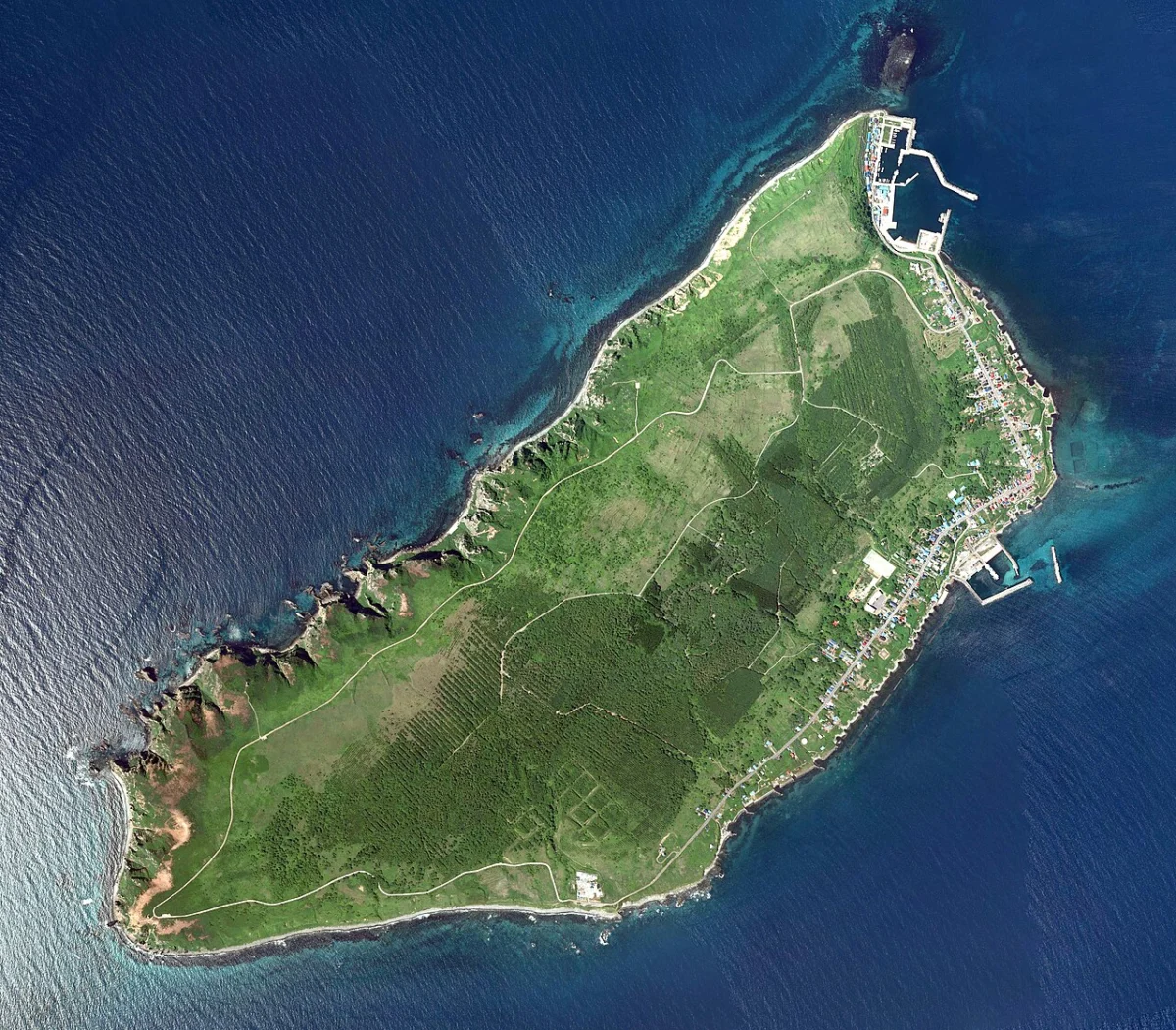
Two hundred kilometers north of Sapporo, where the jagged coastline of Hokkaido meets the icy expanse of the Japan Sea, lies the fishing port of Haboro. While it may appear to be an unassuming, quiet coastal town, it serves as the gateway to a natural phenomenon of international significance. Just twenty kilometers offshore, where the nutrient-rich Tsushima Current collides with the continental shelf, two islands—Teuri and Yagishiri—host the largest concentrated seabird breeding colony in Japan.
For the uninitiated, these islands are a remote, rugged destination. For the serious ornithologist, the nature photographer, and the seasoned traveler, they represent a rare, untouched wilderness. This is a journey into the periphery of Japan, where the rhythm of life is dictated not by the bustle of Tokyo’s transit lines, but by the nesting cycles of 800,000 rhinoceros auklets.
Main Facts: A Haven for Avian Life
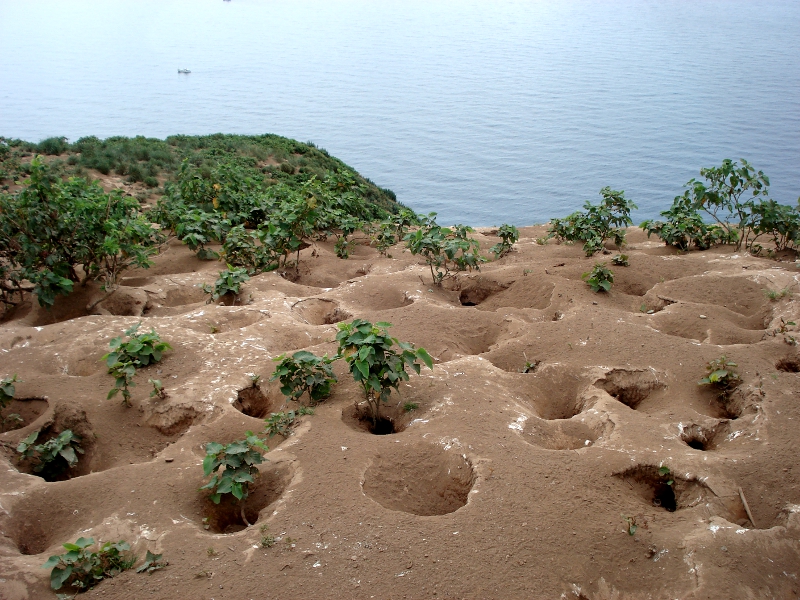
The Teuri and Yagishiri islands, managed under the jurisdiction of the Hokkaido Seabird Center, serve as a vital ecological anchor in the North Pacific. The sheer density of avian life here is staggering. Every spring, approximately 800,000 rhinoceros auklets (Cerorhinca monocerata) descend upon the basalt cliffs of Teuri.
The biodiversity, however, extends far beyond a single species. Teuri is a critical habitat for eight other seabird species, including common murres, pelagic cormorants, spectacled guillemots, and black-tailed gulls. The islands’ basaltic geology, characterized by dark lava flows interspersed with softer, erodible tuff, provides the perfect architecture for nesting—overhangs, cavities, and turf-topped cliffs that have been occupied for centuries.
Chronology of a Conservation Landmark
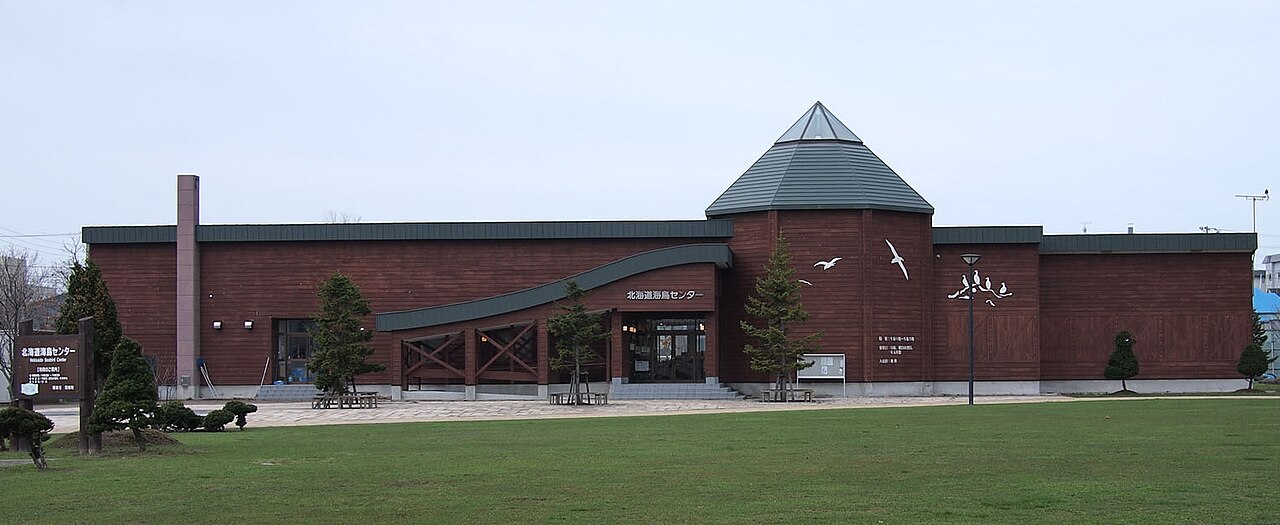
The formalization of the region as a conservation stronghold began in 1997 with the opening of the Hokkaido Seabird Center in Haboro. This facility serves as both a public museum and the operational headquarters for the Ministry of the Environment’s monitoring programs.
- 1970s–1980s: A period of ecological instability marked by the decline of tufted puffin populations, largely attributed to longline-fishery bycatch.
- 1997: The Hokkaido Seabird Center opens, signaling a shift toward active, data-driven protection and public education.
- 2010: The last confirmed breeding pair of tufted puffins is recorded, cementing the Center’s mission to prevent further species loss.
- Present Day: The Center facilitates ongoing research, monitoring, and sustainable tourism, balancing the needs of the local fishing industry with the protection of the fragile island colonies.
Supporting Data: The Logistics of Deep Travel
Navigating the Haboro-Teuri-Yagishiri corridor requires a commitment to logistics that few Japanese domestic destinations demand. The primary vessel for this journey is the Sunliner 2, operated by the Haboro Enkai Ferry.
Ferry and Access Metrics
- Summer Schedule (April–October): Three daily round-trips with 55-minute crossings to Yagishiri and 90-minute crossings to Teuri.
- Winter Schedule (November–March): Reduced to one or two daily round-trips, with high susceptibility to weather-related cancellations (25–40% probability).
- Pricing: Adult round-trip fares range from ¥3,040 for Yagishiri to ¥4,420 for Teuri. Fast jet-foil services are available during peak summer months at ¥6,440.
The mainland base of Haboro is accessible from Sapporo via a four-hour bus journey or a three-hour drive. For international travelers arriving via Tokyo, the total transit time to reach the Haboro port is typically six to seven hours, including a flight to New Chitose and ground transport.
The Experience: Beyond the Observation Deck
The Hokkaido Seabird Center is more than an office; it is a meticulously designed educational hub. Its centerpiece is a life-size reconstruction of a Teuri cliff-face breeding environment, featuring hollow plaster cliffs and realistic replica nests. The exhibit is enhanced by a sound-and-loop lighting system that simulates the dramatic dawn-and-dusk activity of the colony.
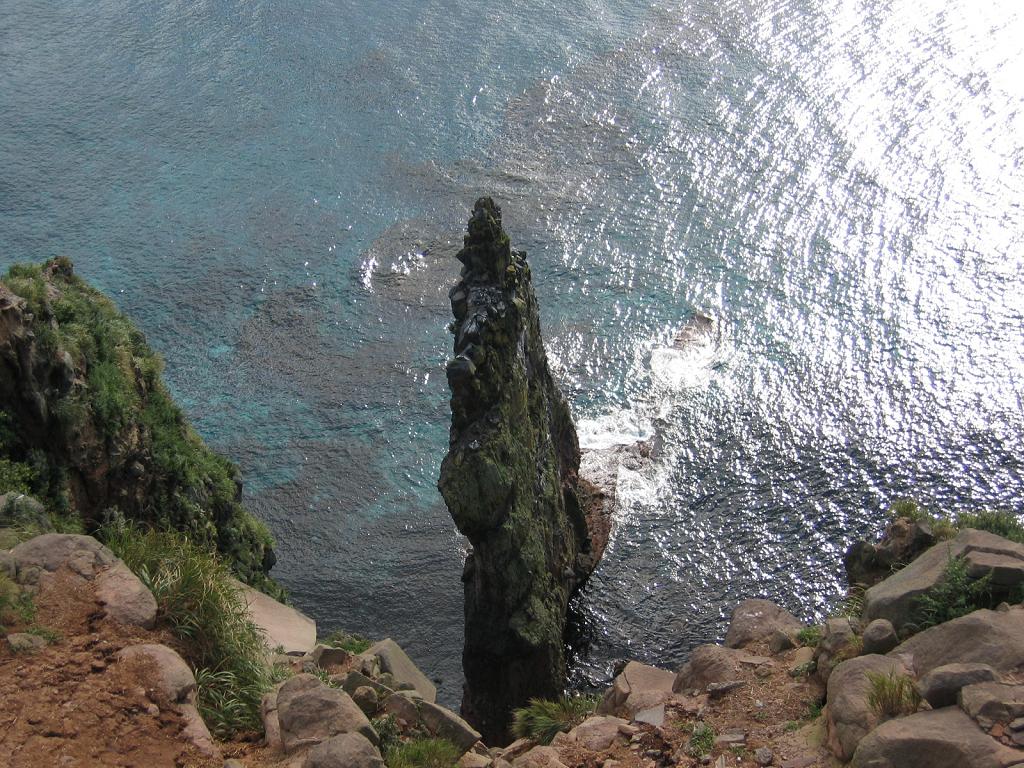
Teuri Island: The Auklet Epicenter
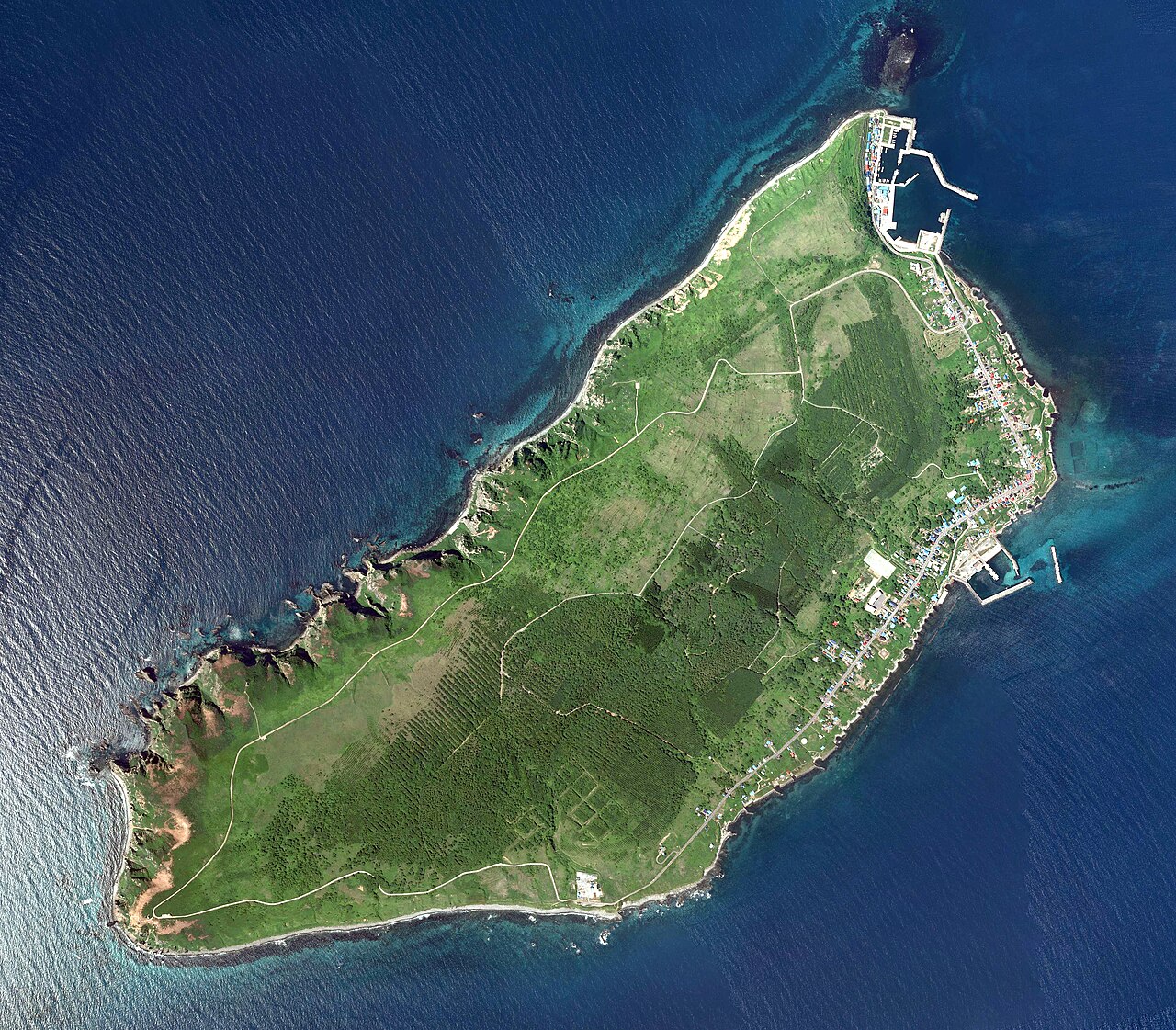
Teuri is the smaller, more bird-centric of the two islands. Spanning just 12km in circumference, its northwestern coast consists of a 2km continuous wall of seabird cliffs. The highlight for any visitor is the "dusk return"—a 30 to 45-minute spectacle where thousands of rhinoceros auklets return from their daily fishing expeditions, navigating at high speed to their specific burrow entrances.
Visitors are encouraged to use the Akaiwa Observatory, an intentionally unlit viewing platform designed to minimize disturbance to the birds. Guided tours, priced at approximately ¥1,500–¥2,000, provide access to areas that remain off-limits to solo travelers to protect the integrity of the nesting sites.
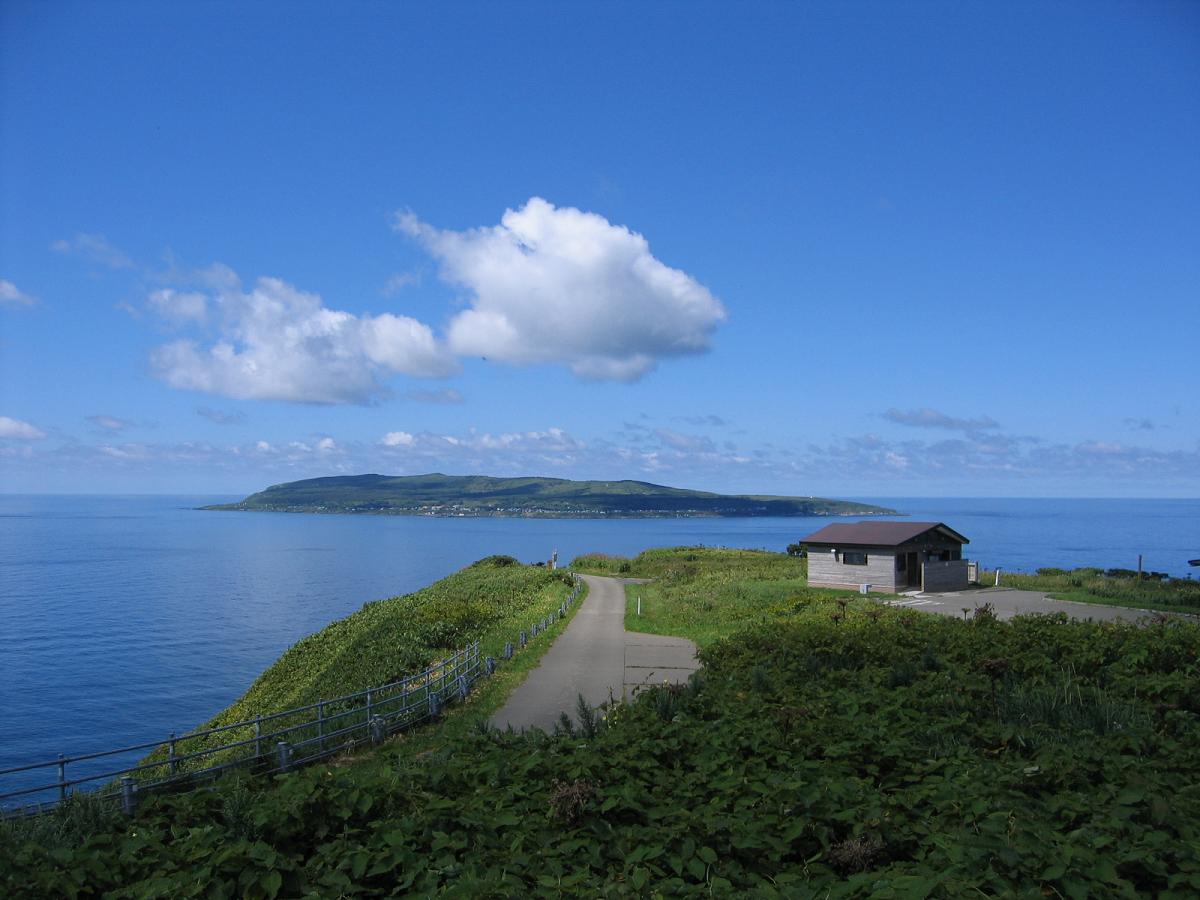
Yagishiri Island: The Hebridean Parallel
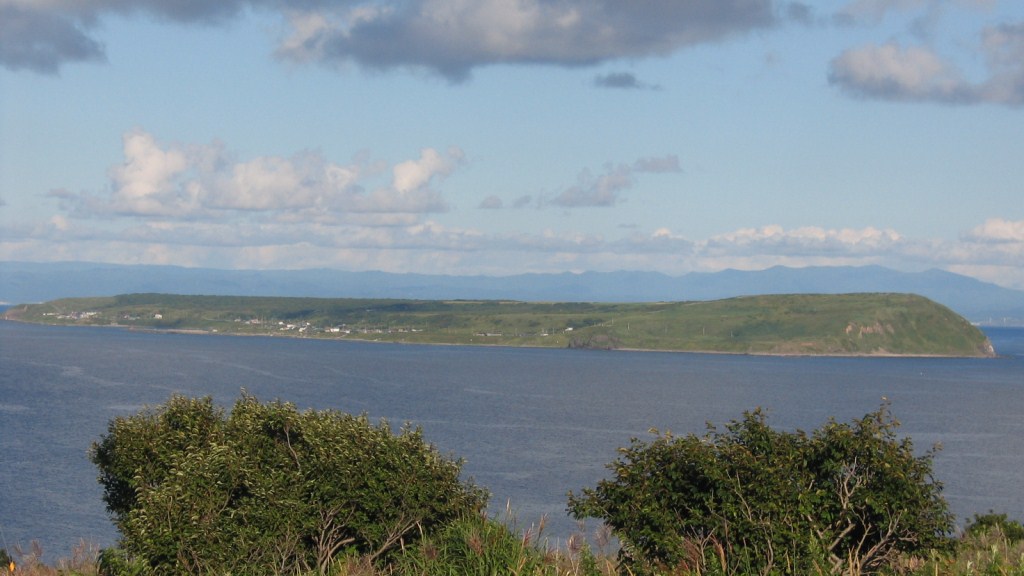
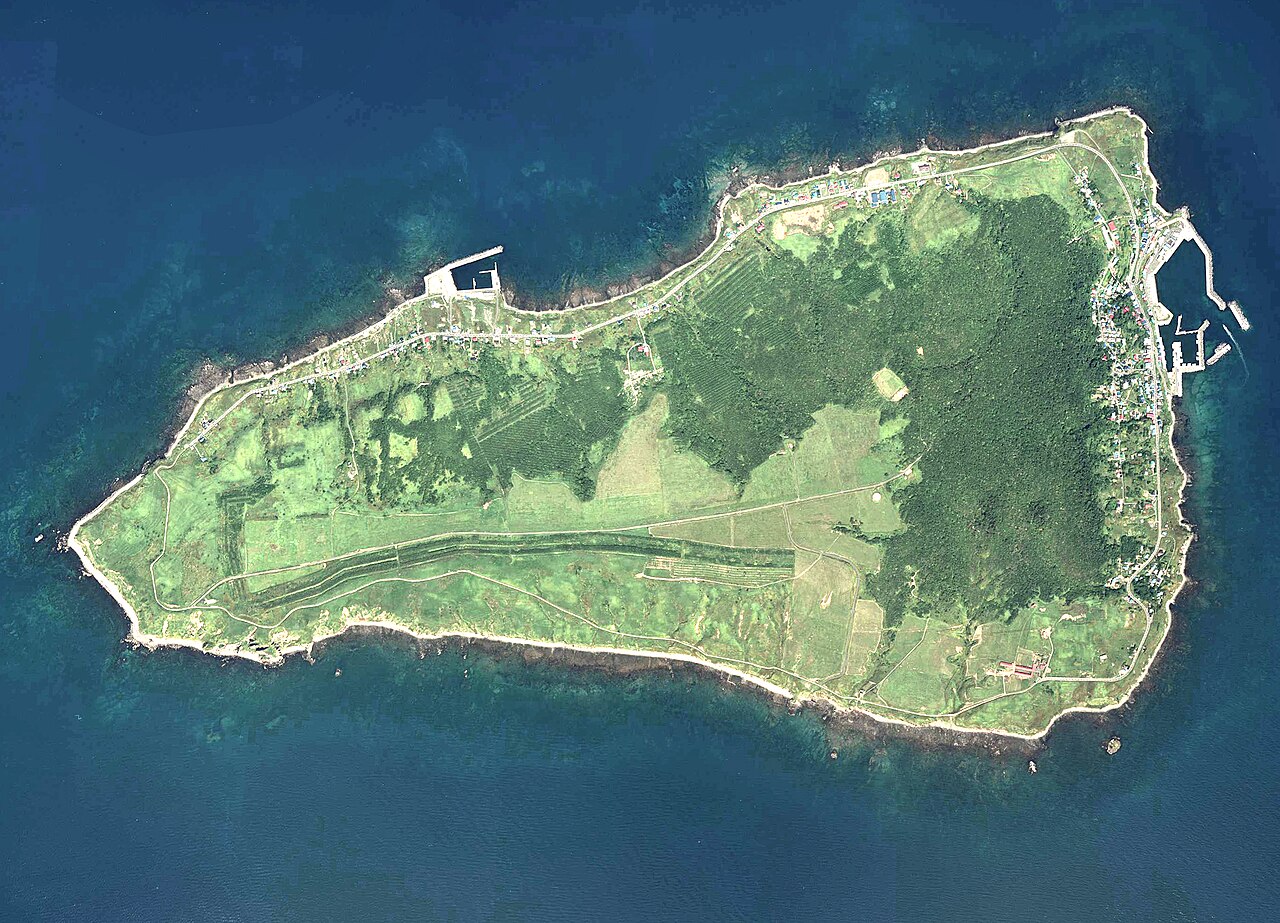
In contrast to the frantic activity of Teuri, Yagishiri offers a quieter, pastoral experience. With a population of roughly 230, the island is defined by its central primeval forest—the only northern-latitude broadleaf deciduous woodland in Japan. Surrounded by sheep-grazing meadows, the island evokes the aesthetic of the Scottish Hebrides. The Yagishiri Sheep Farm, the only commercial enterprise of its kind in Hokkaido, produces premium lamb that serves as a cornerstone of the island’s economy.
Official Perspectives: The Conflict of Coexistence
The Seabird Center serves as a mediator in one of the most complex environmental debates in the region: the friction between the traditional fishing industry and conservation mandates. Haboro’s economy relies heavily on the harvest of hokke (atka mackerel), ikura (salmon roe), and uni (sea urchin).
Ministry of the Environment officials and Center researchers openly acknowledge the historical impact of bycatch on seabird populations. Today, the Center works in direct partnership with the local fleet to develop and implement bycatch mitigation strategies. This is a rare, transparent example of a local government body, private industry, and environmental scientists working in tandem to ensure that the economic survival of the fishing village does not come at the cost of the islands’ ecological health.
Implications for Future Tourism
The Haboro-Teuri-Yagishiri experience is not designed for the mass-market tourist. It is, by definition, a "deep-travel" destination.
Why the Trip Matters
- Ecological Literacy: The model provided by the Seabird Center proves that rural, depopulating areas can leverage their natural assets to create sustainable, high-value tourism that preserves, rather than exploits, the environment.
- Conservation Awareness: By documenting the collapse of the puffin population, the Center provides a sobering, essential lesson on the fragility of North Pacific ecosystems.
- The Value of the Peripheral: In an era of "over-tourism" in Kyoto and Tokyo, destinations like Teuri and Yagishiri offer a necessary alternative—a way to engage with the Japanese landscape that requires patience, respect, and a willingness to step off the beaten path.
Recommendations for the Serious Traveler
For those planning to make the journey, the following advice is paramount:
- Language Barrier: While the Center provides adequate English materials, the islands themselves are largely Japanese-speaking. Prepare for a degree of self-reliance.
- Seasonality: While summer is the most reliable time for ferry travel and bird activity, the shoulder seasons provide a more contemplative, if more difficult, experience.
- Respect the Rules: The "Night Guide" tours are not optional for the casual visitor; they are a necessary measure to ensure that human presence does not interfere with the delicate, high-speed flight patterns of the nesting auklets.
Ultimately, a visit to Haboro and its surrounding islands is a testament to the rewards of "slow travel." Whether it is the quiet solitude of the Yagishiri sheep pastures or the thunderous, wings-beating intensity of a Teuri dusk, this region stands as a poignant reminder that Japan’s true treasures often lie far beyond the reach of the Shinkansen. It is a destination that demands much, but for those who make the effort, it provides an encounter with the natural world that few other places on earth can replicate.


 Neng Nana
 Asro
Asro