Siti Muinah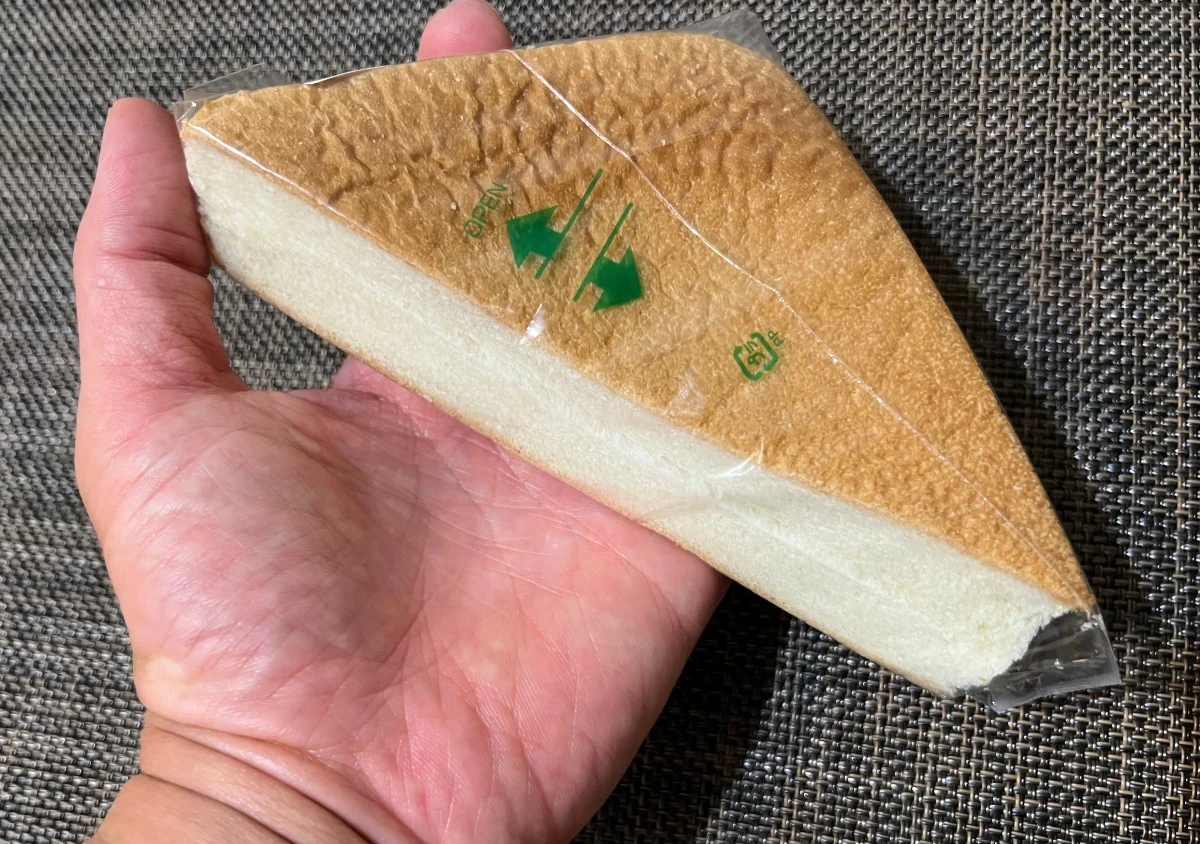
In the bustling urban sprawl of Tokyo, where the cost of living has become a formidable opponent for the average salaryman and student alike, a quiet, carbohydrate-fueled revolution is taking place. As inflation continues to squeeze household budgets, Japanese consumers are increasingly turning to creative "hacks" to maintain their quality of life without breaking the bank. At the forefront of this trend is a surprising initiative by the popular coffee chain Caffe Veloce, which has transformed a humble byproduct of its production line into a sought-after, ultra-budget-friendly snack.
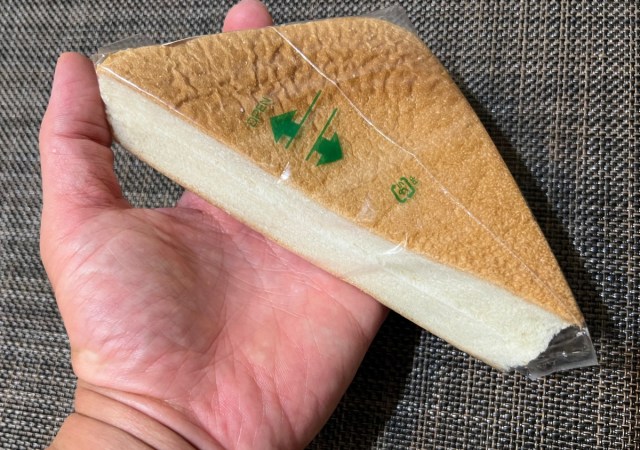
The product, known as Sumikko Pan (literally "corner bread"), consists of the crusts and end-pieces of white bread left over after the production of the café’s signature crustless sandwiches. While many businesses might view these remnants as mere refuse, Caffe Veloce has opted to package them for sale at the remarkably low price of 30 yen (approximately US$0.21). This initiative serves a dual purpose: it acts as a proactive food-waste reduction program while providing a tactical advantage to budget-conscious patrons navigating Japan’s inflationary landscape.
The Genesis of the "Sumikko Pan" Initiative
The concept of Sumikko Pan is rooted in the meticulous nature of Japanese culinary standards. For the iconic "sando" (sandwich) to meet the expectations of Japanese consumers, the crusts must be removed to ensure a uniform, soft texture. Historically, these bread ends were discarded, contributing to the broader issue of commercial food waste.
In recent months, however, as the global rise in commodity prices has caused the cost of flour and energy to surge, Caffe Veloce began re-evaluating its waste stream. Rather than simply disposing of the crusts, the chain started bundling these offcuts, branding them with a charming, cat-themed sign that reads, "Please help reduce food waste." The sign, accompanied by a cartoon cat lamenting "What a waste," has become a beacon for thrifty shoppers, signaling the availability of this secret-menu item.
Chronology: From Factory Floor to Consumer Hack
The discovery of the Sumikko Pan began as an anecdotal observation in the Shinjuku district. Following reports of the bread being sold, investigators found that the availability of these bags is highly localized and fluctuates based on the daily production volume of sandwiches at individual branches.
- Morning Production: Each morning, Caffe Veloce kitchens prepare fresh, crustless sandwiches. The trimming process yields a significant amount of high-quality, fresh crusts.
- Strategic Packaging: Rather than discarding these pieces, staff gather the ends, which share the same triangular geometry as the sandwiches themselves, and package them into small, affordable bags.
- The "Must-Buy" Requirement: To manage the popularity of the item and encourage the sale of standard menu items, the café mandates that Sumikko Pan be purchased alongside at least one other item, such as a standard tuna or ham sandwich.
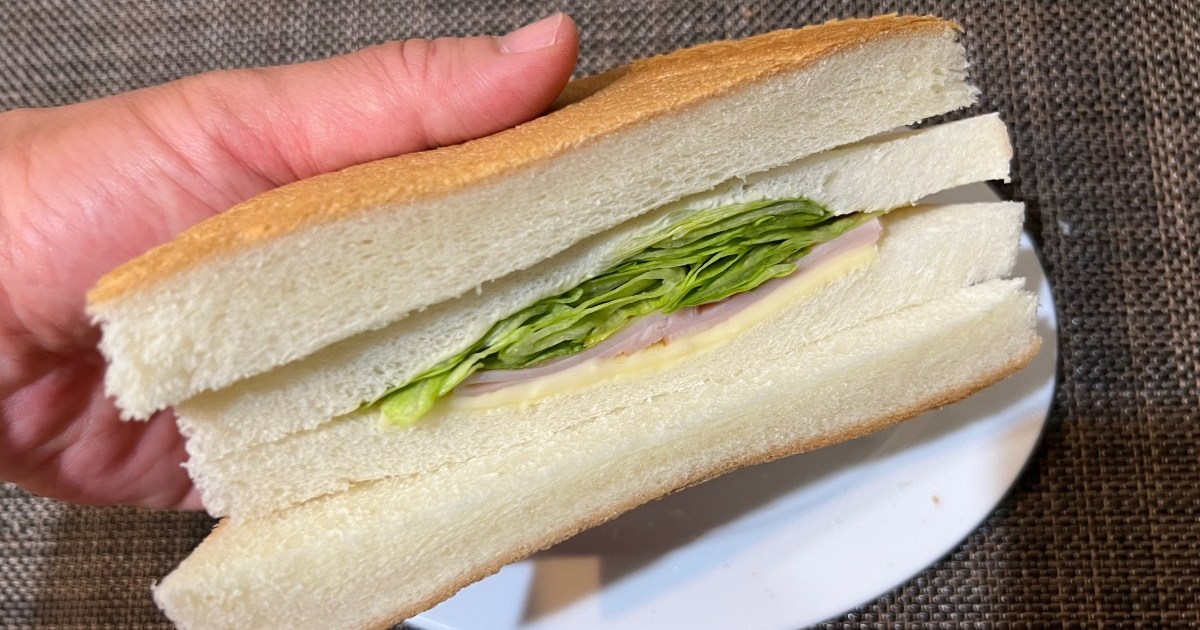
- The "Double-Decker" Innovation: Customers quickly realized that the shape of the crusts allows them to "sandwich" a regular pre-made sandwich between two pieces of the Sumikko Pan, effectively doubling the volume of the meal for a negligible increase in cost.
Supporting Data: Economic Efficacy and Consumer Value
To understand the economic impact of this hack, one must look at the math. A typical tuna and ham sandwich at Caffe Veloce costs approximately 330 yen. By purchasing the 30-yen bag of Sumikko Pan, a consumer can upgrade their lunch for a total of 360 yen.
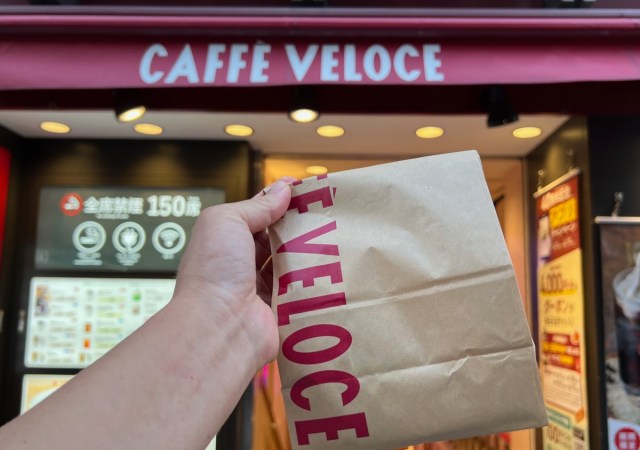
The resulting "sandwich-sandwich" is substantially more filling than the original offering. Because the Sumikko Pan consists of the hearty end-pieces of high-quality white bread, the nutritional volume—specifically the carbohydrate content—is doubled. For a demographic currently struggling with the "hidden" inflation that has plagued Tokyo’s food and beverage sector, this represents a significant value proposition. It allows the consumer to achieve satiety for under 400 yen, a price point that is becoming increasingly difficult to find in the heart of one of the world’s most expensive cities.
The Culinary Experience: A Texture-Driven Contrast
While the economic benefits are clear, the Sumikko Pan has also garnered attention for its unique sensory profile. The crusts possess a toasted, slightly firmer texture that contrasts sharply with the delicate, soft crumb of the standard sandwich bread.
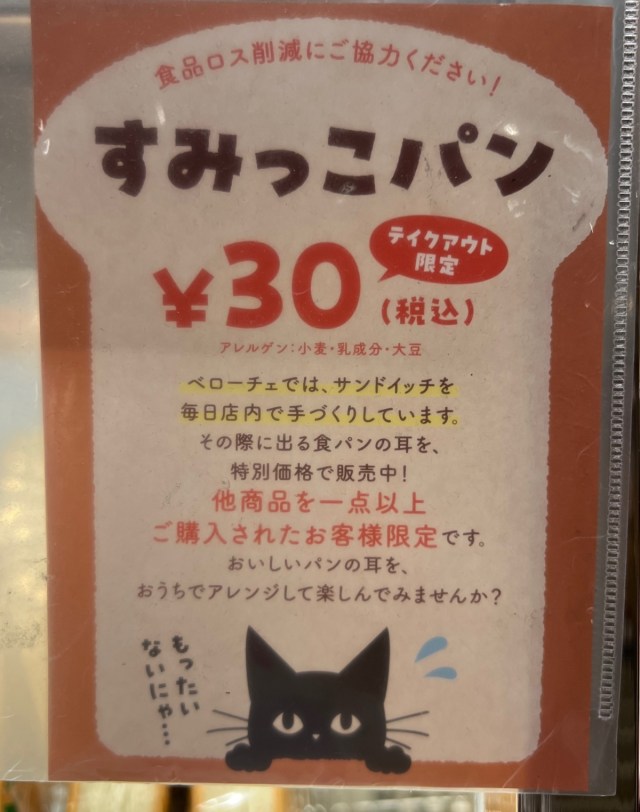
When a standard sandwich is placed between two crusts, the experience shifts. The consumer receives an initial hit of toasted, wheat-forward aroma from the crusts, followed by the pillowy softness of the inner layers. For bread connoisseurs, this is a distinct improvement over the standard, one-dimensional texture of a conventional sandwich. The fillings—typically ham, lettuce, or cucumber—are elevated from the primary focus to a savory center, allowing the quality of the bakery-style bread to take center stage.
Official Stance and Corporate Responsibility
Caffe Veloce’s management has framed the Sumikko Pan initiative as a cornerstone of their sustainability efforts. By monetizing what was previously waste, the company is effectively lowering its overhead costs related to waste disposal while simultaneously building brand loyalty among a demographic that prioritizes ethical consumption.
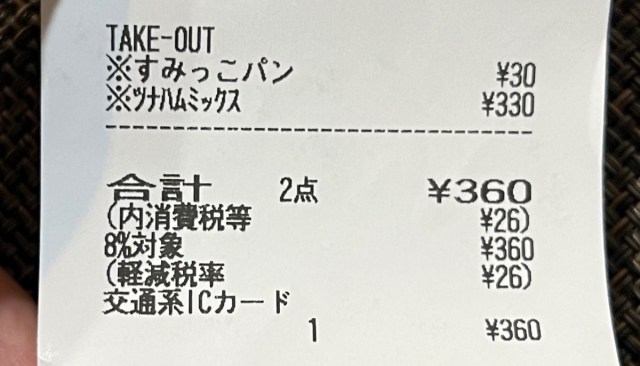
The move aligns with Japan’s broader "Mottainai" culture—a term that expresses regret over waste and advocates for the respectful use of resources. By explicitly labeling the product as a food-waste reduction tool, Caffe Veloce has successfully gamified the act of being environmentally conscious. It is no longer just a "cheap" purchase; it is a moral choice that allows the customer to feel they are contributing to the solution of a national waste problem.
Implications for the Future of Retail
The success of the Sumikko Pan raises questions about the future of fast-casual dining in an inflationary environment. Can other chains replicate this model?
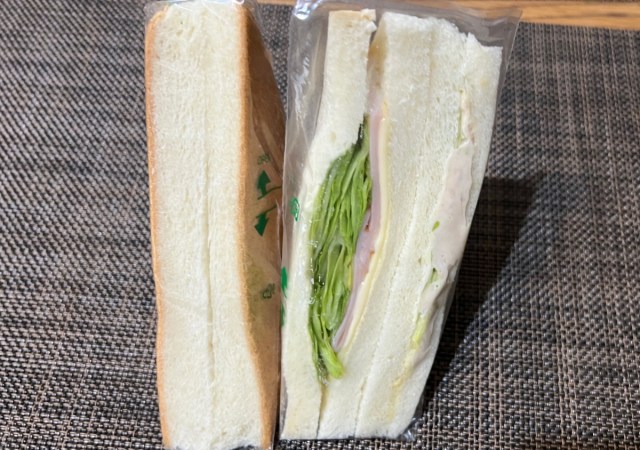
- Supply Chain Logistics: The primary challenge for scaling this initiative is the inconsistency of production. Because the crusts are a byproduct, supply is tethered strictly to the sales volume of the sandwiches. If the cafe sells fewer sandwiches, there is less Sumikko Pan available.
- Quality Control: Standardizing the packaging of "waste" items requires careful monitoring to ensure that food safety standards remain high. Caffe Veloce’s success lies in the fact that the bread is fresh, daily-produced inventory, not day-old leftovers.
- The "Secret Menu" Effect: The aura of exclusivity surrounding the Sumikko Pan—due to its limited availability and "hidden" nature—has turned it into a viral sensation on social media. This organic marketing is invaluable to the brand, as it targets younger, digitally savvy consumers who enjoy the "thrill of the hunt" for bargains.
A Global Context: The Evolution of the "Toast Sandwich"
The phenomenon of the "sandwich-sandwich" is not entirely new. Historically, the British "Toast Sandwich"—a slice of toast placed between two slices of bread—dates back to the Victorian era, serving as a cheap, filling meal for the working class.
However, the Japanese iteration observed at Caffe Veloce is an "upgraded" version. By using a pre-filled, high-quality sandwich as the "filling" for the bread crusts, the consumer is not just eating bread; they are creating a bespoke, multi-layered culinary creation. It is a testament to Japanese ingenuity that even in a time of economic belt-tightening, the focus remains on enhancing the experience rather than just minimizing the cost.
Conclusion: A Strategy for the Modern Era
As Tokyo continues to grapple with the pressures of rising costs, the Sumikko Pan stands as a symbol of resilience. It is more than just a 30-yen bargain; it is a tactical response to a changing economic landscape. By leveraging the intersection of sustainability, waste reduction, and culinary creativity, Caffe Veloce has provided a blueprint for how businesses can support their customers while simultaneously addressing the global imperative of food security.
For the diner, it is a reminder that value can be found in the most unexpected places—even in the scraps left behind. Whether you are a student, a worker, or simply a curious traveler, the next time you find yourself at a Caffe Veloce in Tokyo, keep an eye out for the black cat on the sign. It might just lead you to the most satisfying, and most economical, sandwich you will ever eat.


 Neng Nana
 Asro
Asro