Jia Lissa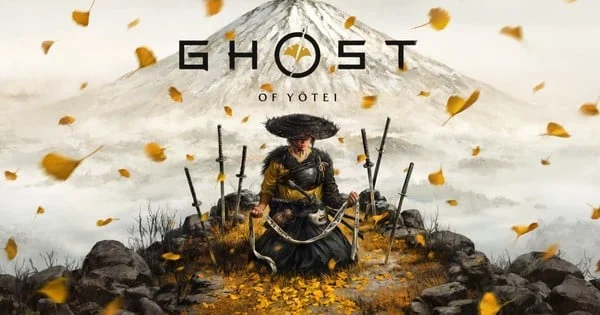
A significant recalibration of Sony Interactive Entertainment’s (SIE) game release strategy appears to be underway, with recent reports suggesting a decisive pivot away from PC releases for its critically acclaimed single-player titles. This potential shift, fueled by subtle but telling changes in official documentation and internal communications, signals a renewed focus on solidifying the PlayStation ecosystem as the definitive home for SIE’s narrative-driven, blockbuster experiences.
The speculation began to gain traction following the release of Sony’s annual report to the United States Securities and Exchange Commission (SEC). Observers noted the conspicuous absence of a crucial sentence present in the previous year’s document: "Sony plans to continue its efforts to deploy its first-party titles to multiple platforms such as PC." This omission, while seemingly minor, has been interpreted by industry analysts as a strong indicator of a strategic reevaluation, suggesting that the company is no longer publicly committing to expanding its exclusive single-player portfolio to the PC market.
Adding considerable weight to these observations, Bloomberg reporter Jason Schreier, a highly respected voice in the gaming industry, detailed insights gleaned from an internal SIE town hall meeting held on May 18th. During this gathering, Hermen Hulst, CEO of SIE’s Studio Business Group, reportedly conveyed a definitive message: SIE would no longer be releasing its single-player games on PC. This direct communication from a key executive has amplified concerns and expectations regarding the future exclusivity of PlayStation’s most coveted titles.
A Pattern of Shifting Priorities: The Precedent for Change
This latest development is not an isolated incident but rather the latest chapter in a series of indications that SIE’s approach to PC releases has been evolving. A prior Bloomberg report in early March had already flagged a potential alteration in SIE’s PC strategy, suggesting that plans for PC ports of upcoming titles like Ghost of Yōtei and other internally developed games had been reportedly scrapped.
According to sources cited in that earlier report, the exclusive treatment was slated to extend beyond Ghost of Yōtei. The anticipated title Saros was also reportedly earmarked to remain a PlayStation 5 exclusive. However, the same reports indicated that the company’s strategy for live-service and online-focused games might remain unchanged. Titles such as Marathon and Marvel Tokon, which are designed with ongoing multiplayer engagement in mind, are still expected to see PC releases, suggesting a nuanced approach that differentiates between single-player narratives and online-centric experiences.
Furthermore, games developed by external studios but published under the PlayStation banner, such as Death Stranding 2 and Kena: Scars of Kosmora, are still reportedly on track for PC releases this year. This distinction highlights that the potential exclusivity push appears to be primarily aimed at SIE’s internally developed, flagship single-player franchises, underscoring a desire to protect and leverage these valuable intellectual properties for the PlayStation platform.
The Unpredictability of the Industry and Sony’s Response
When approached for comment regarding these reports and the shifting strategy, a spokesperson for Sony reportedly declined to provide any official statement. This lack of direct confirmation or denial has only served to fuel further speculation within the gaming community and among industry analysts.
However, Bloomberg’s reporting also included a crucial caveat from its sources: the situation is fluid. The video game industry is notoriously unpredictable, with strategies subject to rapid change based on market dynamics, technological advancements, and competitive pressures. The sources cautioned that "Sony’s plans are constantly shifting," implying that while the current trajectory suggests a move towards greater exclusivity, this could theoretically be revisited in the future. This acknowledgment of industry volatility leaves a sliver of uncertainty, though the recent actions and communications paint a clear picture of the present direction.
A Legacy of Bringing Blockbusters to PC
The notion of SIE’s single-player games remaining exclusive to PlayStation represents a significant departure from its recent strategy. For several years, Sony had been increasingly porting its highly successful, narrative-driven titles to the PC platform, often years after their initial PlayStation release. This approach was seen as a way to recoup development costs, expand their reach to a wider audience, and cultivate goodwill among PC gamers who may not own a PlayStation console.

The trend began in earnest with the PC release of Horizon Zero Dawn in 2020. This was followed by a steady stream of acclaimed titles, including God of War (2018) and its sequel God of War Ragnarök, The Last of Us Part I, the immensely popular Ghost of Tsushima, and Insomniac Games’ Marvel’s Spider-Man series. These ports were generally well-received, offering enhanced performance, graphical fidelity, and broader accessibility for PC players, and often included features like unlocked frame rates and ultrawide monitor support, as seen with the PC release of Death Stranding: On the Beach.
The PC version of Death Stranding: On the Beach, for example, which launched on Steam and the Epic Games Store on March 19th, showcased the benefits of PC releases with features such as unlocked frame rates, ultra widescreen support, DualSense controller integration, and advanced upscaling and frame generation technologies. This demonstrates the technical and experiential advantages that PC ports can offer.
The Significance of Ghost of Yōtei and Death Stranding 2
The specific mention of Ghost of Yōtei as a title reportedly being kept off PC is particularly noteworthy. As the sequel to the critically acclaimed 2020 PlayStation hit Ghost of Tsushima, its exclusive release on PS5 in October 2025 would mark a significant moment in SIE’s commitment to platform exclusivity for its major single-player franchises. Ghost of Tsushima was a major success for PlayStation, both commercially and critically, and its sequel is expected to be a major system seller for the PS5.
Similarly, Death Stranding 2: On the Beach, the highly anticipated follow-up from Hideo Kojima’s Kojima Productions, which launched for PS5 in June 2025, also saw its PC release date of March 19th now cast in a different light. While the previous PC release of the first Death Stranding demonstrated SIE’s willingness to bring Kojima’s unique works to PC, the reported shift suggests that future titles from the studio, if they are considered core single-player PlayStation experiences, might not follow the same path.
Implications for the Gaming Landscape
This potential shift in strategy has profound implications for the broader gaming landscape. For PlayStation owners, it signifies a reinforced value proposition for the console. The promise of receiving Sony’s most prestigious single-player games first, and potentially exclusively, could be a powerful incentive for consumers to invest in the PlayStation ecosystem. This could lead to increased console sales and a more robust player base for PlayStation’s first-party titles.
Conversely, PC gamers may experience a sense of disappointment, particularly those who have come to rely on the eventual availability of PlayStation exclusives on their preferred platform. The loss of access to future narrative-driven masterpieces from studios like Naughty Dog, Insomniac Games, and Santa Monica Studio would undoubtedly be a significant blow. This could also lead to a reevaluation of the PC gaming market’s appeal for some developers and publishers who have benefited from the dual-platform release strategy.
The decision also raises questions about the long-term financial viability of Sony’s PC porting strategy. While these releases have generated revenue, the company may have concluded that the exclusivity of its flagship titles on PlayStation offers a greater return on investment by driving hardware sales and maintaining a premium brand image. The inherent costs associated with developing and maintaining PC versions, alongside potential cannibalization of console sales, might have factored into this strategic reassessment.
In conclusion, Sony Interactive Entertainment appears to be embarking on a significant strategic pivot, prioritizing the exclusivity of its single-player games on PlayStation. While official confirmation remains elusive, the subtle yet significant changes in corporate reporting and internal communications strongly suggest a future where titles like Ghost of Yōtei and potentially many others will remain firmly within the PlayStation ecosystem. This move, if fully realized, will undoubtedly reshape player expectations and redefine the competitive landscape between console and PC gaming for years to come. The industry will be watching closely to see how this strategy unfolds and what impact it has on both Sony’s business and the broader gaming community.


 Azzam Bilal Chamdy
 Raul Delapena Setiawan