Asep Darmawan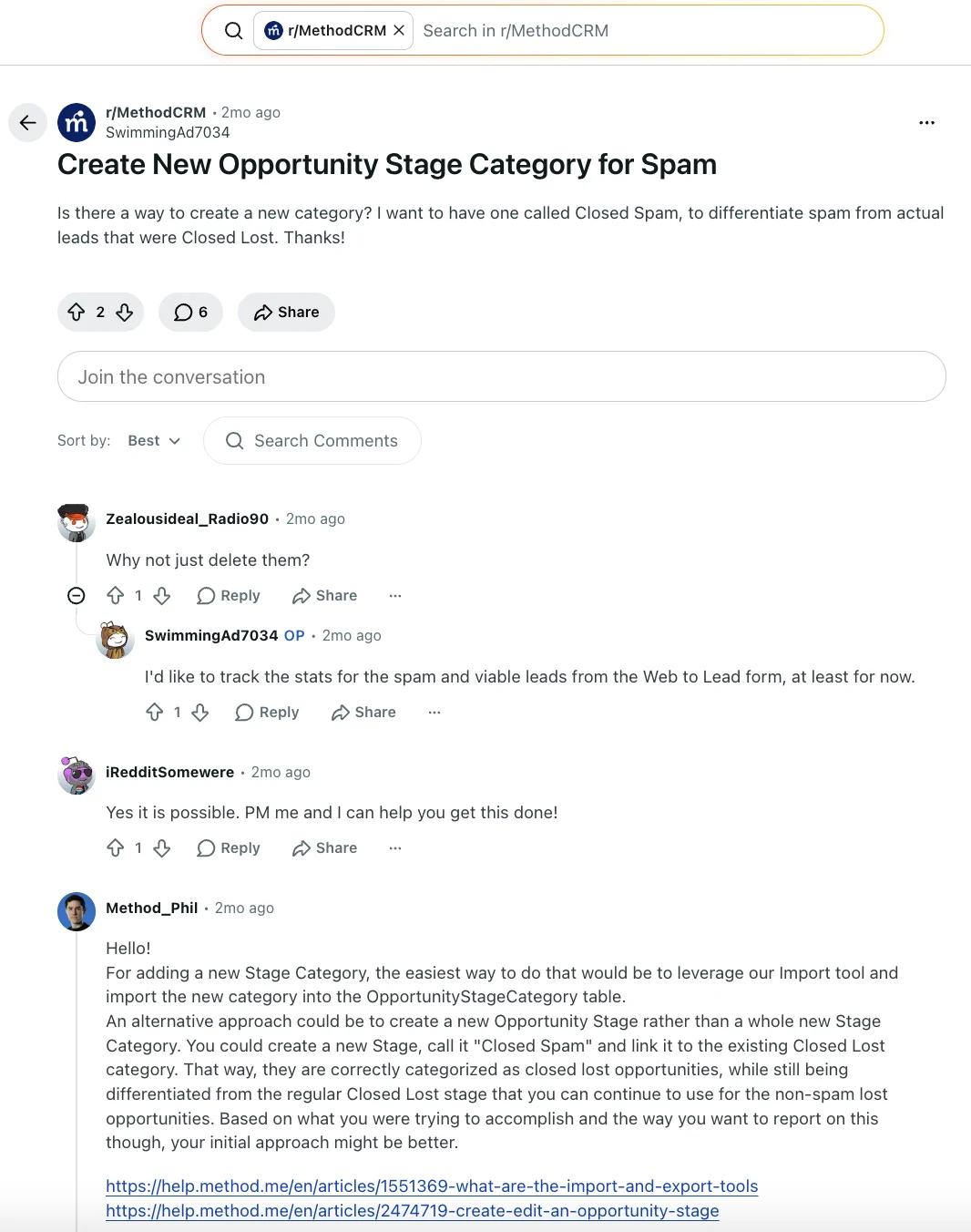
In the high-velocity landscape of 2026, the digital marketing playbook for Small and Medium-sized Businesses (SMBs) has undergone a tectonic shift. For years, the prevailing wisdom dictated that survival in the social ecosystem required an “always-on” approach—a relentless treadmill of viral trends, high-frequency posting, and a desperate chase for vanity metrics like raw view counts. However, as the digital saturation point deepens, the pendulum has swung back toward human-centric engagement.
The era of the "content factory" is over. In its place, we are witnessing the rise of the "community architect." Modern users are no longer looking for the next fleeting trend; they are seeking genuine connection, reliability, and authenticity. For SMBs, this transition is not just a challenge—it is their greatest strategic advantage.

Main Facts: The Authenticity Mandate
According to the 2025 Sprout Social Index™, the market has reached a critical inflection point. Authenticity and reliability have officially overtaken virality as the most valued traits in brand content. Data indicates that 60% of consumers are no longer impressed by brands that force their way into every trending audio clip or meme cycle. Instead, they crave depth.
For large enterprises, maintaining this level of "human" touch at scale is an operational nightmare. SMBs, however, possess an inherent advantage: their identity is built on lived experience. By leveraging a relatable, authentic voice, small businesses can foster deep-rooted loyalty that global corporations struggle to manufacture.
Chronology of the Shift
The transition toward community-led social media did not happen overnight. It is the culmination of several years of market evolution:
- 2023-2024: The "Creator Economy" boom brought a surge in professionalized content, leading to consumer fatigue. Audiences began to develop a "marketing radar," instinctively filtering out overly polished, corporate-styled advertisements.
- Early 2025: The Sprout Social Index identified a stark disconnect between brand output and consumer desire, highlighting that engagement rates were plummeting for accounts that prioritized trends over value-based content.
- Late 2025: Platforms began tweaking algorithms to favor "dwell time" and meaningful comment threads rather than just rapid-fire scrolling, rewarding accounts that facilitate conversation.
- 2026 (The Present): We have entered the era of the "Community-First" strategy. Success is now measured by the depth of interaction and the conversion of followers into brand advocates.
Supporting Data: The Power of Human-Generated Content
The 2026 Social Media Content Strategy Report underscores a singular truth: consumers want to see humans, not robots. While many marketers have turned to Artificial Intelligence to scale their content production, the irony is that AI-generated content is becoming the background noise of the internet.
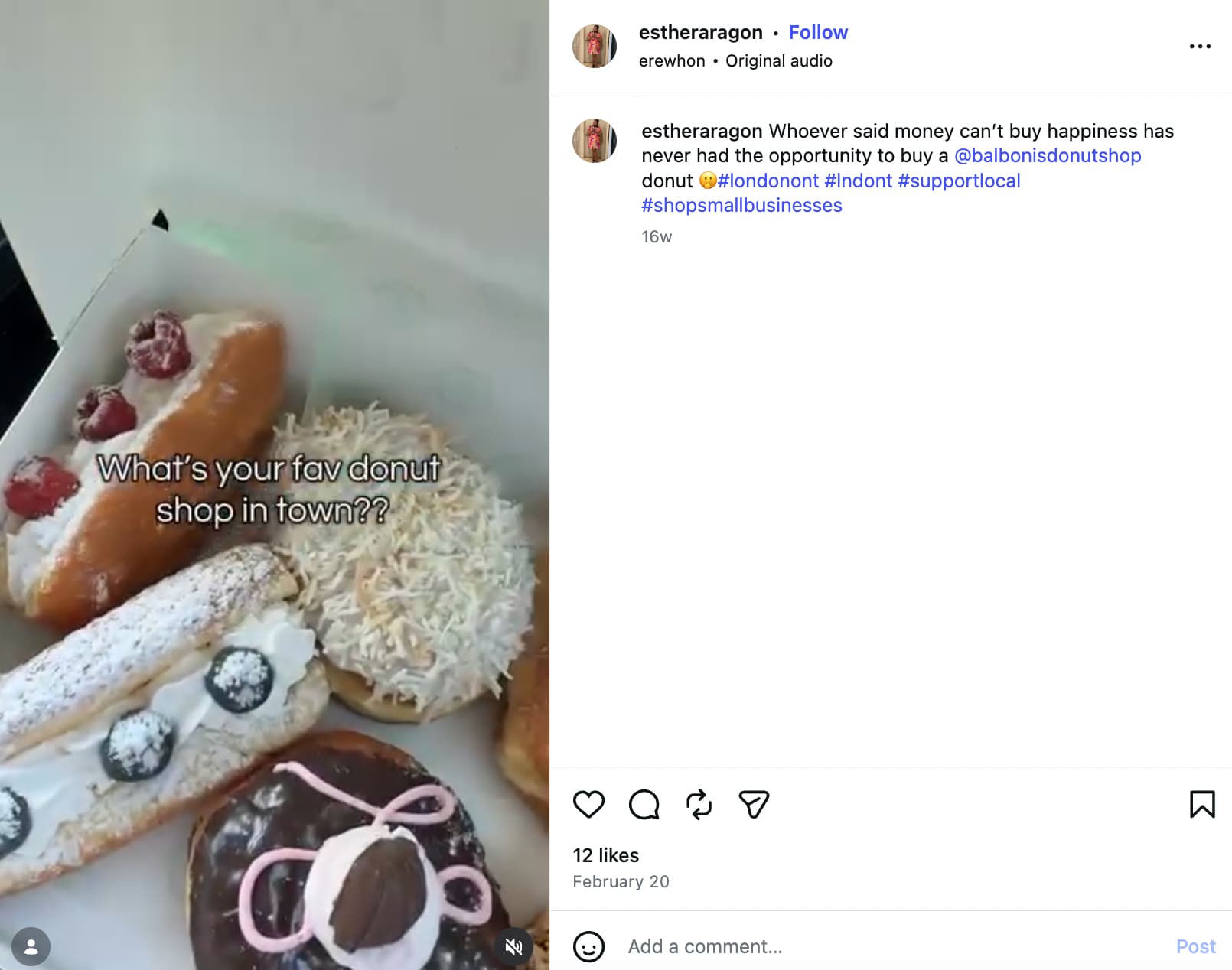
The most effective content today is User-Generated Content (UGC). Whether it is a local bakery being tagged in a customer’s story or a professional service provider answering questions in a niche forum, the social proof provided by a third party is exponentially more powerful than any paid ad campaign. When a customer advocates for a brand, they provide the trust that marketing dollars simply cannot buy.
Industry-Specific Strategies for Community Building
To understand how this shift manifests in real-world outcomes, we can examine eight distinct sectors that have mastered the art of digital community:
1. Food & Beverage: Balboni’s Donut Shop
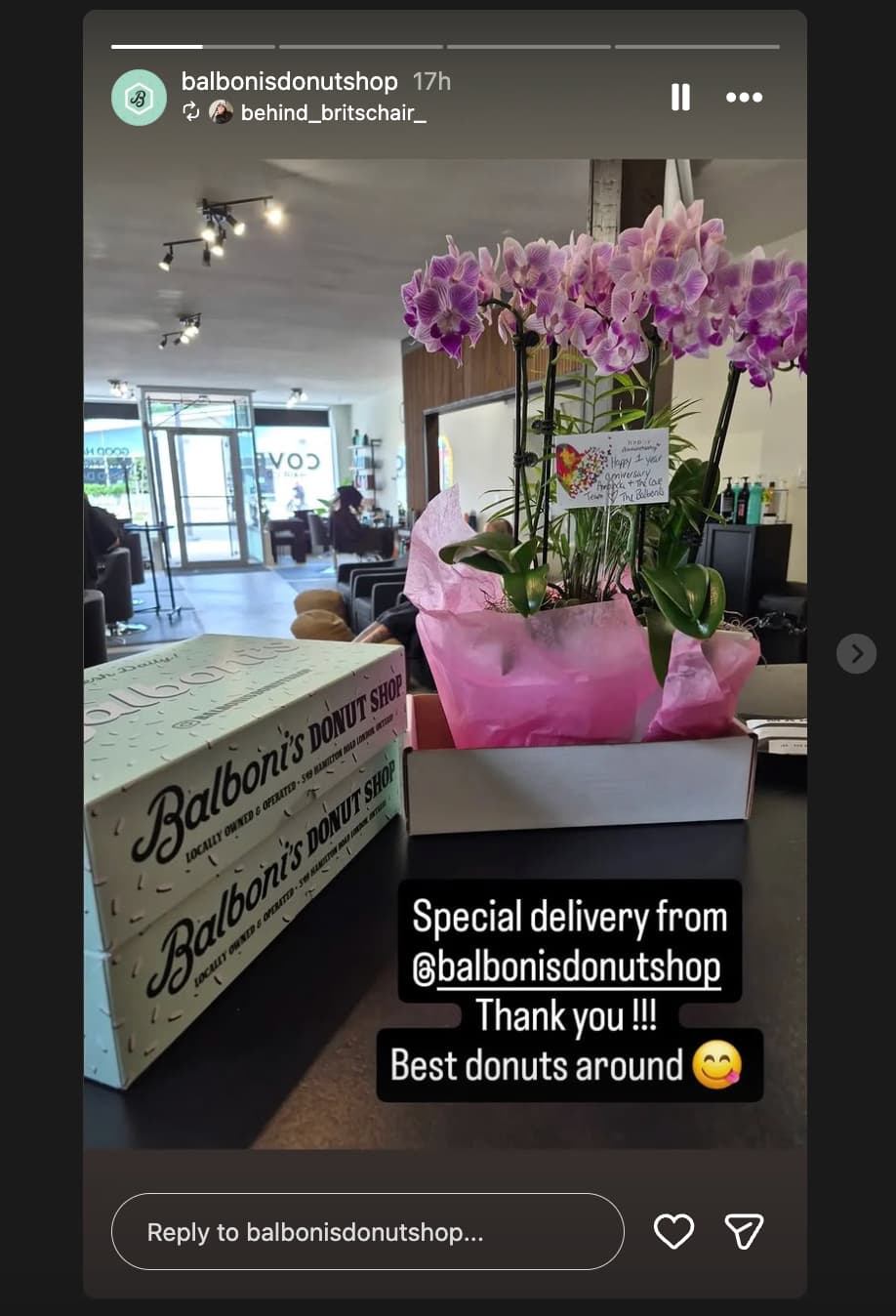
Balboni’s exemplifies the power of the "Repost Loop." By actively monitoring and resharing customer Instagram Stories, the shop creates a cycle of social proof. Each repost acknowledges the customer’s contribution and signals to the community that the business is listening. This has helped them grow to 11.4k followers—a significant milestone for a local business—by simply allowing their customers to do the talking for them.
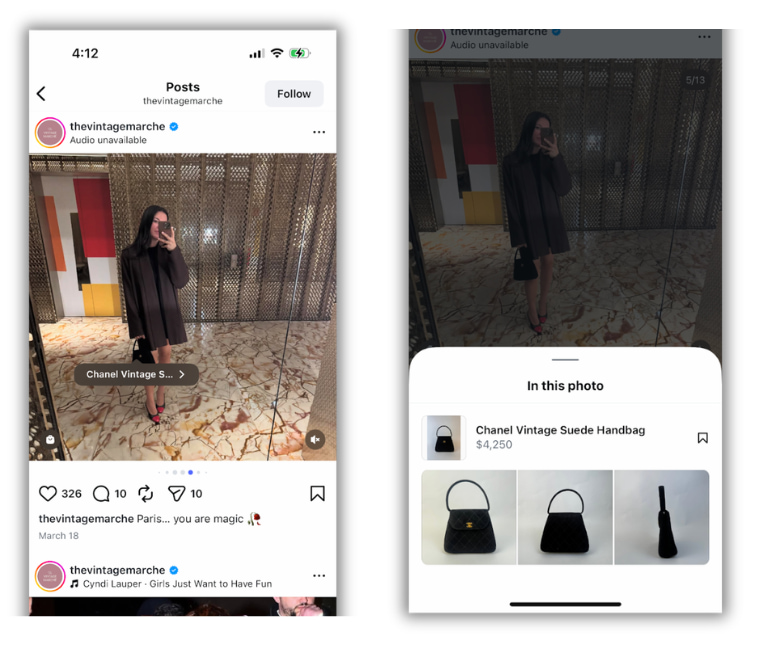
2. Retail: The Vintage Marché
For retail, the goal is to shorten the gap between inspiration and transaction. The Vintage Marché utilizes shoppable UGC, showing how real people style their vintage acquisitions. By tagging products directly in these photos, they remove the friction of the buying journey. A customer who sees a bag styled by an influencer or a staff member can go from "that looks great" to "I’m buying that" in two clicks.
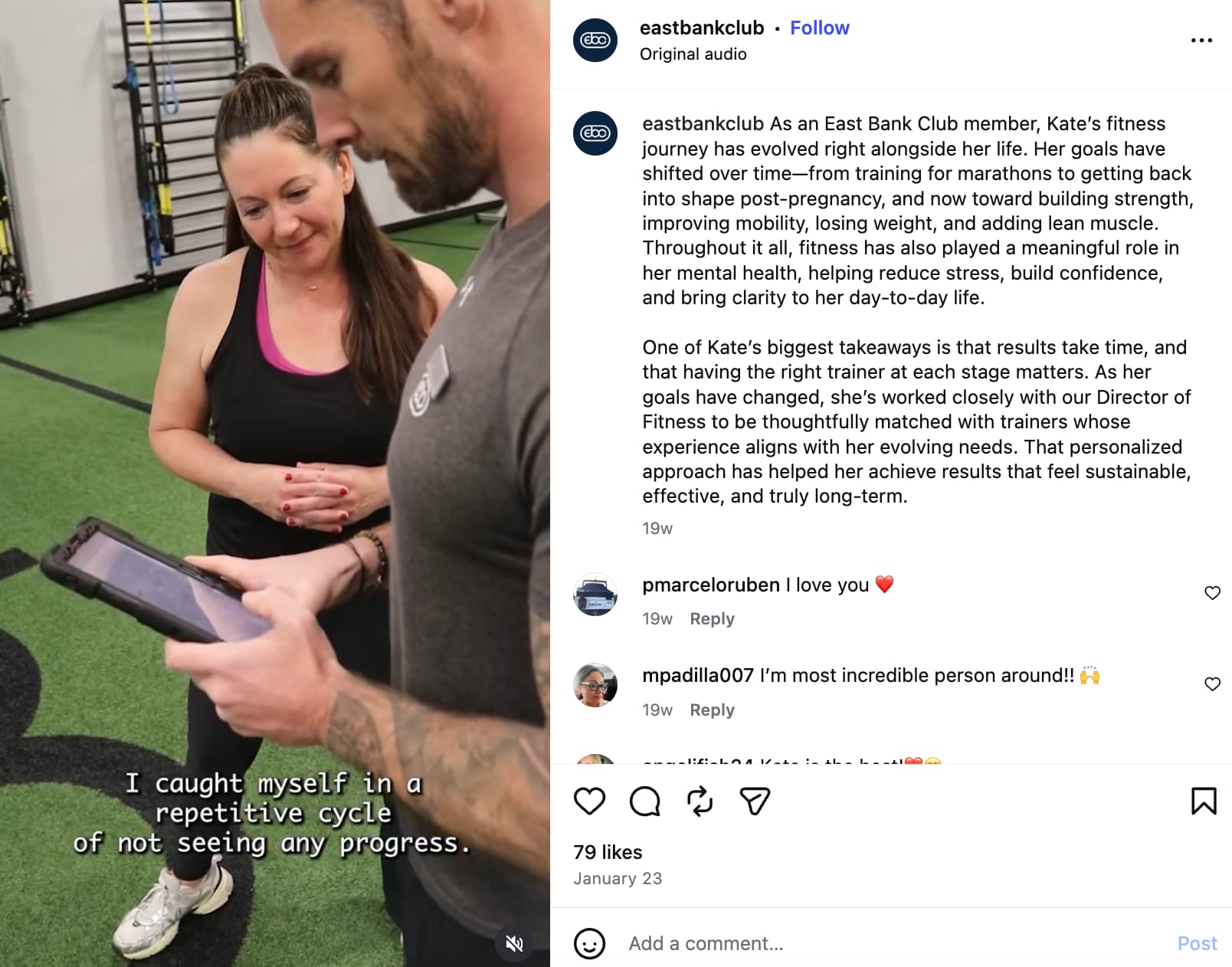
3. Fitness & Wellness: East Bank Club
Trust is the currency of the fitness industry. East Bank Club has effectively pivoted from posting generic gym photos to sharing raw, human-focused video testimonials. By allowing members to narrate their personal fitness journeys, the club provides evidence of its value, effectively turning members into brand evangelists.
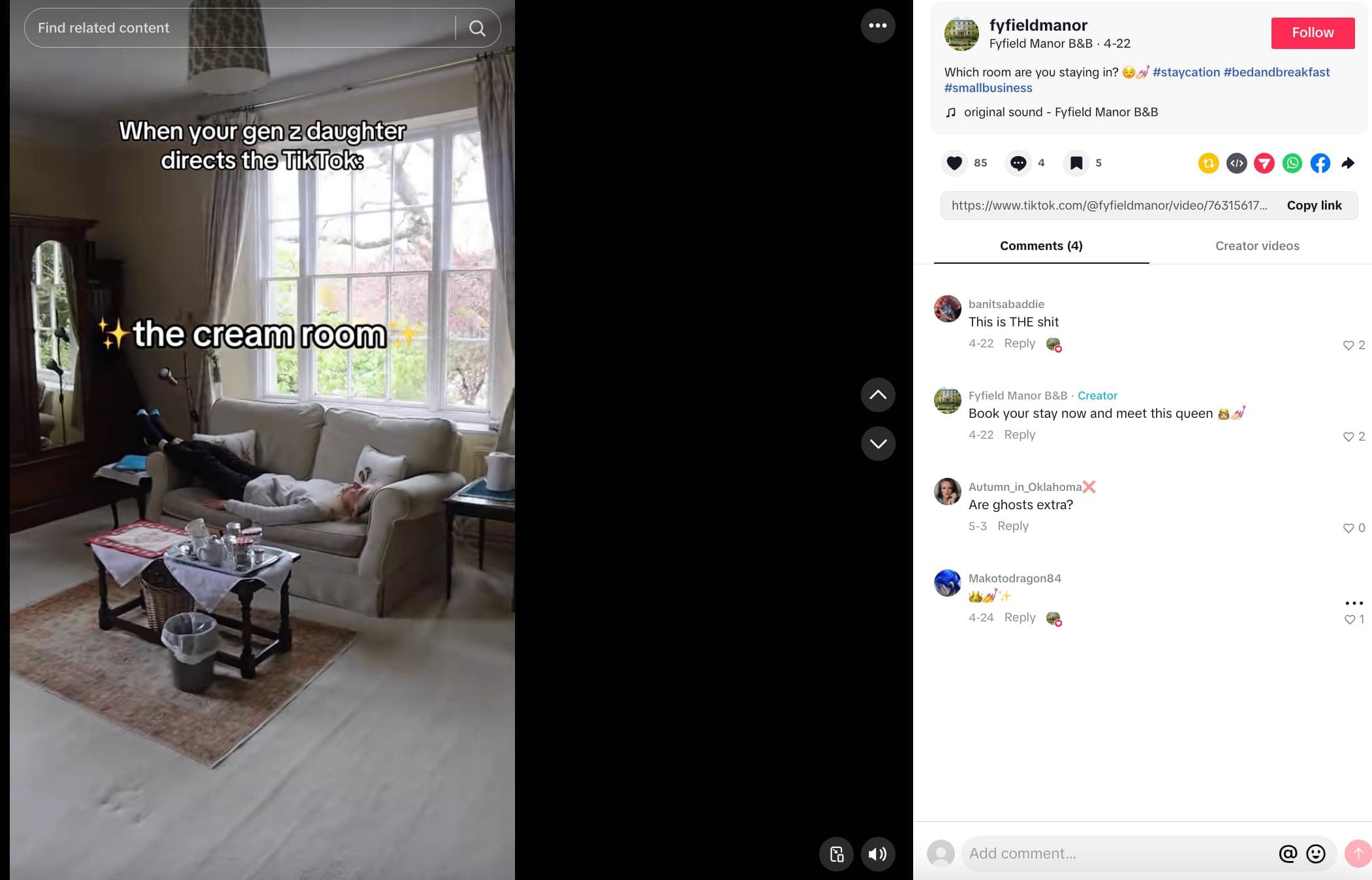
4. Hospitality: Fyfield Manor
In hospitality, the "face" of the business is the brand. Fyfield Manor has found success by leaning into the personality of its ownership. By using trending TikTok formats to showcase the humorous, behind-the-scenes realities of running a B&B, they bridge the gap between service provider and friend. They prove that you don’t need a production crew to build a following—you just need a relatable perspective.
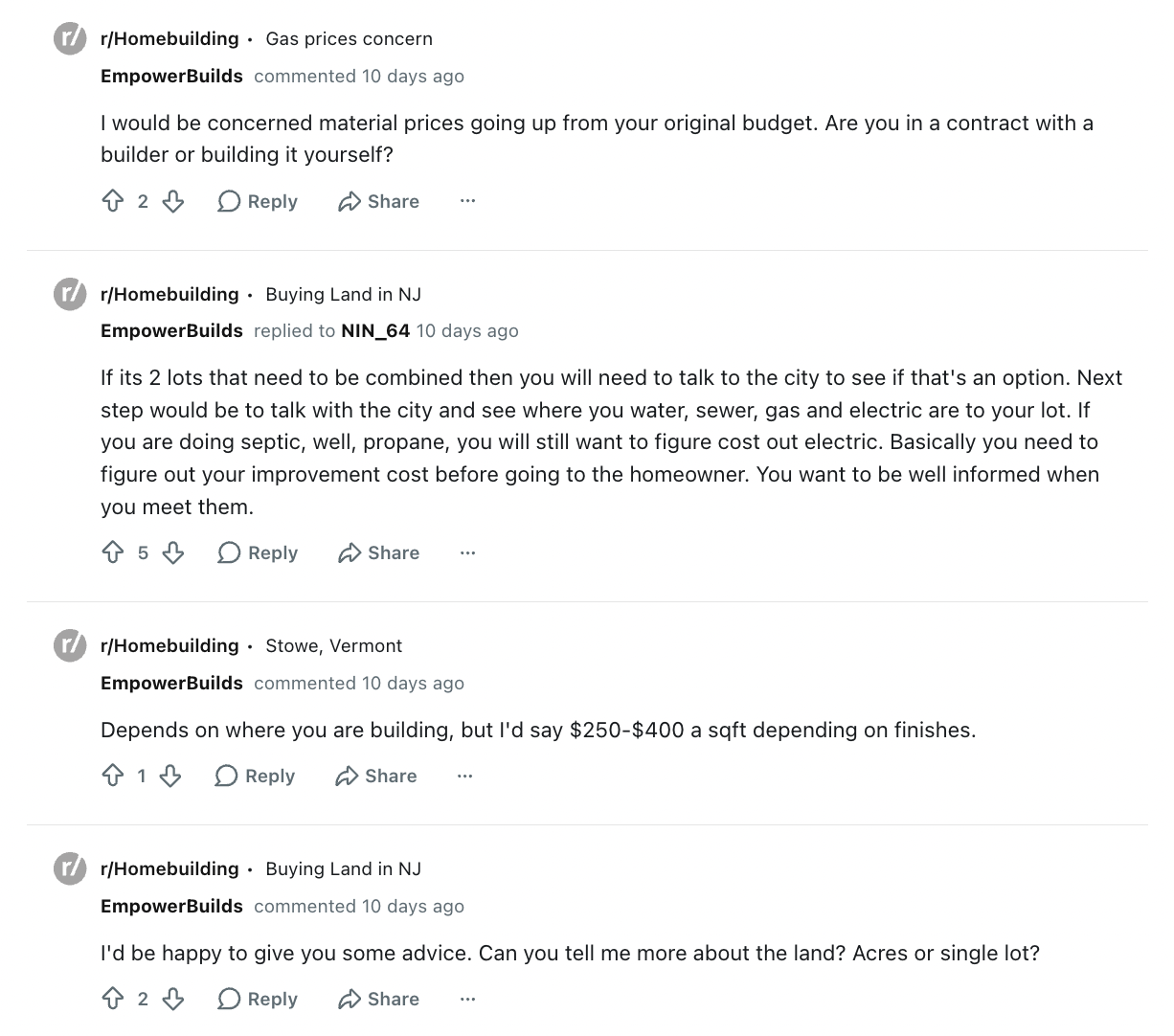
5. Professional Services: Empower Builds
For B2B or specialized trade businesses, expertise is the product. Empower Builds has bypassed the need for flashy visual content by embedding itself in niche Reddit communities. By answering technical questions about home building and construction, they establish themselves as authorities. They aren’t selling; they are helping. In return, the community rewards them with high-intent leads.
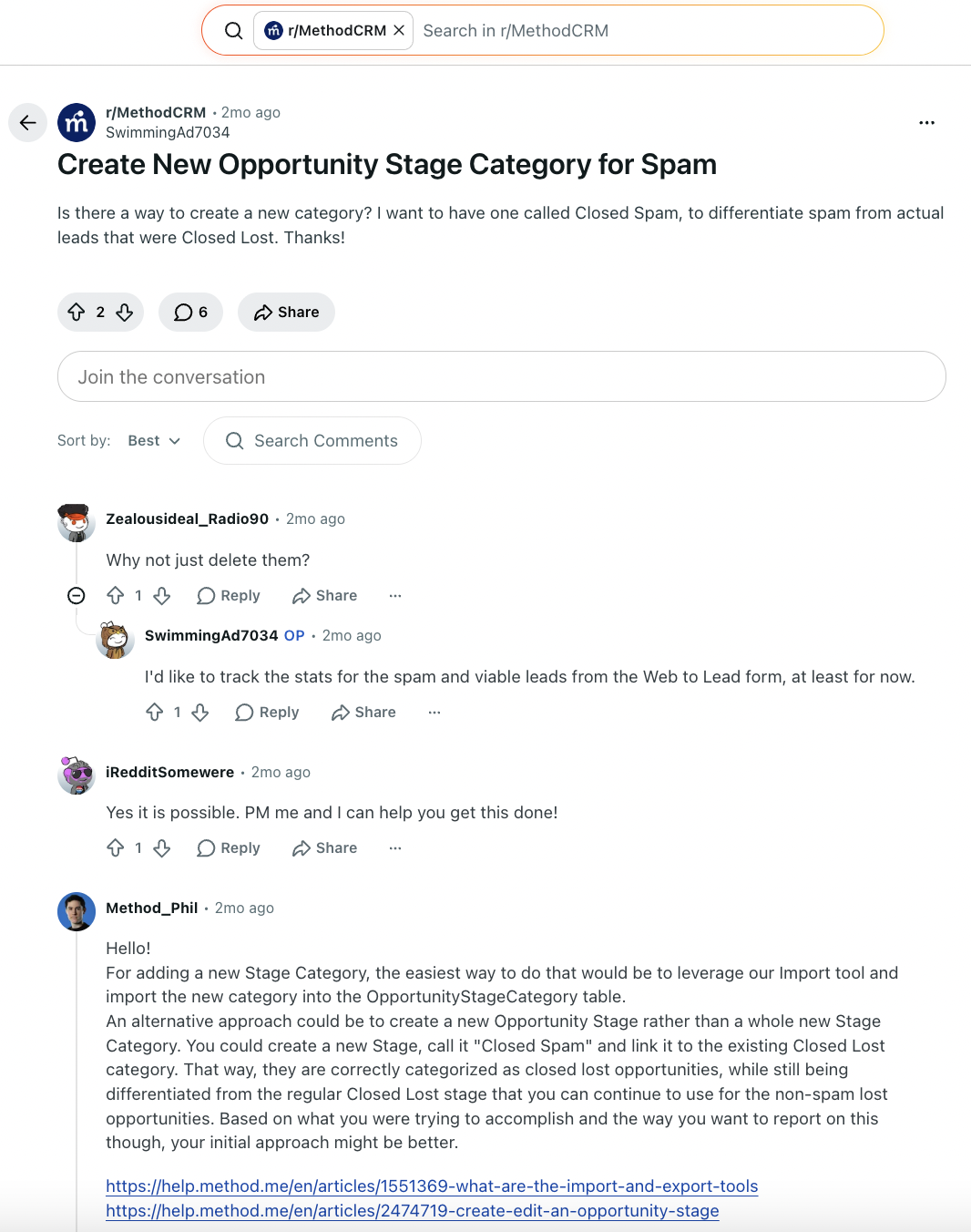
6. Tech & SaaS: Method CRM
Tech companies often face a support burden. Method CRM turned this into a community asset by creating a dedicated subreddit for their users. This space acts as both a support forum and a community hub. By having their own team engage directly in the threads, they turn potential support "problems" into public demonstrations of their commitment to customer success.
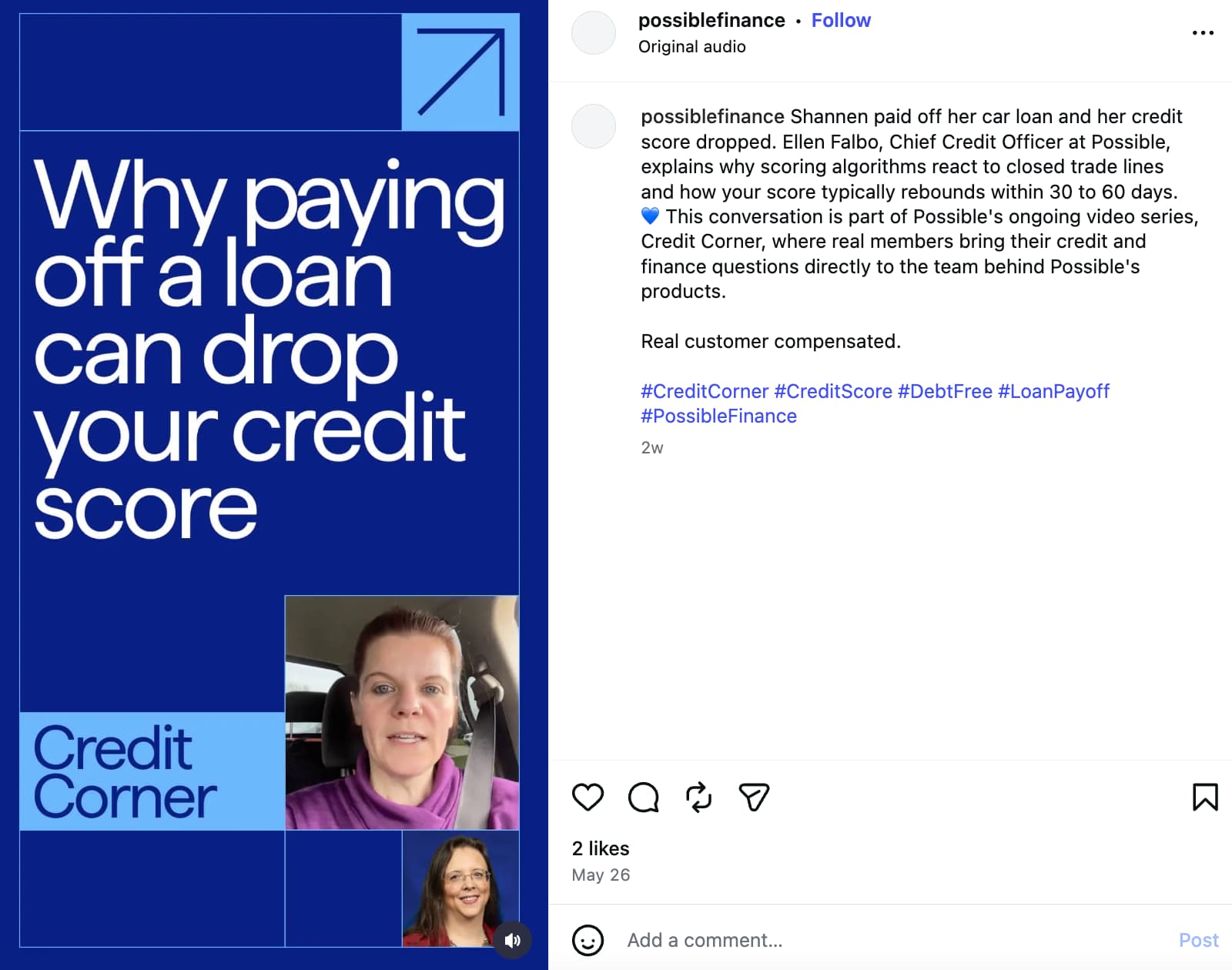
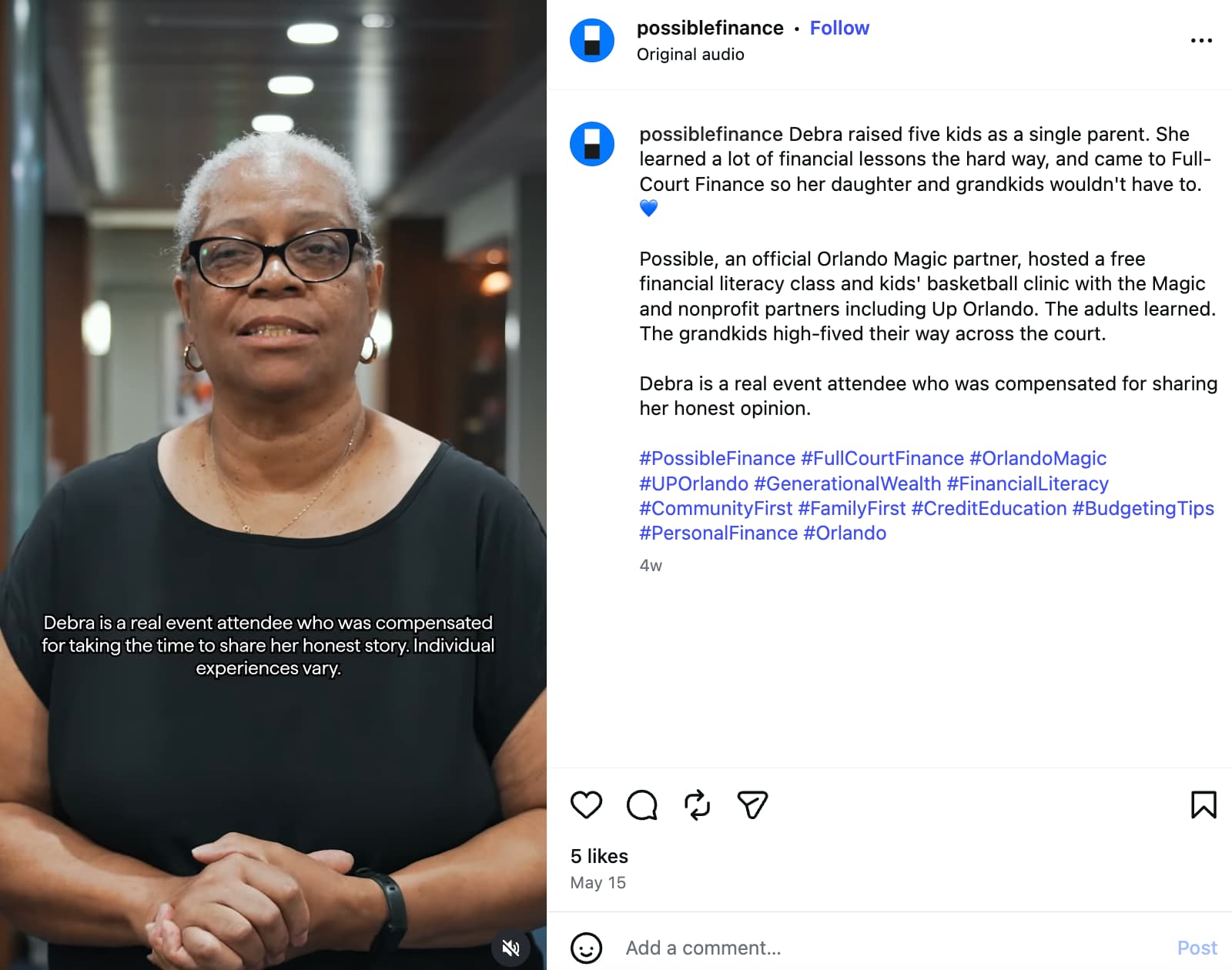
7. Finance: Possible Finance
Finance is often viewed as intimidating or opaque. Possible Finance has successfully adopted the "FinTok" approach, breaking down complex credit and loan concepts into accessible, bite-sized content. By integrating real customer stories into their educational framework, they demystify the industry and build a reputation for transparency and empathy.
8. Higher Education: Occidental College
For universities, the alumni network is the ultimate indicator of success. Occidental College uses its social channels as a digital yearbook of achievement. By spotlighting student research and alumni career milestones on LinkedIn, they foster a sense of pride and continuity. This ongoing recognition ensures that the community remains invested in the institution long after graduation.
Official Responses and Strategic Implications
The shift toward community-led growth has significant implications for how SMBs allocate their time and budget. The "always-on" mentality is no longer sustainable or effective.
The industry consensus is clear: Quality of engagement is the new quantity.
"Small businesses often feel they are at a disadvantage compared to the massive budgets of corporations," says a spokesperson from the social media analytics sector. "But in 2026, the data shows that SMBs have the edge. Their ‘smallness’ allows for genuine, human, and local interactions that global brands can only dream of. The goal is no longer to be everywhere at once; the goal is to be meaningful where it matters."
The Path Forward: How to Replicate Success
For the business owner looking to pivot, the roadmap is straightforward:
- Prioritize UGC: Actively encourage your customers to document their experiences with your product or service. Reward them with recognition.
- Shorten the Buying Journey: If you sell products, make your social content shoppable. If you sell services, make your content educational and actionable.
- Humanize the Brand: Stop hiding behind a logo. Show your staff, your owners, and your processes. People buy from people, not faceless entities.
- Engage, Don’t Broadcast: Use forums like Reddit or Facebook Groups to enter existing conversations rather than just pushing your own agenda.
- Utilize Tools Wisely: Use automation tools like Sprout Social’s Essentials plan to manage the technical aspects of publishing, freeing up your team to focus on the high-value, high-touch work of building real relationships.
The future of social media isn’t found in a trending dance or a perfectly curated feed. It is found in the comments, the shares, and the stories of the people who make your business possible. By leaning into this human-centric model, SMBs are not just surviving the digital age—they are defining it.


 Siti Muinah
 Dwi Wanna