Nila Kartika Wati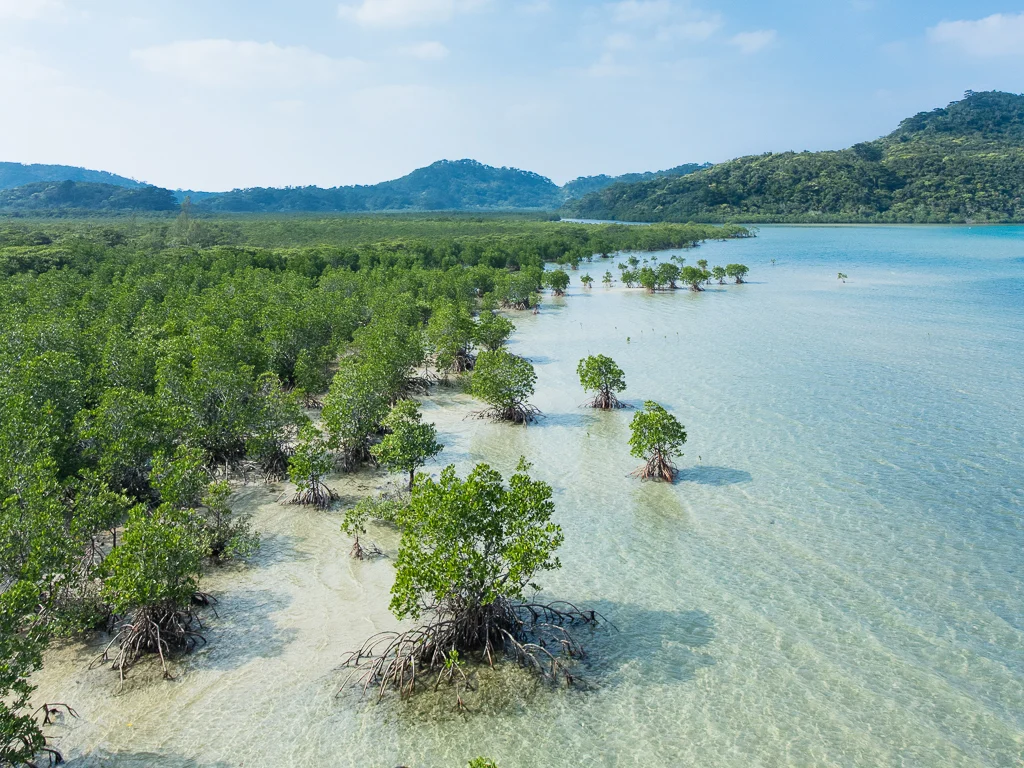
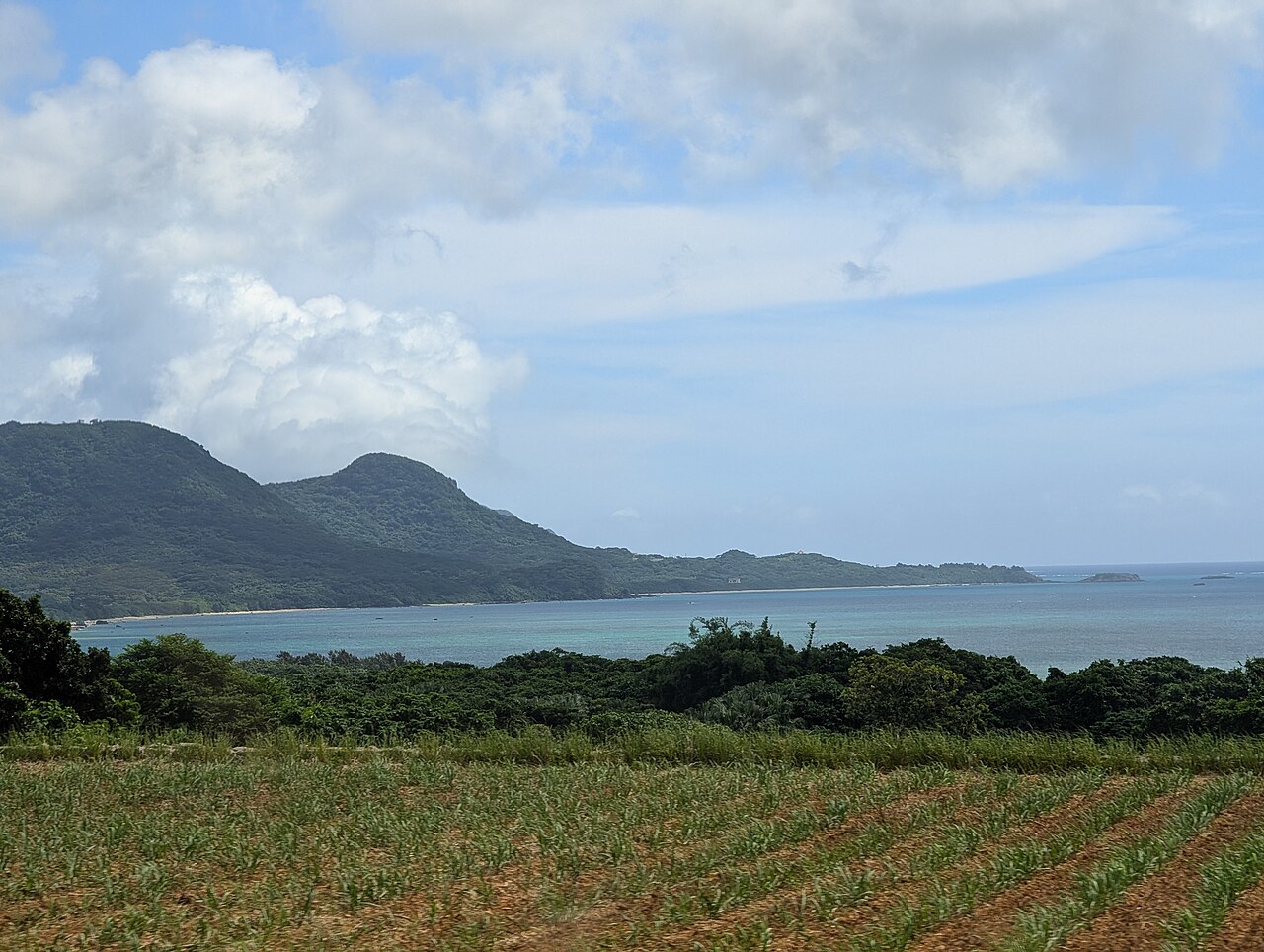
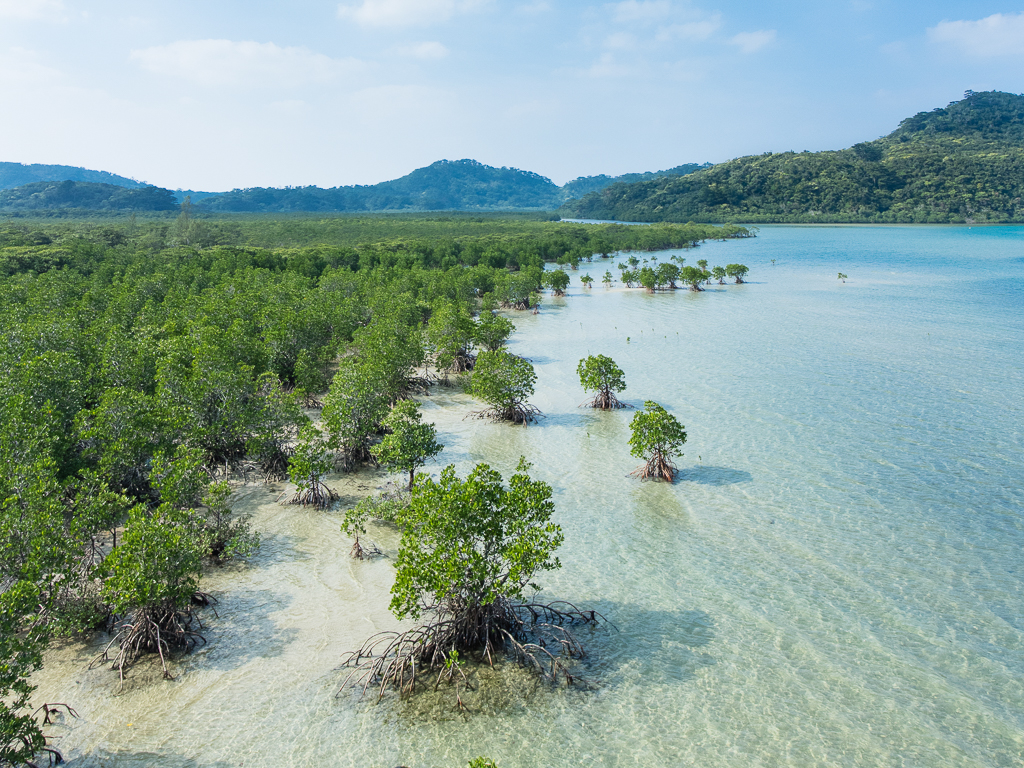
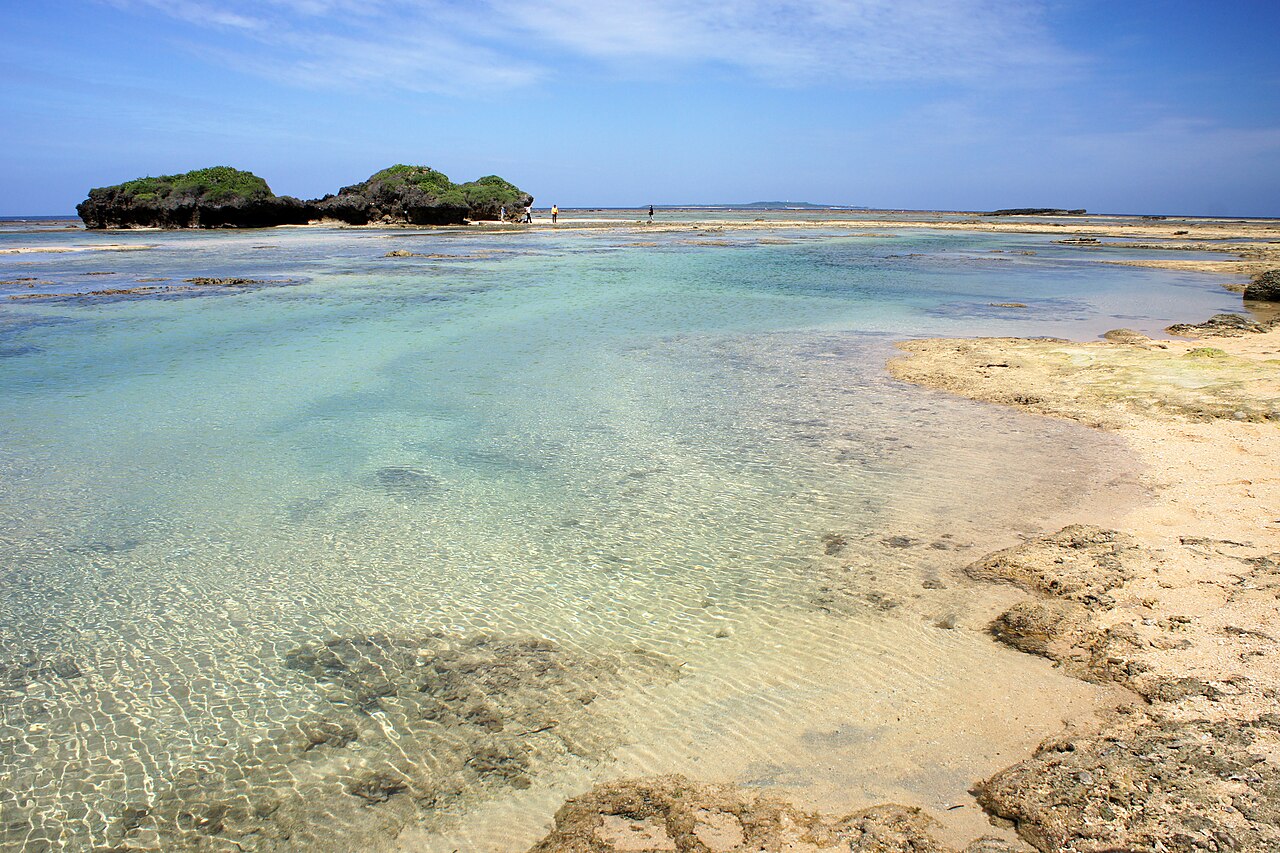
The Yaeyama Islands (Yaeyama Shotō) represent the final frontier of the Japanese archipelago. A collection of 12 distinct islands scattered across the East China Sea, this subtropical chain sits 400 kilometers southwest of Okinawa’s main island and is geographically closer to Taiwan than to Tokyo. Far removed from the neon sprawl of the Kanto region or the imperial shrines of Kyoto, the Yaeyamas offer a sensory departure from the Japanese mainland, characterized by mangrove estuaries, coral-reef lagoons, and a cultural identity forged in the isolation of the former Ryukyu Kingdom.
Main Facts: A Distinct Cultural and Geographic Zone
The Yaeyama Islands are defined by a unique set of environmental and historical circumstances. Before the 1879 Japanese annexation of the Ryukyu Kingdom, these islands functioned as a sovereign maritime power. This heritage is preserved in the local language, Yaeyama-go, which remains distinct from both mainland Japanese and the Okinawan dialects of the northern islands.
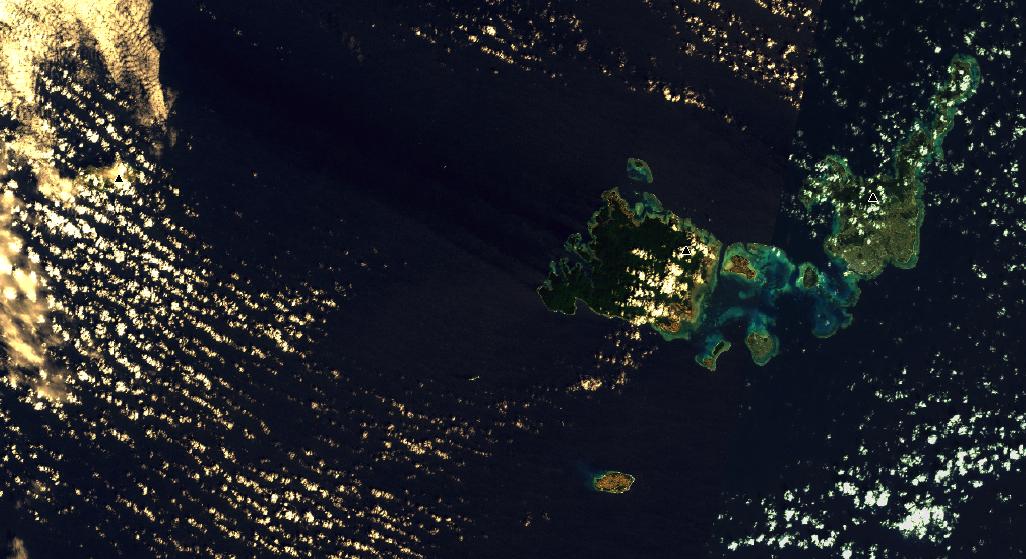
Geographic Snapshot
- Total islands: 12 inhabited islands.
- Gateway: Ishigaki-jima serves as the central transit hub and administrative center.
- National Park: A significant portion of Iriomote and surrounding waters are protected under the Iriomote-Ishigaki National Park, a UNESCO World Heritage candidate site known for its subtropical virgin forest.
- Climate: Subtropical with high humidity. The region is subject to significant typhoon activity between August and October.
The islands function as a distinct cultural unit, with their own musical traditions, culinary staples—such as Yaeyama soba—and a rhythm of life that prioritizes maritime cycles over the rigid punctuality of the Japanese mainland.
Chronology: From Kingdom to Global Destination
The history of the Yaeyamas is one of endurance and shifting sovereignty.
- Pre-1879: The islands flourished as part of the independent Ryukyu Kingdom, acting as a crucial trade intermediary between China, Japan, and Southeast Asia.
- 1879: The Meiji government formally annexed the Ryukyu Kingdom, incorporating the islands into the prefecture system.
- 1945–1972: Following the Battle of Okinawa, the islands were under the administration of the United States. This period left a lasting imprint on local infrastructure and social structures.
- 1972–Present: The reversion of Okinawa to Japan marked the beginning of the islands’ transition into a niche, high-value tourism destination.
- 2020s: The post-pandemic era has seen a surge in interest from international travelers seeking "slow travel" and nature-based tourism, shifting the Yaeyamas from a domestic-only destination to an emerging global hotspot.
Supporting Data: Infrastructure and Accessibility
For the modern traveler, the Yaeyamas present a logistical challenge that rewards the prepared. The archipelago is not a single entity but a web of interconnected ferry routes anchored by Ishigaki.
Transit Dynamics
- Ishigaki (The Hub): Home to 48,000 residents and the New Ishigaki Airport, this is the only entry point for long-haul visitors.
- The Ferry Network: Operated by Yaeyama Kanko Ferry and Anei Kanko, the ferry terminal in Ishigaki is the heartbeat of the region. Travelers can reach Taketomi in 15 minutes, while Iriomote requires 40–50 minutes.
- The Outliers: Destinations like Hateruma and Yonaguni represent the extreme ends of the logistical spectrum. Hateruma’s ferry is notoriously prone to cancellations due to high seas, often leaving visitors stranded; Yonaguni requires a domestic flight, as the sea route is too volatile for regular, reliable commercial transport.
Tourism Metrics
Recent data suggests a shift in visitor demographics. While Japanese domestic tourists continue to prioritize Ishigaki and Taketomi for short-term stays, there has been a marked increase in "deep-interest" travelers—scuba divers and nature enthusiasts—who spend upwards of 10 days traversing the outer islands. The economic reliance on these visitors is significant, with hospitality sectors in Iriomote and Kohama reporting record-high demand during the shoulder seasons of April–May and October–November.
Official Responses and Conservation Efforts
The rapid expansion of tourism has triggered significant policy responses from local governments, particularly regarding environmental sustainability.
The Iriomote Conservation Mandate
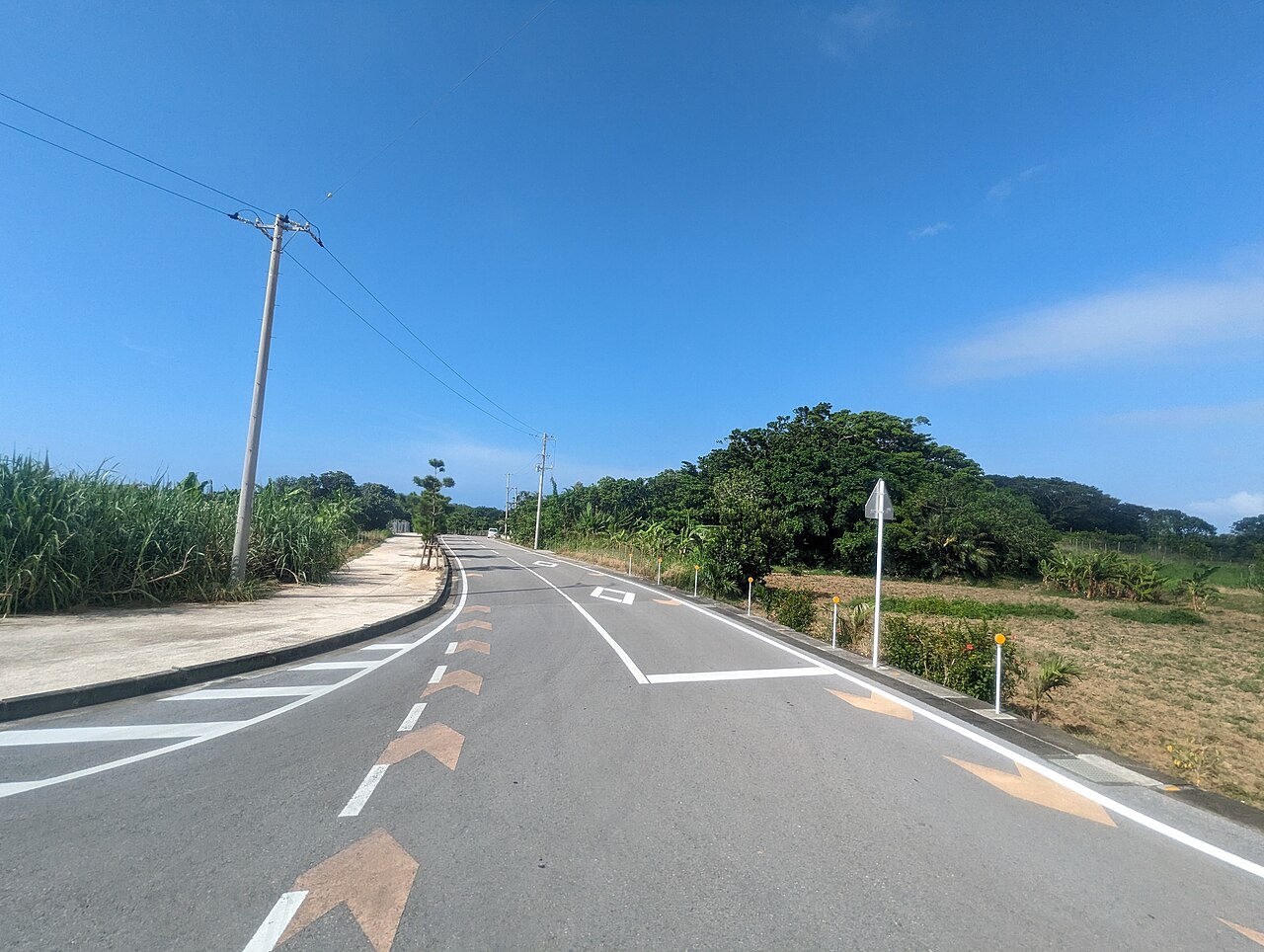
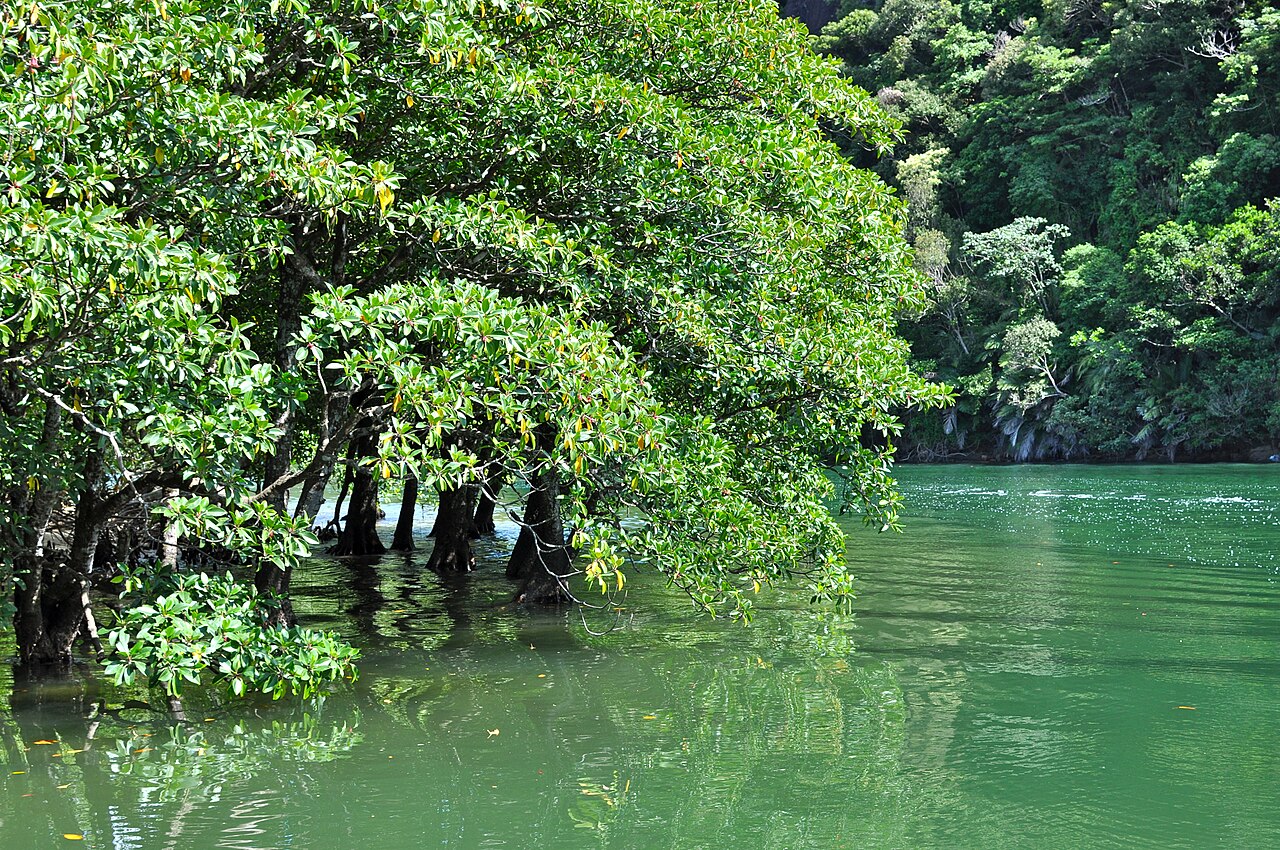
The Iriomote-Ishigaki National Park is home to the Iriomote yamaneko (Iriomote wildcat), a critically endangered endemic species with an estimated population of fewer than 100 individuals. To prevent habitat degradation, the local government has implemented strict speed limits on island roads to reduce wildlife-vehicle collisions. Furthermore, the number of guided tours entering the interior mangrove forests is now capped to ensure minimal impact on the fragile ecosystem.
Cultural Preservation in Taketomi
Taketomi Island is governed by a set of strict village ordinances. Residents are prohibited from building modern, non-traditional structures. The iconic red-tile roofs, white coral-stone walls, and sand-paved streets are maintained through communal effort. The "official response" to modern development has been a firm rejection: by refusing to modernize, the village has successfully preserved a 19th-century aesthetic that functions as a living museum.
Implications: The Reality of the Yaeyama Experience
For the prospective visitor, the Yaeyama Islands represent a high-stakes, high-reward travel experience. The implications of choosing this destination are threefold:
1. The "Commitment" Factor
Travelers must recognize that the Yaeyamas are not an extension of a Tokyo city trip. The transit time, combined with the high probability of weather-related delays, makes this a destination that requires a dedicated time investment. A 4-night minimum is recommended; anything less is an exercise in transit-hopping rather than exploration.
2. The Infrastructure Gap
While Ishigaki offers Western-standard amenities, luxury resorts, and high-speed internet, the outer islands—specifically Hateruma and the interior of Iriomote—are rustic. Travelers should be prepared for limited medical facilities, restricted access to digital payment systems, and a lack of English-language support.
3. The Ecological Imperative
The Yaeyama ecosystem is under stress. From the bleaching of coral reefs in the north of Ishigaki to the erosion of beaches due to climate-driven storms, the islands are a frontline for environmental change. Responsible tourism is not merely a suggestion; it is a prerequisite. Visitors are expected to adhere to "leave no trace" policies, particularly regarding the collection of "star sand" (hoshizuna), which is protected by local law.
Final Assessment
Is the Yaeyama archipelago worth the effort? For the beach-focused tourist, the coral reefs of the Manta Scramble offer some of the most accessible and pristine diving on the planet. For the nature lover, the primeval jungles of Iriomote provide a landscape untouched by the industrialization of the mainland. However, for those seeking the convenience of a typical "Japan tour," the archipelago may prove too demanding.
The Yaeyamas are, ultimately, a place for those who wish to see the Japan that existed before the Shinkansen, before the convenience stores, and before the world arrived. It is a place of deep, humid, and wild beauty—a reward reserved for those willing to venture to the very edge of the map.


 Neng Nana
 Asro
Asro