Layla Zulfa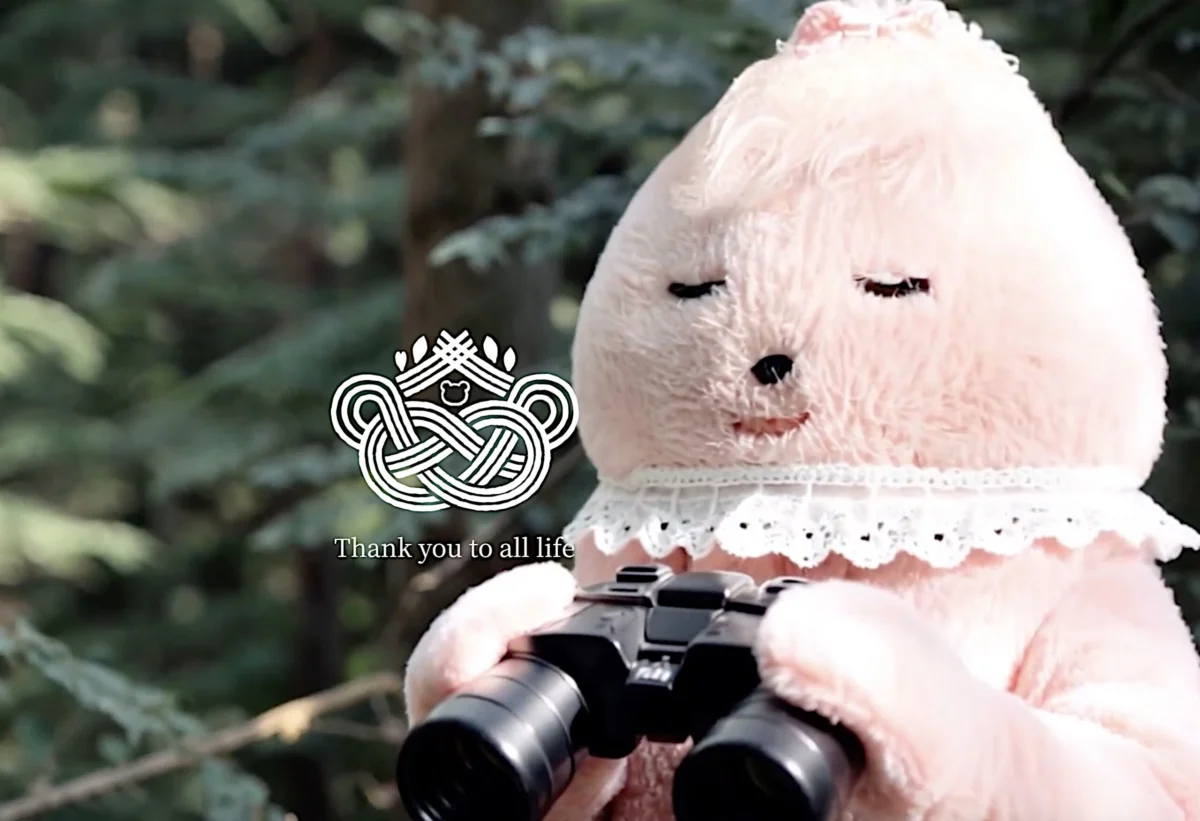
In the serene, forested depths of the Miyama district in Nantan City, Kyoto, a unique architectural landmark has emerged that challenges our conventional understanding of sacred spaces. On June 20, the Nuigurumi Jinja—or "Plush Toy Shrine"—held its inaugural founding ceremony. While Japan is home to thousands of Shinto shrines dedicated to ancient deities, nature spirits, and historical figures, this site represents a paradigm shift: it is the first consecrated space explicitly designed to honor the emotional connection between humans and their stuffed companions.
The Genesis of a Sacred Space: Main Facts
The Nuigurumi Jinja is not merely a novelty; it is a meticulously planned religious site intended to provide a dignified resting place for plush toys that have reached the end of their functional lives. Whether a toy has been loved to tatters by a child, abandoned by time, or left behind by a deceased owner, the shrine offers a ritualized space for closure.
The site was conceptualized and brought to life under the guidance of Komichi Horiguchi, the visionary founder of the Nuigurumi Byoin (Plush Toy Hospital) based in Osaka. Horiguchi’s hospital has spent years repairing more than 26,000 stuffed animals, treating them with a level of medical and emotional care usually reserved for pets or family members. The creation of the shrine is the logical, spiritual extension of this philosophy: that these objects possess a "life force" forged through the affection and memories poured into them by their human owners.
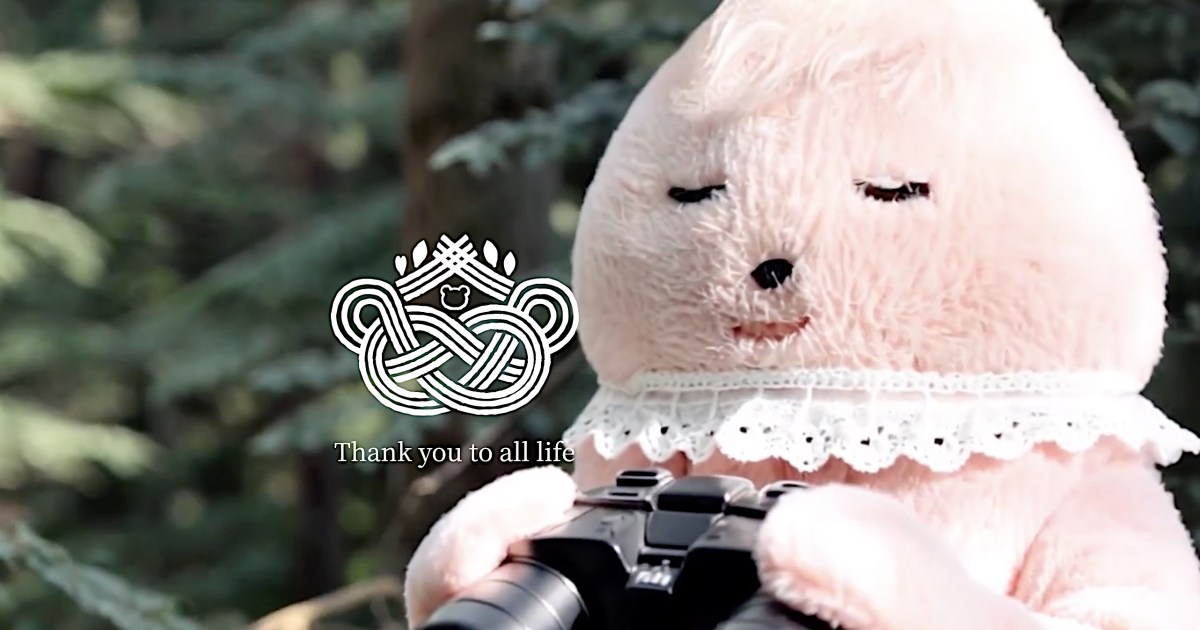
Architecturally, the shrine is a marvel of organic design. Nestled in the Nantan forest, its wooden structure and traditional thatched roof are intended to harmonize with the surrounding ecosystem. The design is deliberately whimsical yet deeply respectful, featuring a bear-shaped window in the worship hall and a torii gate adorned with bear-like ears, signaling to visitors that this is a sanctuary for the "furry and the felt."
A Chronology of Spiritual Establishment
The establishment of the Nuigurumi Jinja was not an overnight decision but a multi-stage process involving traditional Shinto protocols to ensure the site’s legitimacy and sanctity.
- April 18, 2026: The process of mitama-wake no shinji (spirit division ritual) was held at Kyoto’s Reimei Shrine. This critical step involved the formal transfer of spiritual essence to the new site, marking it as a legitimate place of worship within the Shinto framework.
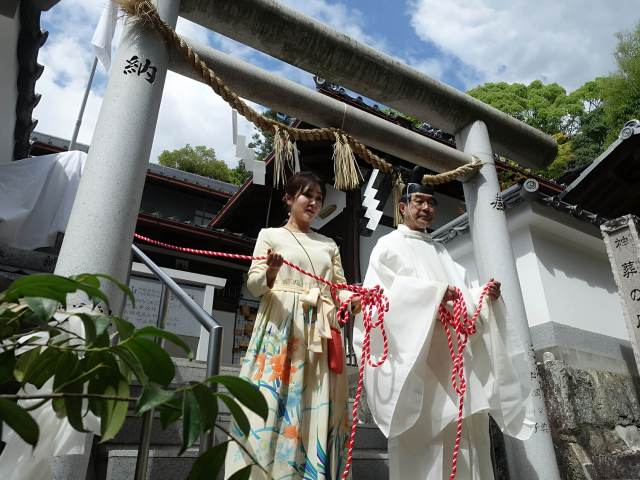
- June 20, 2026: The official founding ceremony took place. Unlike traditional ceremonies that might be restricted to human clergy and officials, this event warmly welcomed plush toys as guests of honor, acknowledging their status as the primary "parishioners" of the shrine.
- July 7, 2026: The shrine is scheduled to open its doors to the general public. The choice of date—Tanabata, the Japanese Star Festival—is deeply symbolic. Tanabata celebrates the meeting of two celestial lovers, Orihime and Hikoboshi, who are separated by the Milky Way. By opening on this date, the shrine underscores its mission: to bridge the gap between the physical world of humans and the "otherworldly" realm of the memories and spirits attached to our beloved belongings.
The Philosophy of the "Forest of Life"
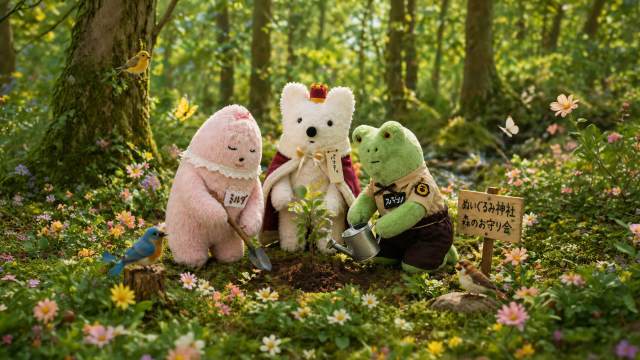
The Nuigurumi Jinja does not operate under the standard imagery of stern deities. Instead, it features a cast of "guardian plushies" who serve as the spiritual stewards of the site. At the helm is Milda, a Peach Fairy known for her compassionate nature, and King Puffty, a noble, polar bear-like figure who acts as the protector of the grounds.

These figures are central to the "Forest of Life" concept, which posits that all elements of existence—forests, rivers, animals, human ancestors, and even inanimate objects imbued with love—are intrinsically connected. The shrine serves as a conduit for this connection. When a toy is brought to the shrine, it is not simply "disposed of." Instead, the guardians are said to guide the toy into the next realm, allowing it to return to the natural environment, thereby completing a cycle of gratitude and release.
Supporting Data and Services
The shrine offers a variety of services that mirror those found at major, historic shrines, adapted for its unique demographic:
- Words of Gratitude Service: Visitors can write personal messages to their former companions. These letters are placed in an offertory box and later presented to the gods by a Shinto priest during an auspicious ritual, ensuring that the owner’s "thank you" is heard and acknowledged.
- Memorial Rituals: Future plans include dedicated facilities for the ceremonial burning of irreparable toys and a repository for their ashes. This provides a tangible, cathartic conclusion for owners who struggle with the guilt of discarding a long-time friend.
- Spiritual Keepsakes: The shrine provides traditional goshuin (calligraphy stamps) and protective amulets, allowing visitors to take a physical memento of their experience home, reinforcing the bond between their living spaces and the sacred forest.
Official Responses and Cultural Implications
The reaction from the public and local officials has been one of curiosity and cautious appreciation. While some critics might dismiss the concept as anthropomorphism taken to an extreme, the Nuigurumi Jinja touches on a profound psychological truth: the "transitional object."
Psychologists have long recognized that comfort items, particularly stuffed animals, serve as powerful emotional anchors, especially during childhood or times of trauma. By providing a ritualized space to "farewell" these items, Horiguchi is addressing a modern societal gap. In a world where we are increasingly detached from the physical objects we own—often due to the rapid cycle of consumption—the shrine encourages a radical alternative: gratitude.
As one representative for the shrine noted during the founding ceremony, the goal is to shift the focus from the sorrow of loss to the joy of having loved. "It is not a place for sad farewells," the representative explained. "It is a place to say ‘thank you’ for the time you shared."
Broader Societal Impact
The Nuigurumi Jinja sits at the intersection of environmentalism and emotional well-being. By emphasizing that plush toys are part of the natural cycle, the shrine subtly encourages a more sustainable approach to our possessions. If we view an object as having a spirit, we are less likely to treat it as disposable waste and more likely to seek repair or respectful transition.
Furthermore, the shrine’s location in the Nantan forest highlights the importance of "nature-based spirituality." In a modern Japan that is increasingly urbanized and digital, returning to a forest sanctuary—even one dedicated to toys—acts as a grounding exercise for the human spirit.
Whether one views the shrine as a genuine religious development or a poignant form of "emotional infrastructure," the Nuigurumi Jinja is a testament to the enduring human need for ritual. By creating a space that validates the grief of losing a toy, Komichi Horiguchi has tapped into a universal human experience: the realization that the things we love are never truly just "things."
As the shrine prepares for its public opening this July, it stands as a gentle, furry, and deeply sincere monument to the power of human affection—reminding us all that even the smallest, softest friends deserve a sacred goodbye.


 Neng Nana
 Asro
Asro