Asro
Asro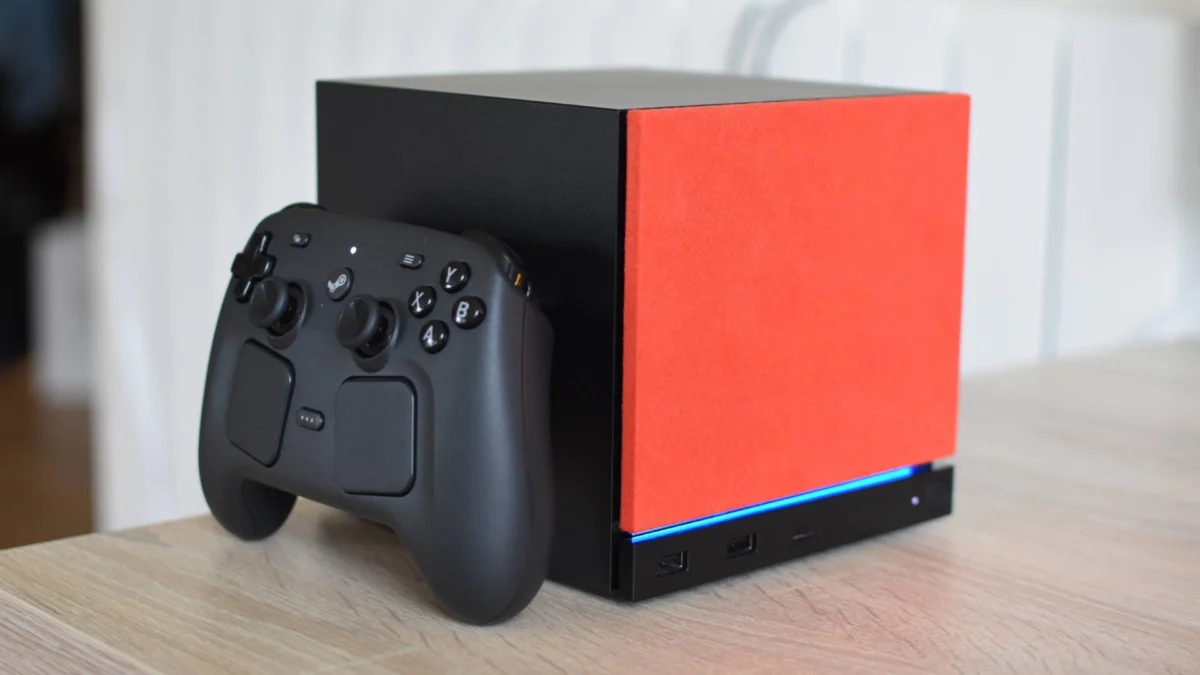
After months of speculation, supply chain turbulence, and intense scrutiny, Valve has finally opened the gates. The Steam Machine—a project that has lived through various states of development, delay, and strategic recalibration—is officially available for reservation. For PC enthusiasts who have been waiting for a console-like experience that retains the openness of the Steam ecosystem, this is a milestone. However, the launch is not without its complications, as Valve finds itself navigating a hardware landscape defined by scarcity and rising costs.
The Main Facts: How to Secure Your System
Valve has implemented a "randomized reservation" system to manage the initial rollout. This approach, designed to curb the influence of automated scalper bots and ensure equitable access, mirrors the early deployment strategies seen with the Steam Deck.
Interested customers with a Steam account in good standing can register their interest for a specific Steam Machine configuration anytime between now and Thursday, June 25th, at 6:00 PM BST (10:00 AM PT). Once the window closes, a random lottery will determine the priority order for reservation fulfillment. If selected, users will receive an email notification granting them the opportunity to complete their purchase. Those who miss the initial lottery window will be relegated to a standard, non-randomized waiting list.
The pricing, which has been a point of significant internal debate at Valve due to the ongoing volatility in the semiconductor and memory markets, is now public. While some models may strike the average consumer as pricey, Valve maintains that these costs are a direct reflection of the current "component-wrangling" reality.
A Chronology of Delays and Obstacles
The road to this launch has been anything but smooth. To understand the gravity of the current release, one must look back at the series of setbacks that have plagued the hardware’s path to market.
- Initial Hype and Delays: Following the early prototypes, Valve faced significant criticism regarding the shifting release windows. These were not merely administrative delays; they were systemic, caused by the global difficulty in sourcing key components.
- The Component Crunch: As the pandemic-era logistics issues evolved into a broader tech sector crisis, the cost of DRAM and other critical hardware components skyrocketed. Valve openly acknowledged that they were not immune to these market forces, forcing them to adjust both their profit margins and their expected retail pricing.
- The Pivot to SteamOS: Throughout this timeline, Valve shifted its focus toward refining SteamOS to ensure the software could deliver a seamless living room experience, ultimately delaying the hardware to ensure the operating system reached a "Gold" standard of stability.
- The Reservation System: Recognizing the failures of traditional "first-come, first-served" launches—which often favor those with fast internet connections and bot-driven refresh scripts—Valve spent the last quarter finalizing the current lottery-based queue system to prioritize legitimate users.
Supporting Data: The Hardware Landscape
The hardware market is currently in a state of flux. The surge in demand for high-end computing components—largely driven by the explosive growth of the AI industry—has cannibalized the supply chains usually reserved for consumer electronics.
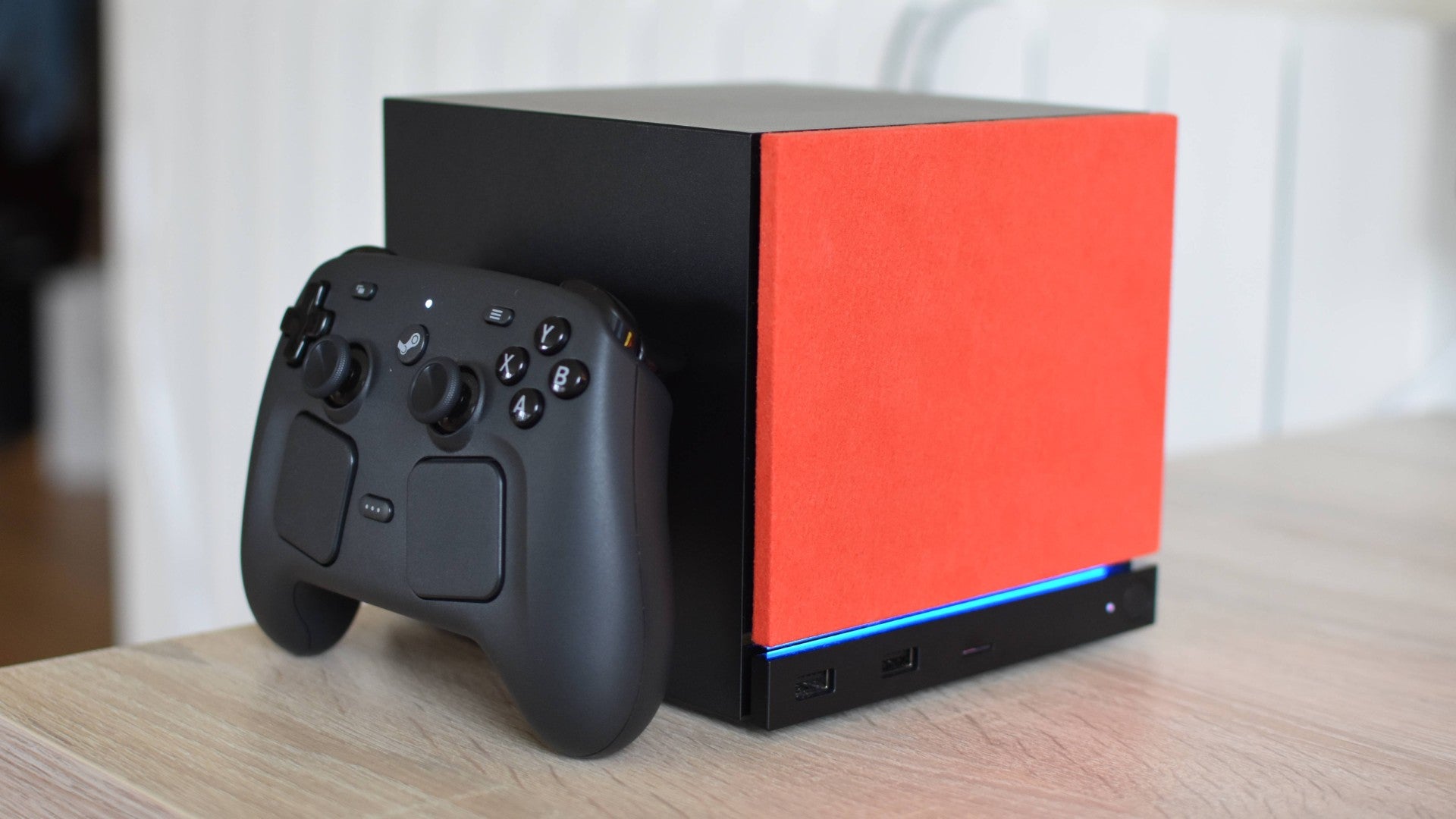
Recent industry reports indicate that major RAM manufacturers are prioritizing high-margin sales to enterprise AI firms over the consumer PC market. This shift has led to a "component drought," leaving companies like Valve in a precarious position. The Steam Machine represents a unique case study in how a hardware manufacturer can navigate these economic headwinds. While the base models are designed to be accessible, the high-end configurations, which include specialized aesthetic options like wooden and red-accented faceplates, carry price tags that reflect the premium cost of securing scarce hardware in a seller’s market.
Official Responses and Strategic Philosophy
In recent discussions, Valve representatives have been candid about the challenges of bringing a new hardware category to market during a period of industrial instability. The company has repeatedly stated that their primary goal is to provide a "Steam-first" living room experience, regardless of the logistical hurdles.
"We are just as impacted as everyone else," a Valve spokesperson noted during a recent briefing. The company emphasizes that their pricing strategy is designed to balance the necessity of sustainable business practices with their long-standing commitment to the PC gaming community.
Furthermore, Valve has addressed the elephant in the room: the absence of Half-Life 3. While rumors continue to swirl, Valve remains tight-lipped, focusing entirely on the technical prowess of the Steam Machine. They argue that the success of this platform relies on the strength of the existing library—thousands of titles already verified for the system—rather than relying on a single "system-seller" software title to drive adoption.
Implications: The Future of PC Gaming in the Living Room
The launch of the Steam Machine carries heavy implications for the industry. If the system succeeds despite the inflated pricing, it proves that there is a durable market for "console-lite" PC hardware that does not compromise on the freedom of the platform.
The Impact of AI on Hardware Availability
The most alarming takeaway from this launch is the broader implication for the future of DIY PC building. If global demand for AI-specific hardware continues to squeeze the supply of standard components, the "PC master race" may find itself priced out of its own hobby. The Steam Machine acts as a bellwether for this trend; if Valve—a company with massive purchasing power—is struggling to keep costs down, the average consumer will undoubtedly face an uphill battle in the coming years.
Combating Resellers
Valve’s decision to move away from traditional retail launches is a significant admission of the "bot crisis" currently strangling the hardware industry. By implementing a random draw, Valve is attempting to reclaim the "fairness" of the digital marketplace. Should this model prove successful, it is highly likely that other tech manufacturers will follow suit, fundamentally changing how we buy hardware.
The "Steam-OS" Ecosystem
The Steam Machine is more than just a box; it is the physical manifestation of SteamOS. By controlling both the hardware and the software, Valve is attempting to create a "walled garden" that feels like a console but functions like a PC. This creates a compelling proposition for users who are tired of the complexities of Windows but unwilling to abandon their Steam libraries for a locked-down console ecosystem like the PlayStation or Xbox.
Final Thoughts: A Complex Achievement
The Steam Machine is an imperfect, yet undeniably exciting, piece of engineering. While the price tags and the complicated ordering arithmetic serve as a sobering reminder of the current economic climate, the hardware itself stands as a testament to Valve’s perseverance.
Whether this launch represents a dream realized or an economic hurdle too high for the average gamer remains to be seen. However, one thing is certain: in a world where hardware is becoming increasingly scarce and the art of game development is being pressured by the encroachment of generative AI, the mere existence of a dedicated, open-platform gaming device is a victory for the community. As we await the first wave of shipments, the focus remains on whether the Steam Machine can bridge the gap between the desktop and the living room, effectively securing the future of the PC gaming experience.



 Muslim