Laily UPN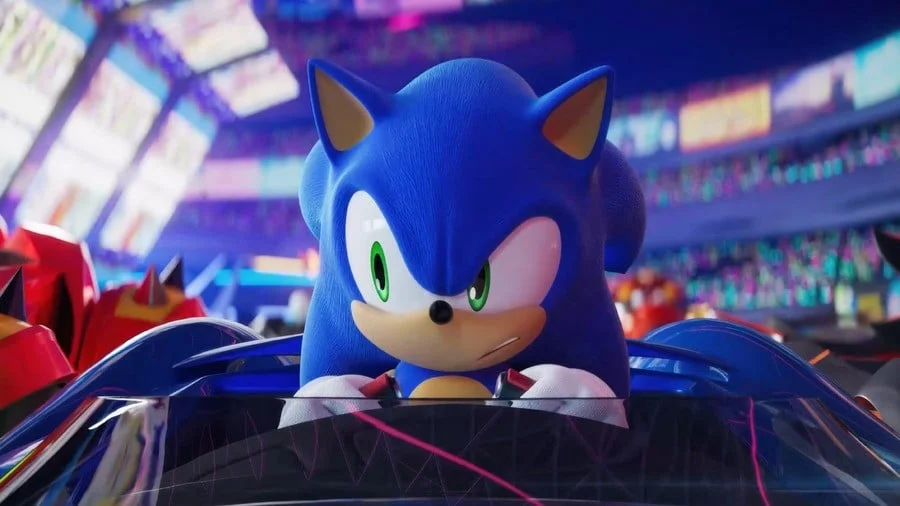
Sega Sammy’s latest financial report reveals a stark contrast between critical reception and commercial performance for two of its flagship titles, prompting a strategic re-evaluation of sales and marketing approaches.
London, UK – October 26, 2023 – In a candid financial update for June 2026, Sega Sammy has acknowledged that both its recent kart-racing title, Sonic Racing: CrossWorlds, and the revival of the iconic ninja franchise, Shinobi, have significantly underperformed against internal sales expectations. This revelation comes as a surprise to many, given that both games have reportedly garnered "strong title evaluations" from critics and players alike. The company’s management has identified a pressing need to adapt its sales and marketing strategies to better align with evolving market dynamics and changing consumer behaviours.
The report, which delves into "Challenges in sales capabilities," directly addresses the disappointing commercial trajectories of these highly anticipated releases. While the specifics of the sales figures remain proprietary, the language used within the financial document indicates a substantial deviation from Sega’s projected revenue streams for these titles. This situation underscores a broader industry trend where critical success does not always translate into blockbuster sales, especially in an increasingly competitive and fragmented gaming landscape.
The Double-Edged Sword of Critical Acclaim
Sonic Racing: CrossWorlds, released earlier this year, was met with generally positive reviews, praised for its vibrant visuals, engaging gameplay mechanics, and the inclusion of a beloved roster of Sega characters. Similarly, Shinobi: Art of Vengeance, a revival of a classic franchise, was lauded for its faithful yet modern take on the series’ signature fast-paced action and challenging combat. Despite these favourable assessments, the Sega Sammy financial report paints a picture of commercial underachievement.

This disconnect between critical praise and sales performance is a complex issue within the gaming industry. Factors such as marketing reach, effective distribution channels, pricing strategies, and the overall economic climate can all play a significant role. In this instance, Sega Sammy has explicitly stated its intent to scrutinize and update its sales and marketing approaches, acknowledging that "internal and external" environmental shifts necessitate a more agile and responsive strategy.
A Look Back: The Journey of Sonic Racing: CrossWorlds and Shinobi
The initial reception for Sonic Racing: CrossWorlds was largely optimistic. Developed with the intention of capitalizing on the enduring popularity of the Sonic the Hedgehog franchise and the evergreen appeal of kart racers, the game was positioned as a major contender in the genre. However, as the financial report indicates, the game’s launch sales did not meet the ambitious targets set by Sega. This led to a revised sales objective, as detailed in Sega Sammy’s financial update in February.
At that time, the company revealed its objective to sell an additional million copies of CrossWorlds within the upcoming fiscal year, emphasizing its commitment to achieving "long-term sales" through sustained post-launch support. The statement from the February report highlighted the company’s ambition: "We recently announced that worldwide cumulative sales have surpassed 1 million units. However, initial performance did not meet our expectations, and we are aiming to sell approximately another 1 million units within this fiscal year. We aim to sustain long-term sales by encouraging players to enjoy the game over time through the continued support of the title including ongoing release of additional downloadable content."
This proactive approach to post-launch support, including the planned release of further downloadable content and collaborations, demonstrates Sega’s dedication to the CrossWorlds IP. The company has confirmed a second year of ongoing support for the title, signaling a belief in its long-term potential despite its initial sales shortfall.

The narrative for Shinobi: Art of Vengeance is similarly complex. The announcement of a new Shinobi game for the Nintendo Switch 2 was met with considerable excitement from long-time fans of the series. While the game’s critical reception has been positive, its commercial performance is also under scrutiny. The recent announcement of Shinobi: Art of Vengeance for the Switch 2 is strategically timed, with the expectation that this new platform release will significantly bolster the title’s sales figures and reach a wider audience.
Data and Strategic Adjustments: The Numbers Behind the Decisions
The Sega Sammy financial report, accessible via a direct link to their investor relations PDF, provides a transparent, albeit high-level, overview of the company’s performance and strategic outlook. The section on "Challenges in sales capabilities" is particularly insightful, serving as a critical self-assessment of the company’s commercial prowess.
The report implicitly suggests that the current sales and marketing strategies, which may have been effective in the past, are no longer sufficient in the contemporary gaming market. This could encompass a range of issues, from the effectiveness of digital storefront promotions and influencer marketing to the optimal timing of releases and the overall messaging to potential consumers. The "internal and external" environmental changes likely refer to shifts in consumer spending habits, the increased prevalence of subscription services, the rise of free-to-play models, and the ever-growing competition from other entertainment mediums.
Sega’s commitment to continued support for Sonic Racing: CrossWorlds, including the promise of more collaborations, indicates a strategy focused on extending the game’s lifespan and gradually building its player base and revenue over time. This "games as a service" approach, while common, requires careful execution and sustained content delivery to retain player engagement.

Official Responses and Future Outlook
While the financial report details the challenges, Sega Sammy’s actions demonstrate a clear commitment to its franchises. The ongoing support for Sonic Racing: CrossWorlds and the strategic release of Shinobi: Art of Vengeance on the Switch 2 are not merely acts of faith but calculated moves to rectify the initial sales performance.
In a statement that underscores their long-term vision, Sega Sammy’s management has expressed a commitment to adapting their sales and marketing efforts. This includes a proactive approach to understanding and responding to the evolving gaming landscape. The company is not shying away from its legacy franchises; instead, it is actively revitalizing them.
Looking beyond these two titles, Sega is embarking on an ambitious revitalization of several other beloved legacy franchises. Anticipated new installments in the Crazy Taxi and Virtua Fighter series are scheduled for release in 2027. This signals a broader strategy to leverage its established intellectual property portfolio, aiming to recapture past glories while adapting to modern gaming expectations. The success of these future endeavors will likely be influenced by the lessons learned from the current performance of Sonic Racing: CrossWorlds and Shinobi: Art of Vengeance.
Implications for Sega and the Gaming Industry
The performance of Sonic Racing: CrossWorlds and Shinobi: Art of Vengeance serves as a valuable case study for the broader gaming industry. It highlights that critical acclaim, while important for brand perception and player satisfaction, is not a guaranteed pathway to commercial success. Companies must continually innovate and adapt their commercial strategies to resonate with contemporary audiences.

For Sega, the immediate implication is the need for a rigorous re-evaluation of its sales and marketing frameworks. This may involve investing in more targeted advertising campaigns, exploring new distribution models, strengthening relationships with key platform holders, and conducting more in-depth market research to understand consumer preferences and purchasing behaviours. The company’s commitment to continued support for its games, even those that initially underperform, suggests a long-term investment strategy rather than a focus on immediate sales spikes.
The success of the upcoming Crazy Taxi and Virtua Fighter titles will be keenly watched. These releases represent a significant opportunity for Sega to demonstrate its ability to successfully revive legacy franchises in the modern era. The company’s willingness to acknowledge its challenges and commit to strategic adjustments bodes well for its future, but the execution of these changes will be paramount.
Ultimately, the situation with Sonic Racing: CrossWorlds and Shinobi: Art of Vengeance underscores the dynamic and often unpredictable nature of the video game market. As Sega Sammy navigates these challenges, its ability to learn from these experiences and adapt its strategies will be crucial in ensuring the long-term health and success of its diverse and cherished franchises. The company’s proactive approach to addressing these issues, coupled with its commitment to its IP, suggests a resilient and forward-thinking organization, eager to recapture its former glory by embracing the complexities of the modern gaming world.


 Lina Irawan
 Sagoh
Sagoh