Pevita Pearce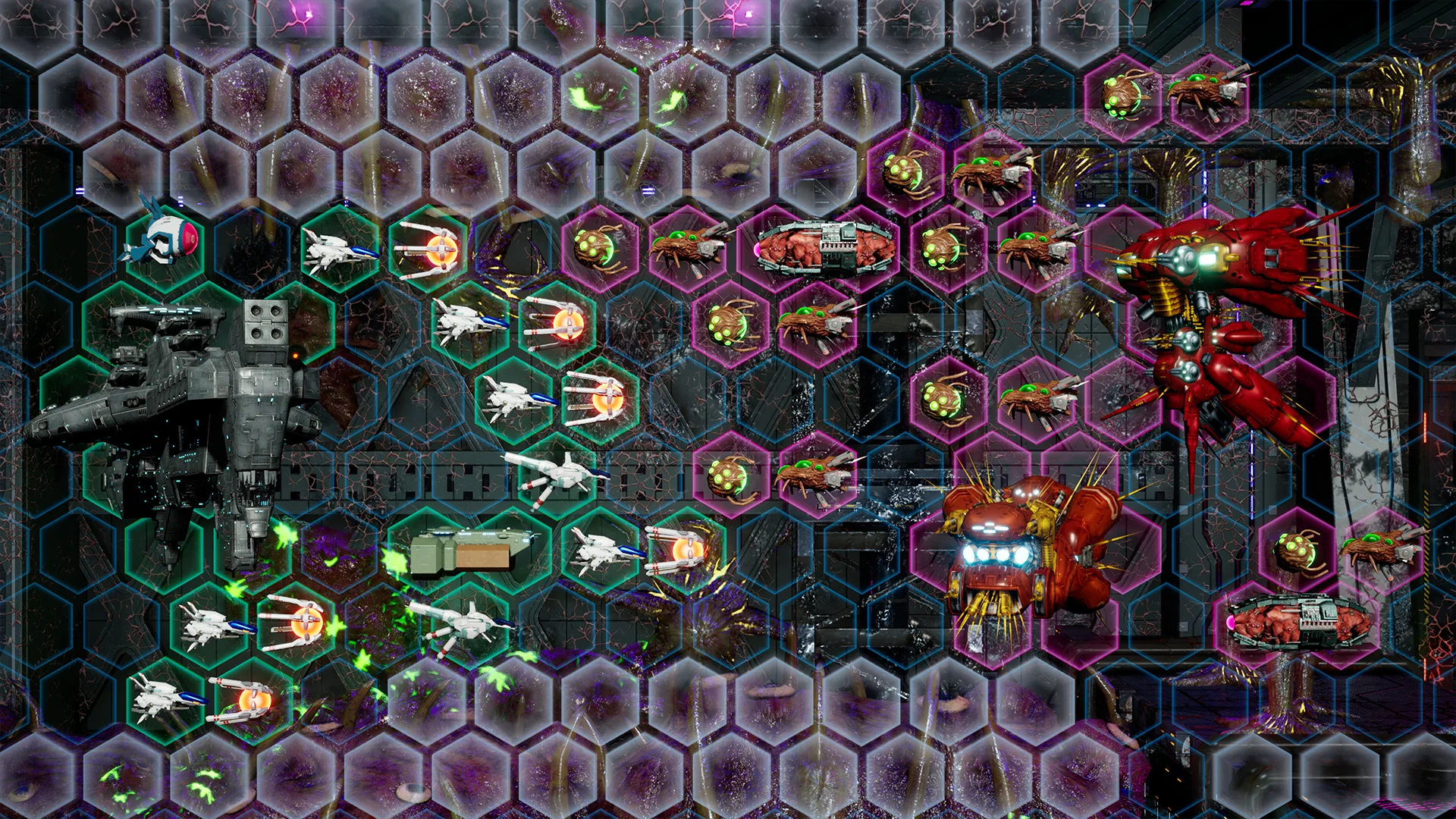
For decades, the R-Type franchise has served as the gold standard for the side-scrolling "shoot-’em-up" genre. Known for its punishing difficulty, iconic biomechanical aesthetic, and the strategic deployment of the "Force" module, Irem’s flagship series defined the arcade experience of the late 1980s and 90s. However, in 2007, the series took a daring, unexpected left turn with R-Type Tactics. By stripping away the twitch-reflex demands of the traditional arcade format and replacing them with methodical, turn-based strategy, the developers fundamentally altered how fans interacted with the Bydo menace.
Now, with the release of R-Type Tactics I & II Cosmos, developer Granzella—a studio founded by former Irem staff—has resurrected these cult classics for a new generation. By remastering the original 2007 title and finally bringing its 2009 Japanese-exclusive sequel, Operation Bitter Chocolate, to the global stage, Granzella has offered a comprehensive, if flawed, look at a unique intersection of genres.
The Evolution of a Strategic Shift
The transition from R-Type’s fast-paced action to the deliberate, grid-based movement of Tactics was a gamble that prioritized long-term planning over short-term survival. The core gameplay revolves around managing the Earth Space Corps (ESC) in a desperate crusade against the Bydo, an ever-evolving, nightmare-inducing alien armada.
While the original shooters focused on a single pilot’s survival, Tactics places the player in the role of a fleet commander. You are tasked with overseeing massive capital ships, specialized fighter wings, and support units, all while navigating the cold, claustrophobic expanse of space. This shift in perspective allows for a deeper exploration of the R-Type universe, transforming the Bydo from mere obstacles to be dodged into complex, multifaceted threats that require genuine tactical counterplay.
A Chronology of Conflict: From Irem to Granzella
The lineage of this collection is as much a story of industry history as it is of gameplay.
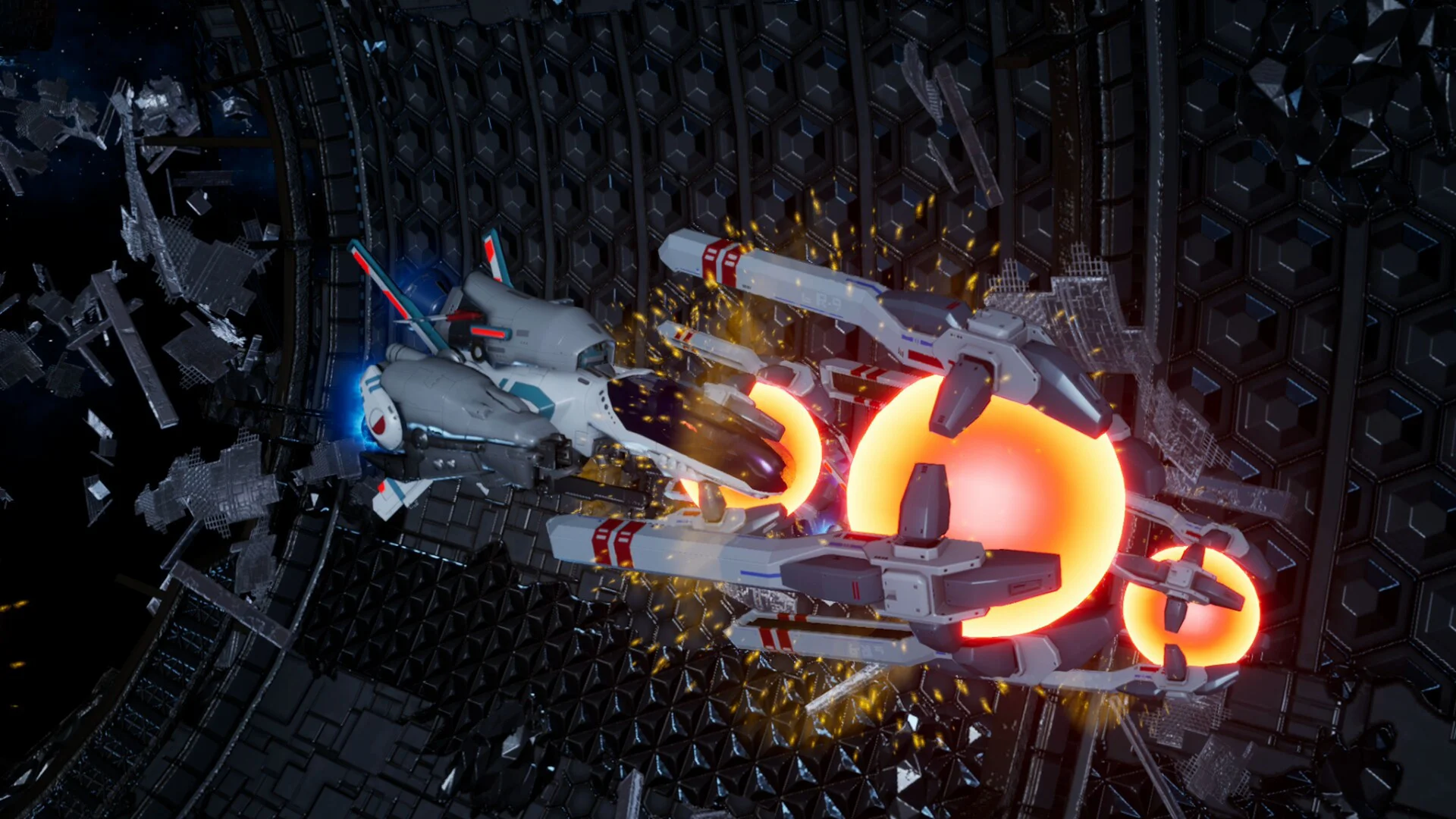
- 2007: Irem releases R-Type Tactics for the PlayStation Portable (PSP). It introduces the "Force" system as a strategic asset, where players must dock and undock modules to change firing patterns and defensive capabilities.
- 2009: The sequel, R-Type Tactics II: Operation Bitter Chocolate, is released in Japan. It expands the scope significantly, introducing branching narrative paths, human factionalism, and the inclusion of the Granzella Revolutionary Army—a rogue faction utilizing Bydo technology.
- 2024-2026: Granzella, formed by former Irem developers, acquires the rights and sets out to preserve the series. The project culminates in R-Type Tactics I & II Cosmos, utilizing the Unreal Engine to breathe new life into the aging assets of the PSP era.
This collection marks the first time Western audiences have had official access to the second entry, a significant milestone for preservationists who have spent years navigating fan-translated ROMs.
The Visual and Auditory Renaissance
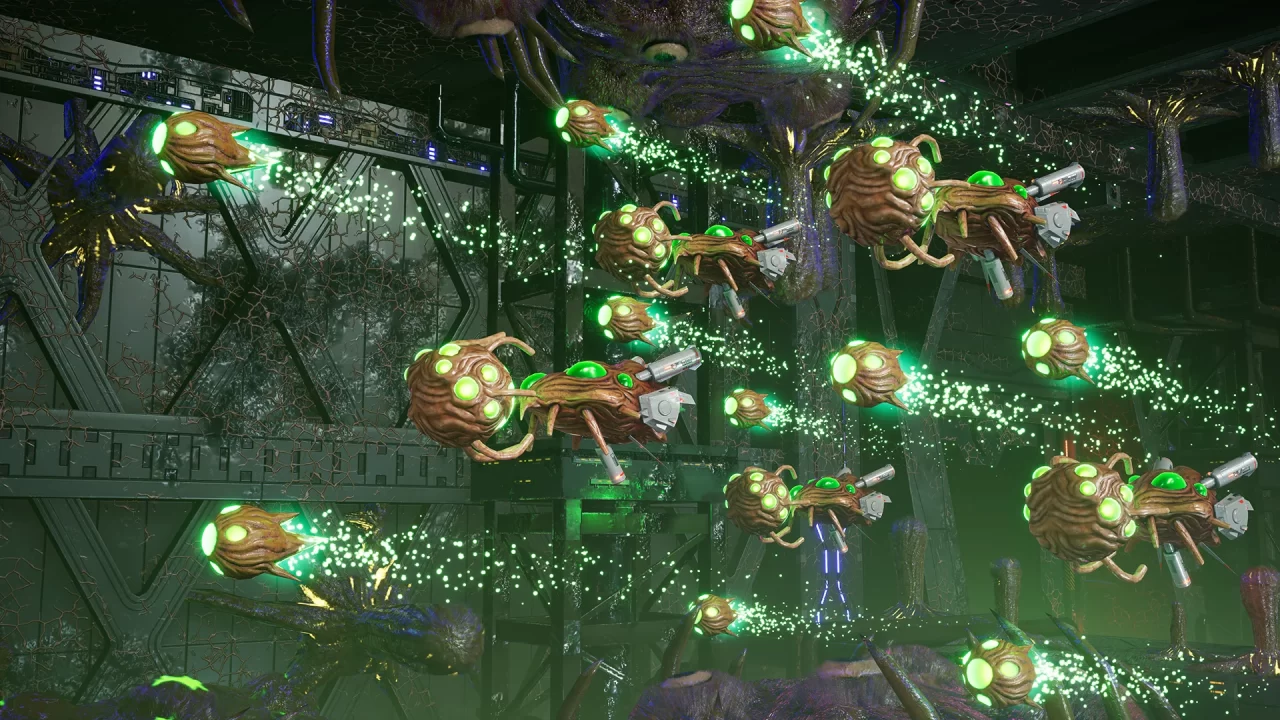
Visually, R-Type Tactics I & II Cosmos is a triumph of modern restoration. The upgraded scenario cutscenes retain the "greebled," industrial-horror aesthetic that made the original games so distinct, but with a modern sheen that makes unit identification much sharper. The Bydo adversaries are particularly well-realized, with towering, screen-dominating bosses that feature fluid animations and grotesque, biomechanical detail.
The transition from the top-down tactical map to the 3D combat vignettes provides a cinematic flair that helps justify the game’s slower pace. While players will likely skip these animations after the tenth or twentieth encounter, they are undeniably effective at grounding the player in the scale of the conflict. Complemented by a driving, tense, and synth-heavy soundtrack, the game creates an atmosphere of dread that feels entirely authentic to the R-Type legacy.
Tactical Depth and Mechanical Nuance
The gameplay loop is built upon the fundamental, and perhaps rigid, rule of the R-Type universe: everything moves from left to right. This isn’t just a stylistic choice; it dictates the mechanics of combat. Charged shots are emitted from the front of the unit, meaning orientation is paramount. If your fleet is caught facing the wrong way, their primary offensive capabilities are essentially neutralized.
The Complexity of the Force
The "Force" module, the series’ most famous gimmick, is reimagined here as a tactical resource. Docking a module requires an action point but provides a defensive shield and a secondary attack vector. Mastery of this system is mandatory for success. When combined with support craft that can repair hulls and resupply ammunition, the game transforms into a high-stakes puzzle.
Advanced Manuevers
As the campaign progresses, the game introduces "desync" craft and phasing abilities. These units can bypass terrain, allowing for pincer movements and ambushes. However, these abilities come at the cost of high fuel consumption, forcing players to manage a precarious supply chain. The game also introduces environmental hazards—fog of war, vertical layouts, and liquid environments—that break the traditional left-to-right flow, ensuring that even veteran commanders are constantly kept on their toes.
Critical Challenges: The Friction of Old Design
Despite the polished exterior, R-Type Tactics I & II Cosmos carries the "clunky bones" of its 2007 predecessor. The user interface, while modernized, still requires excessive menu navigation to manage even small fleets. The lack of an interactive tutorial is perhaps the game’s greatest failure; instead of guiding the player, the game provides dense, dry text logs that fail to explain critical statistics and combat keywords.
Furthermore, the game’s difficulty curve is unforgiving. It relies on a "trial-by-fire" approach where failure is expected. While losing a mission allows the player to keep resources and experience points, the grinding required to catch up can feel tedious. Because the UI provides little feedback on which technology trees are worth pursuing, new players can easily waste hours on "dead-end" upgrades.
Official Responses and Developer Intent
Granzella has positioned this collection as a "labor of love." By bringing together two distinct, challenging titles and modernizing them for PC and console, they are clearly targeting a niche audience of strategy enthusiasts and R-Type purists. In interviews, the developers have emphasized their desire to respect the original game’s "ruthless nature," arguing that the friction of the gameplay is part of what makes the eventual victory satisfying. However, critics have noted that this "old-school" design philosophy often clashes with modern expectations of accessibility and quality-of-life features.
Implications for the Genre
The release of R-Type Tactics I & II Cosmos serves as a case study in the challenges of remastering strategy titles. While the graphical update is undeniable, the underlying design—which was built for the limitations of the PSP—occasionally feels dated in a market saturated with more fluid, accessible strategy games like Fire Emblem or XCOM.
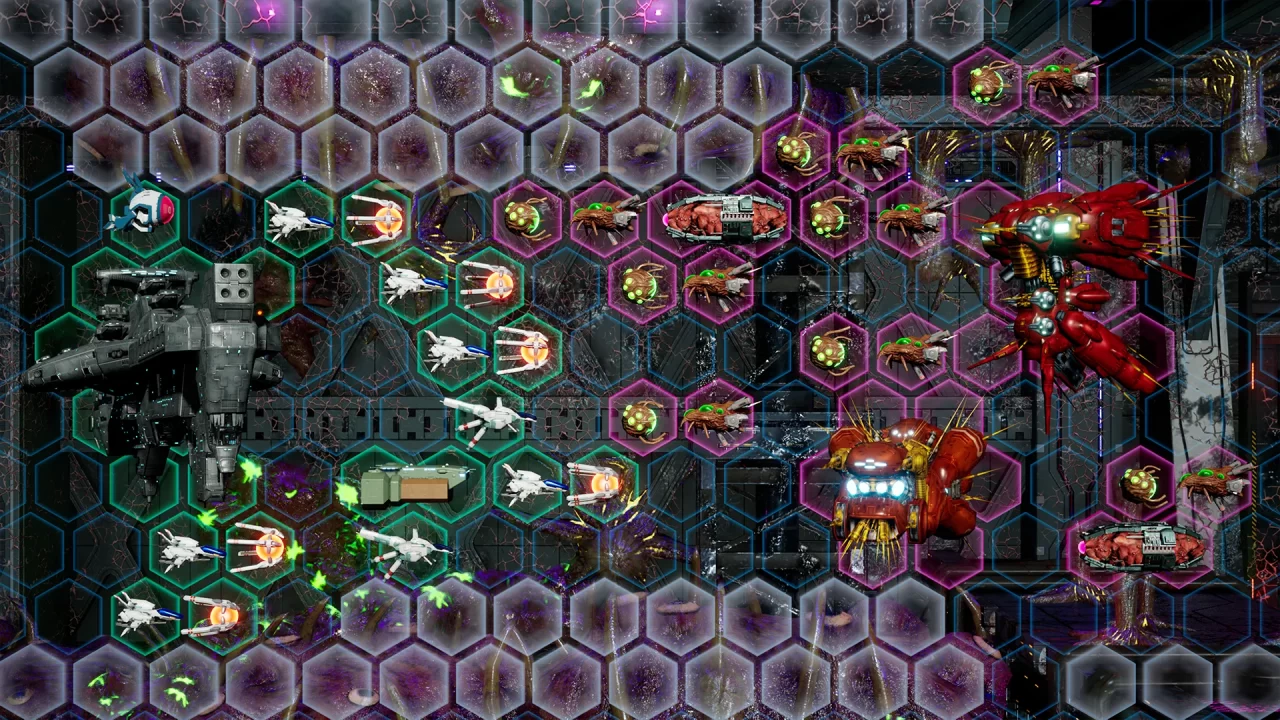
For the hardcore fan, this collection is a treasure trove. It offers dozens of hours of content, deep tactical permutations, and the long-awaited opportunity to engage with the narrative complexities of Operation Bitter Chocolate. For the casual strategy fan, however, the barrier to entry is high. The game demands a significant time investment and a high tolerance for repetitive, menu-heavy management.
Ultimately, the fate of your fleet, and indeed the entire Earth Space Corps, rests on your ability to adapt to these archaic, demanding systems. R-Type Tactics I & II Cosmos is a beautiful, complex, and occasionally frustrating relic that has been polished for the modern era. It does not reinvent the strategy genre, but it stands as a testament to the fact that, even after nearly two decades, the Bydo threat remains as terrifying and tactical as ever. Whether you choose to engage with this brutal campaign will depend on your appetite for a hard, unforgiving fight in the cold vacuum of space.


 Asro
Asro
 Muslim