Ammar Sabilarrohman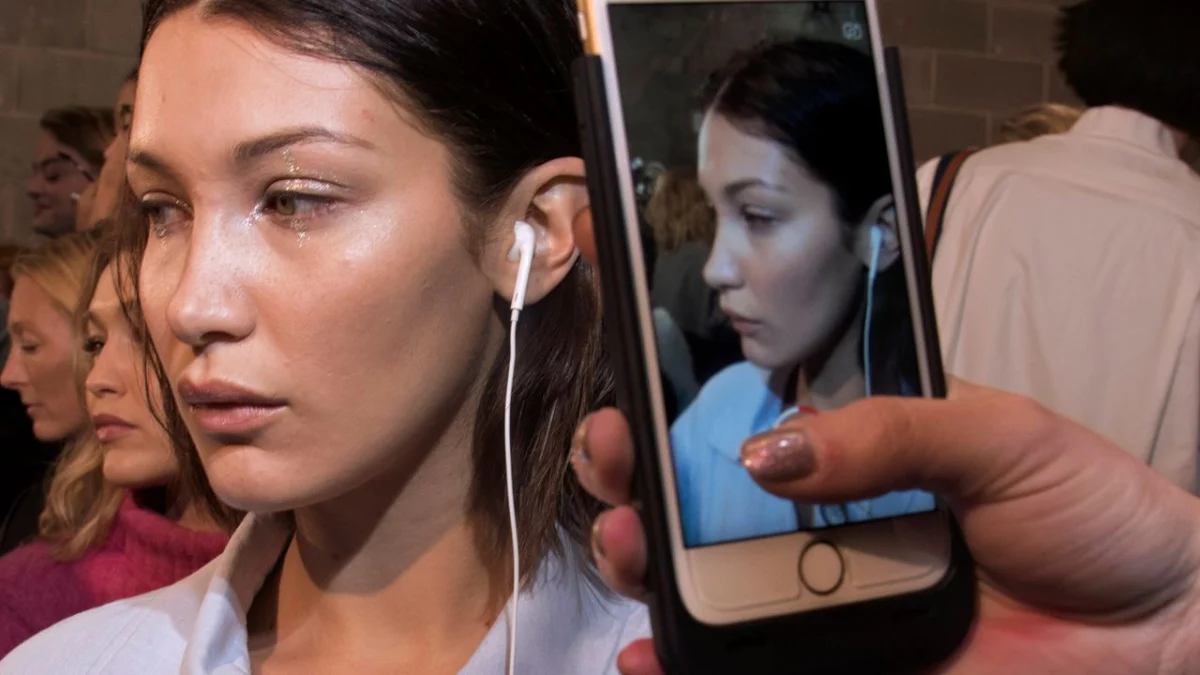
For years, the trajectory of personal audio seemed inevitable. Following the removal of the 3.5mm headphone jack from flagship smartphones, the industry underwent a seismic shift toward wireless freedom. We traded cables for Bluetooth connectivity, battery anxiety, and the constant fear of losing a tiny, expensive bud down a subway grate.
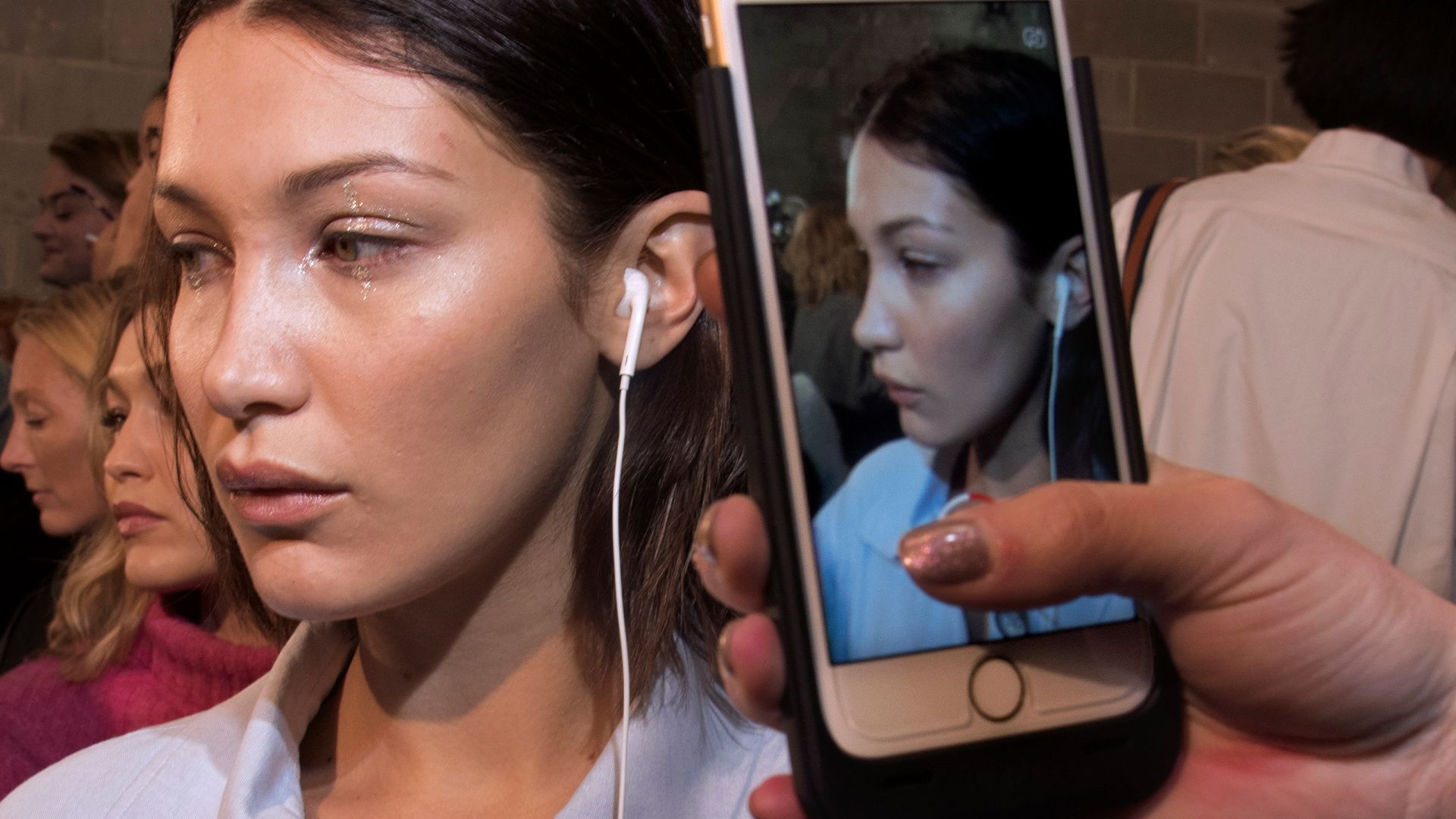
However, as the summer heat rises and the novelty of "smart" audio begins to wane, a surprising counter-movement has emerged. The "wired headphone aesthetic"—popularized by trendsetters like Bella Hadid and documented by dedicated digital communities—is no longer just a nostalgic throwback. It is a full-scale cultural pivot. What was once dismissed as an archaic inconvenience is now being embraced as the ultimate accessory for the modern, discerning minimalist.
The Decline of the Wireless Monopoly: A Chronology of the Trend
The decline of the wired headphone began in earnest in 2016, when Apple launched the first generation of AirPods. At the time, the tech world hailed it as a revolution in user experience. For nearly a decade, the narrative was clear: wireless was the future, and wired was the past.
2016–2020: The Era of "AirPodification"
During this period, true wireless stereo (TWS) earbuds became a status symbol. They signaled that the wearer was tech-savvy, affluent, and unencumbered by the "clutter" of cables. Bluetooth connectivity improved, and active noise cancellation (ANC) became the gold standard for commuters.
2021–2023: The Fatigue Sets In
As the market became saturated with wireless buds, the novelty began to fade. Users encountered a new set of problems: the inevitable degradation of lithium-ion batteries, connection dropouts in crowded cities, and the environmental impact of non-repairable, disposable tech.
2024: The "Wired It Girl" Emergence
The current trend finds its roots in a broader "anti-tech" sentiment among Gen Z and younger Millennials. Social media platforms, particularly TikTok and Instagram, began highlighting the "wireditgirl" aesthetic. It wasn’t just about audio quality; it was about the deliberate choice to slow down, to remain untethered, and to signal a resistance to the hyper-connected, notification-heavy lifestyle that wireless buds facilitate.
The Case for the Cable: Why Less Is More
While audiophiles have always championed wired connections for their lack of compression and superior fidelity, the current movement is less about technical specifications and more about social and psychological ergonomics.
1. The Death of Battery Anxiety
The most pragmatic argument for returning to wired headphones is the elimination of the charging cycle. In an age where we are forced to charge our phones, watches, laptops, and tablets, the addition of earbuds to the charging queue is an unnecessary cognitive burden. Wired headphones are "always on"—a simple plug-and-play solution that functions as long as your device has power.
2. The Aesthetics of Intentionality
Fashion is often a rebellion against the status quo. In a world where everyone is wearing identical white plastic buds, the presence of a cord—whether it’s the classic white Apple EarPods or a pair of high-end vintage Sennheisers—is a visual disruption. It signals that the wearer is not interested in the "invisible" tech aesthetic, but rather in a tangible, tactile experience.
3. The Social Signal
There is a unique social dynamic to wearing wired headphones. They are arguably less "anti-social" than noise-canceling wireless buds. Because they don’t provide a complete seal against the outside world, they invite a different kind of interaction. Furthermore, the act of "sharing a song" by handing over one of the two buds—a hallmark of the pre-Bluetooth era—has returned as a nostalgic, romantic gesture in urban culture.
Supporting Data: The Market Shift
While Bluetooth remains the dominant market share, the resurgence of wired peripherals is visible in retail data. Amazon and other major retailers have reported consistent, steady sales for basic wired EarPods, despite the marketing push for high-end wireless alternatives.
Economic Accessibility
At roughly $14 to $20, wired headphones represent a democratizing force in audio. Unlike premium wireless buds that often retail for $200+, wired options provide high-quality sound without the barrier of entry. This makes the "wired aesthetic" accessible to anyone, regardless of their budget.
The Sustainability Factor
From a sustainability standpoint, the wired headphone is a triumph of longevity. Because they lack internal batteries, they do not suffer from the "planned obsolescence" that plagues modern wireless earbuds. A pair of wired headphones can last for a decade with proper care; a pair of wireless earbuds, by contrast, is often considered "e-waste" after two or three years once the battery fails to hold a charge.
Official Responses and Industry Perspectives
Industry analysts have been quick to note the trend, viewing it as a symptom of "digital detox" culture.
"We are seeing a pendulum swing," says Sarah Jenkins, a consumer electronics analyst. "After years of optimizing for convenience, the market is beginning to prioritize durability and aesthetic differentiation. The ‘wired’ look is a visual shorthand for being ‘unplugged’ from the constant stream of digital noise, even while the user is technically consuming media."
Tech manufacturers, however, remain committed to the wireless path. Most flagship phone manufacturers have no intention of reintroducing the 3.5mm jack, as the space saved inside the device is vital for larger batteries and advanced camera arrays. This has created a secondary market for high-quality USB-C to 3.5mm DAC (Digital-to-Analog Converter) dongles, which have seen a surge in popularity as users seek to connect their "vintage" wired gear to modern, port-less smartphones.
Implications for the Future of Personal Audio
What does this return to wired mean for the future of personal audio? It suggests a bifurcated market.
- The Utility Track: High-end wireless buds will continue to dominate for fitness, office work, and long-distance travel, where noise cancellation and freedom of movement are non-negotiable.
- The Lifestyle Track: The wired segment will continue to grow as a fashion-forward, sustainable, and minimalist alternative. We are likely to see more premium audio brands releasing wired versions of their popular models, catering to a demographic that values the tactile connection to their music.
The "Wireditgirl" Summer and Beyond
The "wireditgirl" phenomenon is likely to evolve from a trend into a permanent lifestyle niche. As users become more conscious of the environmental cost of disposable electronics and the psychological drain of constant connectivity, the humble wire will remain a potent symbol of agency.
Choosing to wear wired headphones is a quiet act of defiance. It says: "I control my technology; it does not control me." Whether you are looking to save money, improve your street-style aesthetic, or simply reduce the number of devices you need to charge each night, the return to wired is not a step backward—it is a reclamation of the personal audio experience.
In the final analysis, the appeal of the wired headphone lies in its simplicity. It does not require an app, it does not need a firmware update, and it does not need to be paired. It just works. In an increasingly complex world, that simplicity is not just a feature—it is a luxury. So, next time you are out on your commute, look around. You might just find yourself in the company of a growing alliance of people who have decided that sometimes, being tied down is the most freeing feeling of all.

 Dwi Wanna
 Asro
Asro