Lina Hope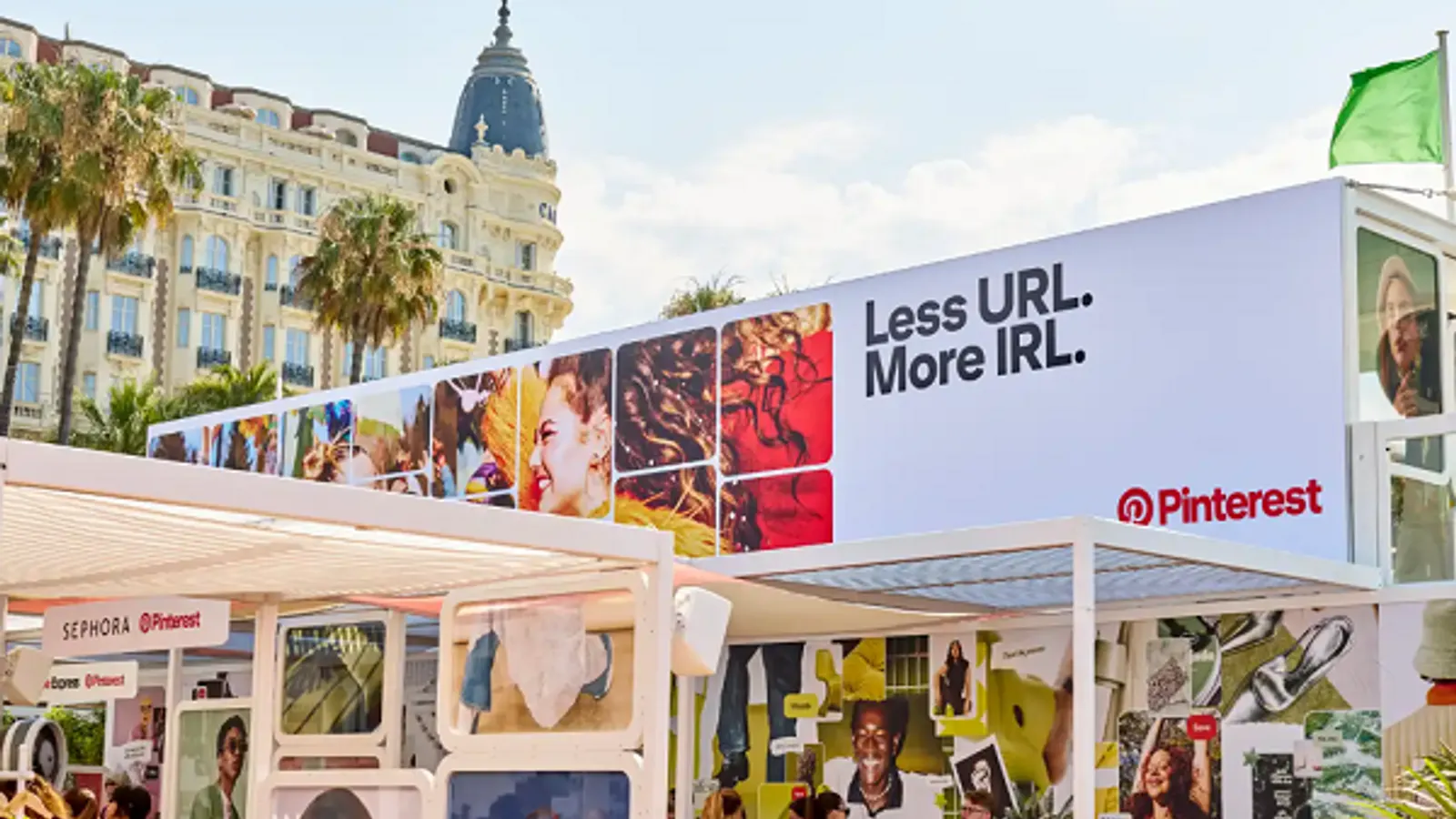
At the heart of the bustling Cannes Lions International Festival of Creativity, Pinterest has staked its claim as more than just a digital mood board. Through its fourth annual "Manifestival" showcase, the platform is doubling down on its unique market position—bridging the gap between online inspiration and physical-world execution. By transforming abstract digital trends into immersive, tactile experiences, Pinterest is signaling to advertisers and creators alike that its ecosystem is a powerful engine for real-world consumer behavior.
The Manifestival: A Deep Dive into the Concept
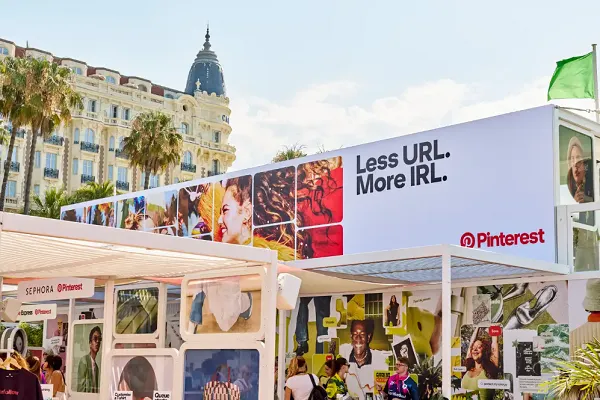
The Pinterest Manifestival is not merely a corporate booth; it is a manifestation of the brand’s core philosophy: "Less URL, More IRL." As the platform continues to distance itself from the noise of traditional social media—which often prioritizes endless scrolling and reactive engagement—Pinterest is leaning into proactive discovery.
The installation serves as a physical, three-dimensional representation of the Pinterest user journey. Attendees are invited to walk through a "real-life Pinterest board," where the digital content they might encounter on their mobile devices is reimagined as something they can taste, touch, wear, and carry home. This sensory-driven approach is designed to highlight the platform’s utility as a tool for planning, shopping, and life-designing.
Key Features of the Experience
This year’s showcase includes several high-profile collaborations and interactive stations designed to demonstrate the platform’s cultural resonance:
- The Pinterest Patisserie: Inspired by the vast array of trending recipes shared on the platform, this station offers a culinary exploration of global food trends, proving that digital inspiration can manifest in delicious, tangible ways.
- The Tattoo Studio: Perhaps the most viral element of the activation, the studio offers visitors trend-inspired permanent ink. By turning fleeting digital aesthetics into permanent souvenirs, Pinterest emphasizes its role in the long-term lifestyle choices of its users.
- The Adobe Visual Search Studio: In a strategic partnership with Adobe, this station allows guests to utilize handheld scanners to identify their "personal aesthetic." Once a style profile is established, on-site designers leverage Adobe Express to translate those visual preferences into a bespoke, printed journal, demonstrating the seamless integration of digital discovery and creative production.
- The Sephora Beauty Activation: Focused on the "Pinterest Palette," this collaboration encourages attendees to embrace bold self-expression. From hair stenciling to bleach-painted clothing and experimental makeup techniques, the activation encourages users to bring screen-based trends into the physical world, cementing Pinterest’s influence in the beauty and fashion sectors.
Chronology: The Evolution of Pinterest’s Cannes Presence
Pinterest’s journey at Cannes has mirrored its own evolution as a platform. Over the past four years, the company has transitioned from a networking-focused presence to a brand-building powerhouse.
- Year One: The initial foray into Cannes was exploratory, focusing on introducing Pinterest as a discovery engine rather than a traditional social network.
- Years Two and Three: The platform began to refine its "IRL" branding, testing various interactive displays that focused on home decor and travel planning. These years served as the R&D phase for the current Manifestival format.
- The 2026 Manifestival: Now in its fourth iteration, the strategy has matured. The focus has shifted from explaining what Pinterest is to demonstrating what Pinterest does. By integrating professional tools like Adobe Express and high-end retail partners like Sephora, the platform is positioning itself as an essential partner for luxury brands and creative agencies.
Supporting Data: Why the Strategy Matters
Pinterest’s aggressive push at Cannes is not happenstance; it is backed by significant momentum. As of the first quarter of 2026, Pinterest reports a robust user base of 631 million monthly active users. More importantly, the platform’s user base is characterized by a "shopping mindset"—a quality that sets it apart from competitors like TikTok or Instagram, where users are often in a more passive, entertainment-seeking state of mind.
Market analysts note that Pinterest’s conversion rate for advertisers is disproportionately high relative to its user base size because of this intent-driven behavior. When a user pins a product or a style, it is rarely an act of idle observation; it is an act of research. By positioning itself at the center of cultural trends at Cannes, Pinterest is effectively convincing the world’s largest brands that the platform is the primary "top-of-funnel" destination for high-intent consumers.
Official Responses and Strategic Intent
In its official statement regarding the event, Pinterest emphasized the importance of turning inspiration into action. "Through personalized, unplugged experiences, the Pinterest Manifestival brings guests inside a real-life Pinterest board that turns inspiration into something they can see, taste, wear and make their own," a spokesperson noted.
This rhetoric is carefully chosen to appeal to the CMOs and creative directors present at the festival. By framing Pinterest as a "real-life" experience provider, the company is successfully pivoting away from the negative associations often linked with social media—such as digital fatigue and doom-scrolling—and replacing them with concepts of productivity, creativity, and self-actualization.
Implications for Marketers and Brands
For marketing professionals, the implications of Pinterest’s Cannes strategy are clear: the platform is no longer a secondary ad channel. It is a fundamental part of the consumer’s decision-making process.

1. From Impression to Experience
The Manifestival underscores that modern consumers want more than just an advertisement; they want an experience. Brands that leverage Pinterest are finding that their content is more likely to be integrated into a user’s life plan rather than ignored as an annoyance.
2. The Power of Personalization
The partnership with Adobe is particularly telling. It highlights a future where AI and handheld scanners allow users to instantly bridge the gap between their aesthetic preferences and the products they buy. Marketers who can align their brand assets with these "aesthetic trends" will find significant favor with the Pinterest algorithm and its highly engaged audience.
3. Strengthening the "Shopping Mindset"
By curating experiences around beauty, food, and design, Pinterest is reinforcing its status as a "bottom-of-the-funnel" powerhouse. The more the platform can prove that it drives real-world purchases, the more it can command premium advertising rates.
Conclusion: A Future Built on Inspiration
As the 2026 Cannes Lions festival concludes, Pinterest’s influence on the advertising landscape remains clear. By moving the platform from the screen to the street, the company has successfully demonstrated that its digital ecosystem is fundamentally rooted in physical reality.
For the 631 million users who frequent the app, the "Manifestival" is simply a physical manifestation of their daily habits. For the advertisers in Cannes, it is a wake-up call that the future of brand engagement lies in providing users with the tools to live the lives they pin. Pinterest is not just tracking trends; it is providing the blueprint for how those trends are brought to life. As the platform continues to grow, its ability to maintain this balance between digital discovery and tangible output will likely be the primary engine of its continued success in the competitive digital media market.

 Rifan Muazin
 Suro Senen