Jia Lissa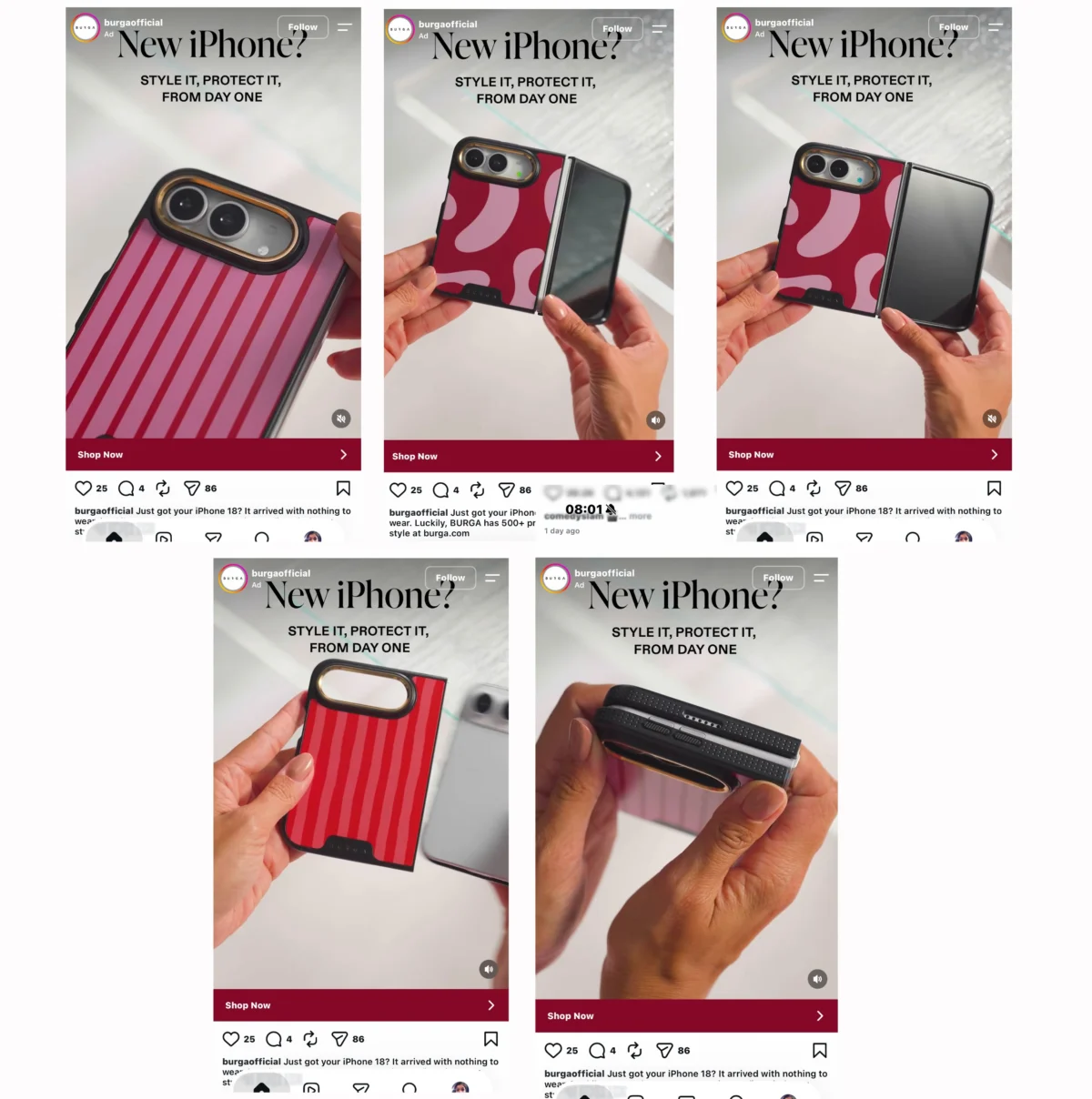
The tech world is holding its collective breath. Later today, at Apple’s highly anticipated "Surprise and Shine" event, the Cupertino giant is expected to break its most significant design taboo since the original iPhone launch in 2007. For months, industry analysts, supply chain leakers, and the design community have been whispering about the "iPhone Ultra," a high-end, foldable device that many assumed would represent the pinnacle of Apple’s hardware innovation.
However, in a last-minute report that has sent shockwaves through the tech ecosystem, Bloomberg’s Mark Gurman has effectively upended the narrative. According to Gurman, the device—which signals a paradigm shift in Apple’s mobile strategy—will be branded as the iPhone Duo. This pivot in naming strategy suggests a focus on duality, productivity, and the hybrid nature of a device that straddles the line between a pocketable phone and a high-performance tablet.
The Core Specs: A Powerhouse in the Palm of Your Hand
The iPhone Duo is not merely a cosmetic redesign; it is a technical overhaul intended to justify an eye-watering price point ranging from $2,000 to $3,000.
At the heart of the device lies the A20 Pro chip, a silicon marvel rumored to offer desktop-class performance that will allow for complex multitasking. The most defining feature of the Duo’s software ecosystem is its ability to run applications in a true parallel environment. Unlike the current iPhone interface, which relies on a vertical stack of apps, the Duo’s primary internal display will support a split-screen workspace, enabling users to manage creative assets, communications, and data sets simultaneously.
For the creative professional, perhaps the most exciting revelation is the integration of Apple Pencil support. By bridging the gap between the iPad’s creative utility and the iPhone’s portability, Apple is clearly positioning the Duo as a legitimate mobile workstation for digital artists, designers, and architects.
Regarding optics, the device is reported to feature a dual-48MP rear camera array, optimized for high-fidelity capture in varying lighting conditions, paired with a 12MP front-facing sensor for video calls—a standard, albeit necessary, inclusion for a device of this stature. Available in a sleek palette of white and deep, matte dark blue, the Duo aims to maintain the minimalist, premium aesthetic that Apple has cultivated for years.
A Chronology of Anticipation: How We Got Here
The journey to the iPhone Duo has been one of the most visible "slow-motion" reveals in modern tech history.
- Early 2026: Supply chain rumors begin to circulate regarding a "hinged" iPhone project, internally dubbed "Project V."
- April 2026: Leaked schematics suggest a folding mechanism that mimics the current "book-style" fold popularized by competitors, yet with a distinct Apple-designed hinge that sits flush when closed.
- August 2026: Dummy units begin appearing in the hands of accessory manufacturers, specifically those catering to the high-end luxury market.
- September 8, 2026: Major accessory brands, including ESR, Spigen, and Dbrand, accidentally (or perhaps strategically) publish advertisements on social media platforms featuring the device.
- The "Burga" Incident: Mere hours before the event, the accessory brand Burga inadvertently shared an Instagram ad showcasing the device, providing the clearest look yet at the hardware.
This sequence of events represents a departure from Apple’s notoriously tight-lipped security protocols. Historically, the company has managed to maintain an "iron curtain" around its product designs until the moment of the keynote. The fact that multiple accessory manufacturers have showcased the device suggests either a failure in Apple’s non-disclosure agreement (NDA) enforcement or a calculated leak to build market momentum for a product that carries a premium price tag.
Accessory Manufacturers: The Unintended Whistleblowers
The proliferation of leaks from companies like Burga, ESR, and Spigen highlights an interesting dynamic in the consumer electronics lifecycle. These companies require early access to physical dimensions and design files to ensure that by the time a phone hits the shelves, the market is flooded with protective cases and accessories.
While Apple traditionally mandates strict confidentiality, the sheer number of leaks regarding the iPhone Duo implies that the "leak economy" has become too large for even Apple to contain. When I logged onto Instagram this morning, the Burga advertisement was waiting for me—a clear, rendered image of the phone in a specialized case. These images, likely derived from dummy units or early CAD files, confirm the folding form factor and the placement of the camera modules.
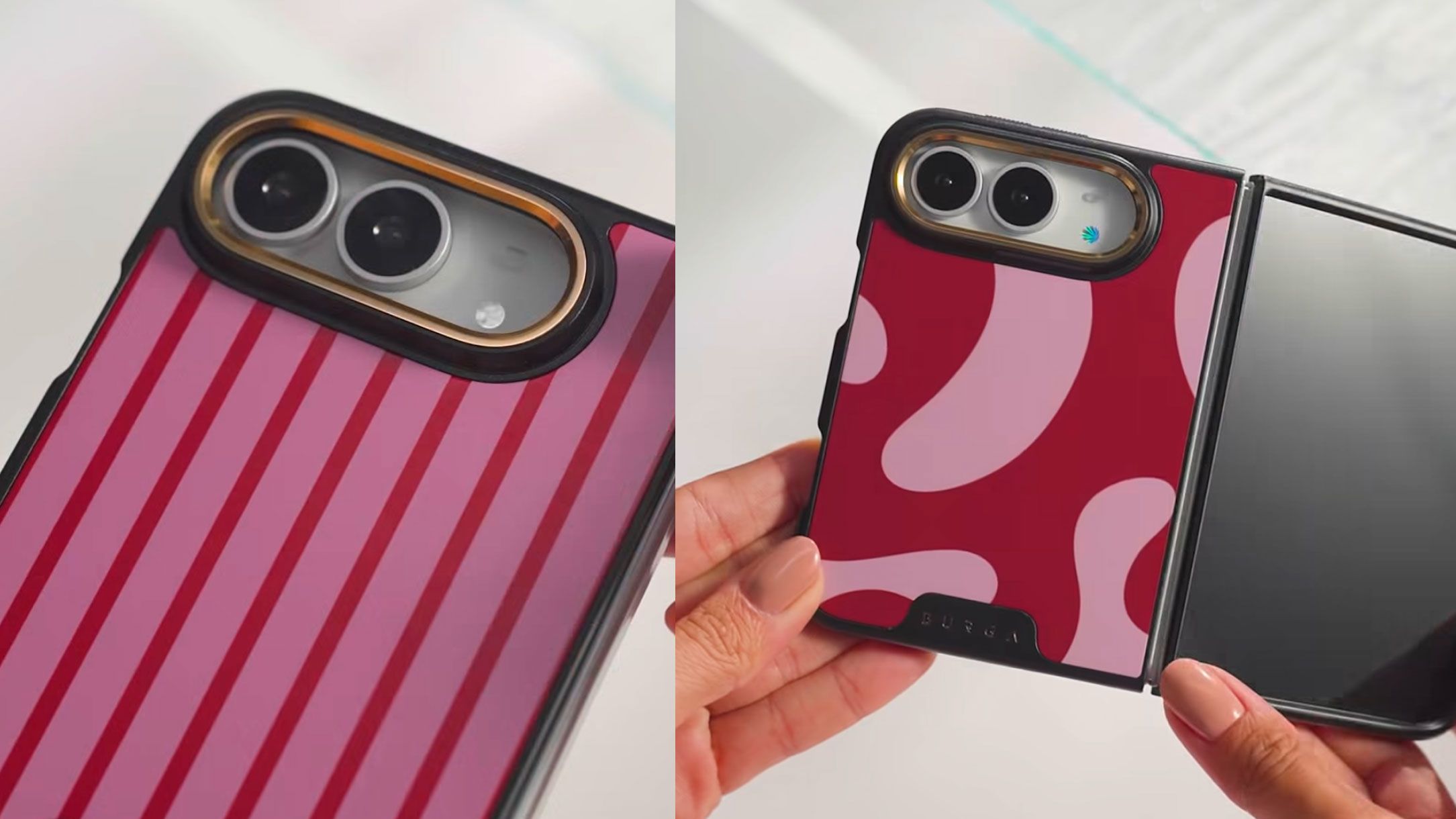
Is this a failure of security, or is the industry simply moving too fast? As we have seen with the leaks of the iPhone 18 colourways, even the most guarded secrets now have a limited shelf life. These leaks serve as a "soft launch," priming the consumer base for the sticker shock of a $2,000+ device.
The Financial Implications: Is the Price Justified?
The $2,000 to $3,000 price point is arguably the most controversial aspect of the launch. While foldable technology remains expensive to manufacture—due to the complexities of flexible OLED panels, hinge durability, and specialized battery configurations—this pricing strategy moves the iPhone into the "Ultra-Premium" luxury segment.
This is no longer a mass-market consumer device; it is a productivity tool. For the average user, the standard iPhone range remains a more logical choice. However, for the creative professional, the ability to sketch with an Apple Pencil on a folding display, combined with the power of an A20 Pro, could replace the need for carrying both an iPhone and an iPad Mini. In this light, the price tag becomes a value proposition based on the consolidation of hardware.
Looking Ahead: The Future of the Apple Ecosystem
As the "Surprise and Shine" event approaches, the industry is left to wonder: what does this mean for the future of the smartphone?
If the iPhone Duo succeeds, it will likely initiate a shift toward "modular" or "transformative" hardware across the entire Apple lineup. We have already seen hints of this with the Apple Watch Series 12, which reportedly includes advanced recording features that will likely sync seamlessly with the Duo’s capabilities.
The implications for developers are equally significant. A new form factor requires a new language of interaction. If apps are to be used in parallel, Apple will need to introduce significant updates to iOS—or perhaps a dedicated "DuoOS"—to optimize the user experience.
Final Thoughts Before the Keynote
The atmosphere in Cupertino today is electric, and for good reason. Apple is at a crossroads. They are attempting to define the next decade of mobile computing with a device that feels like a daring leap rather than an incremental upgrade.
Whether the market is ready for the iPhone Duo remains to be seen. The high price, the unique form factor, and the departure from the "Ultra" branding all point to a company that is willing to gamble on its own ability to create demand where none previously existed. As we follow the live coverage, the question remains: will the Duo truly be a revolution, or will it be remembered as a high-priced experiment in a market that is already reaching saturation?
Whatever the outcome, one thing is certain: the era of the flat, static smartphone screen is officially on notice. We invite you to follow along with our live blog as we cover every detail of the Apple event, from the keynote presentation to the first hands-on impressions of what is undoubtedly the most anticipated hardware launch of the year. Stay tuned—the future, it seems, is foldable.


 Rifan Muazin
 Nana Muazin