Reynand Wu
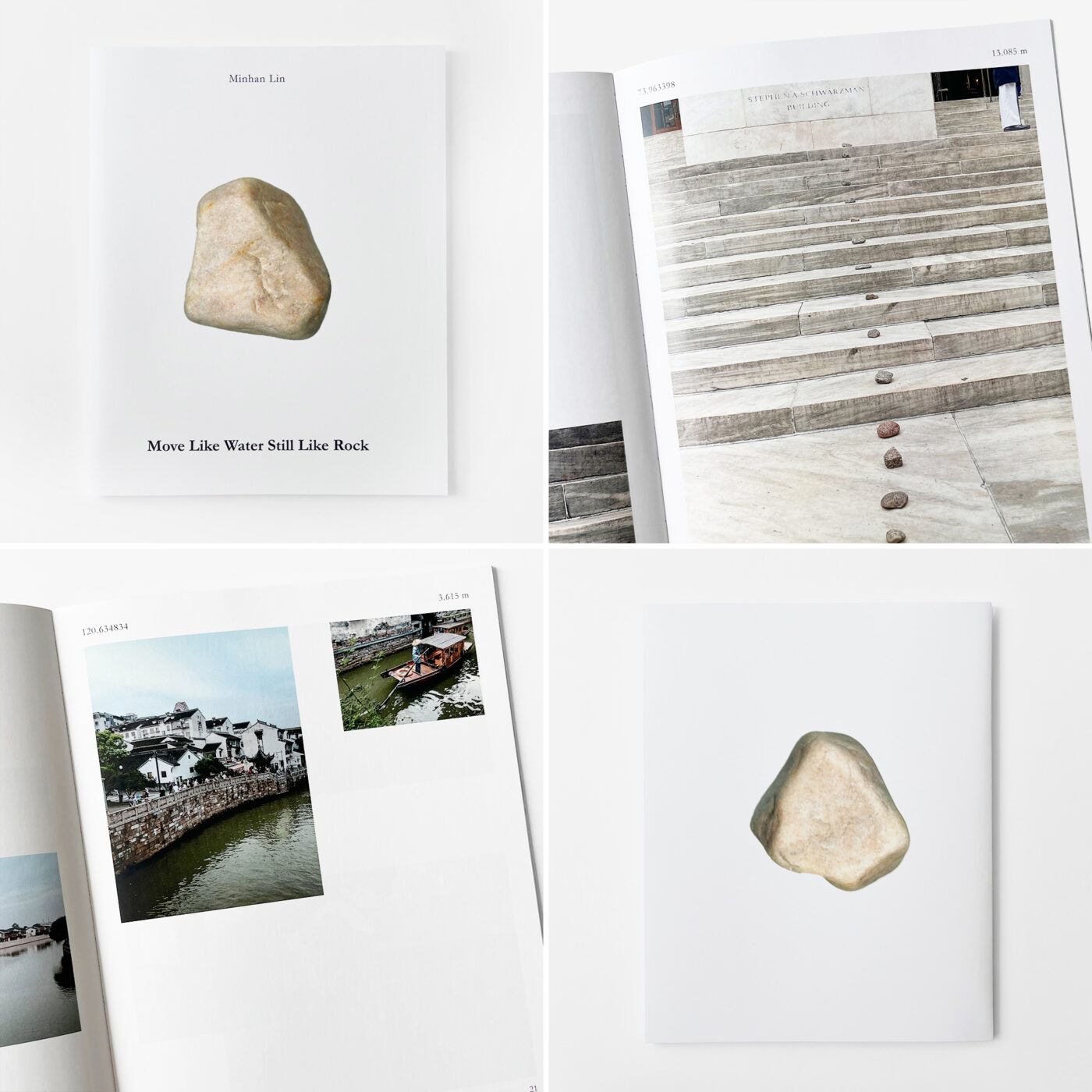
In the bustling landscape of contemporary architecture and design, few practitioners bridge the chasm between the rigid built environment and the fluid, deep-time rhythms of the natural world as effectively as Minhan Lin. A New York-based designer with a pedigree spanning Tongji University and Columbia University’s GSAPP, Lin has spent her career investigating the "co-habitation" of species. Her latest triumph, Move Like Water, Still Like Rock, is not merely a book—it is a philosophical intervention that challenges our perception of the earth beneath our feet.
Selected as a winner of the 2025 Art & Photo Book Award, Lin’s work has been transformed into a tactile zine with the support of Bookmobile, offering a profound meditation on rocks not as inert debris, but as living, breathing archives of planetary movement.
The Genesis of an Idea: Chronology of a Shifting Perspective
To understand Lin’s work, one must trace the evolution of her artistic inquiry. Her path was not a straight line toward geology, but rather a circuitous route influenced by the mundane and the architectural.
Early Foundations
Lin’s formative years were defined by a unique spatial relationship: she spent significant time in a residence where the balcony eclipsed the interior space—an architectural irony that perhaps sparked her interest in the blurred lines between inside and outside. Coupled with a childhood spent consuming a vast array of cartoons, her imagination was primed for the fantastical. However, it was her graduate studies at Columbia GSAPP that provided the formal vocabulary for her current work.
During this period, she began developing a design language centered on the coexistence of human and non-human species, specifically focusing on the terrapin. It was here that she encountered the "stillness versus movement" dichotomy that would eventually anchor her book.
The Geological Epiphany
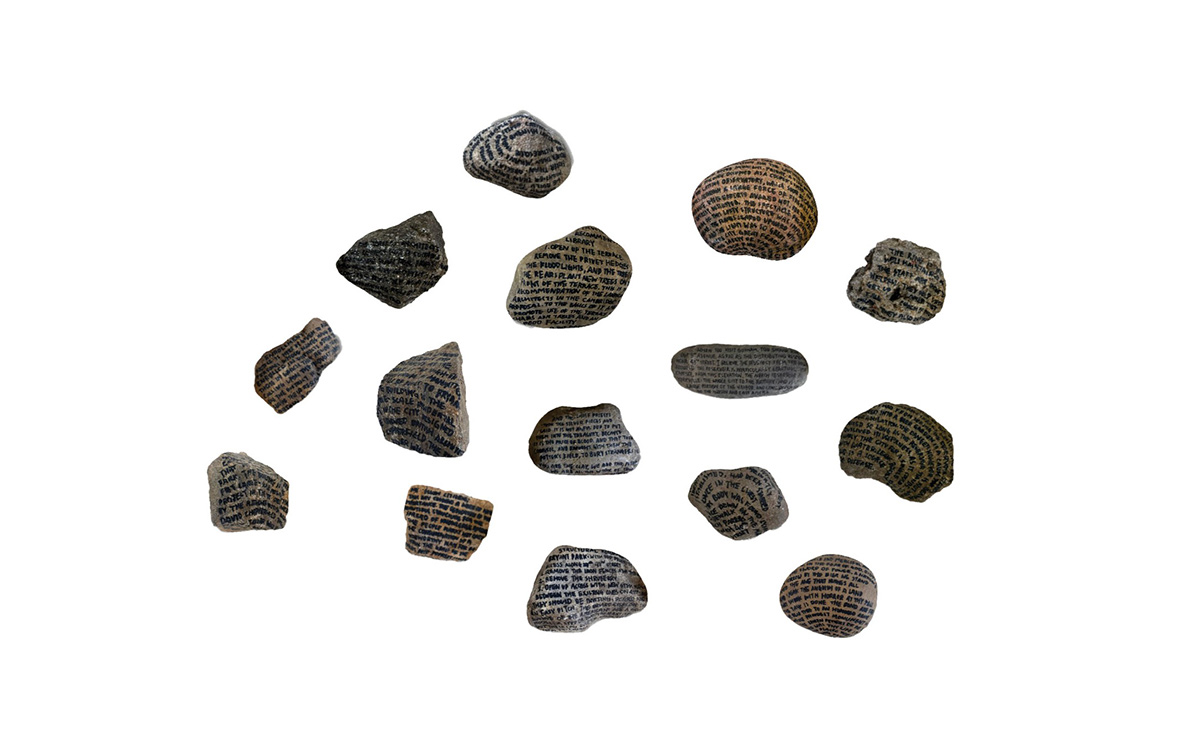
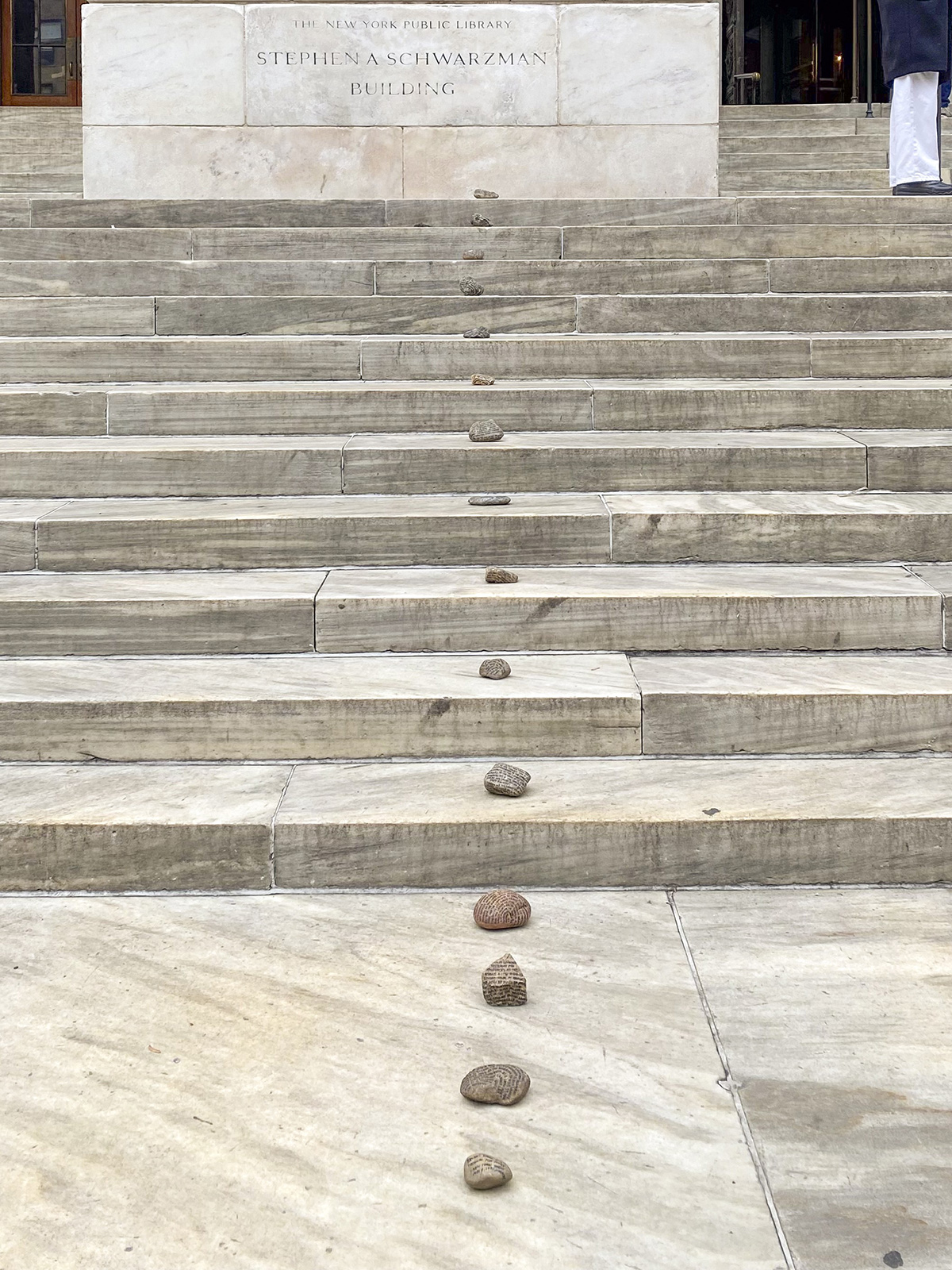
The breakthrough occurred when Lin asked a deceptively simple question: "What is something that never moves?" Her immediate, intuitive answer was "a rock." Yet, as she dug deeper into the mechanics of pressure, erosion, and tectonic time, she realized that the rock is perhaps the most active record of motion on the planet. This realization forced a retroactive audit of her own photographic archives. She discovered that, subconsciously, she had been documenting rocks for years. Move Like Water, Still Like Rock was, in many ways, an excavation of her own history, curated to reveal the "unseen energies" shaping our physical reality.
The Anatomy of the Work: Supporting Data and Philosophy
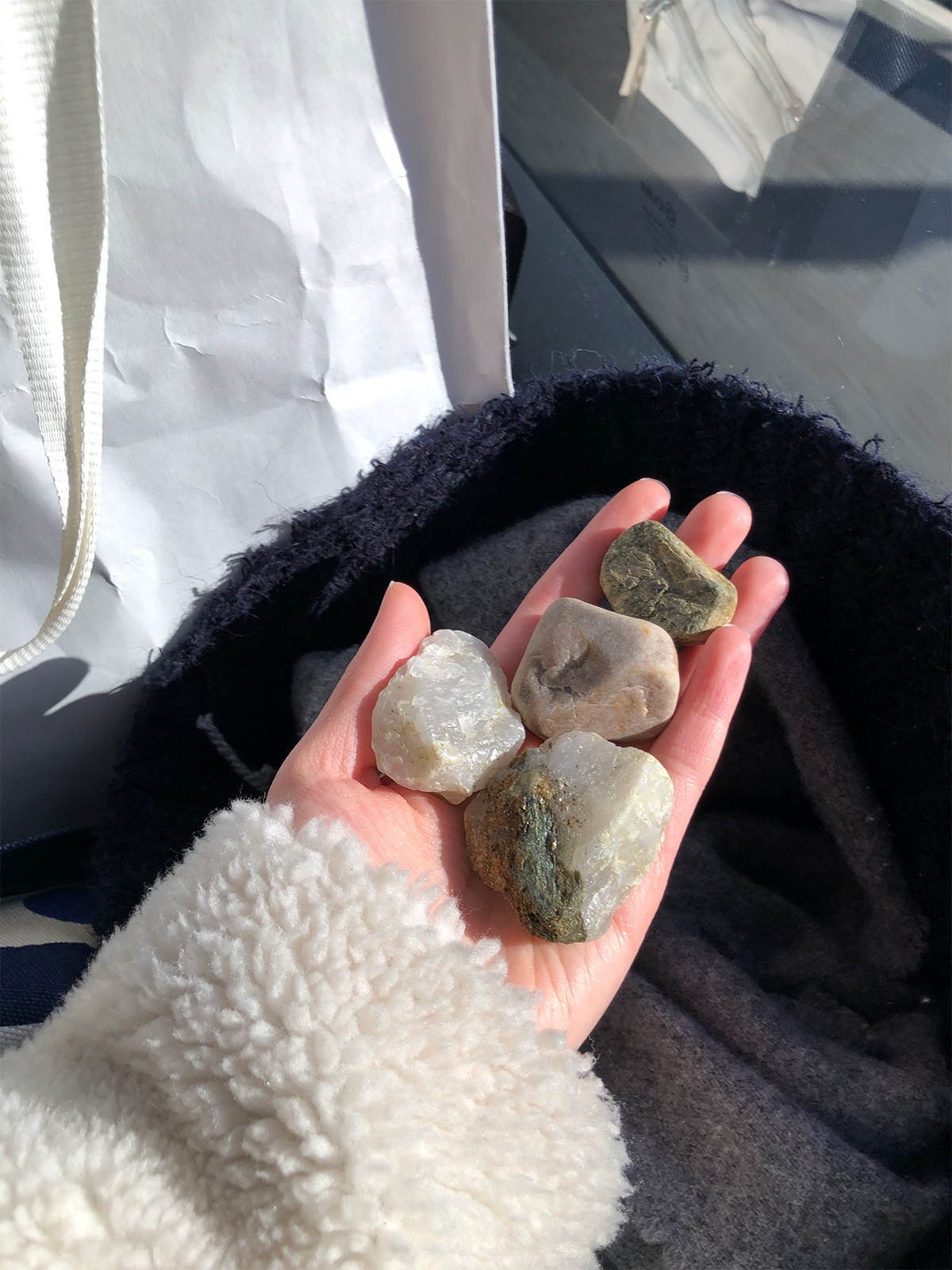
Lin’s work operates at the intersection of geology and phenomenology. By documenting the surface textures, fissures, and compositions of rocks, she invites the viewer to look past the object’s immediate state and into its temporal history.
The Physics of "Stillness"
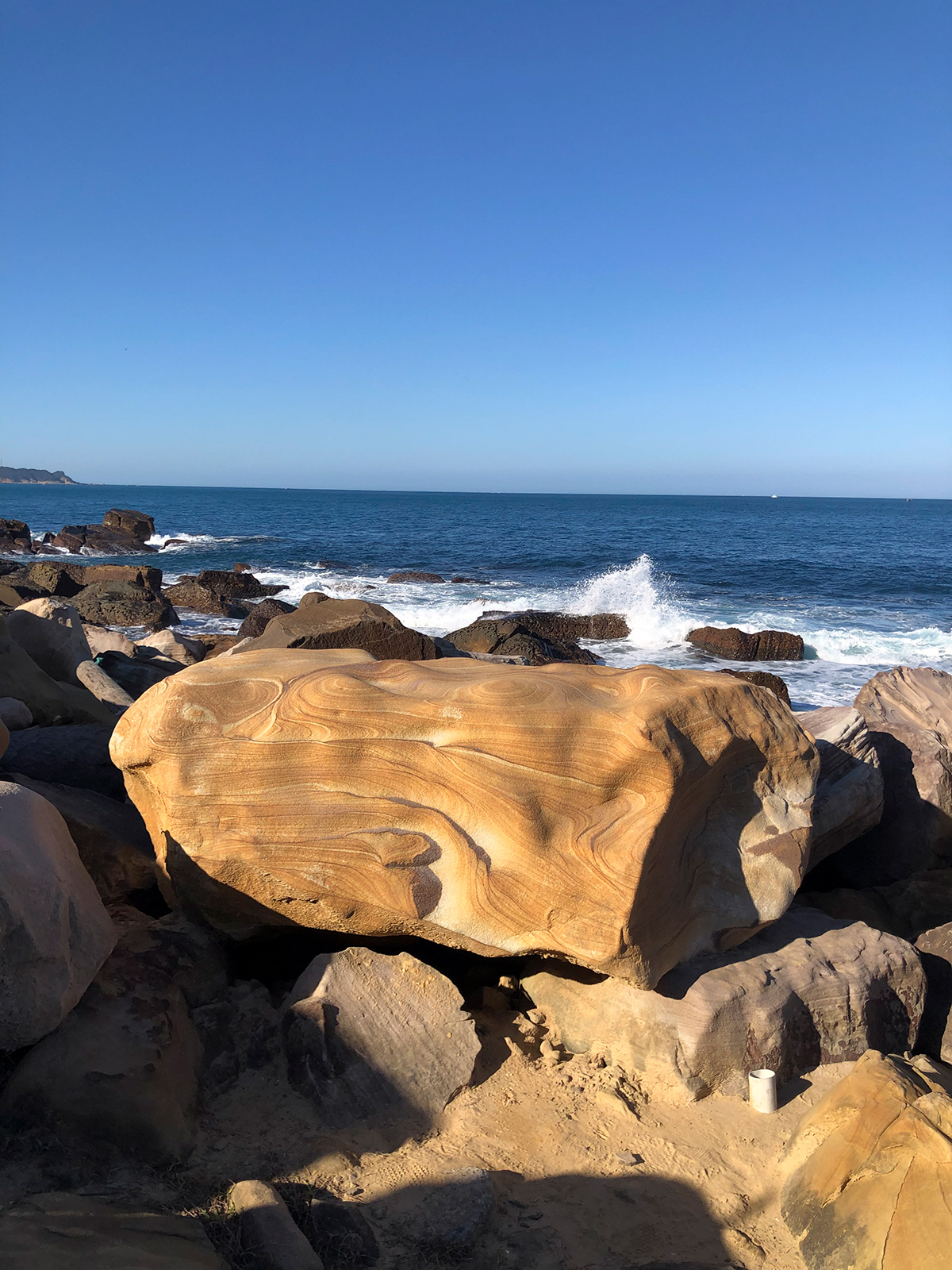
In the discourse of modern design, we often prioritize the static—the building that stands, the wall that divides. Lin argues that this is a fundamental misunderstanding of our environment. The geological record, she posits, is a process of constant becoming. A grain of sand subjected to eons of pressure is a narrative of endurance. For Lin, the rock is a medium of record-keeping, capturing the impacts of water, wind, and gravity.
The Methodological Approach
Lin balances the instinctual with the intentional. Her process begins with the "felt" experience—a spontaneous attraction to a shape or a texture—followed by a rigorous, intentional effort to communicate that feeling through the medium of the book. As she notes, "Instinct gets me started, and intention helps me stay clear."
This methodical approach is supported by the advice she received from her studio instructor at Columbia, Michael Wang. Wang encouraged students to distill complex projects into exactly five sentences before beginning a critique. This exercise in reduction, which Lin still practices, allows her to peel away the excess and focus on the core narrative of her design work.
Official Perspectives: An Interview with the Artist
In a recent interview, Lin expanded on the implications of her work and her vision for the future.
Q: What do you want people to feel as they flip through your pages?
"I hope they can feel a sense of slowness. I want them to imagine they are on a journey, or better yet, to imagine they are the rock—constantly moving, changing, and becoming."
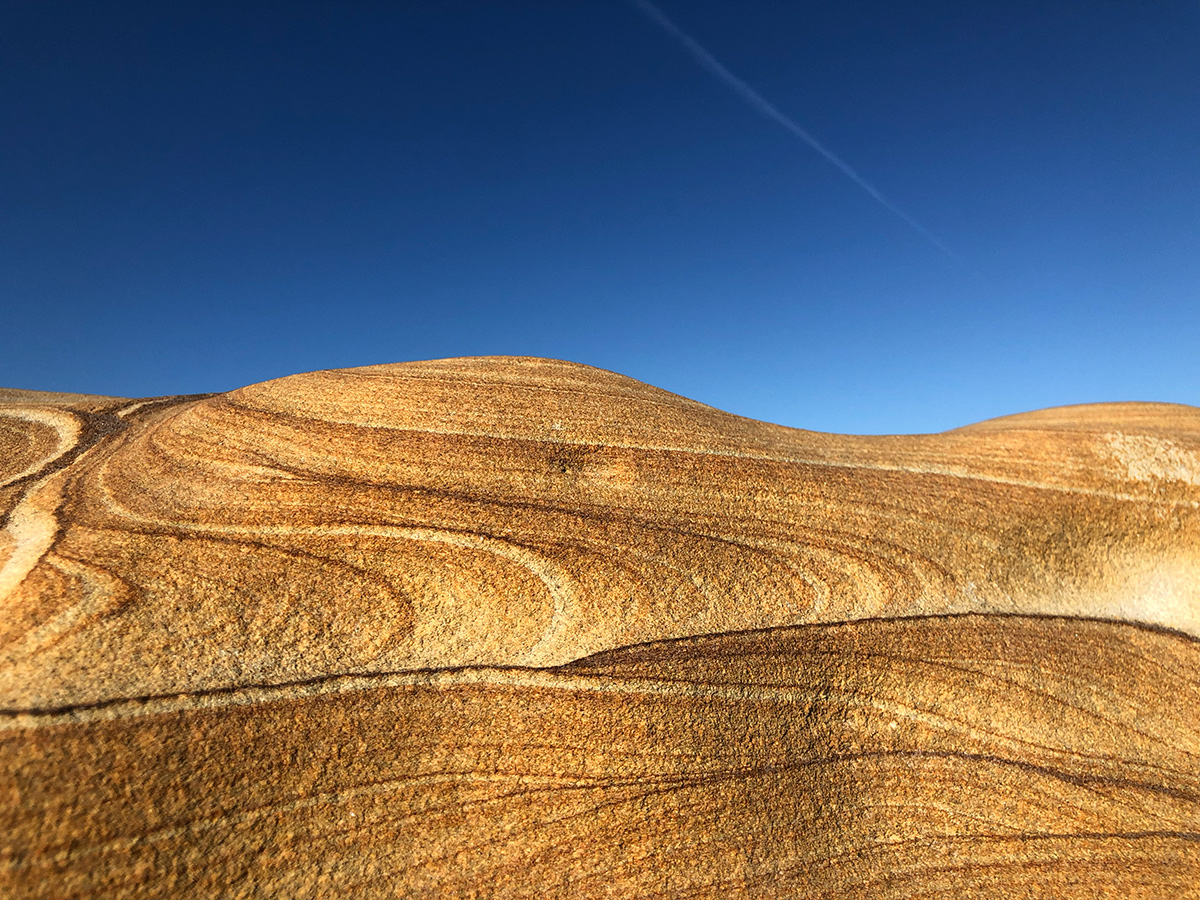
Q: You mentioned that daily walks in the park are currently shaping your thinking. Why is this?
"There’s something grounding about moving at a slower pace. Noticing small shifts—the changing light, the decay of a leaf—reminds me that there is always more happening than what we immediately see. It informs my design work by keeping me tethered to the reality of natural systems."
Q: What is the significance of the "coexistence" you strive for in your architecture?
"My goal as a designer is to move beyond human-centric spaces. Whether it’s the terrapin or the rock, I want to create environments where the built form acknowledges its responsibility to other species and the long-term ecological processes that predate us."
Implications: The Future of Ecological Design
The success of Move Like Water, Still Like Rock signals a broader shift in the architectural community toward "deep-time thinking." As the climate crisis forces designers to consider the lifespan and environmental impact of their materials, Lin’s work provides a necessary ethical framework.
Redefining the Architect’s Role
Lin’s career trajectory highlights an important transition for the modern architect: from the creator of static monuments to the steward of ecological systems. By viewing the landscape as a series of moving parts—even the "still" ones—designers can create structures that are more responsive to their environment.
The Role of Independent Publishing
The partnership between Lin, the Art & Photo Book Awards, and Bookmobile highlights the growing importance of independent, curated publishing in the arts. By providing a platform for unconventional narratives, these awards allow artists to bypass traditional, commercially driven gatekeepers, resulting in more authentic and intellectually challenging work.
Looking Ahead
Lin’s goals for the coming year are a testament to her grounded approach: she intends to balance her high-level professional work as a landscape and architectural designer with the continued exploration of her personal curiosities. Her ultimate life goal—to maintain a sense of empathy toward all beings—is perhaps the most vital contribution she can make to her field.
Conclusion: A Call to Notice
Minhan Lin’s Move Like Water, Still Like Rock is a quiet protest against the frantic pace of modern life. It serves as a reminder that the world is in a constant state of transformation, and that we, as temporary inhabitants of this geological landscape, have a duty to pay attention.
For those inspired by Lin’s journey, the 2026 Art & Photo Book Awards are now accepting submissions. As Lin herself demonstrates, the most powerful stories are often hidden in plain sight, waiting for the right pair of eyes to notice them. Whether through the lens of a camera or the sketch of a building, the invitation remains the same: slow down, look closer, and recognize that everything—even the stone beneath your feet—is in motion.
For those interested in following Minhan Lin’s work, her portfolio can be found at linnnminhan.com. To explore more award-winning work or to submit your own, visit the Booooooom Art & Photo Book Awards portal.

 Dwi Wanna
 Asro
Asro