Nila Kartika Wati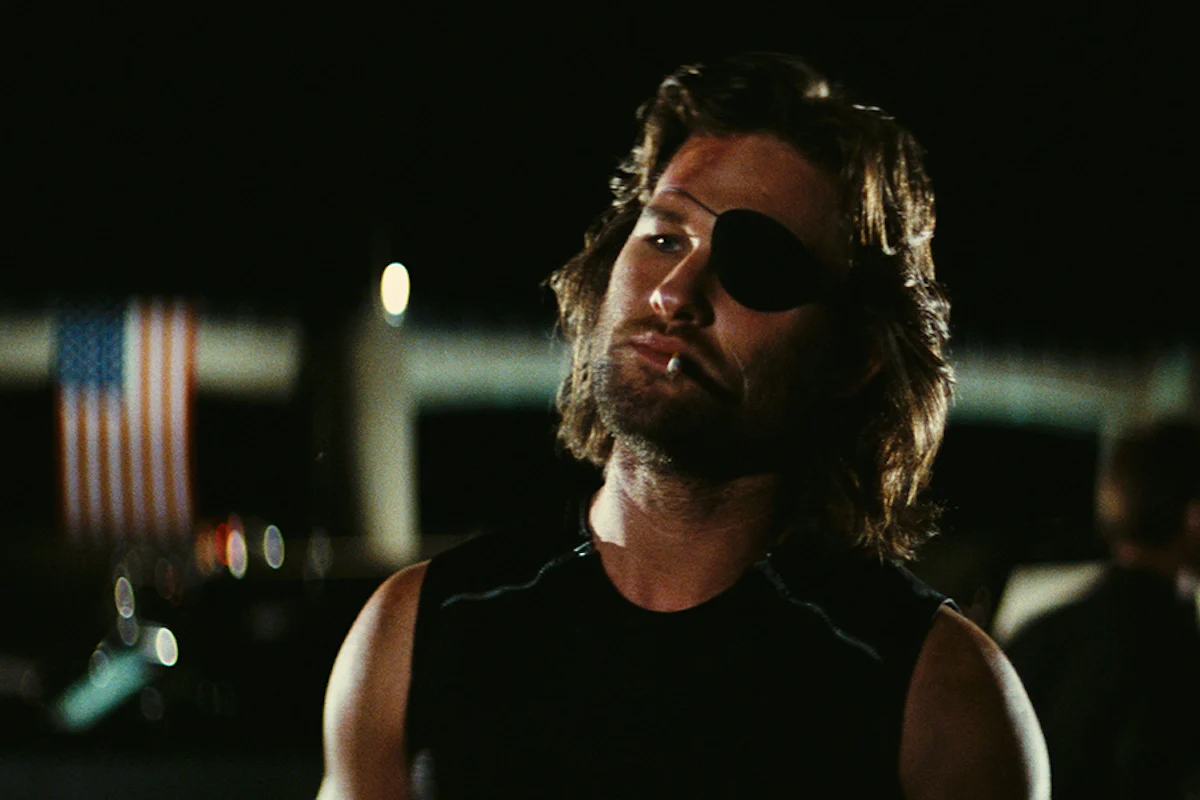
In a move that has sent ripples of both anticipation and apprehension through the science fiction community, filmmaker Zack Snyder has reportedly set his sights on one of the most sacred relics of 1980s cult cinema: John Carpenter’s 1981 masterpiece, Escape from New York.
The director, whose sprawling filmography includes 300, Batman v. Superman: Dawn of Justice, and the recent space opera Rebel Moon, is currently in the early stages of navigating the complex rights landscape to bring a new iteration of the iconic anti-hero, Snake Plissken, to the big screen. According to The Hollywood Reporter, Snyder is preparing to pitch the project to major studios in the coming weeks. Unlike many modern blockbuster initiatives that default to streaming platforms, Snyder’s vision for the project is firmly rooted in a theatrical release model.
The Core Concept: A Grittier Manhattan
The original 1981 film remains a masterclass in low-budget, high-concept world-building. Set in a near-future 1997 where the island of Manhattan has been transformed into a giant, maximum-security prison, the film follows the cynical, eyepatch-wearing special forces veteran turned criminal, Snake Plissken (famously portrayed by Kurt Russell). Tasked by the government with rescuing the President after Air Force One crash-lands inside the prison walls, Plissken must navigate a lawless, neon-drenched landscape of gang warfare and societal decay.
Snyder’s proposed take is said to lean heavily into a "down and dirty" aesthetic. Sources close to the production indicate that the director intends to move away from the heavy reliance on digital environments that defined much of his later work, favoring practical effects and grounded, tactile stunt work. The goal is to capture the gritty, analog atmosphere that made Carpenter’s original so influential while updating the narrative for a contemporary audience.
A History of Failed Escapes: A Chronology of Remake Attempts
The road to a new Escape from New York has been paved with stalled projects and "development hell." Since the release of Carpenter’s sequel, Escape from L.A. (1996), which failed to replicate the critical or commercial success of its predecessor, the franchise has remained largely dormant.
The effort to revive the property began in earnest in the mid-2000s. In 2007, New Line Cinema acquired the rights, initially tapping Len Wiseman (Underworld) to direct, with Gerard Butler rumored to be the frontrunner for the role of Snake. That project eventually crumbled under the weight of creative differences.
Following the New Line attempt, the rights migrated to 20th Century Fox. Over the next decade, a revolving door of A-list talent was attached to the project. Directors such as Breck Eisner and Robert Rodriguez were at various times linked to the property, while actors including Tom Hardy, Charlie Hunnam, and Jon Bernthal were frequently cited as potential successors to Kurt Russell’s iconic performance. Despite the star power, none of these iterations moved past the scripting phase.
The current attempt marks a significant shift, as the rights now rest with StudioCanal. The French production and distribution company has been aggressively expanding its footprint, successfully revitalizing franchises like the Paddington series and the Evil Dead horror brand. By aligning with Snyder, StudioCanal is clearly signaling a desire to turn Escape from New York into a tentpole property.
The Aesthetic Shift: Why Practical Effects Matter
One of the most compelling aspects of the reported proposal is the emphasis on practical effects. In an era where the "Volume" and high-end CGI dominate the action genre, a pivot toward tactile filmmaking could serve as a unique selling point for a new Escape film.
John Carpenter’s original film was defined by its limitations. The practical miniatures of a crumbling New York City, the authentic lighting of the practical sets, and the sheer physicality of Kurt Russell’s performance created a texture that digital tools have struggled to replicate. For Snyder, who has historically been a proponent of visual maximalism, this shift suggests a desire to return to the visceral intensity of his earlier work, such as Dawn of the Dead (2004).
"Practical effects provide an anchor," says industry analyst Marcus Thorne. "When you are dealing with a property that is as grounded in ‘grit’ as Escape from New York, the audience needs to feel the grime. If Snyder can deliver a film that feels physically dangerous rather than digitally polished, he might just win over the skeptics."
Industry Implications and Official Responses
While official statements from StudioCanal remain guarded, the buzz surrounding the project has ignited a broader conversation about the nature of intellectual property (IP) management. Studios are increasingly looking to their back catalogs to provide "pre-sold" titles that can cut through the noise of a saturated theatrical market.
However, the risk remains high. The character of Snake Plissken is not just a role; he is a cultural touchstone of the anti-hero archetype. Any attempt to recast him faces the "Ghostbusters" dilemma: how do you honor a beloved classic while providing enough of a fresh perspective to justify the reboot?
"Zack Snyder has a very specific visual language," says film critic Elena Rodriguez. "He is one of the few directors today with a ‘brand’ strong enough to stand alongside a classic like Carpenter’s. The question isn’t whether he can make it look good—he certainly can. The question is whether he can capture the cynical, lean, and mean spirit of the 1981 film, which was defined by its minimalism, not its maximalism."
Challenges and Future Outlook
It is important to note that, as of this writing, the project is in the embryonic stages. The path from a pitch meeting to a greenlit production is fraught with financial and creative hurdles. Studios will need to evaluate the budget requirements for a practical-effects-heavy production against the projected box office returns of an R-rated action thriller.
Furthermore, the involvement of John Carpenter is a variable that remains to be seen. While Carpenter has often been protective of his works, he has occasionally served as an executive producer on modern remakes, such as the 2018 Halloween franchise. His blessing—or at least his lack of public condemnation—could prove vital in maintaining the goodwill of the fanbase.
For now, the film remains a "what if" scenario. There is no official release date, no cast, and no script. However, the prospect of a high-budget, director-driven return to the walled penitentiary of Manhattan is arguably the most interesting development for the franchise in over thirty years.
Conclusion: Is a Remake Necessary?
As the industry continues to debate the merits of the "remake culture," the case of Escape from New York serves as a perfect microcosm. On one hand, there is the undeniable reality that the 1981 original is a perfect, self-contained piece of cinema that requires no improvement. On the other, the dystopian themes of the original—government overreach, the collapse of urban infrastructure, and the dehumanization of the criminal justice system—are perhaps more relevant today than they were during the Reagan era.
If Zack Snyder chooses to use the premise of Escape from New York to hold a mirror to contemporary society, rather than simply paying homage to the aesthetics of the past, he may find a path to success. Until then, the original film remains readily available for those who prefer their dystopian classics with a side of synth-wave and 80s cynicism. Whether or not Snake Plissken eventually finds his way out of the ruins of Manhattan under a new banner remains a story that the industry—and the audience—will be watching closely.


 Laily UPN