Layla Zulfa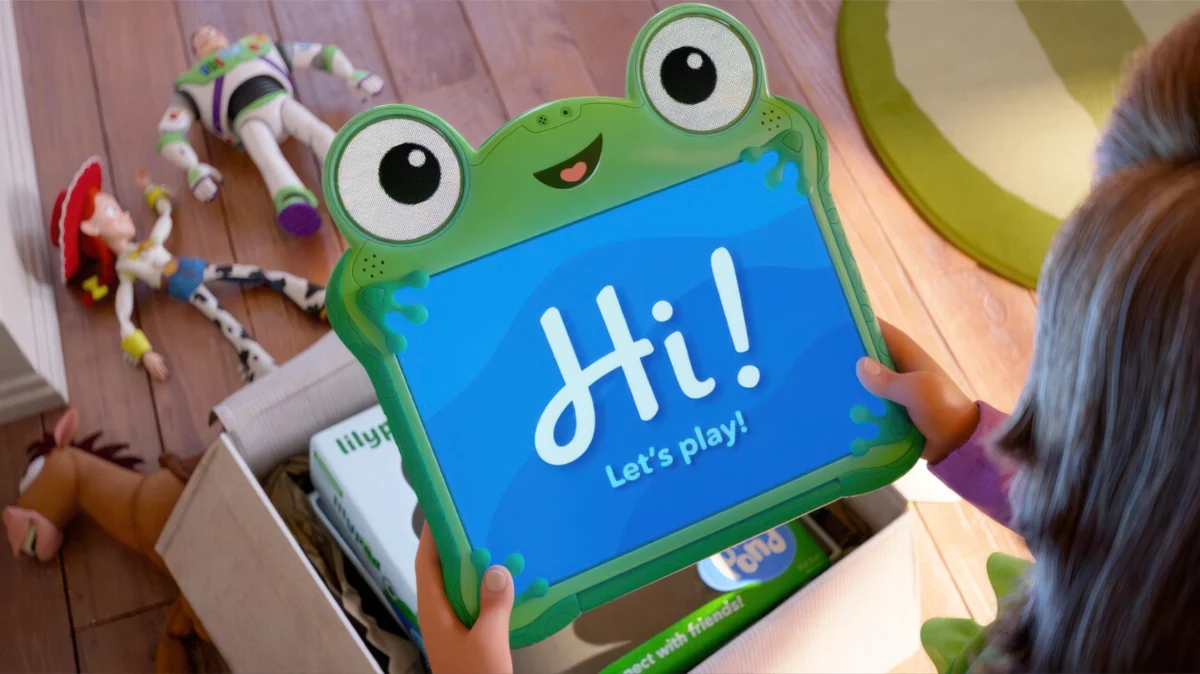
The cinematic landscape of 2026 has been marked by a definitive shift in audience behavior, signaling a robust recovery for the theatrical industry. At the center of this resurgence is the return of Woody, Buzz, and the rest of Andy’s beloved toy chest. Toy Story 5, the latest installment in Pixar’s flagship franchise, has arrived with a force that has stunned even the most optimistic industry analysts. With a staggering $160 million domestic opening and a massive $312 million global haul, the film is not merely a hit; it is a cultural phenomenon that underscores a critical, often overlooked reality: Hollywood has been underserving the family demographic for years, and the audience is hungrier than ever.
A Historic Opening: The Numbers Behind the Magic
The debut of Toy Story 5 serves as the undisputed crown jewel of the 2026 box office calendar. Achieving the highest opening weekend of the year to date, the film has cemented its status as a juggernaut of modern animation. To put its performance into perspective, it ranks as the second-biggest animated opening weekend in domestic history. It currently sits in the shadow of only one other Pixar’s 2018 smash hit, Incredibles 2, which set a high-water mark of $182.7 million during its opening frame.
Perhaps more impressive is its placement in the pantheon of all-time cinema records. Toy Story 5 has claimed the 24th best domestic opening weekend ever, a position that places it coincidentally between two Christopher Nolan Dark Knight films. This juxtaposition highlights the film’s cross-generational appeal; it is a movie that commands the same level of cultural anticipation once reserved solely for live-action blockbusters and superhero epics.
While it fell just slightly short of the $162.7 million opening set by last year’s A Minecraft Movie, industry experts are quick to point out the trajectory of the Toy Story brand. Toy Story 4 eventually surpassed the $1 billion threshold, bolstered by an extraordinary international performance. Given the current momentum, analysts project that Toy Story 5 is on a glide path to become only the second film of 2026 to cross the $1 billion mark, joining the ranks of The Super Mario Galaxy Movie. This would be a significant milestone, especially as other contenders, like the biographical drama Michael, hover near that same elusive milestone.
Chronology of a Franchise: Three Decades of Growth
The history of Toy Story is the history of modern animation itself. Since the original film debuted over 30 years ago, the franchise has consistently defied the "diminishing returns" trope that plagues most long-running series. Remarkably, each subsequent Toy Story film has performed better at the global box office than its predecessor.
This trend is not merely a result of inflation or market expansion; it reflects a deepening emotional connection between the audience and the characters. From the initial wonder of CGI in 1995 to the sophisticated, heart-wrenching narratives of the current era, Pixar has maintained a standard of quality that keeps audiences returning. Internationally, the reception has been particularly warm. Data suggests that only Inside Out 2 has managed to open to stronger numbers for a Pixar production, with that film famously generating over $1 billion from international markets alone.
As the franchise moves into its fifth iteration, the narrative focus has shifted—most notably with Jessie, voiced by Joan Cusack, emerging as a primary character—ensuring that the story feels fresh while retaining the nostalgic core that draws parents who grew up with the first film to bring their own children to the theater today.

Market Implications: Is the Family Audience the Industry’s Savior?
The resounding success of Toy Story 5 brings a critical question to the forefront of industry discourse: Is the industry finally addressing a massive, pent-up demand for family-oriented content? For years, the "family film" was treated as a reliable but secondary pillar of studio strategy. However, the data from 2026 suggests that family films are, in fact, the primary engine of the post-pandemic theatrical recovery.
The year 2022 remains the benchmark for a "lost year" in this regard, as families—still reeling from the long-term effects of the COVID-19 pandemic—remained hesitant to gather in crowded theaters. Today, that hesitation has vanished. The recovery is palpable. According to metrics from Rentrak, the total domestic box office for 2026 currently sits at $4.4 billion, a 14.2 percent increase compared to the same period in 2025.
This performance is drawing comparisons to the golden era of 2011, when year-to-date totals reached $4.5 billion. More importantly, the summer box office is now trailing the 2019 summer season—the last "normal" year before the pandemic—by less than 2 percent, a gap that Toy Story 5 has nearly closed on its own.
The Road Ahead: A Competitive Summer Slate
Despite its dominance, Toy Story 5 will soon face a gauntlet of competition, though experts argue this may actually strengthen the market rather than cannibalize ticket sales. The "rising tide lifts all boats" theory is expected to hold true as the summer season progresses.
On July 1, the animated feature Minions & Monsters is set to release. Given the historical performance of the Minions franchise—which is capable of hitting the $1 billion mark with ease—this will be the first major test of Toy Story 5’s staying power. Following that, Disney will debut its live-action Moana on July 10, which is currently tracking for an opening between $80 million and $90 million.
The remainder of the summer and early autumn is crowded with high-profile animated and family-friendly projects:
- PAW Patrol: The Dino Movie and Coyote vs. Acme (August)
- Shaun the Sheep and Forgotten Island
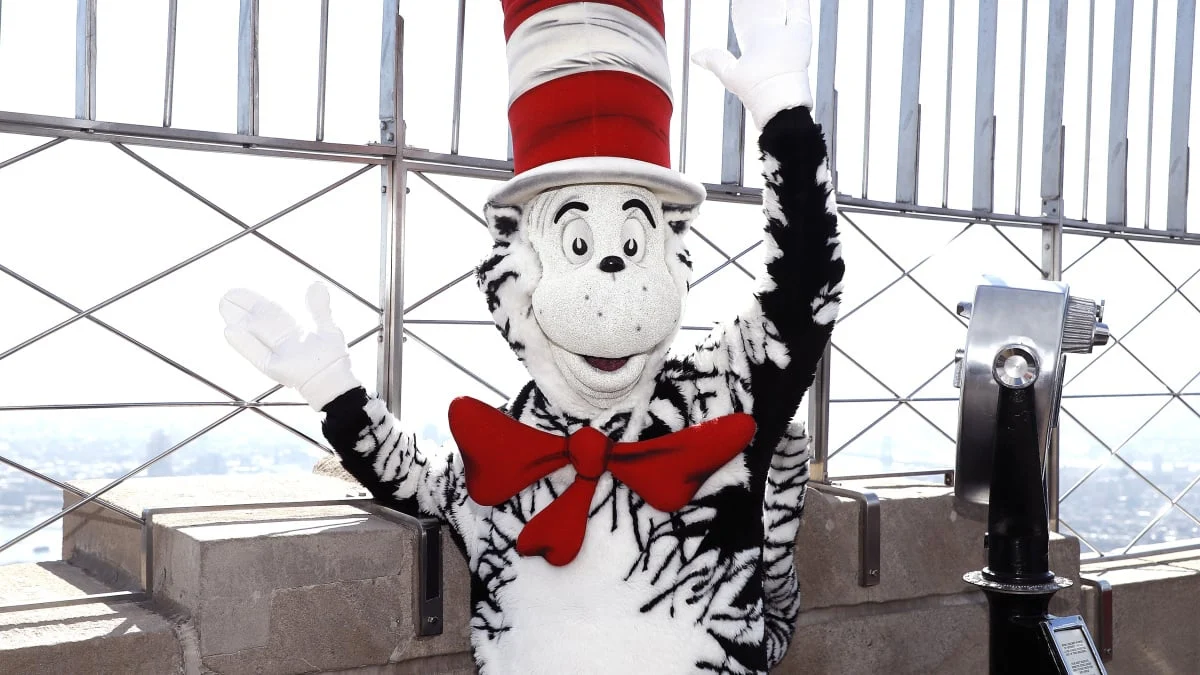
- Wildwood, The Cat in the Hat, and The Angry Birds Movie
- The dark-horse candidate Hexed
These films, combined with the surprising success of earlier 2026 hits like Hoppers and Sony’s GOAT, demonstrate that the younger demographic is not just showing up for established brands; they are actively engaging with a wide variety of animated content. This diversification of the market is the key to long-term sustainability for theater owners.

Official Responses and Industry Recognition
The magnitude of this success has not gone unnoticed by the leadership at Disney. Alan Bergman, Chairman of Disney Entertainment Studios, released a formal statement acknowledging the historic nature of the film’s debut.
"‘Toy Story’ has been breaking ground since it first hit the screen more than 30 years ago, and it’s wonderful to see ‘Toy Story 5’ continuing that tradition and connecting with audiences around the world to deliver the biggest opening for the franchise and the biggest of this year as well," Bergman stated. He extended his gratitude to the fans and offered specific praise for the creative team, including filmmakers Andrew Stanton, Kenna Harris, and Lindsey Collins, as well as the Pixar leadership team headed by Pete Docter and Jim Morris.
Bergman also credited the "fantastic marketing and distribution teams" for orchestrating what is clearly a masterclass in modern film release strategy.
Conclusion: A New Standard for Success
As we look toward the remainder of 2026, the success of Toy Story 5 acts as a beacon of stability. It mirrors the atmospheric success of the summer of 2019, which saw the record-breaking run of Avengers: Endgame and the live-action remake of The Lion King.
Whether 2026 will produce another surprise of that caliber remains to be seen. However, the data is undeniable: the family audience has returned in full force, and they are demanding quality content. By delivering a film that respects the legacy of its predecessors while evolving for a new generation, Pixar has not only secured its own future but has provided a roadmap for the rest of Hollywood. The era of the "underserved family" is over; the era of the family-first blockbuster has officially begun.

 Azzam Bilal Chamdy
 Reynand Wu