Nana
Nana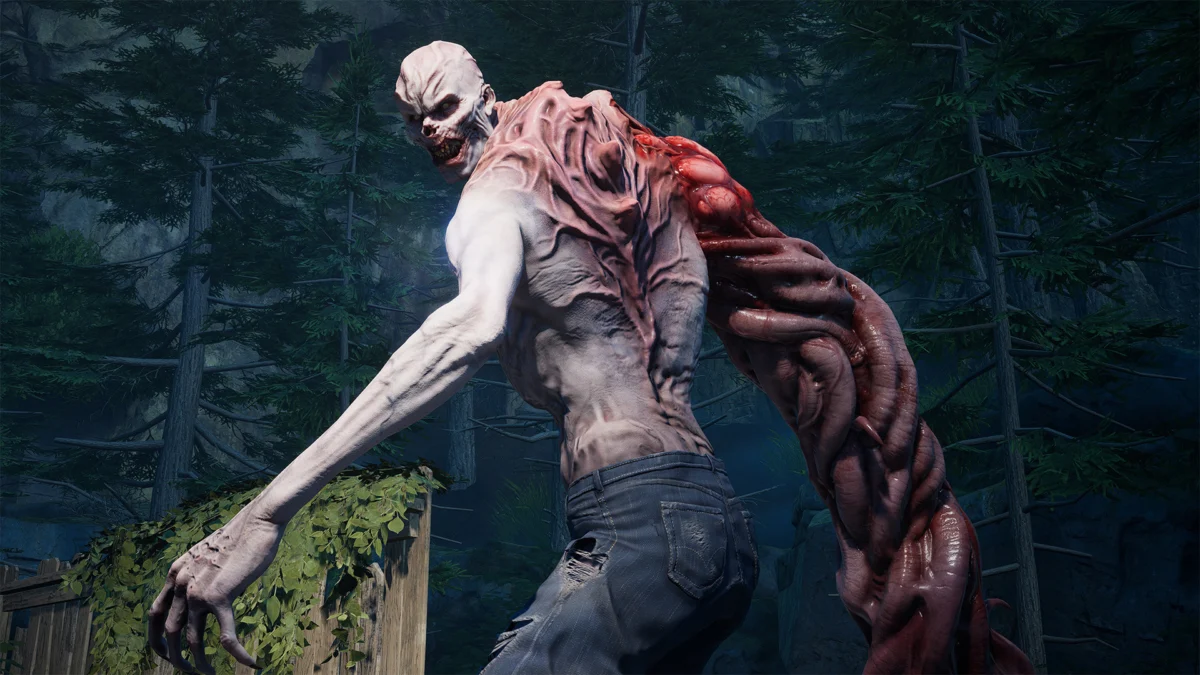
A Complex Evolution: Evaluating Turtle Rock Studios’ Ambitious Return to the Horde-Shooter Genre
Price: £49.99
Developer: Turtle Rock Studios
Publisher: Warner Bros. Interactive Entertainment
Platforms: PC, PlayStation 5, Xbox Series X/S, PlayStation 4, Xbox One
Main Facts: The Return of a Genre Titan
For over a decade, the cooperative shooter landscape has been haunted by the legacy of Left 4 Dead. When Turtle Rock Studios—the original architects of that seminal experience—announced Back 4 Blood, the gaming community was gripped by a mixture of nostalgia and high expectation. Released to a crowded market, Back 4 Blood represents an ambitious attempt to modernize a formula that once defined a generation of multiplayer gaming.
At its core, Back 4 Blood is a four-player cooperative PvE (Player vs. Environment) shooter. Players assume the roles of "Cleaners," survivors tasked with navigating a post-apocalyptic cityscape overrun by the "Ridden"—a parasitic, mutated host population. Much like its spiritual predecessor, the game utilizes an "AI Director" system, which procedurally generates enemy spawns, environmental hazards, and pacing shifts to ensure that no two playthroughs feel identical. However, beneath this familiar exterior lies a labyrinthine suite of modern gaming mechanics—including deck-building, intricate loot systems, and character-specific progression—that fundamentally separates it from the minimalist design of the mid-2000s.
Chronology: From Initial Shock to Hard-Won Appreciation
The experience of playing Back 4 Blood is a journey of transition. Upon the initial boot, the player is bombarded with a dizzying array of systems. For those accustomed to the "pick up and play" nature of Left 4 Dead, the first two hours are undeniably jarring.
- The Overwhelming Onset: The initial learning curve is steep. Players are introduced to "Corruption Cards," supply lines, weapon attachments, and currency management simultaneously. The game feels cluttered, with a UI and progression loop that lacks the intuitive elegance of the classics.
- The Adjustment Phase: By the end of the first act, the "mess" begins to organize itself. The player moves from confusion to curiosity as the mechanics—specifically the card-based deck system—begin to dictate gameplay strategies.
- The Engagement Peak: As the player invests in character builds and unlocks more sophisticated cards, the game shifts from a simple shooter into a tactical experience. The mid-to-late game reveals a deliberate depth that rewards long-term planning.
Supporting Data: The Mechanics of Modern Mayhem
The Deck-Building Paradigm
Perhaps the most controversial and yet rewarding addition to the formula is the card system. Unlike the static stats of traditional shooters, Back 4 Blood allows players to construct a deck of "Active Cards" before each run. These cards provide passive and active bonuses—such as increased stamina, health regeneration upon melee kills, or enhanced reload speeds.
This system forces a level of cooperation previously unseen in the genre. A team can designate a "Tank" who builds for damage resistance, a "Scout" who builds for speed, and a "Support" who builds for healing and resource management. This layer of meta-gameplay ensures that success is predicated not just on twitch reflexes, but on team composition and synergy.
Weaponry and Tactical Combat
The gunplay is undeniably the strongest pillar of Back 4 Blood. The tactile feedback of the weapons—ranging from the thunderous kick of a Desert Eagle to the rhythmic precision of semi-automatic rifles—is exemplary. Turtle Rock has implemented a robust attachment system, allowing players to customize optics, magazines, and barrels found throughout the levels. The introduction of distinct ammo pools for different weapon classes serves as an elegant forced-cooperation mechanic; players must frequently trade ammo and supplies to ensure the group remains viable, preventing the "lone wolf" mentality that often plagues public lobbies.
The Evolution of the Ridden
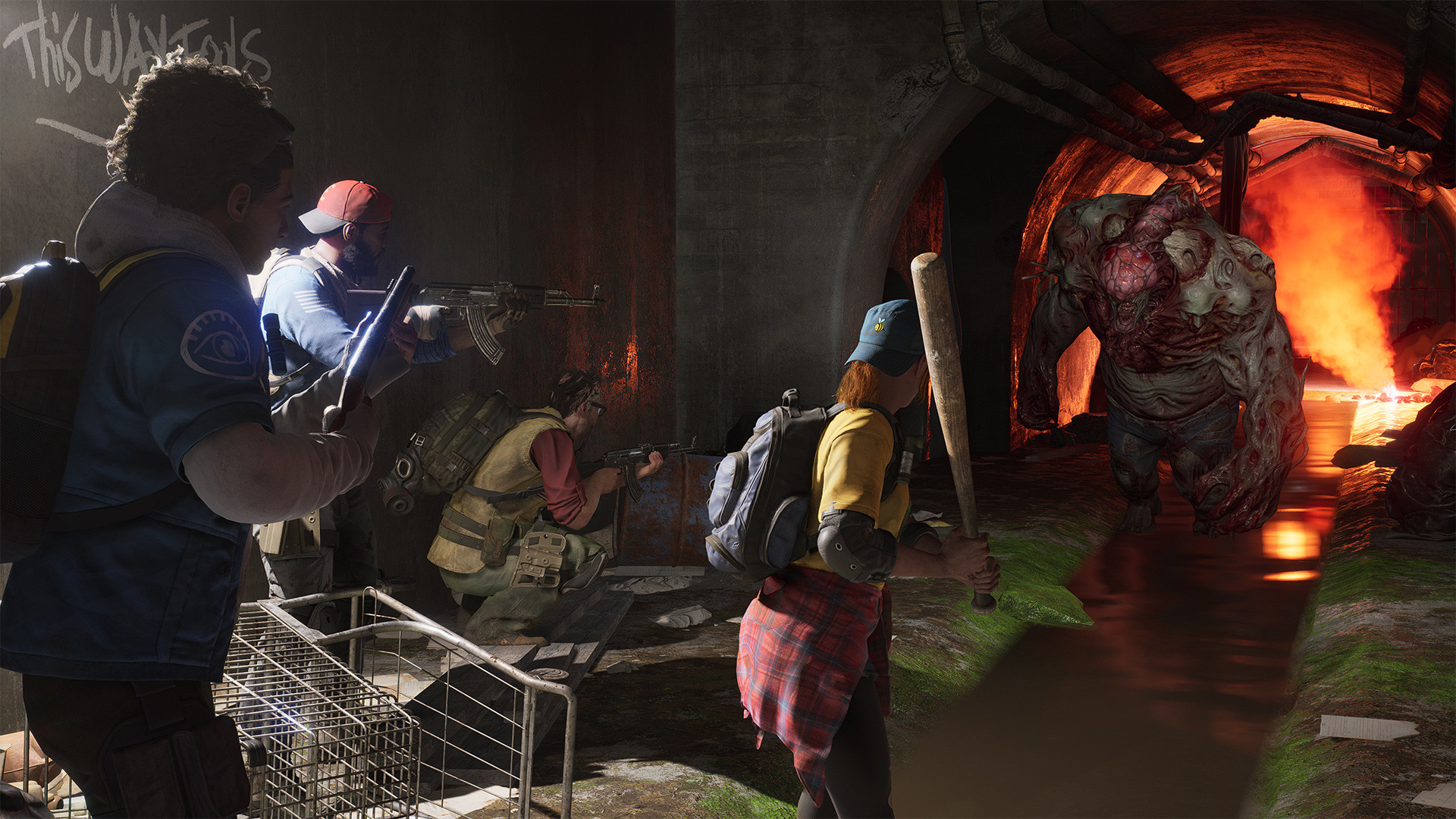
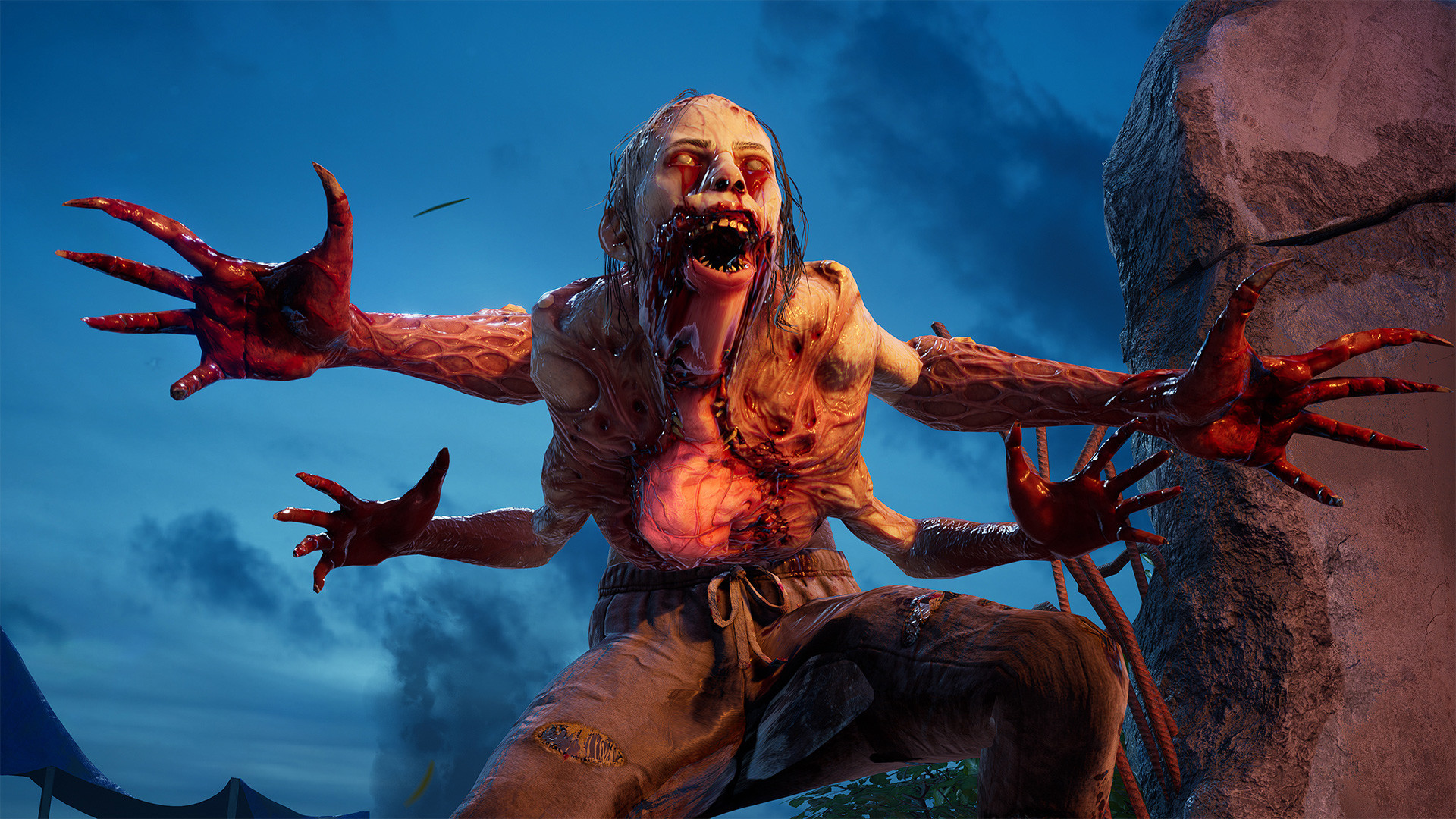
The "AI Director" in Back 4 Blood is more aggressive than its predecessor. As the campaign progresses, the Ridden don’t just become more numerous; they mutate. Special Ridden—the equivalent of Left 4 Dead’s Tanks or Hunters—gain new elemental affinities and defensive capabilities, forcing players to constantly adapt their tactics.
Official Responses and Developer Intent
While Turtle Rock Studios has remained largely focused on post-launch support, the design philosophy behind Back 4 Blood serves as a clear mission statement: the developer aimed to reconcile the "simplicity" of the past with the "longevity" expected of modern live-service titles.
In internal communications and early marketing, the team emphasized "replayability." By introducing the Corruption Card system, which forces random environmental challenges (such as dense fog, swarms of birds that alert hordes, or blackened skies), Turtle Rock effectively created a system that prevents players from memorizing level layouts. Their intent was to shift the genre from a "speed-run" mentality to an "endurance-run" mentality, where preparation and deck-building are as vital as marksmanship.
Implications: A Worthy, If Flawed, Successor
The Pacing Problem
One of the most significant criticisms of Back 4 Blood lies in its pacing. The four "Acts" are gargantuan. Each act can take upwards of five to six hours to complete in a single session, which is arguably at odds with the short, punchy nature of the cooperative shooter format. While this allows the card system to flourish, it creates a "slog" effect that can be punishing for casual players.
Scalability and Balancing
There is a distinct disparity between solo play and team play. When playing with four human players, the screen is often flooded with an overwhelming amount of information and enemies, leading to moments of genuine chaos that can feel unearned. Conversely, when playing solo with AI bots, the game feels trivialized; the AI companions are remarkably efficient, often outperforming human teammates in combat precision. This suggests that the "sweet spot" for Back 4 Blood is a two-player co-op experience, which creates a strange tension between the game’s marketing as a four-player experience and its actual mechanical balance.
Aesthetic and Identity
Visually, the game struggles to find the same iconic identity that Left 4 Dead achieved through its grindhouse film aesthetic and distinct character archetypes. Back 4 Blood is, at times, visually murky. The character designs lack the immediate, punchy recognition of the original survivors, and the Special Ridden often blur into a generic mass of "fleshy blobs." While the level design improves significantly in the latter half of the game—offering creative set pieces like the ferry bridge and the grim police station search—the game’s visual identity remains its weakest point.
Conclusion: The Final Verdict
Is Back 4 Blood the revolutionary successor fans hoped for? It is a complex answer. It is not the "platonic ideal" of a co-op shooter that Left 4 Dead was; it is something else entirely. It is a modern, systems-heavy, tactical shooter that demands time, patience, and a willingness to learn its quirks.
While it suffers from pacing issues and a lack of visual cohesion, the core gameplay loop remains deeply satisfying. The deck-building system is a masterstroke that adds genuine depth, and the weapon handling is top-tier. For those willing to look past the initial confusion and the bloated act structure, Back 4 Blood offers a challenging, tactical, and ultimately rewarding experience. It may not replace the memories of the past, but it has carved out a unique, albeit messy, path for the future of the cooperative horde-shooter genre. Turtle Rock Studios has not merely retread old ground; they have built a new, albeit jagged, foundation for the next generation of survival horror.

 Reynand Wu
 Pevita Pearce