Asro
Asro
The digital landscape is shifting beneath the feet of B2B marketers. As we transition into 2025, the once-rigid divide between corporate messaging and consumer-facing content is effectively dissolving. Businesses are no longer just selling to other businesses; they are selling to individuals who demand the same authenticity, speed, and emotional resonance they encounter in their personal digital lives.
To stay competitive, B2B brands must pivot from being mere information providers to becoming trusted, human-centric partners. This evolution is underscored by the Netline B2B Content Consumption Report, which highlights a surging demand for personalized, high-value content that speaks directly to the user’s reality.
The Strategic Shift: Core Pillars for 2025
Recent insights from the Social Pros podcast, featuring strategic leaders from Convince & Convert, identify a new playbook for the coming year. The consensus is clear: B2B marketing success in 2025 will be defined by the ability to balance high-tech efficiency with high-touch humanity.
1. The Humanization of B2B: Authenticity as a Currency
The era of the "corporate megaphone"—broadcasting sterile press releases and product updates—is over. Today’s buyers are cynical toward polished, impersonal marketing. In 2025, the most successful brands will be those that embrace vulnerability and transparency.
- Humanizing the Brand: By showcasing the people behind the products, companies foster trust. This involves sharing the "behind-the-scenes" of team challenges, acknowledging industry setbacks, and highlighting the values that drive decision-making.
- The B2C Influence: B2B teams are increasingly adopting B2C storytelling techniques. Whether it is a founder’s personal LinkedIn post about a hard-learned lesson or a video series showing the daily lives of employees, relatability creates an emotional bond that a traditional whitepaper never could.
2. The Video Dichotomy: Short-Form vs. Long-Form
Video is no longer an "option"—it is the baseline for engagement. However, the type of video matters significantly. Marketers must now master a two-pronged strategy:
- Short-Form Mastery: Platforms like TikTok, Instagram Reels, and LinkedIn Shorts are the new front line for top-of-funnel awareness. With 72% of B2B marketers reporting success in lead generation via short-form video, these snippets must be punchy, actionable, and visually engaging. They are ideal for quick tips, industry news commentary, and debunking common myths.
- Long-Form Authority: Conversely, long-form content on platforms like YouTube serves as the "trust builder." When a potential buyer is in the consideration phase, they crave depth. Webinars, deep-dive case studies, and fireside chats provide the educational value necessary to justify high-ticket enterprise investments. Salesforce and HubSpot have set the gold standard here, using deep-dive demos to prove technical competence.
Supporting Data and Industry Case Studies
The move toward these strategies is not merely anecdotal; it is driven by measurable performance indicators.

The Influencer Marketing Revolution
B2B influencer marketing has officially exited its experimental phase. Companies are now treating industry experts as key distribution channels. A primary example is Oracle’s "On the Fly" video series. By collaborating with 30 distinct B2B influencers, Oracle was able to tap into pre-existing, highly engaged communities rather than building an audience from scratch. The result? A massive uptick in high-intent website traffic and a strengthened perception of Oracle as a thought-leading entity.
AI Integration: Efficiency at Scale
AI is the silent partner of the 2025 marketing team. It is not about replacing the human element but amplifying it.
- Predictive Analytics: Modern tools now allow marketers to identify content trends before they peak.
- Content Optimization: AI-driven automation assists in optimizing post times, identifying the best-performing creative assets, and tailoring email outreach, allowing lean marketing teams to operate with the output of much larger organizations.
Implications for Marketing Strategy
What does this mean for the average B2B marketing team? It means a fundamental change in resource allocation.
The Rise of Pain-Point Centricity
Effective content must move away from "feature dumping" and toward "solution orientation." A prospect doesn’t care about your software’s latest update; they care about how it solves a bottleneck in their workflow.
- Diagnostic Content: Developing content that maps directly to specific user pain points—such as "How to scale operations during a hiring freeze"—positions the brand as a consultant rather than a vendor. This shift creates a natural, trust-based lead flow.
The Thought Leadership Mandate
On platforms like LinkedIn, thought leadership is the primary driver of SEO and brand equity. Executives who share personal perspectives on industry trends—rather than recycled company news—see significantly higher engagement rates. This "Executive Branding" is now a prerequisite for large-scale enterprise sales.
Chronology of the Modern B2B Evolution
- Pre-2020: The "Corporate Brochure" Era. Focus on static, product-led content.
- 2020–2023: The "Digital Acceleration" Era. Forced adoption of webinars and remote-first engagement due to global lockdowns.
- 2024: The "Authenticity Pivot." Brands began experimenting with shorter, more humanized video content and influencer collaborations.
- 2025 (The Forecast): The "Strategic Integration" Era. AI is now fully embedded in workflows, and B2B marketers have mastered the hybrid approach of short-form reach combined with long-form authority.
Official Perspective: Advice from the Frontlines
The strategists at Convince & Convert emphasize that while the tools change, the core principle of marketing remains constant: Be helpful.
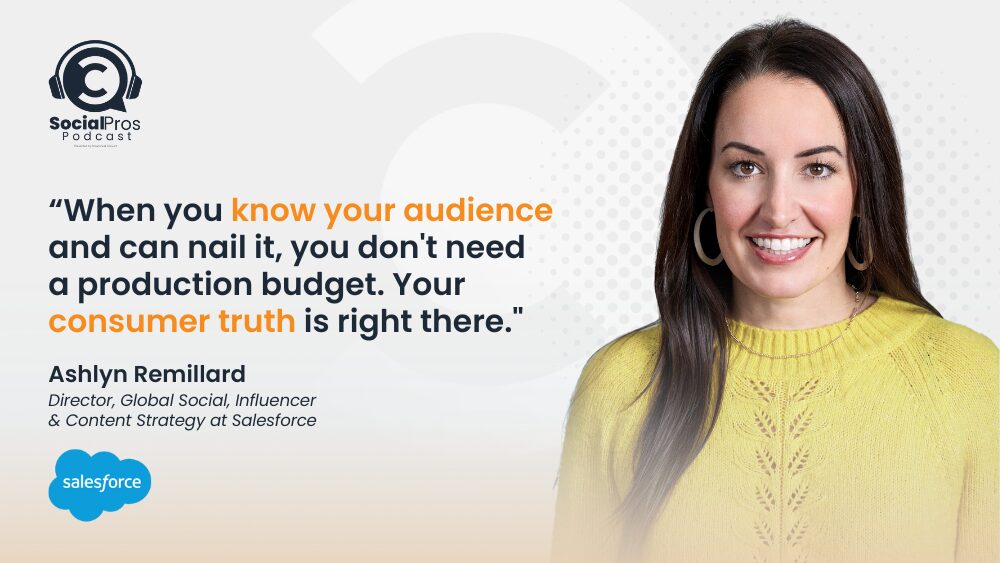
"When you know your audience and can nail it, you don’t need a massive production budget," says Ashlyn Remillard of Salesforce. "Your consumer truth is right there." This sentiment echoes throughout the industry—success in 2025 will be reserved for those who stop chasing algorithms and start chasing the genuine needs of their customer base.
Strategic Implications for CMOs:
- Audit Your Video Mix: Ensure your content calendar features both 30-second "snackable" insights and 30-minute educational deep dives.
- Invest in Influencer Relations: Identify the "voices" in your niche who hold the trust of your buyers. Treat these as long-term partnerships, not one-off transactions.
- AI Readiness: Don’t just implement AI for the sake of it. Focus on AI tools that provide actionable insights into customer pain points and campaign timing.
- Empower Internal Experts: Your internal subject matter experts are your most valuable assets. Give them the platform and the support to share their knowledge on social channels.
Conclusion: Navigating the Year Ahead
The landscape of 2025 is both complex and opportunistic. The barrier to entry for high-quality content has lowered, but the competition for attention has reached an all-time high. Brands that succeed will be those that embrace the human side of B2B, utilize AI to work smarter, and treat their audience’s pain points as the primary blueprint for their content strategy.
As we look toward the remainder of the year, the mandate for marketers is clear: stop acting like a corporation and start acting like a partner. Those who lean into this transition will find themselves not only surviving the shift but setting the standard for the industry.
For those looking to refine their approach, the path forward involves auditing existing content strategies against these four pillars—Authenticity, Video Strategy, Thought Leadership, and AI efficiency—to ensure your brand remains top-of-mind in a rapidly crowded digital market.


 Nila Kartika Wati
 Iffa Jayyana