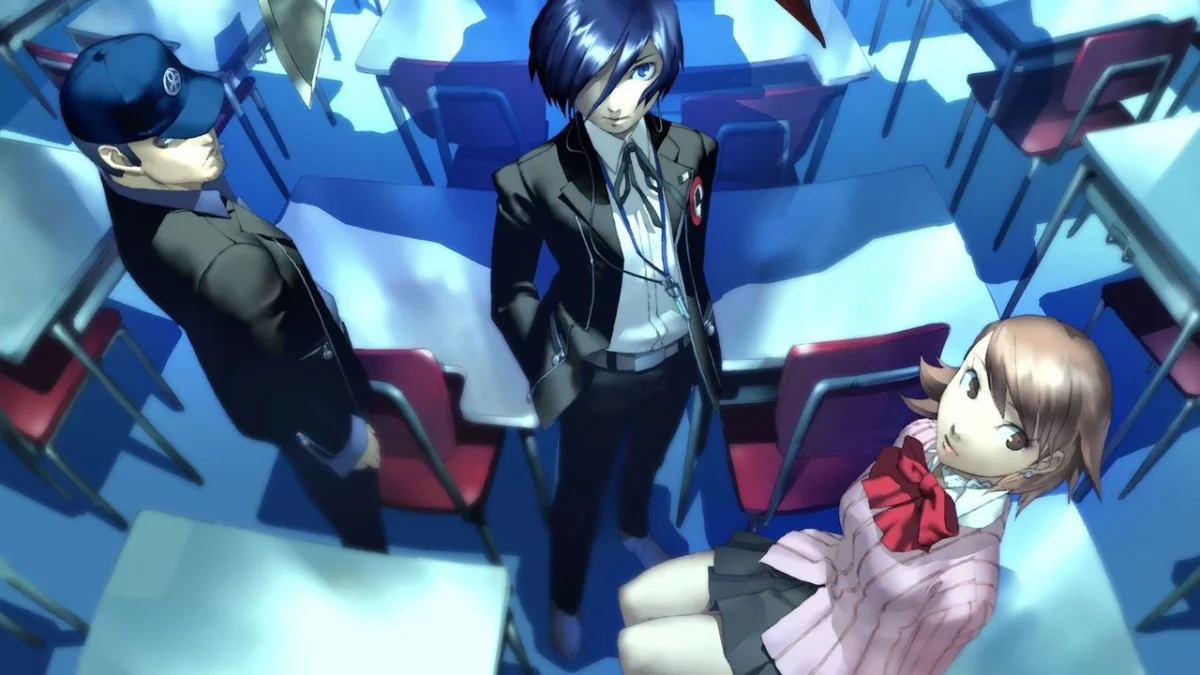
For many role-playing game enthusiasts, the "Golden Age" of the genre is inextricably linked to the tactile click of a handheld console. There is a distinct, almost meditative quality to grinding levels or managing social links while tucked away in bed or during a commute—a level of intimacy that a static living room television often fails to replicate. While modern gaming has moved toward high-fidelity remakes like Persona 3 Reload, a dedicated community of modders and developers has decided to look backward, attempting to achieve what was once considered impossible: porting the seminal 2006 JRPG Persona 3 to the Nintendo DS.
This ambitious endeavor, titled Persona 3 Dual, represents a fascinating intersection of technical ingenuity and fan-driven nostalgia. By bringing the Dark Hour to Nintendo’s dual-screen hardware, the P3D Project has managed to turn one of the most glaring "missed opportunities" of the late 2000s into a reality.
The Chronology of a Fan-Made Port
To understand the significance of Persona 3 Dual, one must look at the historical context of the Persona franchise’s relationship with Nintendo hardware. When Persona 3 first launched on the PlayStation 2 in 2006, it redefined the social-sim hybrid genre. However, for years, the franchise remained firmly tethered to Sony platforms.
While Atlus eventually released Persona 3 Portable (P3P) for the PlayStation Portable (PSP), it remained locked to that ecosystem for over a decade. It wasn’t until the inclusion of the series protagonist, Joker, in Super Smash Bros. Ultimate that the Persona series truly began its migration to Nintendo consoles.
The Persona 3 Dual project emerged from a desire to bridge this gap retrospectively. Development has been a long, iterative process, characterized by the technical limitations of the Nintendo DS architecture. Earlier this week, the team reached a pivotal threshold: the release of version 1.0, which they have labeled "Milestone #1." This milestone is not merely a proof of concept; it is a playable slice of the game that demonstrates the engine’s capability to handle the complex UI and movement systems of the original Persona 3 on legacy handheld hardware.
Technical Feats: Beyond the Portable Limitations
One of the most intriguing aspects of Persona 3 Dual is how it reconciles the differences between the original PS2 title and the PSP version. When Persona 3 Portable was developed, the hardware constraints of the PSP forced Atlus to simplify the world-building. The original 3D explorable environments—the bustling streets of Iwatodai and the Paulownia Mall—were replaced with a "point-and-click" visual novel style navigation system to save memory and processing power.
Persona 3 Dual, somewhat paradoxically, aims to restore the immersion lost in the official portable port. By utilizing clever optimization techniques, the P3D Project has managed to implement 3D movement in areas that were restricted in the PSP version. Players can physically traverse the environments of Iwatodai, providing a sense of scale that Persona 3 Portable lacked.
Key Technical Achievements of Milestone #1:
- Engine Portability: Successful mapping of the Persona 3 game engine to the ARM9 and ARM7 processors of the Nintendo DS.
- Environmental Restoration: Re-incorporation of explorable 3D environments that were previously cut for the PSP port.
- UI Optimization: A redesigned interface that effectively utilizes the DS’s dual-screen setup, allowing for easier menu navigation and party management.
- Asset Management: The team has successfully compressed iconic textures and character models to fit within the DS’s notoriously tight ROM space constraints.
The Significance of the "Third Screen"
The Nintendo DS was famous for its dual-screen layout, which developers historically used for maps, inventory management, or secondary gameplay loops. The P3D Project is currently experimenting with these features to improve the Persona 3 experience.
In the current version, the bottom screen serves as a dedicated hub for navigation and menu access, which mirrors the functionality found in modern RPGs. This creates a more fluid experience, allowing the player to manage Personas or check the calendar without interrupting the flow of exploration on the top screen. For fans of the original PS2 game, this feels less like a compromise and more like a reimagining of the game’s original UI design.
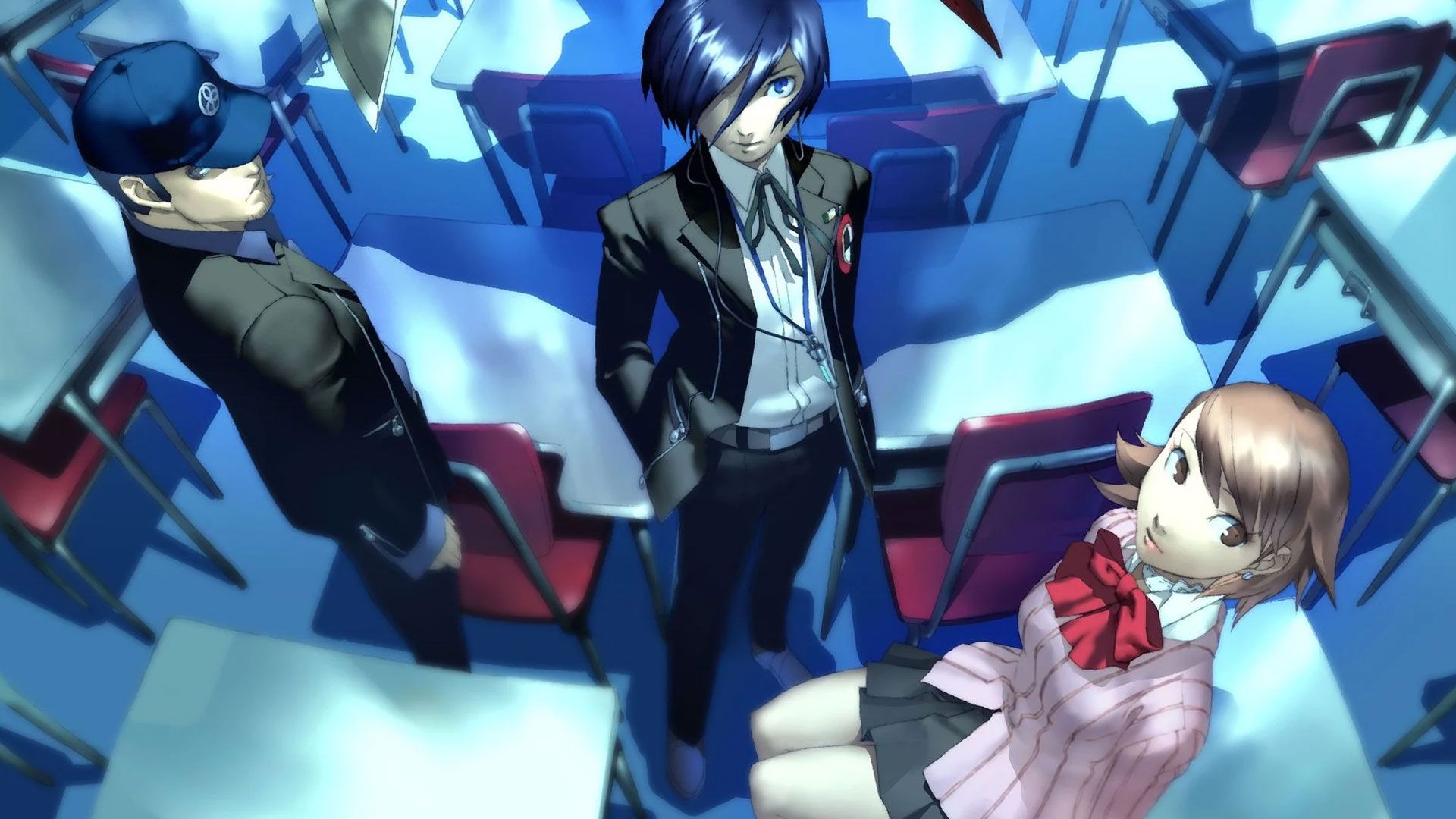
Official Responses and the "Gray Area" of Fan Projects
Atlus, the developer and publisher behind the Persona series, has historically maintained a complex relationship with the fan-modding community. While they have been protective of their intellectual property—occasionally issuing cease-and-desist orders against high-profile fan remakes—projects like Persona 3 Dual often occupy a unique space.
Because the project is distributed via platforms like GitHub and does not monetize the Persona brand, it currently flies under the radar of aggressive corporate litigation. However, the release of Persona 3 Reload (the official high-fidelity remake) suggests that Atlus is keenly aware of the enduring demand for the Persona 3 experience.
Industry analysts often view these fan projects as a "litmus test" for market demand. When thousands of players engage with a fan-made port, it signals to the publisher that there is a hunger for specific versions or hardware-specific experiences. To date, Atlus has not released an official statement regarding the P3D Project, but the silence is widely interpreted by the community as a "wait and see" approach.
Future Implications: What Comes Next?
The roadmap for Persona 3 Dual is as ambitious as its inception. The developers have already teased the next phase of development: the implementation of the female protagonist, a fan-favorite character introduced in Persona 3 Portable.
Integrating the female protagonist into the Dual build is not merely a matter of changing character models. It involves re-scripting social link interactions and dialogue trees to ensure they align with the original game’s engine. Furthermore, the team is working on "UI parity," ensuring that the game’s aesthetic remains consistent with the high-energy, pop-art style that defines the Persona brand.
Implications for the JRPG Community:
- Preservation: This project acts as a form of digital preservation, keeping the "feel" of the PS2 original alive on hardware that is now considered "retro."
- Accessibility: By porting the game to the DS, the developers are making a complex RPG accessible on a platform that is highly portable and easily emulated on modern smartphones and devices.
- Community-Led Development: It highlights the shifting power dynamics in gaming, where fans can often deliver features—such as full 3D exploration on a portable device—that official developers deemed impossible or unnecessary at the time of the original release.
Final Thoughts: A Labor of Love
Is Persona 3 Dual the most optimal way to play one of the greatest JRPGs of all time? From a purely technical standpoint, likely not. Persona 3 Reload offers superior graphics, a modern combat system, and quality-of-life features that the DS hardware simply cannot replicate.
However, to judge Persona 3 Dual by its fidelity is to miss the point entirely. The project is a testament to the dedication of a community that refuses to let their favorite games fade into obscurity. It is a hobbyist triumph that highlights the unique joy of playing "big" games on "small" screens.
Whether you are a veteran of the Gekkoukan High School experience or a newcomer curious about the roots of the series, Persona 3 Dual offers a unique, retro-flavored window into the Dark Hour. For those interested in tracking the progress of this project, the developers continue to host updates on their GitHub repository, offering a transparent look at the coding, asset conversion, and bug-fixing processes required to bring a PS2 giant to the palm of your hand.
As the project moves into its next phase, the gaming community remains eager to see just how much more the P3D Project can squeeze out of the venerable Nintendo DS hardware. One thing is certain: for the developers and the players, the midnight hour has never felt quite this portable.