Basiran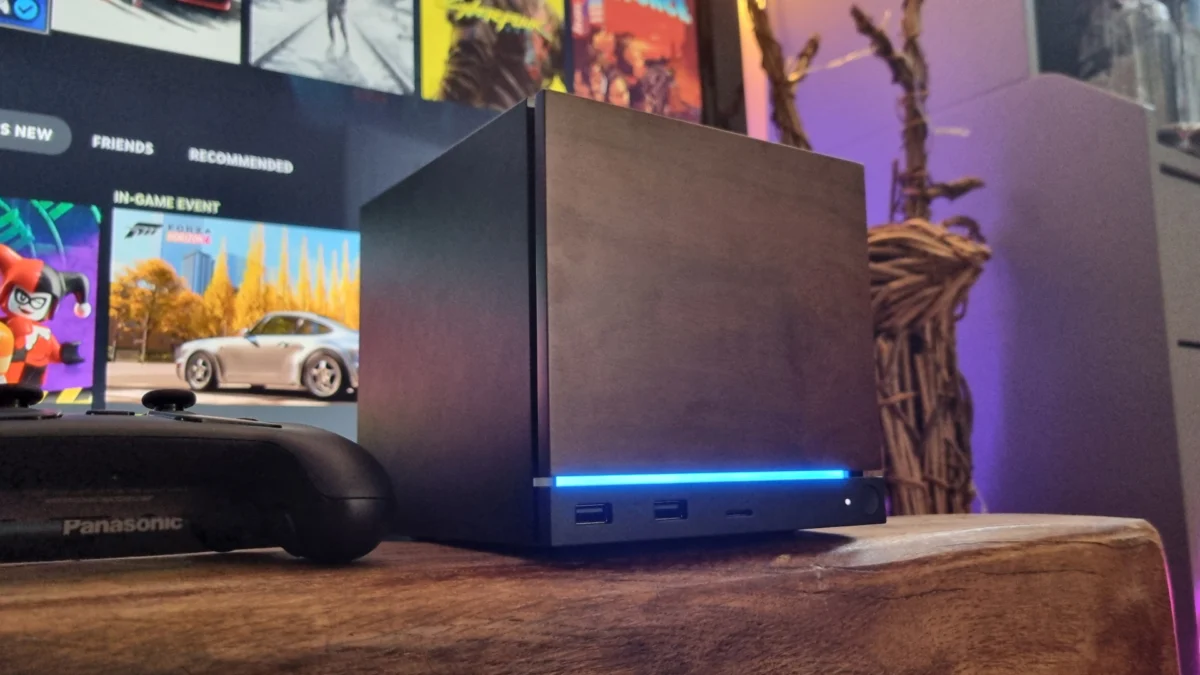
In a significant move for PC gaming enthusiasts, AMD has officially fulfilled its promise to bring its advanced FSR 4.1 (FidelityFX Super Resolution) technology to the Radeon RX 7000-series graphics cards. Following a accidental source code leak on GitHub last year—which effectively accelerated the development community’s understanding of the architecture—AMD has integrated this high-fidelity, AI-driven upscaling into its latest Adrenalin driver suite, version 26.2.2.
For owners of RDNA 3 hardware, this update represents more than just a software tweak; it is a fundamental shift in how AMD’s current-generation cards handle temporal reconstruction and frame generation, narrowing the performance gap with Nvidia’s formidable DLSS 4.5 suite.
The Chronology of FSR 4.1: From Leak to Launch
The journey to FSR 4.1 has been anything but conventional. The saga began in mid-2024 when an inadvertent push of source code to public repositories provided a "sneak peek" into the future of AMD’s upscaling libraries. While the code was quickly swapped back for the stable SDK, the damage—or rather, the opportunity—was done. Modders and tech analysts were quick to deconstruct the libraries, discovering evidence that the new AI-powered models were designed with broader hardware compatibility in mind than previously thought.
In May 2025, AMD moved from reactive to proactive, officially announcing a roadmap for FSR 4.1. The company committed to a July release for RDNA 3 (RX 7000-series) hardware, while simultaneously setting the stage for RDNA 2 (RX 6000-series) support to arrive by 2027.
The launch of the Adrenalin 26.2.2 drivers this month marks the culmination of that commitment. While the driver update is relatively light on broad peripheral features—focusing largely on game-specific optimizations for titles like Assassin’s Creed Black Flag Resynced and the highly anticipated Doom: The Dark Ages | Revelations—the inclusion of FSR 4.1 is the undisputed centerpiece.
Technical Implications: AI Upscaling on RDNA 3 vs. RDNA 4
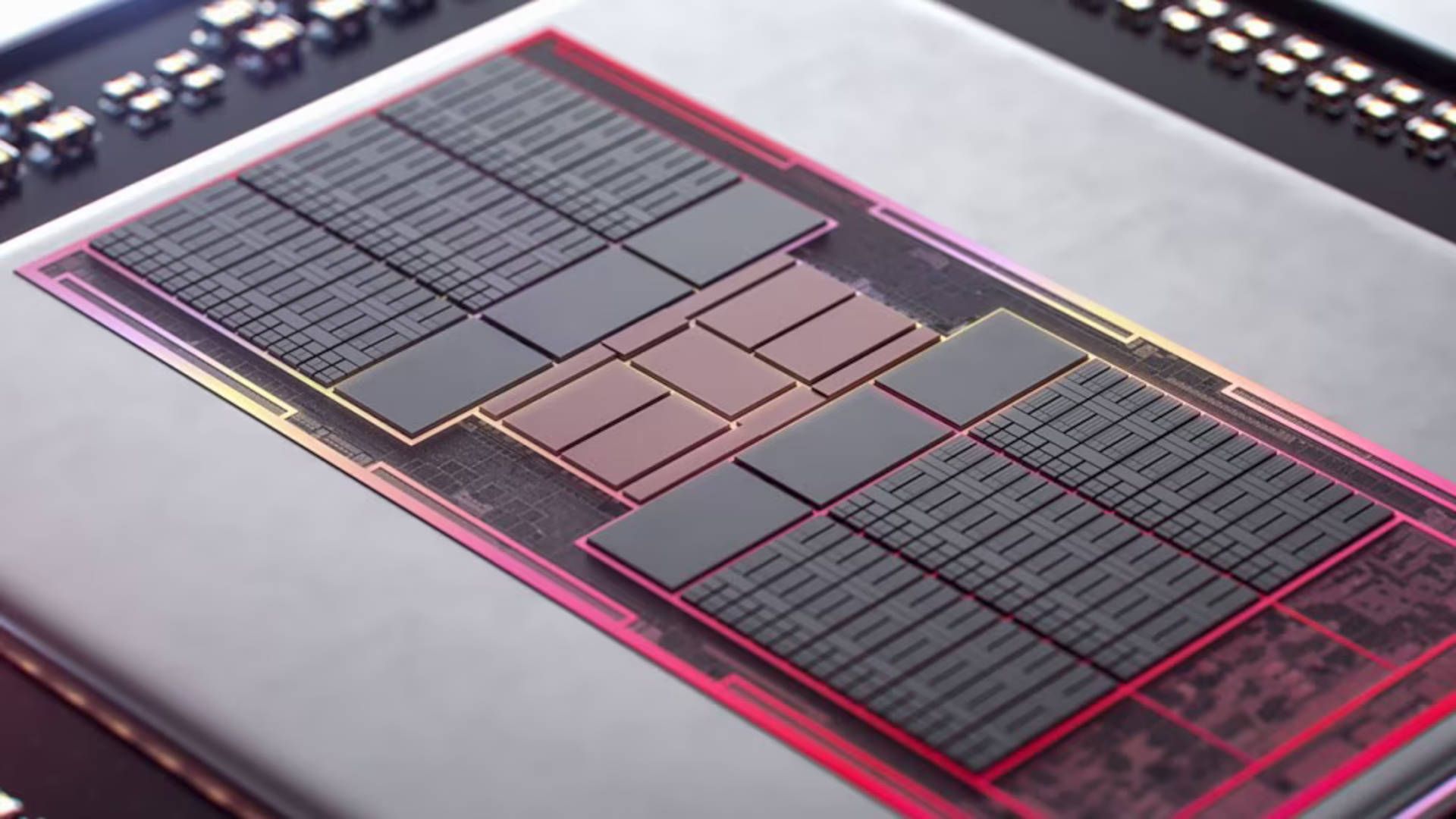
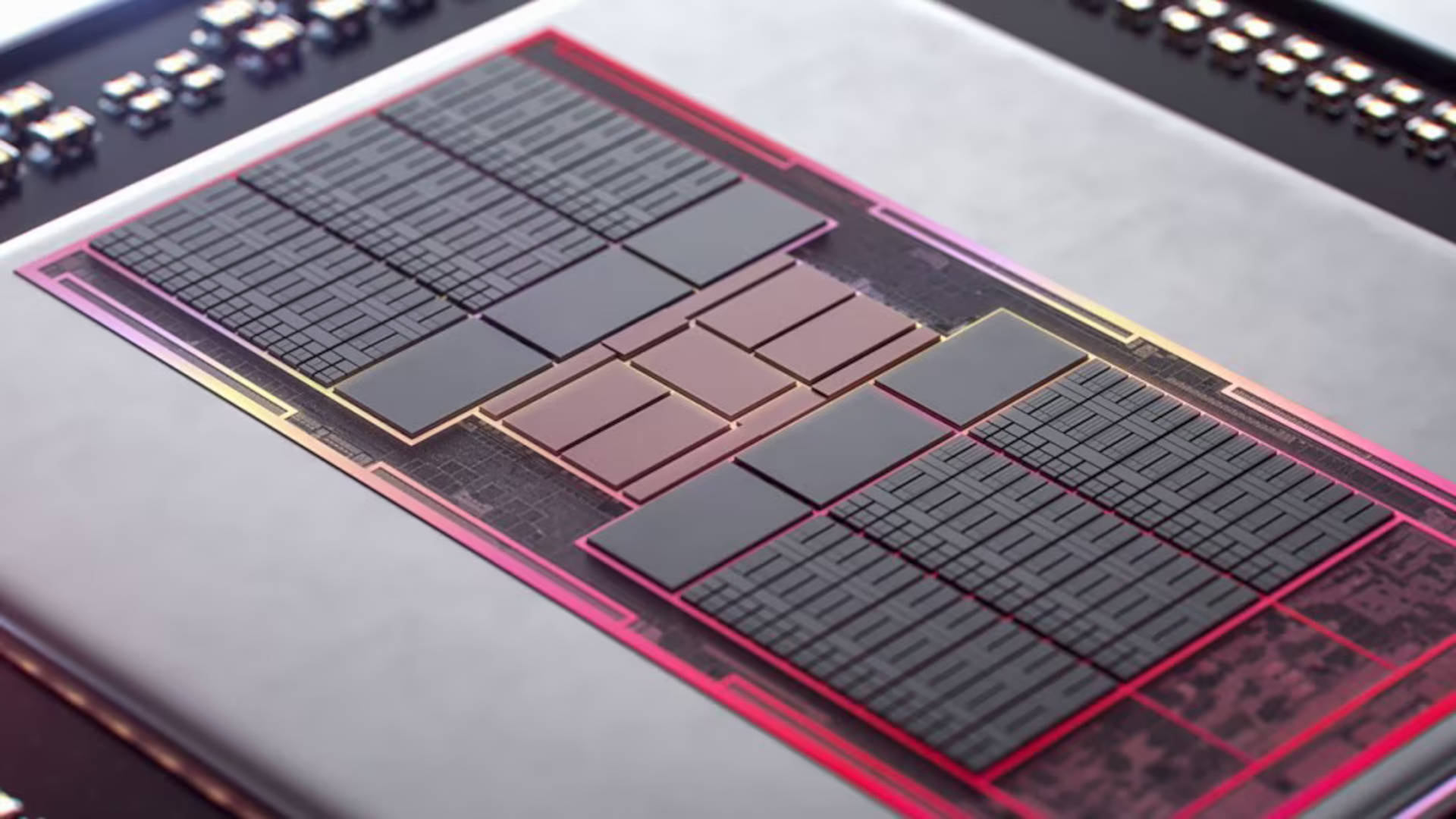
To understand the weight of this update, one must consider the hardware architecture. FSR 4.1 relies heavily on machine learning (ML) operations to perform image reconstruction. The Radeon RX 7000-series, based on the RDNA 3 architecture, was not originally designed with the same dedicated, high-throughput AI matrix hardware found in the forthcoming RDNA 4 (RX 9000-series) cards.
The "Matrix" Bottleneck
The matrix operation throughput on the RX 7000-series is significantly lower than that of its successor. Consequently, users should temper their expectations regarding a 1:1 parity in performance metrics between the two generations.
- RDNA 4 Advantage: Utilizing the full hardware acceleration of the newer architecture, FSR 4.1 will likely achieve higher frame rates with minimal overhead.
- RDNA 3 Compromise: On RX 7000 cards, the upscaling is handled via a combination of shaders and limited matrix acceleration. Users may face a choice: maintain identical visual fidelity to RDNA 4 at a lower total frame output, or prioritize framerate at the cost of slight visual artifacts during fast-motion sequences.
Despite this, early analysis suggests that FSR 4.1 is a massive leap over FSR 3.1. By shifting toward a more sophisticated, AI-centric approach, AMD has managed to reduce the "shimmering" and "ghosting" effects that plagued earlier iterations of the technology, providing a much more stable image in complex 3D environments.
Implementation and Accessibility
For the average user, accessing FSR 4.1 is straightforward but requires some nuance.
- Native Support: In games where the developer has implemented FSR 4.1 directly into the engine, users can simply select the "Quality," "Balanced," or "Performance" presets within the in-game settings menu.
- Adrenalin Override: For titles that only feature native FSR 3.1, users can trigger an FSR 4.1 override via the AMD Adrenalin software. This forces the driver to inject the 4.1 algorithms into the upscaling pipeline.
This flexibility is a massive boon for the longevity of the RX 7000-series. As AAA titles continue to demand more graphical overhead, the ability to "patch in" superior upscaling allows older cards to punch well above their weight class.
The Steam Machine Connection
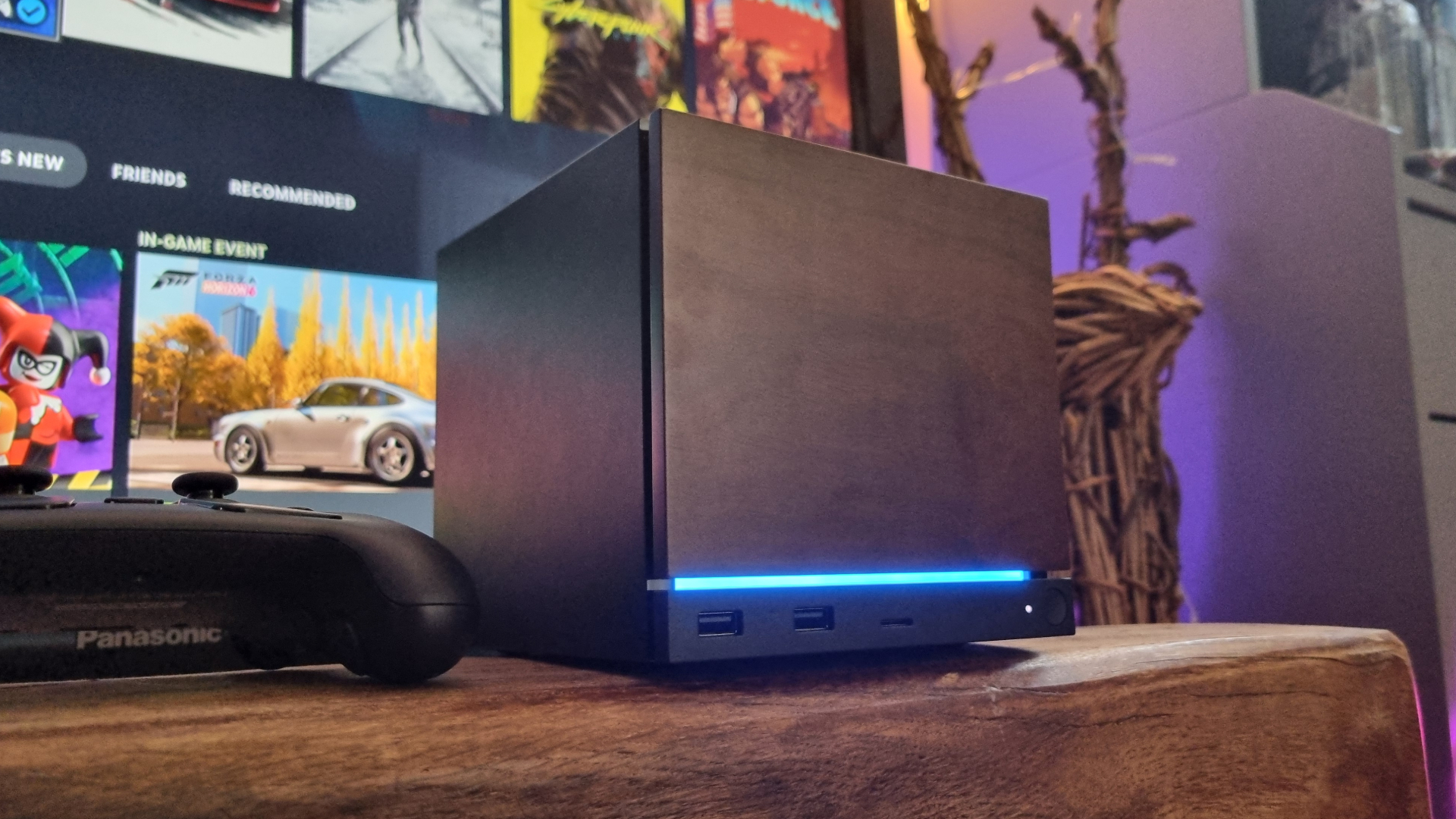
A lingering question remains: why was July specifically targeted for the RDNA 3 rollout? The answer lies in the ecosystem. With the recent release of the new "Steam Machine" console—a collaborative effort between Valve and hardware partners—the need for a unified, high-performance upscaling solution became paramount.
Valve has been working closely with AMD to optimize FSR 4.1 for the Steam Machine’s specific hardware footprint. By rolling out the driver update to the broader PC market, AMD has ensured that the underlying technology is battle-tested by the enthusiast community before it becomes the backbone of Valve’s console experience. While "coming soon" remains the official word on when the Steam Machine will fully leverage these specific libraries, the foundation is now firmly in place.
Supporting Data: Why FSR 4.1 Matters for the Market
The current PC hardware market is defined by stagnation in price-to-performance value, particularly in the mid-range sector. With the cost of entry for flagship components reaching record highs, users are keeping their hardware for longer periods—a phenomenon often called "component clinging."
- Longevity: By bringing FSR 4.1 to the RX 7000-series, AMD is actively extending the useful life of mid-range cards like the RX 7800 XT. This prevents these cards from becoming obsolete when newer, more demanding titles launch.
- The RDNA 2 Gap: AMD’s commitment to bring FSR 4.1 to the RX 6000-series (RDNA 2) in 2027 is a strategic acknowledgment of this market reality. Even though it is a long wait, it provides a roadmap for the millions of users still running these highly capable cards, ensuring they won’t be left behind in the shift toward AI-assisted rendering.
Official Stance and Future Outlook
AMD has remained relatively tight-lipped regarding the specific performance gains in frames per second (FPS), preferring to focus on "visual stability" and "image reconstruction quality." This is a departure from their previous marketing, which often focused on raw percentage gains. It signals that AMD is finally treating upscaling as a premium feature that requires a focus on aesthetics rather than just brute-force frame counts.
For the enthusiast, this is a welcomed shift. The competition with Nvidia’s DLSS has been a primary driver of innovation in the graphics space. By narrowing the quality gap, AMD is making it increasingly difficult for consumers to justify the "Nvidia premium" simply for the sake of superior upscaling.
Summary of Key Takeaways:
- Update: Adrenalin 26.2.2 is now available, introducing FSR 4.1 for RDNA 3 (RX 7000) users.
- Performance: While RDNA 3 lacks the hardware-specific AI blocks of RDNA 4, the software-level improvements of 4.1 offer a noticeable visual upgrade over 3.1.
- Compatibility: The technology acts as a wrapper for FSR 3.1-compatible games via the Adrenalin driver.
- Strategy: This move supports Valve’s Steam Machine initiative and provides a much-needed life extension for current-generation Radeon hardware.
As the industry moves further into the age of AI-assisted gaming, the success of FSR 4.1 will likely determine AMD’s market share for the remainder of the decade. For now, RX 7000-series owners have a compelling reason to update their drivers and revisit their library of games to experience a sharper, more stable visual future.


 Asro
Asro
 Muslim