

The global otome gaming community has long held the Hakuoki franchise in high regard, viewing it as the gold standard for historical romantic visual novels. Building on this legacy, publisher Eastasiasoft has officially announced that it is bringing the fan-disc Hakuoki Shinkai: Tenun no Shou to international markets. Rebranded as Hakuoki Memoirs: Drifting Clouds, the title is slated for a Nintendo Switch release in the first quarter of 2027. This localization marks a significant milestone for fans of the long-running series, offering a deeper look into the lives of the Shinsengumi during their time in Kyoto.
The Core Announcement: What to Expect
Eastasiasoft’s confirmation of Hakuoki Memoirs: Drifting Clouds brings an end to years of speculation regarding the localization of the Tenun no Shou fan disc. Originally released in Japan in October 2022, the game is not a traditional sequel, but rather a collection of short stories—often referred to as a "fan disc"—that serves to flesh out the existing narrative of the Hakuoki universe.
The game is scheduled for a Q1 2027 launch, with both digital and physical options available to consumers. The standard digital version will retail for $49.99, while collectors can look forward to a highly exclusive physical limited edition. PlayAsia has been tapped to handle the distribution of these limited units, which will be capped at a production run of just 2,000 copies, retailing for $69.99.
Given the pedigree of the Hakuoki series, which consistently blends historical drama with supernatural elements and romance, this release is expected to perform well among both long-time devotees of the series and newcomers drawn to the high-quality character designs and period-accurate aesthetic.
A Chronology of the Hakuoki Phenomenon
To understand the significance of Memoirs: Drifting Clouds, one must look at the trajectory of the Hakuoki franchise. Since its inception, the series—developed by Idea Factory and Design Factory—has navigated the turbulent waters of the Bakumatsu period in 19th-century Japan. The story follows Chizuru Yukimura, a young woman searching for her father in Kyoto, who inadvertently finds herself protected by the Shinsengumi, a legendary group of samurai.
- The Original Foundation: The series began in 2008, setting the stage for what would become an expansive multimedia empire, including anime adaptations, manga, and numerous spin-off titles.
- The Shinkai Era: The Shinkai series served as a massive "remake" or "definitive edition" of the original Hakuoki games, adding more characters, expanded story paths, and significantly updated production values.
- The Fan Disc Tradition: Fan discs in the otome genre are essential for audience engagement. They provide "what if" scenarios, side stories, and intimate character moments that wouldn’t fit within the main narrative’s high-stakes plot. Tenun no Shou (now Memoirs: Drifting Clouds) is specifically designed to bridge gaps in the Kyoto era, allowing players to spend more time with the cast members they grew to love during the main Shinkai games.
- The Global Expansion: Eastasiasoft’s involvement has been pivotal in bringing these titles to Western fans. Their previous release, Hakuoki SSL: Sweet School Life, showcased a willingness to explore the franchise’s versatility by taking the serious, blood-soaked samurai characters and placing them in a lighthearted, modern-day high school setting.
Character Depth and Narrative Scope
One of the primary selling points for Hakuoki Memoirs: Drifting Clouds is the sheer volume of character-focused content. The game is not limited to a single protagonist’s perspective but rather acts as a tapestry of experiences involving the entire main cast.
Official documentation from Eastasiasoft confirms that the game features specific routes and narrative segments for 12 distinct bachelors. These include the iconic figures of the Shinsengumi, such as:
- Toushizou Hijikata: The stoic and disciplined vice-commander.
- Souji Okita: The brilliant but plagued swordsman.
- Hajime Saitou: The quiet, loyal, and deadly master of the left-handed sword.
- Sanosuke Harada & Heisuke Toudou: The reliable pillars of the group.
Additionally, the game features routes for Chikage Kazama, Hachirou Iba, Kazue Souma, Keisuke Sannan, Ryouma Sakamoto, Shinpachi Nagakura, and Susumu Yamazaki. This breadth of content ensures that regardless of which character a player favored in previous entries, they will find substantial new material to explore. The "Drifting Clouds" in the title suggests a thematic focus on the fleeting nature of the samurai’s time in Kyoto, emphasizing the poignancy of these relationships as the political landscape shifts toward the Meiji Restoration.
Supporting Data and Production Quality
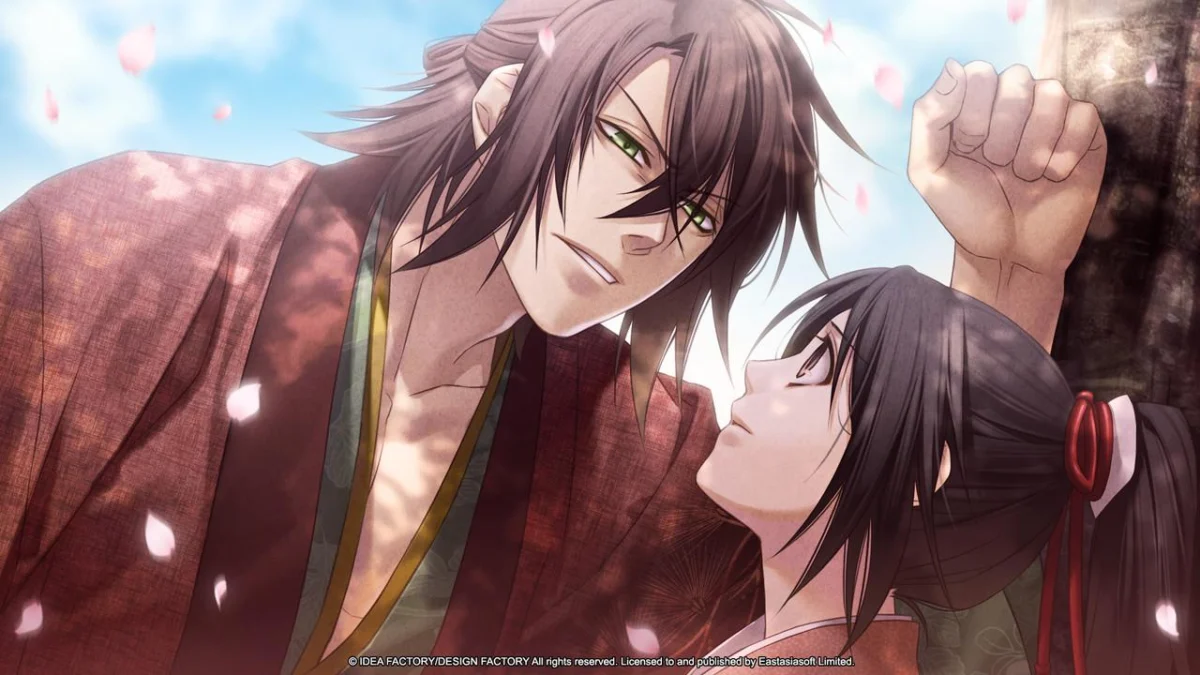
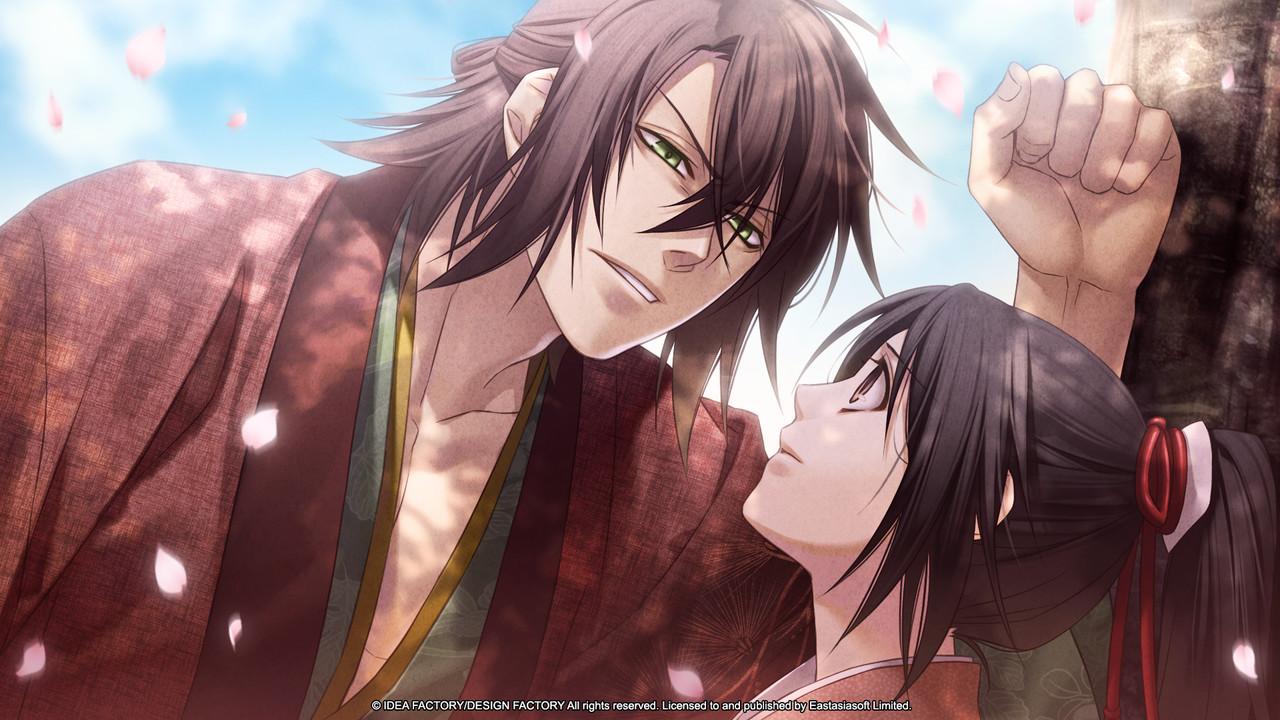
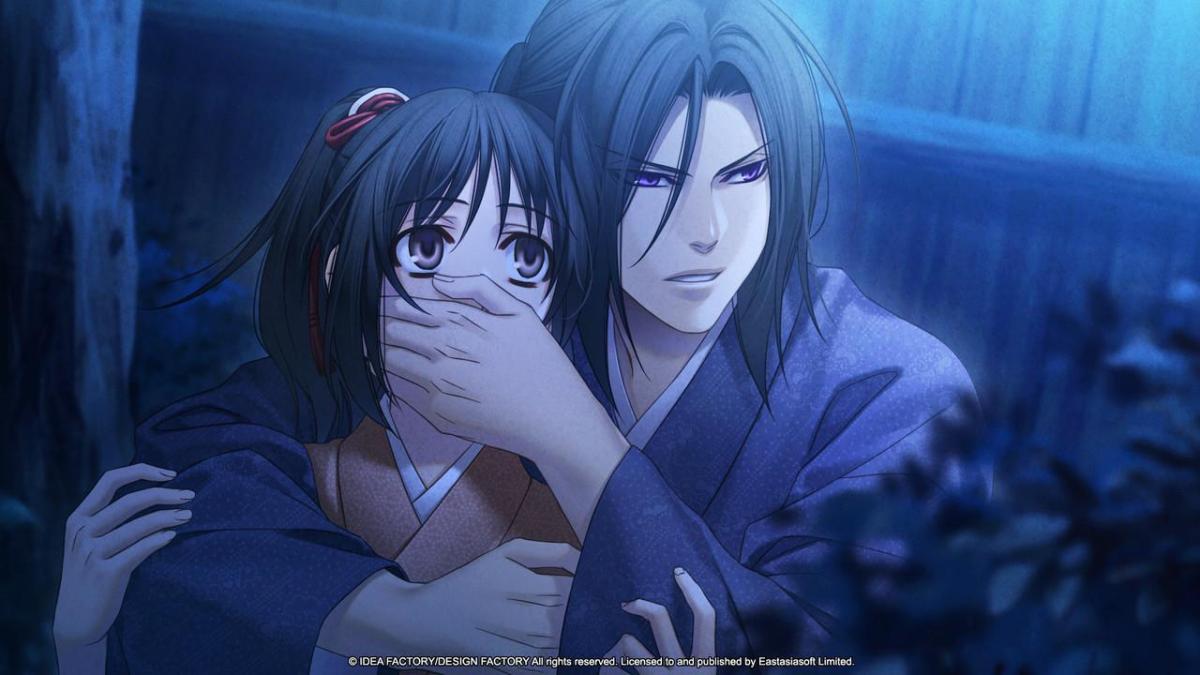
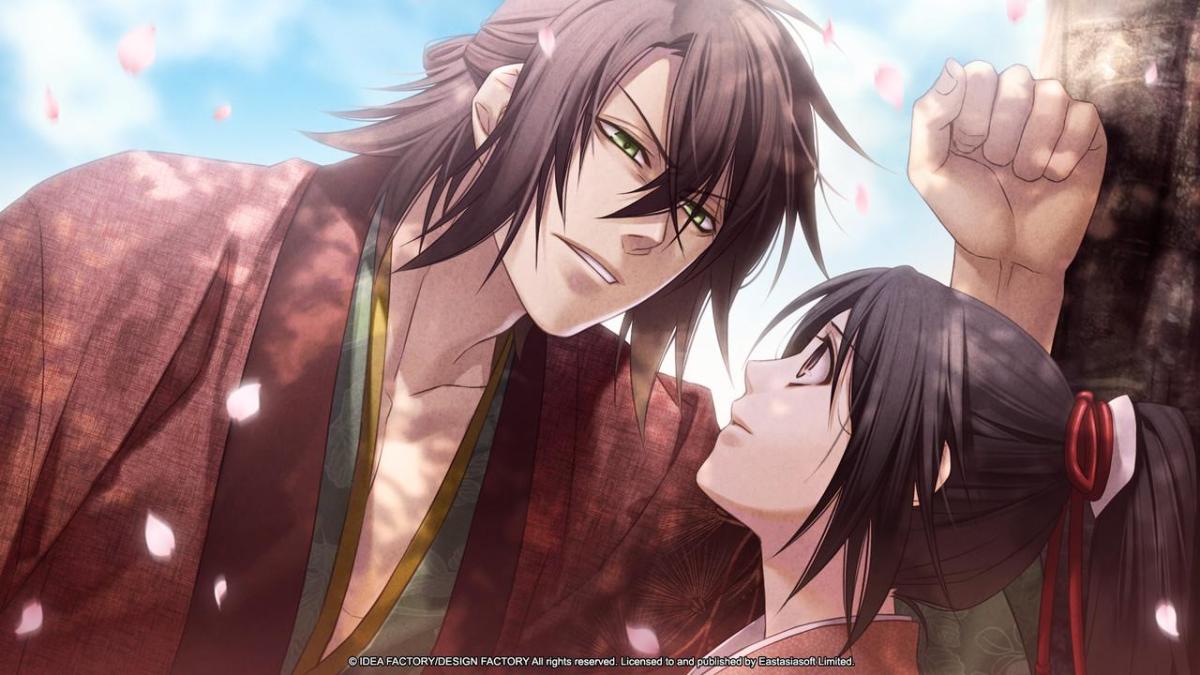
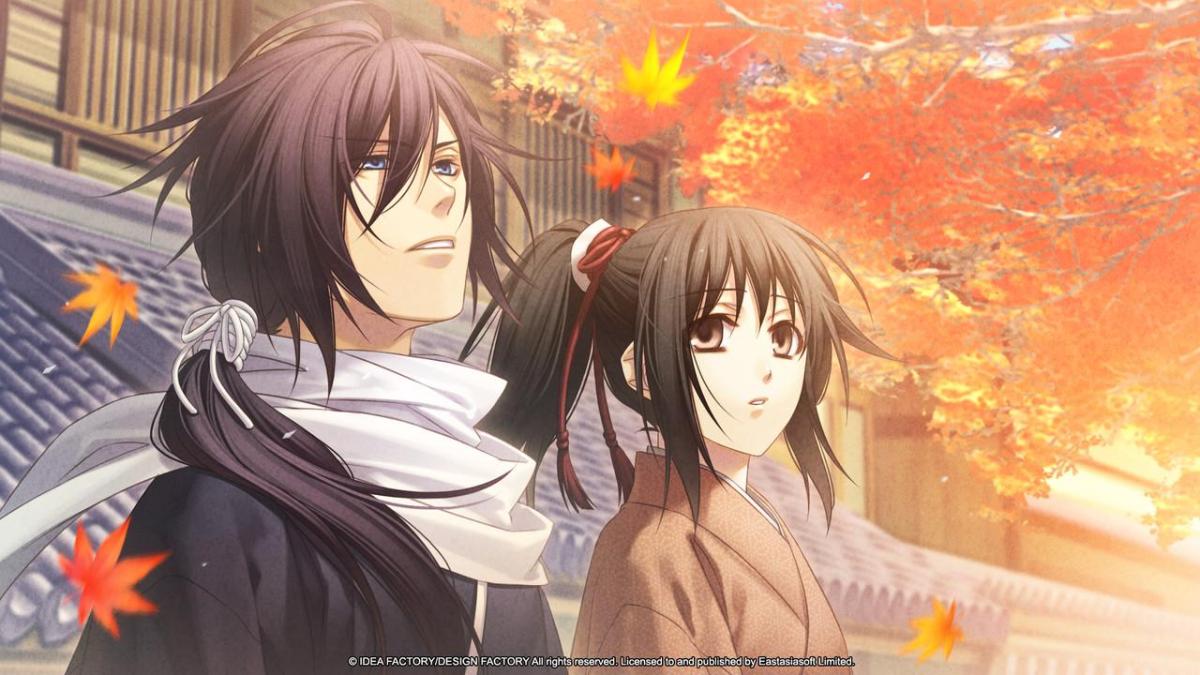
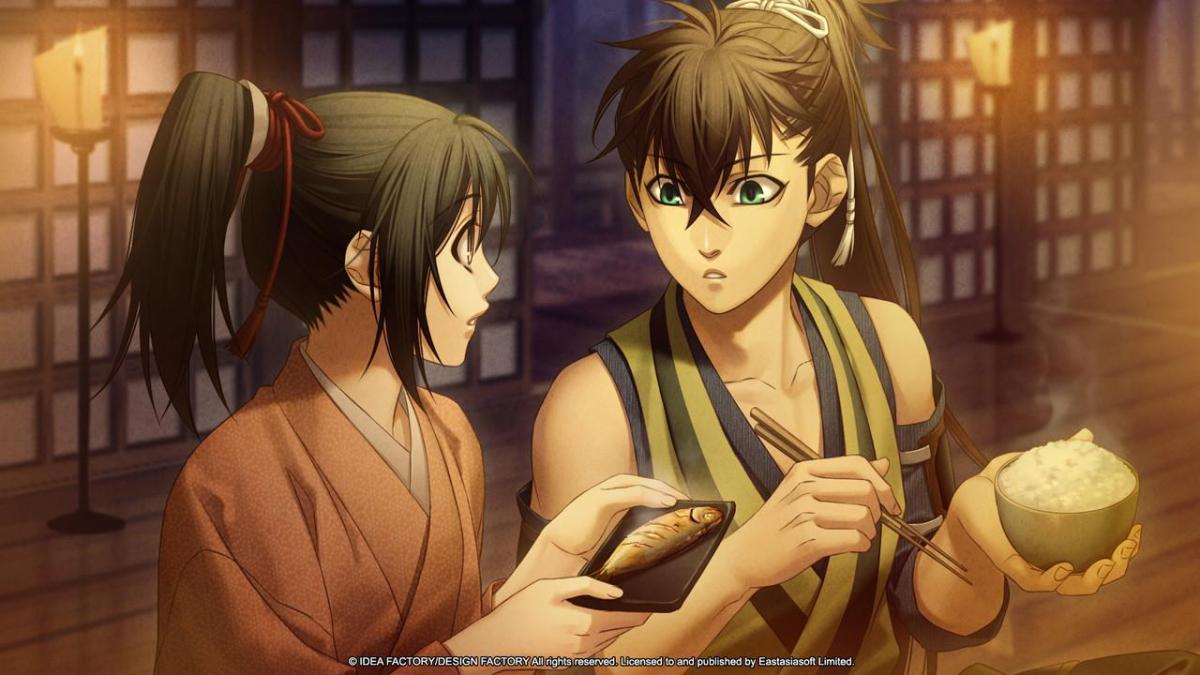
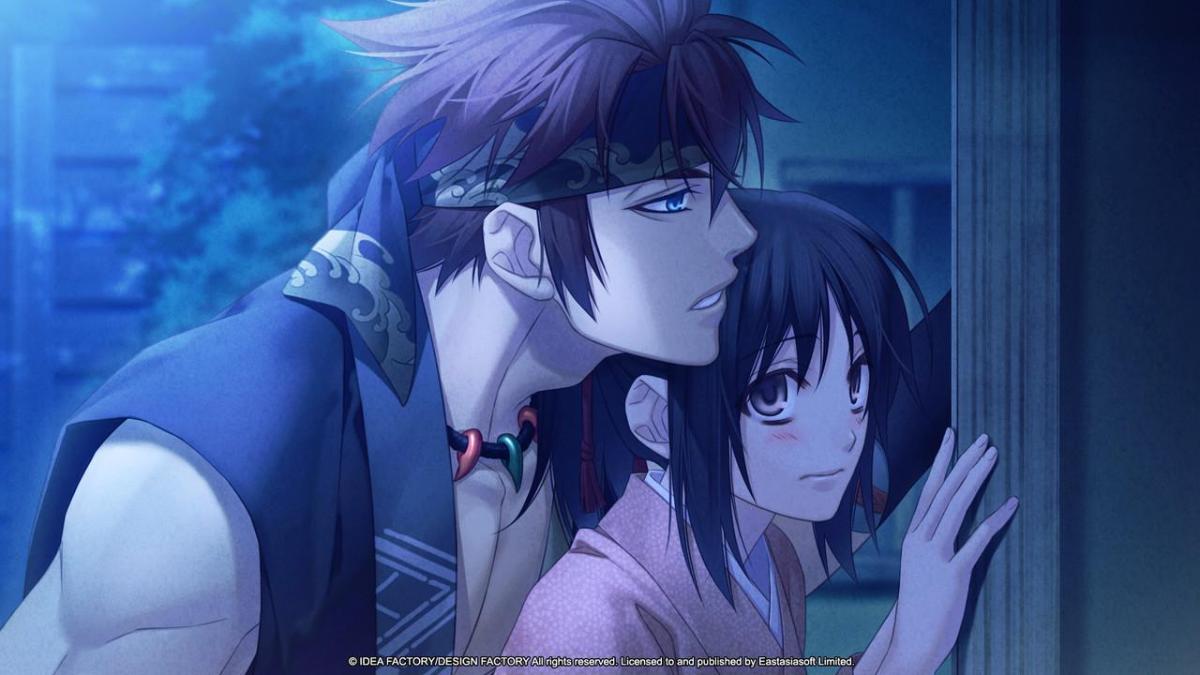
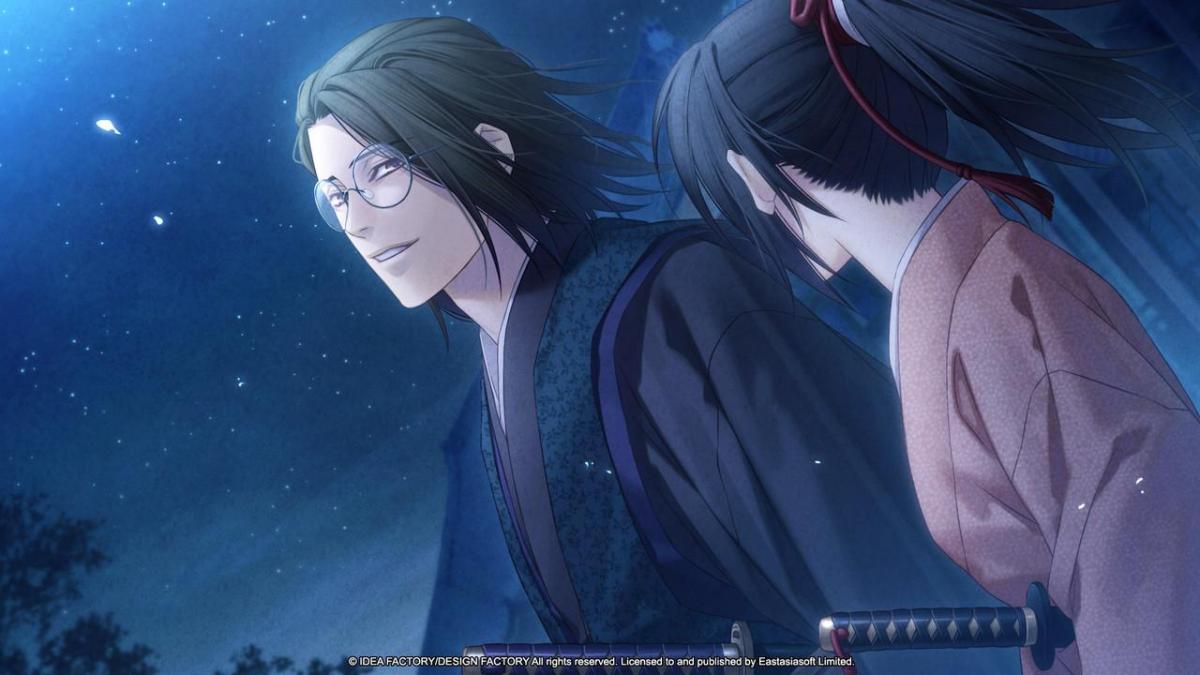
The production values of Hakuoki have always been a hallmark of the series, and Memoirs: Drifting Clouds appears to be no exception. The CG (Computer Graphic) event scenes released alongside the announcement highlight the artistic evolution of the series. The character art retains the signature style that fans have come to associate with the franchise, characterized by sharp linework, evocative expressions, and period-appropriate color palettes.
The Limited Edition, in particular, caters to the "collector" demographic within the otome community. Beyond the base game, the package includes:
- Hardcover Art Book: Featuring high-resolution illustrations and character profiles.
- Drama CD: A staple of Japanese visual novel releases, providing exclusive voice-acted scenarios.
- Instruction Manual: A nostalgic inclusion for physical media enthusiasts.
- Acrylic Standees: High-quality character displays.
- Poster and Joy-Con Stickers: Custom accessories that allow fans to customize their Switch hardware with Hakuoki aesthetics.
The decision to limit the physical edition to 2,000 units is a strategic move that acknowledges the niche but highly dedicated nature of the physical media market in the visual novel space.
Implications for the Otome Market
The localization of Hakuoki Memoirs: Drifting Clouds signals a healthy, ongoing demand for Japanese visual novels in the West. For years, the barrier to entry for fans of the genre was the language gap; now, with publishers like Eastasiasoft and Aksys Games consistently bringing titles to the Nintendo Switch, the genre has seen a massive surge in accessibility.
Furthermore, the success of Hakuoki proves that historical fiction remains a potent draw for gamers. While many otome games focus on fantasy or contemporary romance, the Hakuoki series’ commitment to its historical backdrop—the decline of the Shogunate—provides a gravitas that elevates the romance. It allows players to feel the weight of their choices against the backdrop of a real, tumultuous period in Japanese history.
Looking toward 2027, the release of this game will likely stimulate further interest in the Hakuoki franchise, potentially prompting more requests for the localization of older, Japan-only titles. It also sets a precedent for how "fan discs" should be handled: providing a complete, high-quality localization that preserves the emotional nuance of the original Japanese text while offering premium physical goods that justify the collector’s price point.
Conclusion: A Love Letter to the Shinsengumi
Hakuoki Memoirs: Drifting Clouds is more than just a supplementary release; it is a celebration of a franchise that has defined the otome genre for nearly two decades. By providing a deep dive into the lives of the 12 bachelors who have become icons of visual novel storytelling, the game promises to be an essential purchase for those who have followed the Shinkai narrative to its current point.
With its scheduled release in Q1 2027, fans have ample time to revisit the main titles or catch up on the Hakuoki saga. Whether you are a long-time member of the Shinsengumi fan base or someone looking to experience the historical romance for the first time, Memoirs: Drifting Clouds represents the pinnacle of what a fan-focused, premium release can be in the modern era of gaming. As the release date approaches, the excitement surrounding the return to Kyoto is palpable, proving once again that the legend of the Shinsengumi is far from fading.












No comments yet. Be the first to join the conversation!