Nana Wu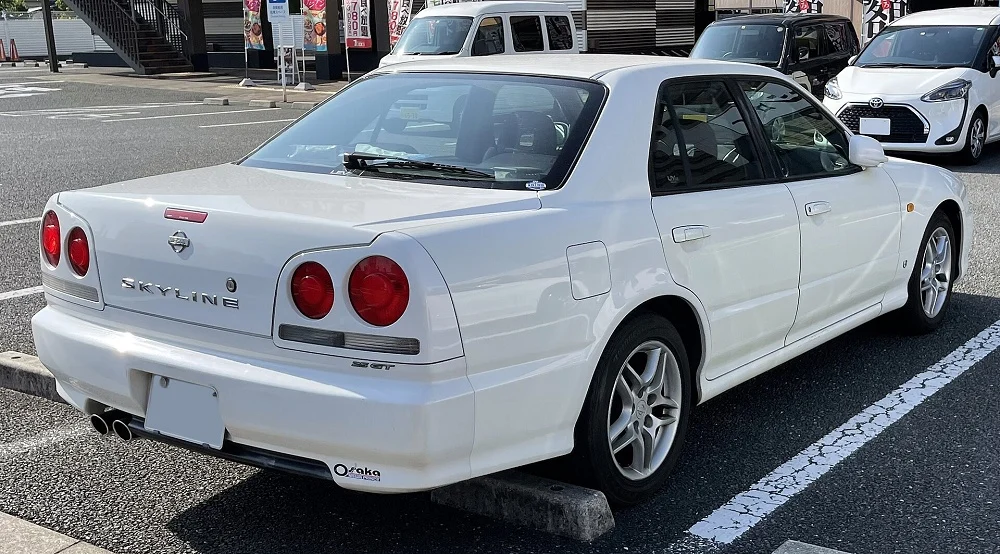
Japan has long been a global beacon for travelers drawn to its unique blend of ancient tradition and hyper-modern subcultures. From the whimsical allure of Hello Kitty and the meticulous craftsmanship of regional ramen to the mysterious legacy of the ninja, the country offers a rich tapestry of experiences for the curious tourist. However, the privilege of visiting a foreign nation comes with an implicit social contract: to respect the laws, cultural norms, and property of the host country.
For 32-year-old Dutch national Roy Witte, that contract was flagrantly breached in Tochigi Prefecture. His recent arrest, following a reckless display of vehicle abuse at a historic site, has ignited a fierce debate regarding the conduct of foreign visitors and the increasingly thin patience of the Japanese public.
The Incident: Recklessness at the Oya History Museum
On June 15, the serene atmosphere of the Oya History Museum in Utsunomiya, Tochigi, was shattered by the screech of tires and the smell of burning rubber. Witte, who was visiting Japan, had rented a classic R34-chassis Nissan Skyline sedan—a car revered by JDM (Japanese Domestic Market) enthusiasts globally.
Rather than taking the vehicle on a scenic drive or visiting a sanctioned track, Witte reportedly turned the museum’s parking lot into a makeshift stage for a "drift" exhibition. Security footage captured the vehicle spinning erratically across the asphalt, leaving behind deep, unsightly rubber streaks and scars on the pavement.
The director of the Oya History Museum, a site of significant cultural and historical importance, confirmed that the damage is extensive. Beyond the aesthetic impact, the cost of specialized cleaning and repairs to restore the surface of the parking lot is projected to be substantial. The Tochigi Prefectural Police moved swiftly to investigate the incident, leading to Witte’s arrest on charges related to property damage and vandalism.
A Chronology of the Disregard
The timeline of the event highlights a clear departure from standard tourist behavior:
- Pre-June 15: Witte secures a rental vehicle, specifically an R34 Nissan Skyline, likely motivated by the car’s pop-culture status.
- June 15: Witte arrives at the Oya History Museum. Despite the presence of other vehicles and visitors, he initiates a series of high-speed spins and drifts in the parking area.
- Post-Incident: The museum identifies the vandalism through surveillance footage. Local authorities are notified, and evidence is gathered documenting the tire marks and the vehicle’s involvement.
- Arrest: The Tochigi Prefectural Police track down the suspect. Witte is taken into custody, drawing immediate attention from both domestic and international media.
- Current Status: Witte remains under investigation, with Japanese authorities signaling a move toward a more rigorous legal process rather than simple deportation.
The Myth of "Drifting" vs. The Reality of Vandalism
To understand the public outrage, one must understand the nuance of Japan’s car culture. Drifting—the technique of intentionally oversteering to induce a loss of traction—is indeed a Japanese-born phenomenon that has gained global cult status. However, the romanticized version seen in movies and video games bears little resemblance to what Witte performed in Utsunomiya.
"Drifting" as practiced by enthusiasts in Japan is a discipline. It involves precision, skill, and, crucially, designated venues. For decades, the "touge" (mountain pass) drifters of the 1980s and 90s operated under a strict code: they avoided residential areas, cleaned up after themselves, and prioritized safety. Modern enthusiasts take their cars to professional circuits, such as Ebisu or Nikko, where drifting is permitted and managed.
What Witte performed in the Oya History Museum parking lot was not "drifting" by any professional definition. It was reckless wheelspin. It required no technical skill, displayed no respect for the venue, and was objectively destructive. By choosing a public-facing museum lot instead of a closed track, Witte signaled a total lack of situational awareness—a "jackass" move that the Japanese community finds particularly offensive.
Official Responses and Public Sentiment
The reaction from the Japanese public has been overwhelmingly negative. Across social media platforms and news comment sections, the consensus is clear: the behavior was not just illegal, but deeply disrespectful.
One recurring theme in the discourse is the sentiment: "Do that in your own country." This highlights a growing frustration among Japanese residents who feel that some foreign tourists view Japan as an "anything goes" playground. Commenters have pointed out that the perpetrator likely lacks the respect required to maintain a rental car, noting that in Japan, treating borrowed or rented property with extreme care is a fundamental pillar of social etiquette.
Perhaps most tellingly, the incident has drawn the ire of the car community itself. True enthusiasts are protective of their culture. They view Witte’s actions as an insult to the very car he was driving. "I feel bad for the rental car," wrote one commenter, echoing a sentiment that the machine itself was a victim of the driver’s ignorance.
The Broader Implications: Tourism and Accountability
This incident arrives at a precarious time for Japan’s tourism sector. As the country grapples with the challenges of "overtourism," the behavior of individual travelers is increasingly viewed through a lens of national policy.
The End of the "Slap on the Wrist"
Historically, foreign tourists who committed minor infractions were often handled with a degree of leniency. A police warning, a formal apology, and a quiet departure were the standard outcomes. However, as the frequency of antisocial behavior by tourists has risen, so has the appetite for stricter enforcement.
There is a growing movement in Japan to treat foreign offenders exactly as one would a local resident. The days of expecting an easy ticket home following a crime are fading. Legal experts suggest that the authorities are under increasing pressure from local governments and the public to ensure that justice is seen to be done—meaning trials, fines, and potential jail time.
The Rental Industry’s Dilemma
The rental car industry in Japan is also taking note. While rental companies have always had strict policies, there is now an increased push for better vetting of foreign renters, especially those seeking performance vehicles. We may see a future where access to certain high-performance cars is restricted for short-term visitors without documented experience or proof of track membership.
The Cost of Cultural Tourism
The Oya History Museum incident serves as a stark reminder that cultural tourism is not just about consuming a destination; it is about participating in its society. When a tourist treats a historic Japanese landmark as a stunt track, they do not just damage the pavement; they damage the reputation of all tourists who visit the country.
As Japan continues to welcome millions of visitors, the case of Roy Witte will likely serve as a cautionary tale. It is a signal to future travelers that the "land of Hello Kitty and ninja" is also a land of rigorous law and order, where the expectation of mutual respect is non-negotiable. Whether this incident leads to policy changes or simply serves as a warning, one thing is certain: the era of the "unaccountable tourist" in Japan is coming to a definitive end.


 Neng Nana
 Asro
Asro