Nana Muazin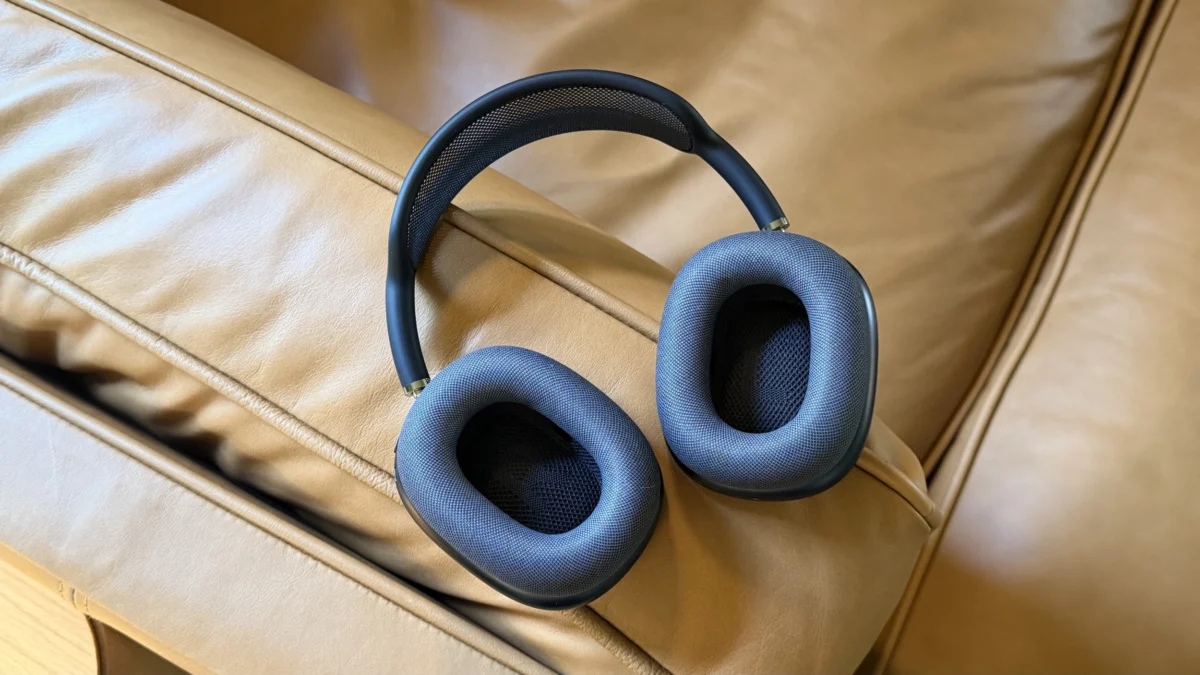
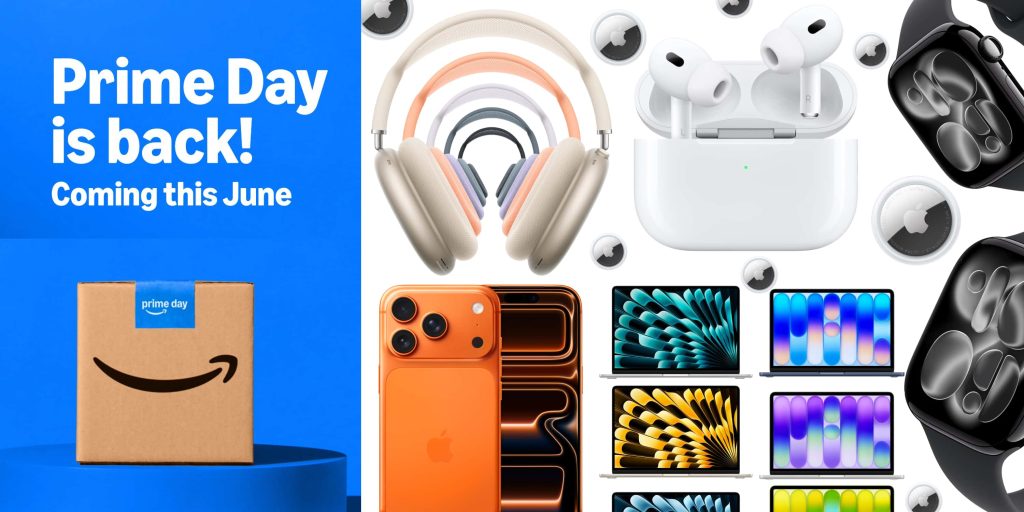
The annual digital shopping marathon known as Amazon Prime Day has officially kicked off for 2026, and for Apple enthusiasts, this year’s event is proving to be a watershed moment for audio hardware. As the e-commerce giant rolls out its deepest discounts of the year, the spotlight has fallen squarely on the Cupertino company’s latest lineup of wireless audio products. From the newly released AirPods Max 2 to the versatile AirPods Pro 3, consumers are seeing price drops that were previously considered unthinkable for such premium hardware.
This year’s sale is not merely about clearing old inventory; it is a strategic window into the current state of Apple’s audio ecosystem. Whether you are looking for the immersive acoustic profile of over-ear headphones or the pocketable convenience of earbuds, the current price landscape offers a rare entry point into Apple’s high-fidelity world.
The Core Facts: What’s on Sale?
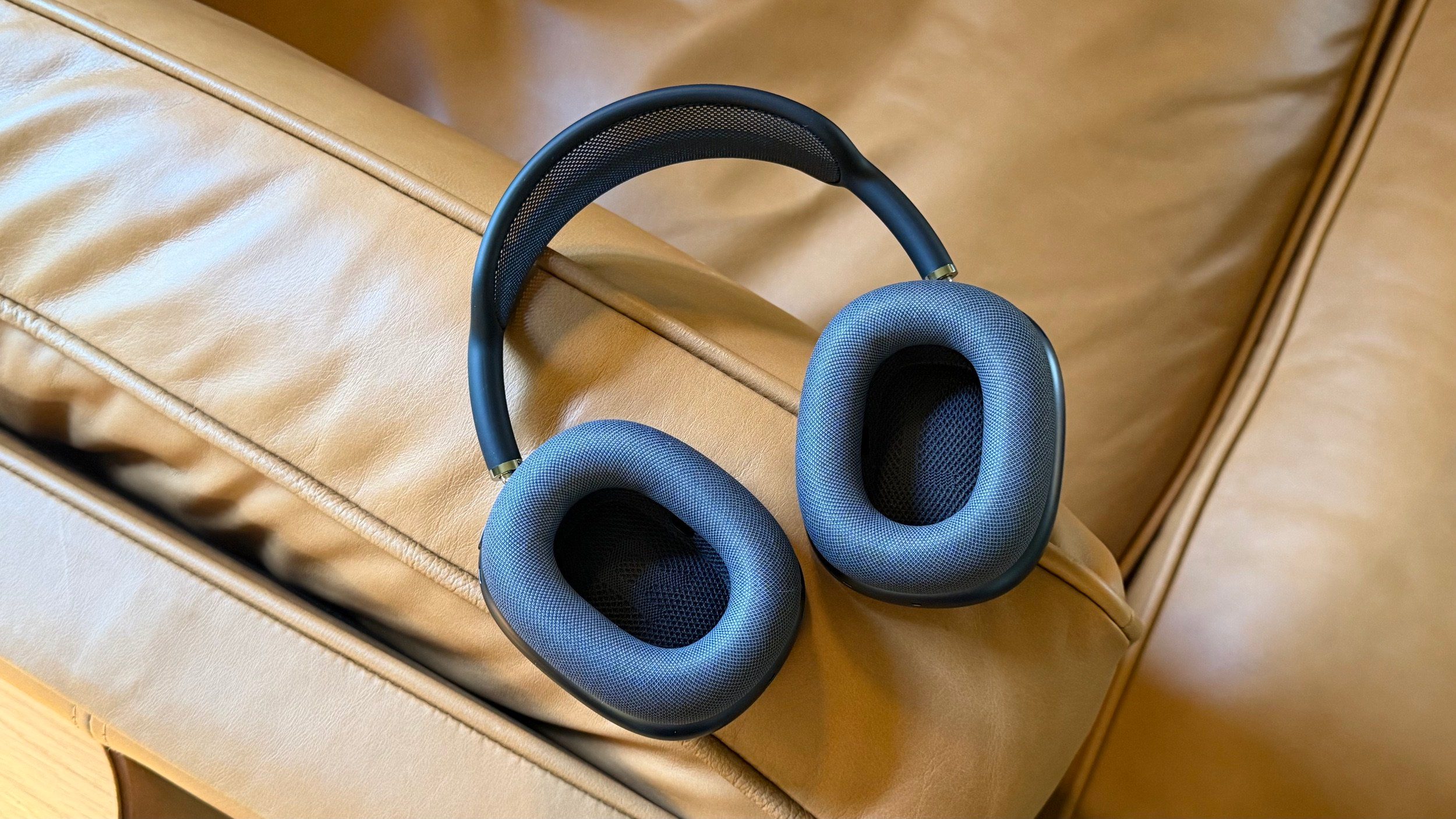
The 2026 Prime Day event has introduced significant pricing corrections across the board for Apple’s audio portfolio. The most striking headline involves the AirPods Max 2, which have seen a massive $150 reduction, bringing the premium headphones to an all-time low of $399.

Meanwhile, the AirPods Pro 3—widely regarded as the industry standard for consumer-grade noise cancellation—are currently available for $179, a discount of nearly 30% from their $249 MSRP. For those seeking a more budget-conscious solution, the AirPods 4 remain a consistent value proposition, starting at $99 for the base model, with the Active Noise Cancellation (ANC) variant holding steady at $149.
Beyond the headline audio gear, the event also encompasses Apple’s peripheral ecosystem, including significant markdowns on the AirTag 2 item trackers, which are currently seeing their most competitive pricing since launch.
A Chronology of the 2026 Audio Rollout
To understand the significance of these deals, one must look at the timeline of Apple’s product releases leading up to this summer.
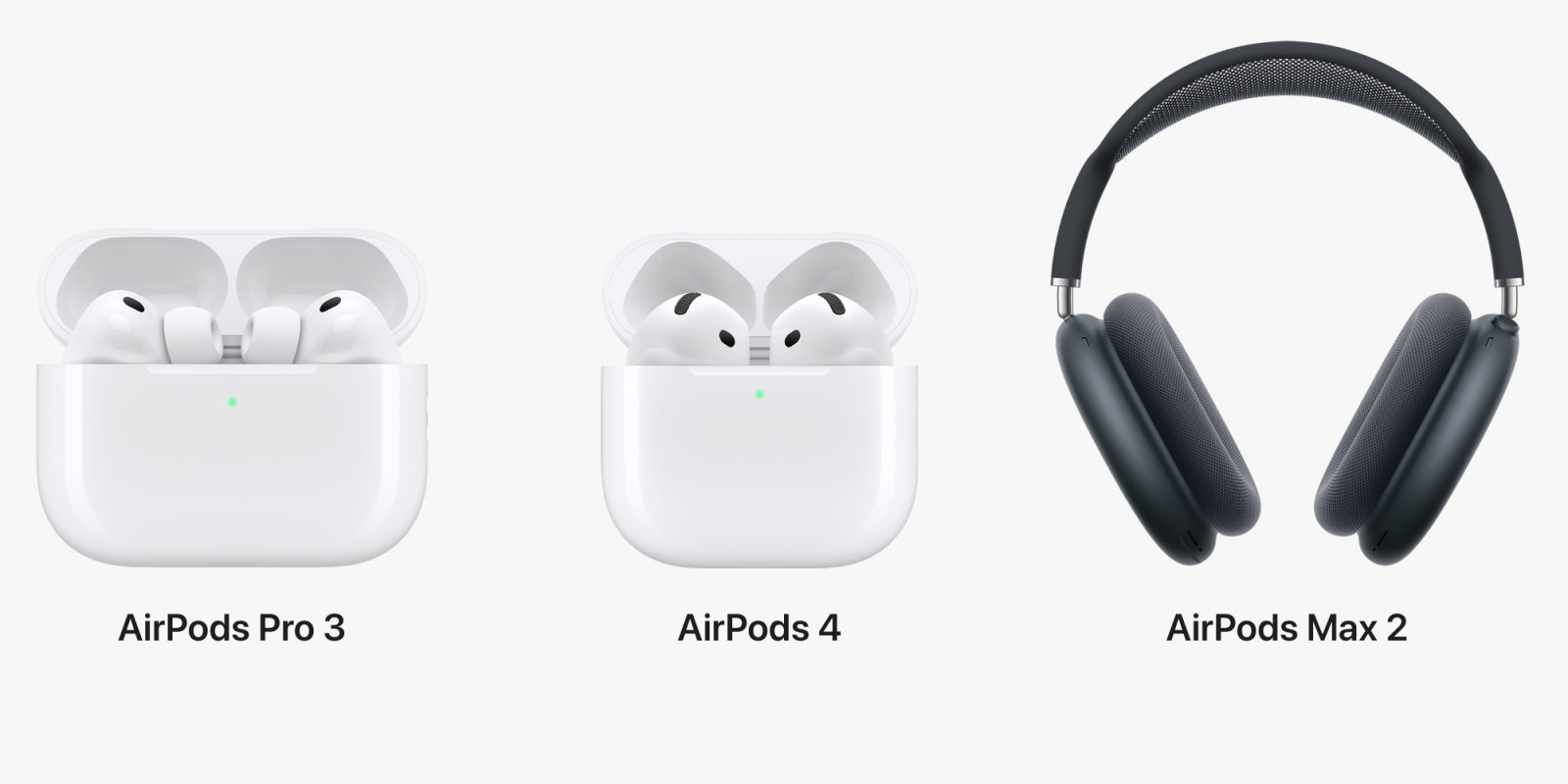
- Q1 2026: Apple officially refreshed its over-ear lineup with the launch of the AirPods Max 2. Featuring updated internal processing and refined acoustic architecture, the headphones initially launched at a premium $549 price point.
- Q2 2026: Following the positive critical reception of the AirPods Pro 3, which cemented the earbuds’ reputation for superior spatial audio and transparency mode performance, market analysts noted a push toward broader adoption through seasonal promotions.
- July 2026: The official start of Prime Day 2026 marks the first major retail event where the 2026 hardware lineup has been subjected to aggressive "all-time low" pricing. This move signals a shift in Apple’s retail strategy, moving from a "prestige pricing" model to a more aggressive volume-based approach during major e-commerce holidays.
Supporting Data: Analyzing the Value Proposition
When dissecting the current deals, the value proposition varies significantly depending on the consumer’s primary use case.
AirPods Pro 3: The Balancing Act
At $179, the AirPods Pro 3 sit at a price point that makes them nearly impossible to ignore. Our internal reviews have consistently highlighted the H3 chip’s capability to process background noise with near-zero latency. While there was brief speculation regarding a potential $169 flash sale, the current $179 price represents the second-best valuation we have tracked since their inception. For the average commuter, the value-to-cost ratio here is arguably the highest in Apple’s entire catalog.
AirPods Max 2: The Premium Pivot
The $150 discount on the AirPods Max 2 is the most significant move by Amazon this year. By dropping the price to $399, Amazon is effectively positioning these headphones against mid-tier offerings from competitors like Bose and Sony. The inclusion of the new 2026 acoustic hardware at this price point suggests a concerted effort to capture the "prosumer" market that may have been priced out by the initial $549 tag.
AirPods 4: The Entry-Level Standard
The $99 price point for the base AirPods 4 is a psychological barrier that Apple has successfully maintained. By offering the base model at under $100 while keeping the ANC-equipped version at $149, Apple is effectively bifurcating its entry-level market, catering to both the budget-conscious user and the "feature-first" power user.
Official Responses and Market Positioning
While Apple rarely comments on specific retailer discounts, the coordination between the manufacturer and retailers like Amazon and Best Buy suggests a synchronized effort to clear inventory ahead of the upcoming back-to-school season.
Industry analysts suggest that this year’s deeper discounts are a reaction to an increasingly crowded audio market. With competitors pushing high-fidelity wireless audio at increasingly lower price points, Apple’s reliance on its "walled garden" ecosystem is no longer enough to maintain market dominance; aggressive, seasonal price adjustments have become a necessary component of the company’s retail strategy.
Implications: What Does This Mean for the Consumer?
The primary implication of this year’s Prime Day audio sale is that the "Apple Tax" is becoming more negotiable. For years, Apple hardware rarely dipped significantly in price outside of major holidays. However, the current landscape suggests that the 2026 product cycle has been designed with retail elasticity in mind.
1. The Death of the "Early Adopter" Premium
For consumers who waited for these deals, the reward is clear: significant savings on top-tier tech. For early adopters who paid full price at launch, the rapid decline in retail value may be frustrating, but it reflects the reality of a global market that is increasingly sensitive to price fluctuations.
2. Ecosystem Lock-in vs. Price
Apple’s decision to discount these items so heavily during Prime Day acts as a catalyst for ecosystem lock-in. Once a user invests in a pair of AirPods—especially at a discounted price—the likelihood of them purchasing other Apple hardware (such as an iPhone or an iPad) increases significantly. These audio deals serve as the "hook" that draws users into the broader Apple services and hardware landscape.

3. Sustainability and Future-Proofing
A critical question remains: are these devices "future-proofed" enough to warrant the purchase? With the AirPods Max 2 and Pro 3, the inclusion of updated silicon ensures that these devices will remain compatible with forthcoming firmware updates and spatial audio enhancements for the foreseeable future. This gives the consumer peace of mind that a discounted price does not equate to an aging product.
Conclusion: How to Navigate the Sales
As Prime Day 2026 continues, consumers should remain vigilant. While $179 for the AirPods Pro 3 and $399 for the AirPods Max 2 are excellent entry points, inventory is fluctuating rapidly.
Tips for the savvy shopper:

- Check Color Availability: The $150 off the AirPods Max 2 is currently available across all five colors, but high-demand shades often sell out first.
- Bundling Opportunities: Keep an eye on secondary retailers like Best Buy, which are currently offering competitive pricing on Beats products—a perfect alternative if you prefer a different sound signature or fit.
- Verify Shipping: Ensure that the seller is either Amazon or an authorized Apple retailer to guarantee that you are receiving a genuine, warrantied product.
The 2026 Prime Day event is, at its core, a testament to the maturation of the wireless audio market. Apple’s willingness to participate in such deep, site-wide discounts signals a pivot toward broad-market penetration. For the consumer, it is arguably the best time in recent years to upgrade their audio setup, provided they act before the stock runs dry.
Whether you are an audiophile looking for the latest in spatial audio processing or simply someone looking for a reliable pair of daily-driver earbuds, this year’s event provides a rare, high-value opportunity to invest in premium hardware at a fraction of the traditional cost.
Disclaimer: This article contains affiliate links. We may earn a commission on purchases made through these links, which helps support our in-depth testing and editorial efforts.


 Muslim
 Evan Lee Salim