Basiran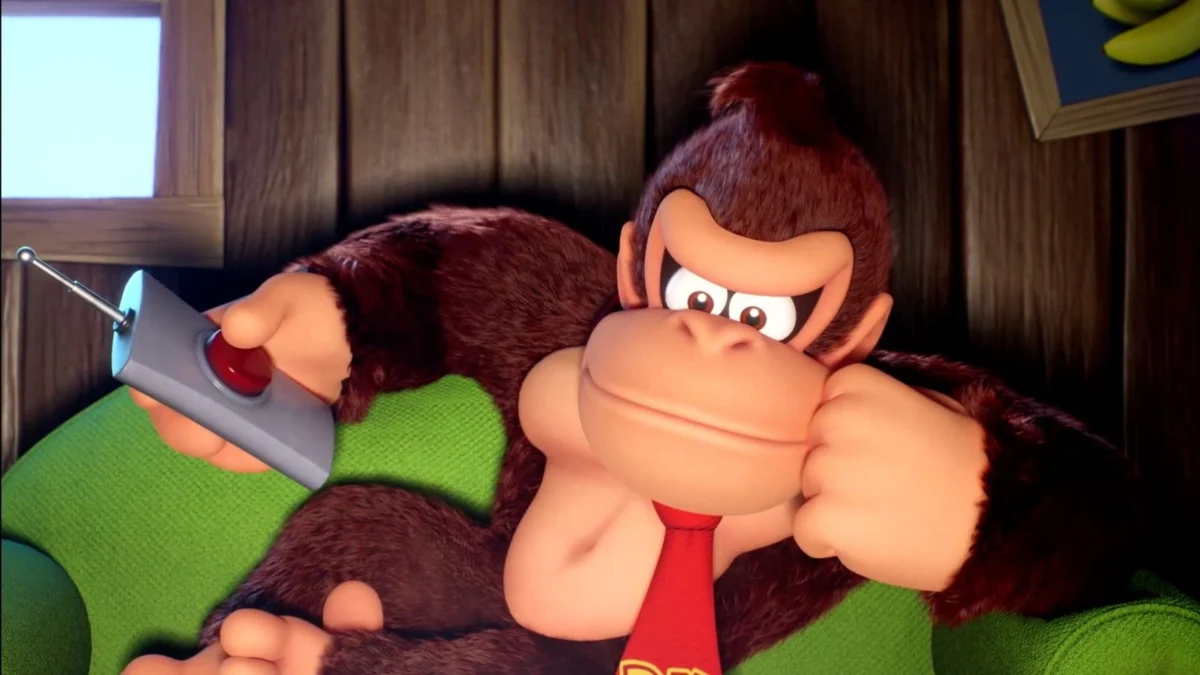
In the landscape of modern collectibles, few brands have managed to bridge the generational divide as effectively as the Lego Group. By marrying the tactile satisfaction of plastic brick construction with the cultural touchstones of 1980s gaming, the company has created a new category of "adult-oriented" builds. Following the massive success of the Pac-Man Arcade cabinet and a series of high-functioning mechanical sets, the company is set to return to the golden age of gaming. Recent reports confirm that a brand new Lego set, themed around the legendary Donkey Kong arcade title, is currently in development and slated for release in 2026.
Main Facts: A Kinetic Trip Down Memory Lane
The upcoming Donkey Kong Arcade set is poised to be more than just a shelf-bound static model. According to industry leaks shared by enthusiasts such as a_claybrick and Lite on X, and further corroborated by Brick Built Blogs, the set is designed to capture the frantic, high-stakes energy of Nintendo’s original 1981 masterpiece.
The specifications for the set are as follows:
- Piece Count: 1,367 pieces.
- Price Point: $200 USD.
- Release Date: August 1, 2026.
Unlike standard display models, the design team at Lego has prioritized playability. The set will reportedly feature a "continuous barrel-dropping function," a mechanical marvel that mimics the core gameplay loop of the original arcade cabinet. Players will be able to utilize a barrel-shaped lever to send projectiles cascading down the iconic steel girders. Additionally, the set includes a functional joystick mechanism, allowing users to move "Jumpman" (the character who would eventually become Mario) and a button to trigger his iconic leap over incoming hazards. The build is expected to include minifigures and brick-built representations of Donkey Kong, Jumpman, and Lady (Pauline), all set against the backdrop of the game’s signature ladders and platforms.
Chronology: The Evolution of Lego’s Gaming Portfolio
Lego’s foray into the "gaming-as-decor" space is not a sudden pivot, but a calculated evolution of their product strategy over the last five years. The company has spent this time refining its ability to replicate mechanical movement using only plastic bricks and rubber bands.
- The Early Experiments: Long before the Donkey Kong announcement, Lego tested the waters with the Lego Ideas platform, which fostered a community-led desire for sets that did more than sit still.
- The High-End Technic Era: Before the retro-gaming craze took hold, Lego proved its engineering prowess with the release of the massive 4,104-piece Koenigsegg hypercar, setting a new bar for Technic complexity.
- The Arcade Explosion: The turning point arrived with the Pac-Man Arcade Machine (2,651 pieces, $270). This set was a watershed moment for the company, as it featured a hand-cranked mechanism that simulated the movement of the ghosts and Pac-Man across a "scrolling" maze.
- The Mechanical Diversification: The recent pivot toward working pinball machines (2,274 pieces) proved that Lego collectors were willing to pay premium prices for interactivity. The upcoming Donkey Kong set fits perfectly into this established timeline, acting as the spiritual successor to the Pac-Man machine by bringing the platformer genre into the physical world.
Supporting Data: Comparing the Arcade Icons
To understand where the Donkey Kong set sits within the broader Lego ecosystem, one must look at the data points of its predecessors. While the Donkey Kong set is smaller in piece count and price than the Pac-Man cabinet, its engineering focus suggests a move toward specialized, rather than expansive, play.
| Set Name | Piece Count | Price (USD) | Primary Mechanism |
|---|---|---|---|
| Pac-Man Arcade | 2,651 | $270.00 | Scrolling maze / Crank-operated |
| Space Pinball | 2,274 | $229.99 | Kinetic flippers / Gravity-fed ball |
| Donkey Kong | 1,367 | $200.00 | Barrel-drop / Joystick / Jump button |
While the Donkey Kong set is roughly half the size of the Pac-Man cabinet, the price-to-piece ratio is slightly higher. This is likely due to the complexity of the internal gearing required for the barrel-dropping mechanism and the precision required for the joystick-and-button input system. Collectors should note that while this set is "smaller," it is likely more mechanically dense than its predecessors, justifying the $200 price tag.
Official Responses and Industry Context
While the Lego Group has not yet issued a formal press release—as the set is still in the "leaked" phase of its development—the excitement surrounding the project is palpable. Historically, the Lego Group maintains a policy of not commenting on unreleased products. However, the synergy between Lego and Nintendo has never been stronger.
The partnership, which began with the interactive Lego Super Mario starter courses, has matured into a multi-tiered strategy. By moving from simple Bluetooth-enabled figures to fully mechanical, non-electronic arcade builds, Lego is signaling a long-term commitment to the "Adults Welcome" demographic. Analysts suggest that this set is a strategic move to capitalize on the 45th anniversary of the Donkey Kong franchise, which falls conveniently close to the August 2026 release window.
By focusing on "interactive display" pieces, Lego is effectively targeting two markets simultaneously: the nostalgia-driven collector who wants a piece of gaming history on their desk, and the active builder who views Lego as an engineering challenge rather than a toy.
Implications: The Future of Bricks and Bytes
The announcement of a Donkey Kong arcade build carries several implications for the future of the toy and collectible industries.
1. The Rise of the "Mechanical" Lego Set
We are seeing a shift away from static display sets toward kinetic art. The success of the Donkey Kong set could lead to a wave of "playable" arcade recreations. If the barrel-dropping mechanism proves robust, we may see future sets that incorporate more complex electronic integrations or even more sophisticated gear-driven gameplay loops, further blurring the line between a Lego build and a functioning console.
2. Nintendo’s Branding Strategy
For Nintendo, these collaborations are a low-risk, high-reward way to maintain relevance among aging gamers who now have the disposable income to purchase $200 display pieces. By licensing their most iconic IP to Lego, Nintendo ensures that their characters remain present in the physical living spaces of their fans, even when the players aren’t actively engaged with a console.
3. Sustainability and Longevity
One of the key criticisms of modern interactive sets is their reliance on proprietary electronics or delicate gear systems. However, the Donkey Kong set’s reported reliance on a mechanical joystick and lever system highlights a shift toward "analog" interactivity. This ensures that the set will be playable for decades, as it does not rely on software updates or proprietary battery packs that may eventually go obsolete.
4. Market Saturation and Collector Fatigue
With a high-profile set arriving in August 2026, the question of market saturation arises. The Pac-Man and Pinball sets have already set a high standard. If the Donkey Kong build fails to deliver on the promise of its "working" features, it could potentially dampen the enthusiasm for future arcade-themed releases. However, given the legendary status of the source material, it is far more likely that this set will become an instant classic, provided the build quality holds up under the weight of fan expectations.
Final Reflections
The Donkey Kong Lego set represents the perfect synthesis of 20th-century pop culture and 21st-century engineering. It is a testament to the fact that, regardless of how far gaming technology advances, there is a fundamental human desire to physically interact with the digital worlds that defined our childhoods.
As we approach the August 2026 release date, collectors should prepare for a build that demands patience, precision, and an appreciation for mechanical design. Whether it becomes the centerpiece of an arcade-themed collection or sits as a solitary, nostalgic tribute on a gaming shelf, the Donkey Kong Arcade machine is poised to be one of the most significant Lego releases of the decade. By capturing the essence of the barrel-tossing, ladder-climbing action of the original game, Lego is not just selling plastic bricks—they are selling the ability to hit "start" on a memory.


 Pevita Pearce
 Lina Hope