Pevita Pearce
In the realm of modern party games, few titles have managed to capture the frantic, high-stakes adrenaline of childhood playground games quite like Meccha Chameleon. Released on June 10, 2026, by developer/publisher lemorion_1224, this title has quickly evolved from a niche indie project into a staple of the online multiplayer circuit. Supporting 2 to 10 players, the game strips away the complexity of traditional shooters, replacing them with a singular, profound challenge: the art of becoming part of the scenery.

Whether you were a self-proclaimed hide-and-seek champion as a child or a newcomer to the stealth genre, Meccha Chameleon offers a sandbox where your primary weapon is not a projectile, but your own creativity. To thrive in this environment, one must move beyond the basic concept of crouching in a dark corner. True victory requires an understanding of environmental design, psychological misdirection, and the nuanced mechanics of digital camouflage.

The Evolution of Stealth: A Chronological Approach to Play
Since its release, the community has observed a distinct shift in how matches are played. In the early weeks of June 2026, gameplay was largely reactive—players would scramble to find dark corners or under-furniture gaps. However, as the player base grew more sophisticated, the "meta" shifted toward active, artistic camouflage.
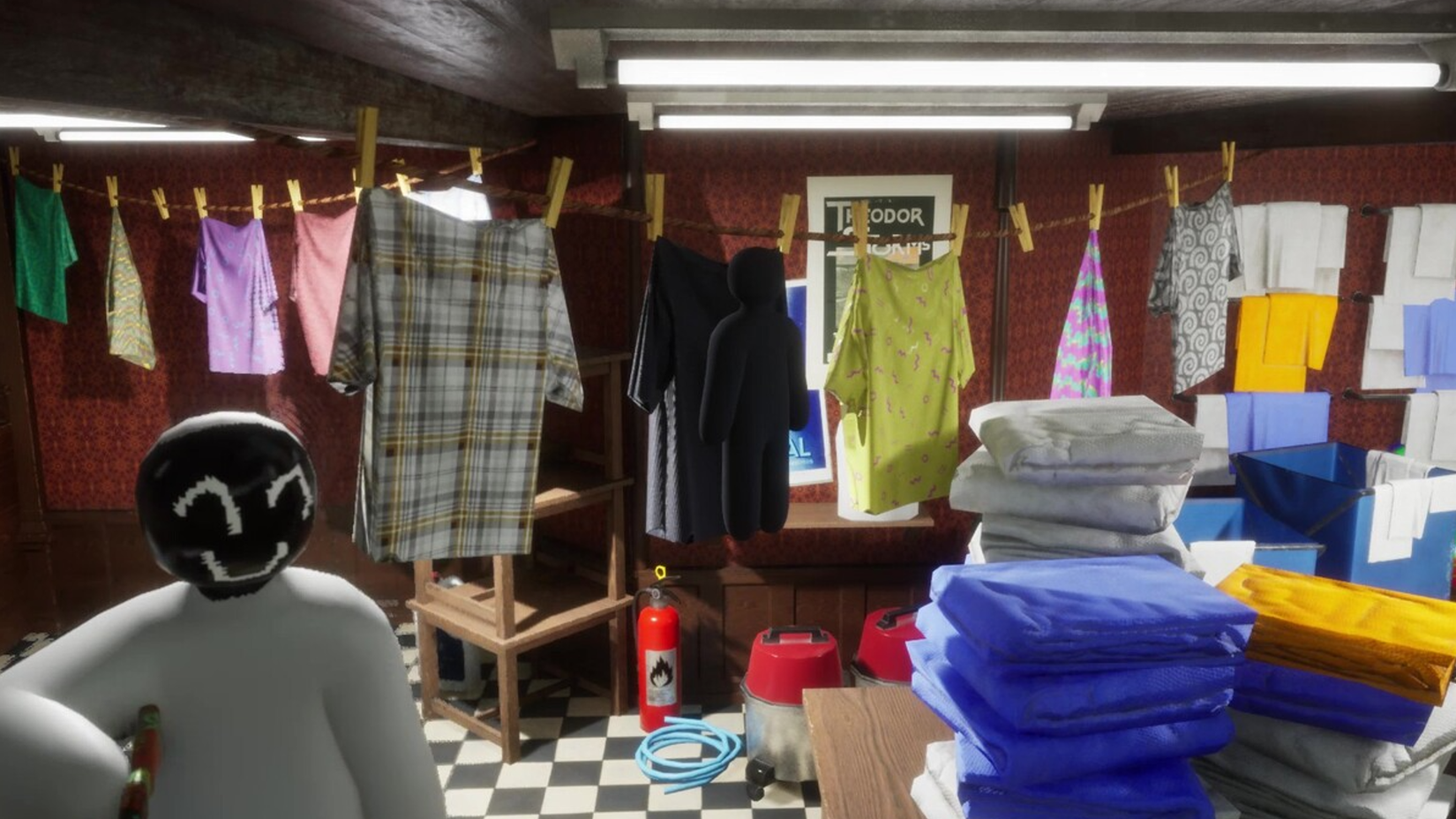
The chronology of a standard Meccha Chameleon round can be broken down into three distinct phases: the Preparation Phase, where paint is applied; the Search Phase, where the "Seekers" actively patrol; and the Adaptation Phase, where Hiders must refine their disguise mid-round. Successful players no longer view the Preparation Phase as their only window for safety. Instead, they treat the entire round as a canvas, constantly tweaking textures and colors to match the dynamic lighting and player movement patterns.

Core Mechanics: Beyond Simple Hiding
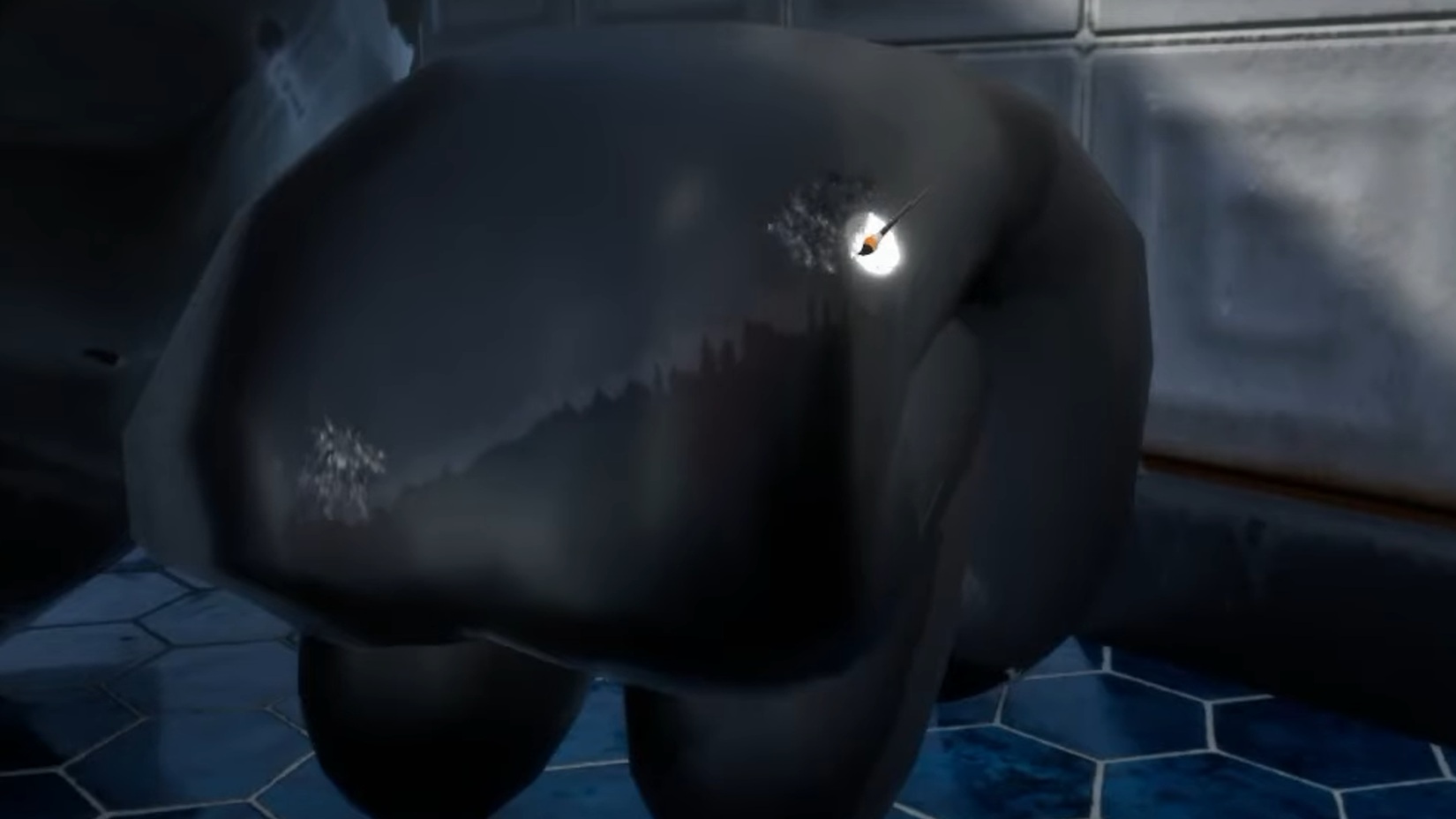
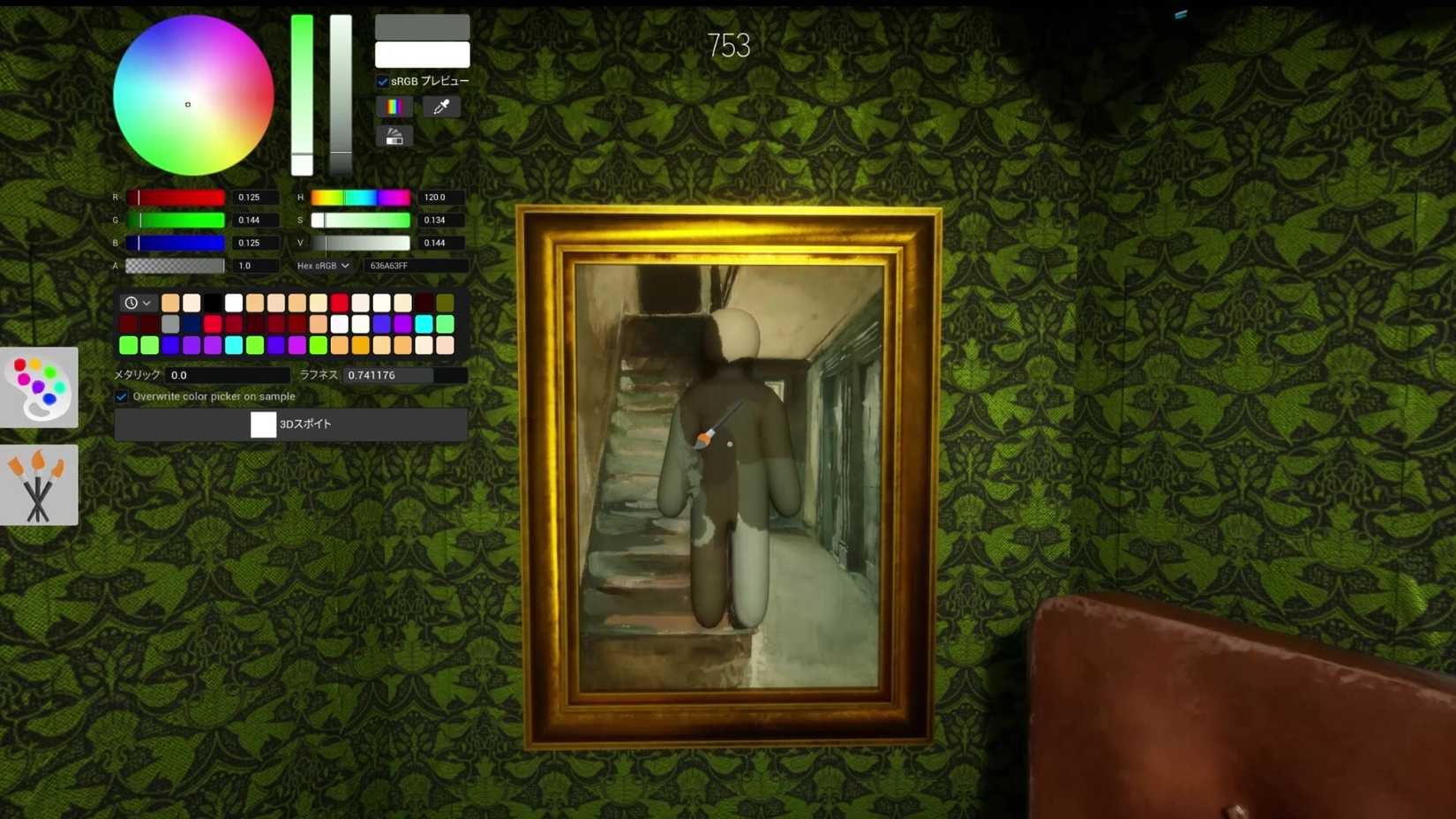
To excel, players must master the game’s suite of tools. The painting system is deceptively deep, allowing for adjustments in color, roughness, and metallic sheen. While a novice might use the eyedropper tool to copy a nearby color, a veteran knows that texture is the great equalizer.

1. The Texture-Color Balance
When camouflaging, the eye is often drawn to inconsistencies in light reflection rather than color mismatches. If you are hiding against a smooth, synthetic surface, a high-roughness texture will immediately betray you. Conversely, attempting to blend into a matte-finished wall with a high-metallic paint will create a "sore thumb" effect that even the most casual Seeker will notice. Players should spend time in "Practice Matches" testing how different combinations of roughness and metallic sliders interact with the specific lighting of each map.
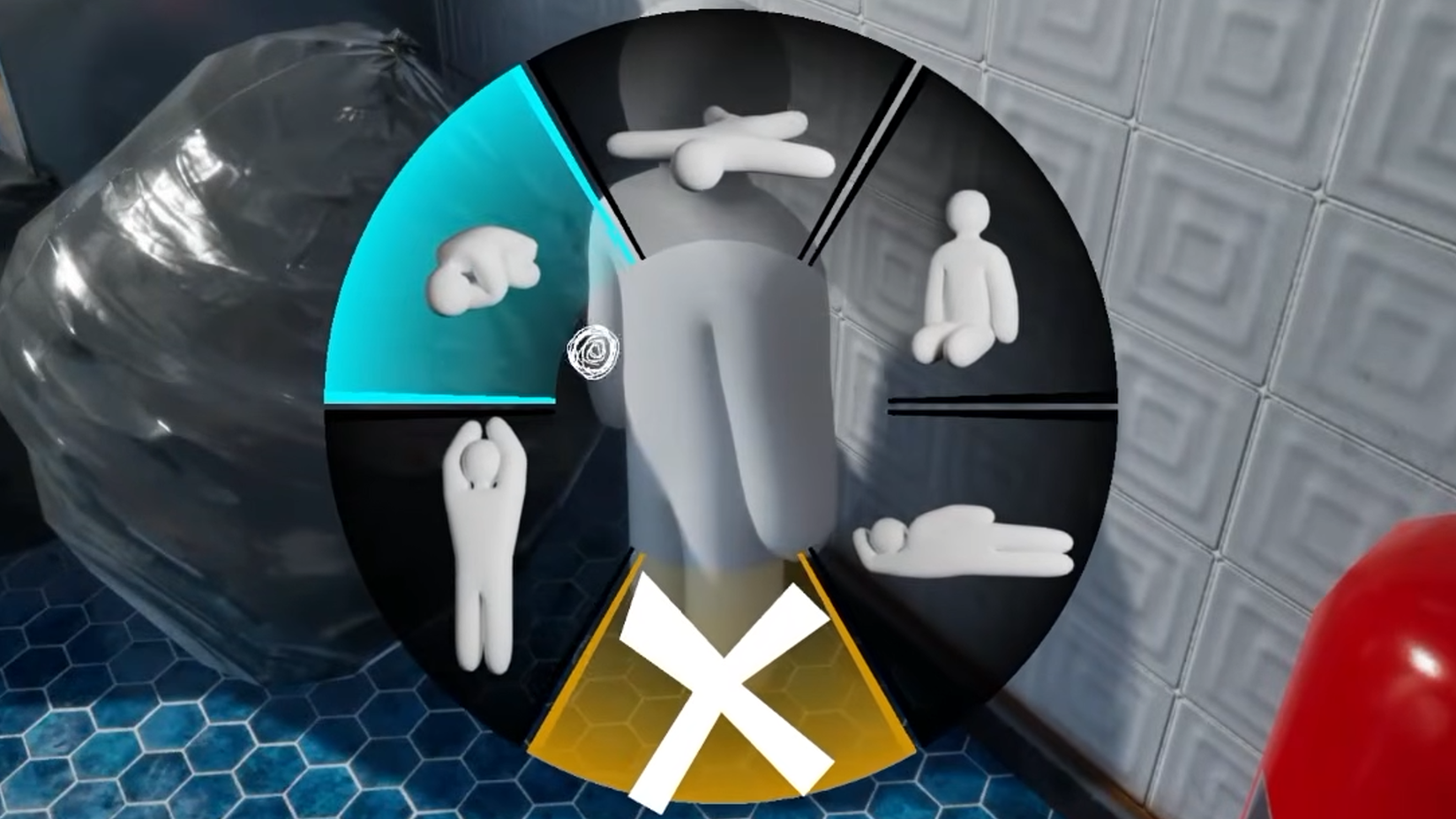
2. The Power of Poses
The game offers five distinct poses in addition to a neutral stance. These are not merely aesthetic choices; they are functional tools for integration. The "curled" pose is essential for mimicking soft objects like plushies or organic clutter, while the "splayed" or "leaning" poses allow for integration into architectural elements. By combining these poses with precise placement—such as mimicking a decorative hook on a wall or a structural element of a doorway—a player ceases to look like a character and starts to look like a prop.
3. The Psychological Warfare of Whistling
The "Taunt" or "Whistle" mechanic is often misunderstood. Many players fear it, thinking it gives away their exact location. In reality, the audio design of Meccha Chameleon does not emanate from the player’s model with perfect spatial accuracy. It is an ambient sound that grows in volume based on proximity. Clever players use this to bait Seekers into entering the wrong room, effectively clearing an area of enemies while the Hider remains safely tucked behind a nearby pillar.
Supporting Data: Why "Looking Up" Wins Matches
There is a pervasive bias in human visual perception, both in real life and in virtual environments: the tendency to focus on the horizontal plane. This "ground-level bias" is the most significant tactical advantage a Hider can exploit.

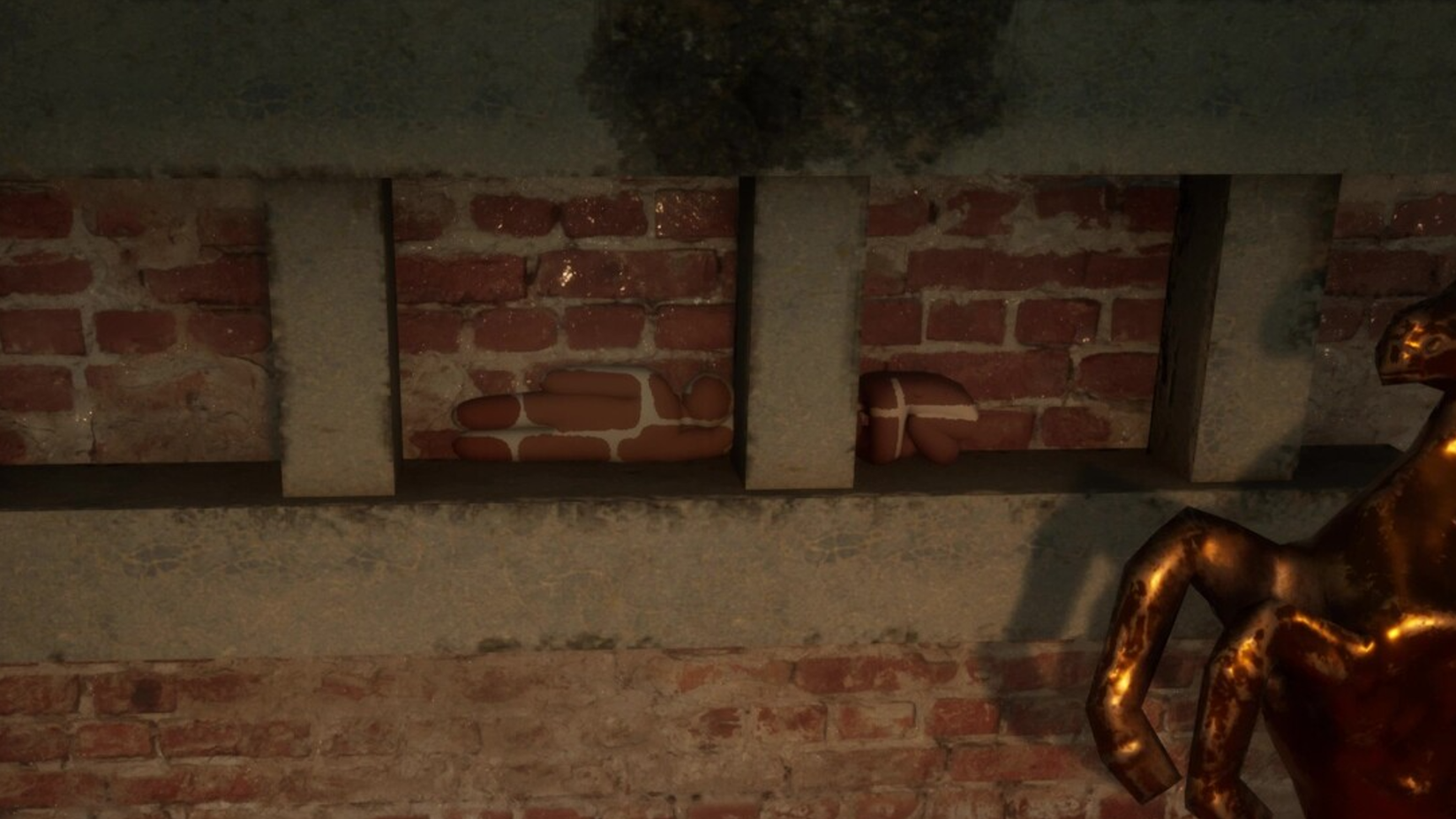
Data from community forums and player surveys consistently show that Hiders who utilize vertical space—ceilings, high rafters, chandeliers, and top-of-door frames—have a significantly higher survival rate than those who hide under tables or behind floor-level objects. When a Seeker enters a room, their eyes scan the floor and mid-level objects first. By the time they look up, they are often already moving to the next room. This isn’t just a quirk of the game; it is a fundamental aspect of human-centered level design that developers rely on to guide player attention.
Strategic Implications: The "Set Dressing" Philosophy
The most advanced players in Meccha Chameleon have moved beyond traditional hiding entirely, adopting a philosophy we might call "Environmental Synthesis." This involves becoming part of the set dressing.
For instance, on a map featuring a mansion, a creative player might attach themselves to a wall above an entrance, match the color perfectly, and use the painting tool to draw a simple sign, such as an arrow or an "Exit" label. In this scenario, the player is not hiding from the environment; they are contributing to it. Because the human brain is conditioned to ignore signs and background text as "non-interactive" information, these players often remain untouched for the duration of the round, even as Seekers walk directly underneath them.

Official Guidance and Community Best Practices
Developer lemorion_1224 has maintained a relatively hands-off approach to meta-development, allowing the community to dictate the game’s trajectory. However, the game does include a built-in "fairness" system. If a player wedges themselves too deeply into the geometry of a map, the game will trigger a warning and eventually reveal the player.

This is a critical design choice intended to prevent "out-of-bounds" exploits. Players must learn to balance "wedging" with "visibility." If you receive a warning, do not panic. Small, incremental movements—adjusting your rotation or shifting slightly to the left or right—can often clear the warning while keeping you sufficiently hidden.
Expert Tips for Success:
- The "One-Time" Rule: Never hide in the same spot twice. If you have been discovered in a location, assume that location is now "burned" for the rest of the match.
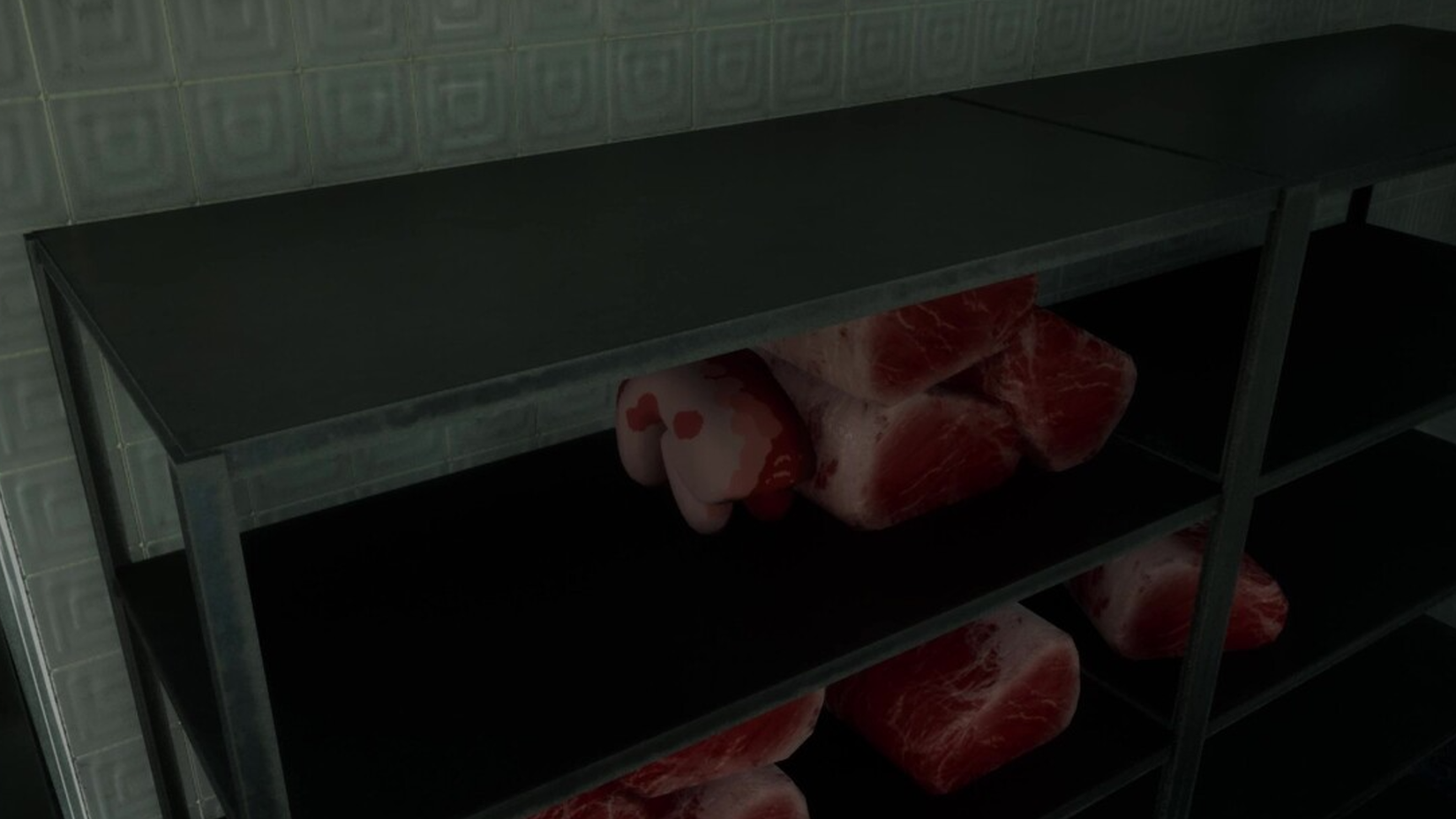
- The "Meat" Trick: When attempting to blend in with organic shapes or complex textures (like the marbling on a piece of meat), don’t just use one color. Layer your paint. Use a base layer of red, then apply thin, translucent layers of white or pink to simulate detail.
- The "Statue" Method: If a map has statues or complex sculptures, don’t try to hide behind them. Become part of them. Position yourself as an extension of the statue—a wing, a limb, or a piece of armor.
The Future of Meccha Chameleon
As Meccha Chameleon continues to evolve, the distinction between a "casual" player and a "competitive" player will likely grow. The game’s success lies in its accessibility; anyone can pick it up and enjoy a round. Yet, the depth of the painting and physics systems ensures that those willing to study the mechanics will always have the upper hand.

The implications for the party game genre are clear: players crave agency. They don’t just want to hide; they want to express themselves through their hiding. By providing the tools for creative expression, Meccha Chameleon has secured its place as a title that rewards patience, observational skills, and a touch of artistic flair. Whether you are currently dodging Seekers on the mansion map or refining your technique in a private server, remember the most important rule of the chameleon: adapt, persist, and, above all, don’t look like a player.


 Asro
Asro
 Muslim