Asep Darmawan
In the grand tapestry of superhero cinema, 2013 stands as a pivotal year. It was the year Tony Stark faced his most introspective challenge in the Marvel Cinematic Universe (MCU) with the release of Iron Man 3. However, beneath the shadow of Robert Downey Jr.’s massive blockbuster, a quieter, more daring, and arguably more prophetic film was released by the legendary Japanese animation house, Madhouse.
Iron Man: Rise of Technovore arrived on the scene with little fanfare, quickly relegated to the bargain bins of history by the sheer marketing might of the MCU. Yet, thanks to a recent resurgence in streaming availability—specifically on Netflix—audiences are finally discovering what they missed over a decade ago. Far from being a mere footnote, Rise of Technovore is a masterclass in tone, pacing, and philosophical inquiry that arguably outshines its live-action contemporary.
The Chronology of a Lost Gem
To understand the fate of Rise of Technovore, one must look at the calendar of 2013. The film was released in Japan on April 24 and hit the United States on April 16. Just weeks later, on May 3, 2013, Iron Man 3 dominated the global box office.
In the eyes of the general public and the casual moviegoer, the die was cast. The industry was in the midst of a gold rush for shared-universe storytelling, and an anime feature—despite being produced by a studio of Madhouse’s pedigree—was viewed as a niche peripheral product. The anime’s "foreign" status, coupled with the inevitable comparison to the live-action juggernaut, acted as a death sentence for its commercial viability. For thirteen years, the film remained an obscure entry in the Marvel library, known primarily to die-hard fans of Japanese animation and collectors of Marvel’s various animated ventures.
Eerily Relevant Themes: The AI Question
The film’s central narrative—centered on a villainous force linked to artificial intelligence and a disregard for the past—feels less like a relic of 2013 and more like a commentary on our current technological climate. The film posits a chilling question: "Technology and the people who give birth to it are nothing more than false idols, leading society to disaster."
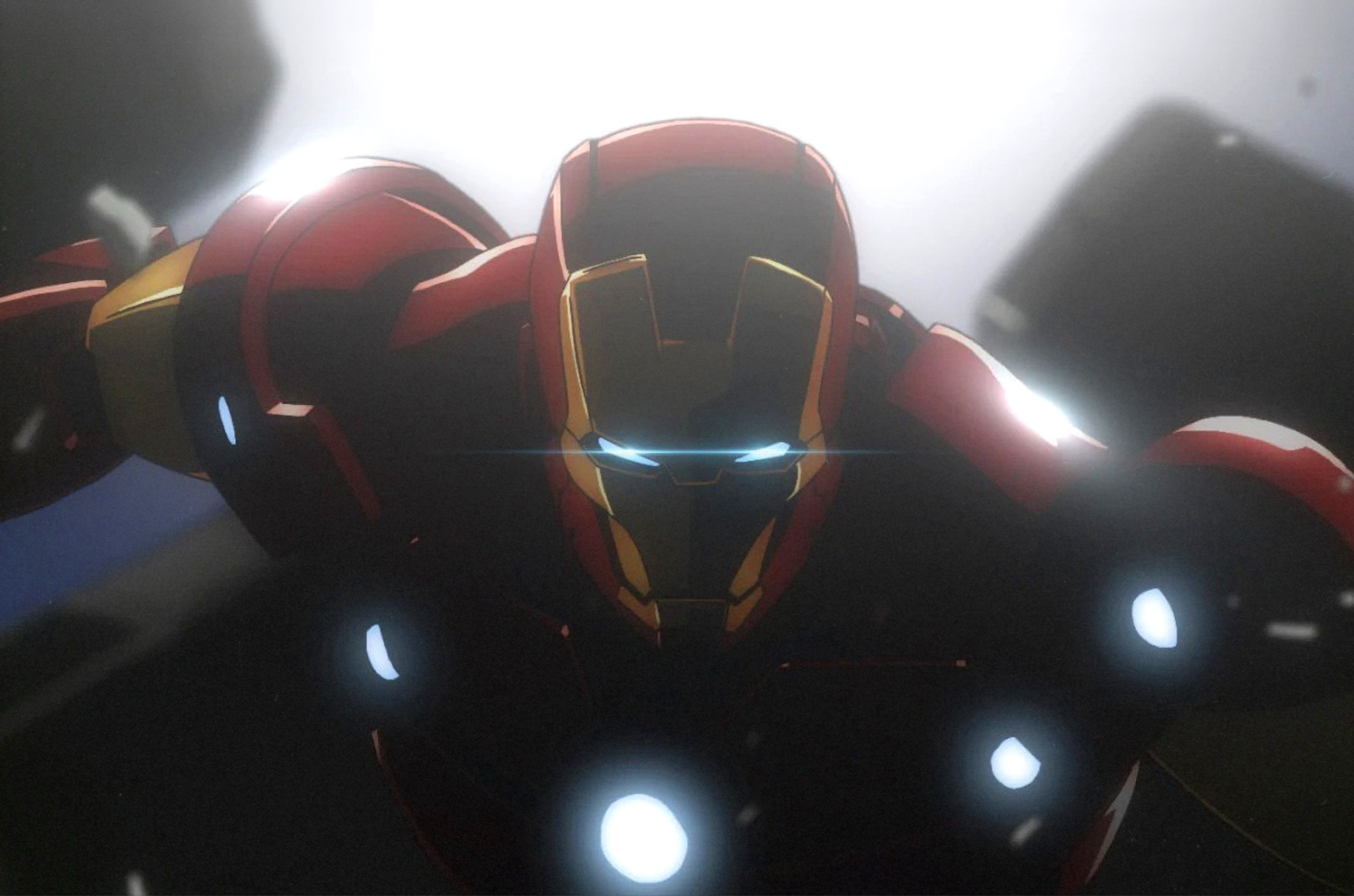
Written by Brandon Auman and adapted for the screen by Kengo Kaji under the direction of Hiroshi Hamasaki, Rise of Technovore taps into a timeless anxiety regarding human overreach. In the modern era, where AI is rapidly moving from a theoretical convenience to a ubiquitous utility, the film’s skepticism feels sharp. It does not demonize innovation itself; rather, it examines the ego of the inventor.
Unlike the MCU, which often has to balance its characters within the constraints of a multi-billion dollar franchise, Rise of Technovore is free to explore the darker implications of Stark’s genius. It doesn’t treat technology as a magic wand, but as a mirror, reflecting the character of those who wield it.
Supporting Data: Pacing and Narrative Economy
One of the most frequent criticisms of the modern superhero genre is "bloat"—the tendency for films to exceed two and a half hours, often at the expense of narrative tightness. Iron Man 3 clocked in at 131 minutes, a runtime that allowed for spectacle but occasionally struggled to balance its emotional beats.
Conversely, Rise of Technovore operates with a lean, 88-minute runtime. It covers much of the same thematic ground—Tony’s struggle with personal guilt, the threat posed by his past, and the necessity of humility—without the narrative filler. The film manages to crank up the emotional stakes without the story feeling like a parody. The dramatic peaks and valleys are tightly packed, providing a sense of urgency that is difficult to sustain in longer features. This economy of storytelling demonstrates that superhero narratives often flourish when they are allowed to be concise.
The "Madhouse" Advantage: Why Animation Wins
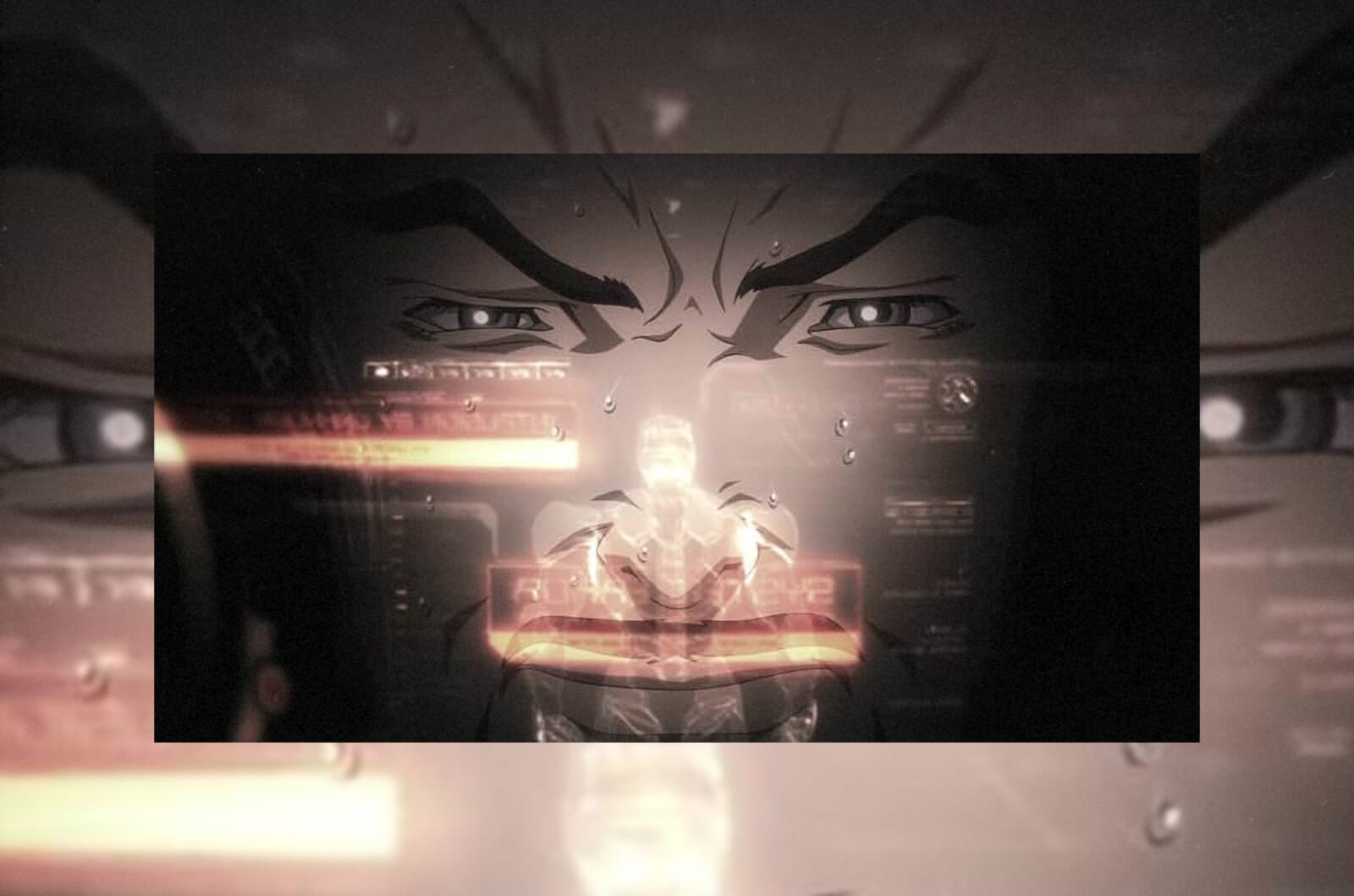
The collaboration with Madhouse brought a distinct aesthetic to the Marvel universe that the live-action films rarely attempted. With its roots in the DNA of Japanese animation, Rise of Technovore doesn’t shy away from visceral imagery. There is a sequence in the film that leans into Akira-esque body horror—a stylistic choice that feels fresh and dangerous compared to the polished, predictable CGI environments of standard superhero fare.
Furthermore, the voice acting in the English dub—featuring Norman Reedus as The Punisher—adds a layer of gravitas that grounds the more fantastical elements of the story. By stepping outside the rigid "Marvel Formula," the film allows Tony Stark to be a more complex, flawed, and occasionally unlikable protagonist.
Official Responses and Political Implications
One of the most striking differences between this film and the standard MCU output is its willingness to engage with the politics of Tony Stark. In the film, the question is posed explicitly: Is Tony Stark, with his global satellite networks and preemptive strike capabilities, a fascist?
While Iron Man 2 toyed with the idea of Stark as an "Ayn Randian" figure, it ultimately backed away from the implications to keep the character marketable. The MCU’s "franchise chains" often prevent characters from undergoing genuine ideological shifts, as they must remain static enough to function across dozens of films. Rise of Technovore, being a standalone work, suffers from no such restrictions. It explores the moral ambiguity of a man who plays god, mirroring themes later seen in Captain America: The Winter Soldier, but with an intimacy that the massive ensemble films lack.
The Future of the Iron Man Legacy
As the Marvel landscape shifts—with Robert Downey Jr. returning to the MCU in the role of Doctor Doom—the discourse surrounding his tenure as Iron Man is being re-evaluated. If we are to look back at the best portrayals of Stark, we must broaden our scope beyond the live-action box office hits.
The implications for the industry are clear: animation should not be treated as a secondary medium for storytelling. Rise of Technovore proves that when a studio is given the creative freedom to lean into a director’s vision—be it through the lens of Japanese anime tropes or darker philosophical inquiries—the resulting product can possess a shelf life that defies its initial release window.
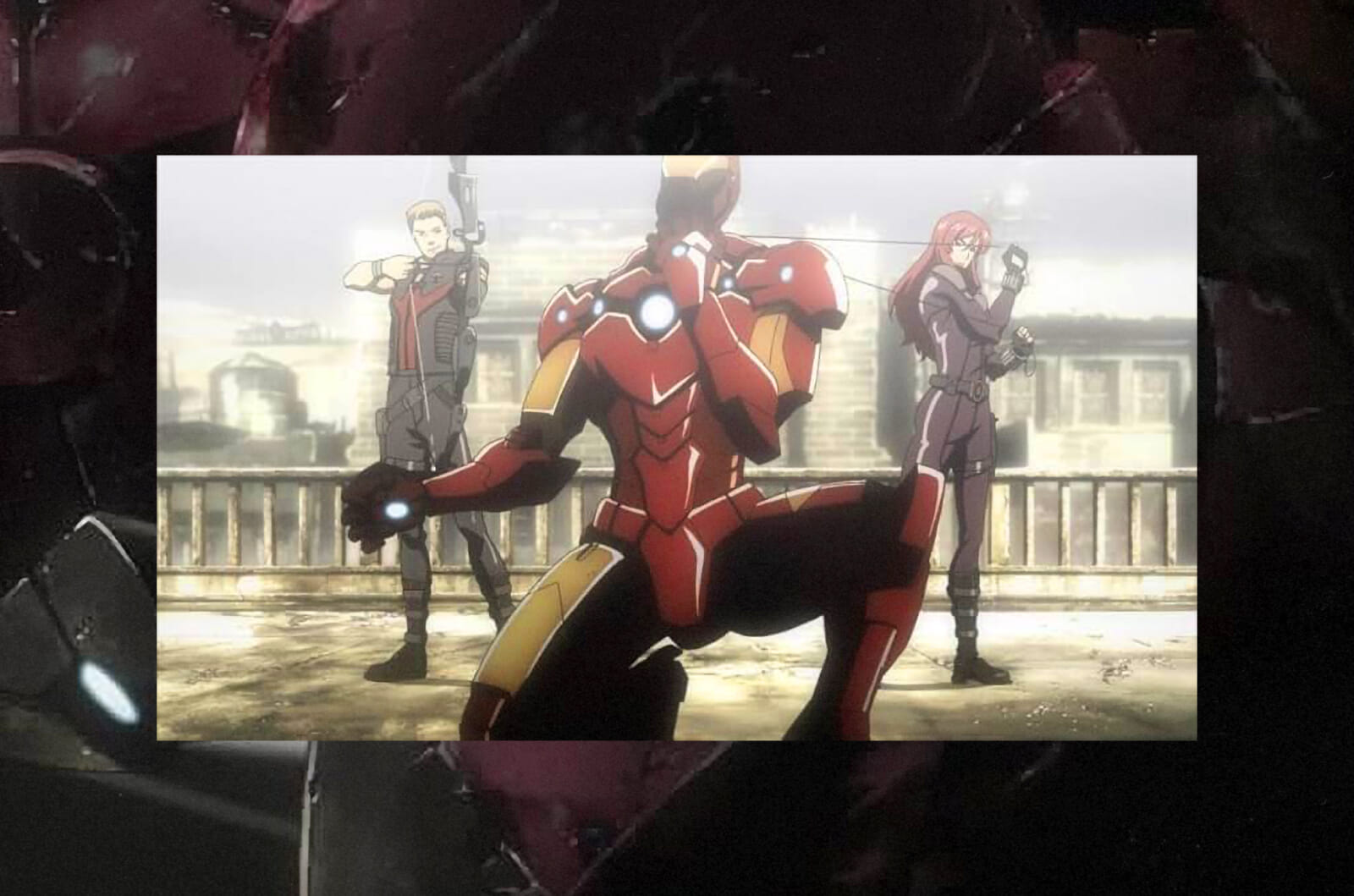
Ultimately, Iron Man: Rise of Technovore serves as a reminder that the best superhero stories aren’t always the ones with the largest budgets or the most marketing hype. Sometimes, they are the ones that dare to be different, to be concise, and to ask difficult questions about the nature of power and the people who hold it. Thirteen years later, it remains a "must-watch" for any fan who wants to see the Armored Avenger in a light that is both surprisingly relevant and undeniably bold.
Whether it is truly "better" than Iron Man 3 remains a matter of subjective taste, but one thing is certain: it is no longer a hidden secret. For those looking to revisit the character with fresh eyes, the "Technovore" is waiting, and it holds up with remarkable clarity in our current age of anxiety.


 Neng Nana
 Asro
Asro