Jia Lissa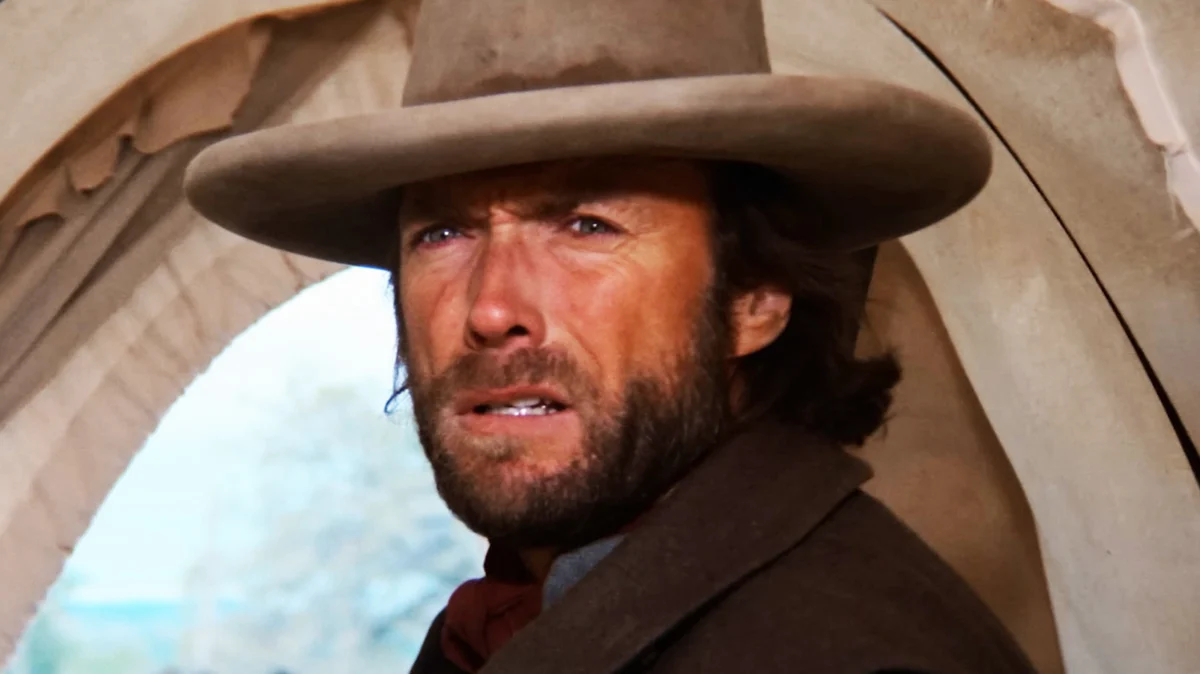
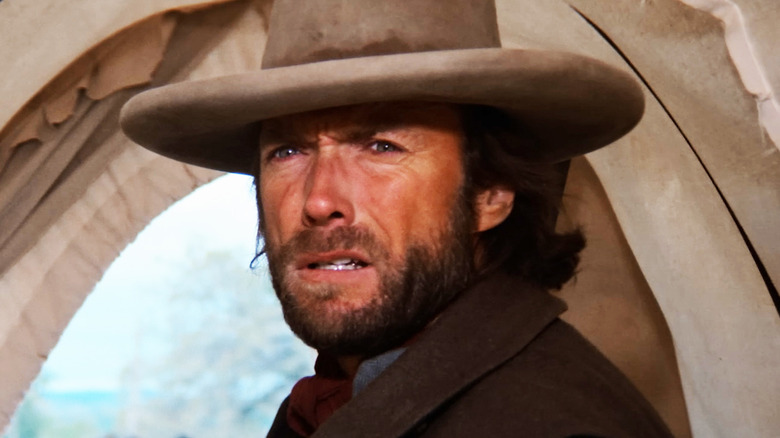
Clint Eastwood’s filmography is a masterclass in the subversion of the American Western. Throughout the 1960s and 70s, he evolved from the Man with No Name into a more complex, weary, and ultimately human figure. At the zenith of this transformation was 1976’s The Outlaw Josey Wales, a film that defied genre conventions by morphing a tale of vengeance into a story about the construction of a found family. While the film remains a cornerstone of Eastwood’s career, its legacy is haunted by a "lost" sequel—a project that exists in the cultural periphery, largely forgotten, and for reasons far more complex than mere box-office failure.
Main Facts: A Legacy Obscured
The Outlaw Josey Wales was a critical and commercial triumph, grossing $31.8 million against a modest $3.7 million budget. It cemented Eastwood’s status not just as an actor, but as a formidable auteur. Yet, ten years later, a low-budget sequel titled The Return of Josey Wales arrived with almost no fanfare. It did not feature Eastwood, nor did it capture the thematic depth of the original.
The mystery of why Eastwood—a man who rarely shied away from recurring characters, as seen in his Dirty Harry series—refused to return to the role of Josey Wales has long been a subject of Hollywood speculation. While production conflicts and creative disagreements during the first film’s shoot are well-documented, the primary impetus for abandoning the franchise was a shocking revelation regarding the source material’s author, Asa Earl Carter, whose true identity as a virulent racist and KKK leader cast a long, dark shadow over the entire property.
Chronology: From Masterpiece to Misstep
The trajectory of the Josey Wales saga is a study in creative friction and political revelation.
The 1976 Production Debacle
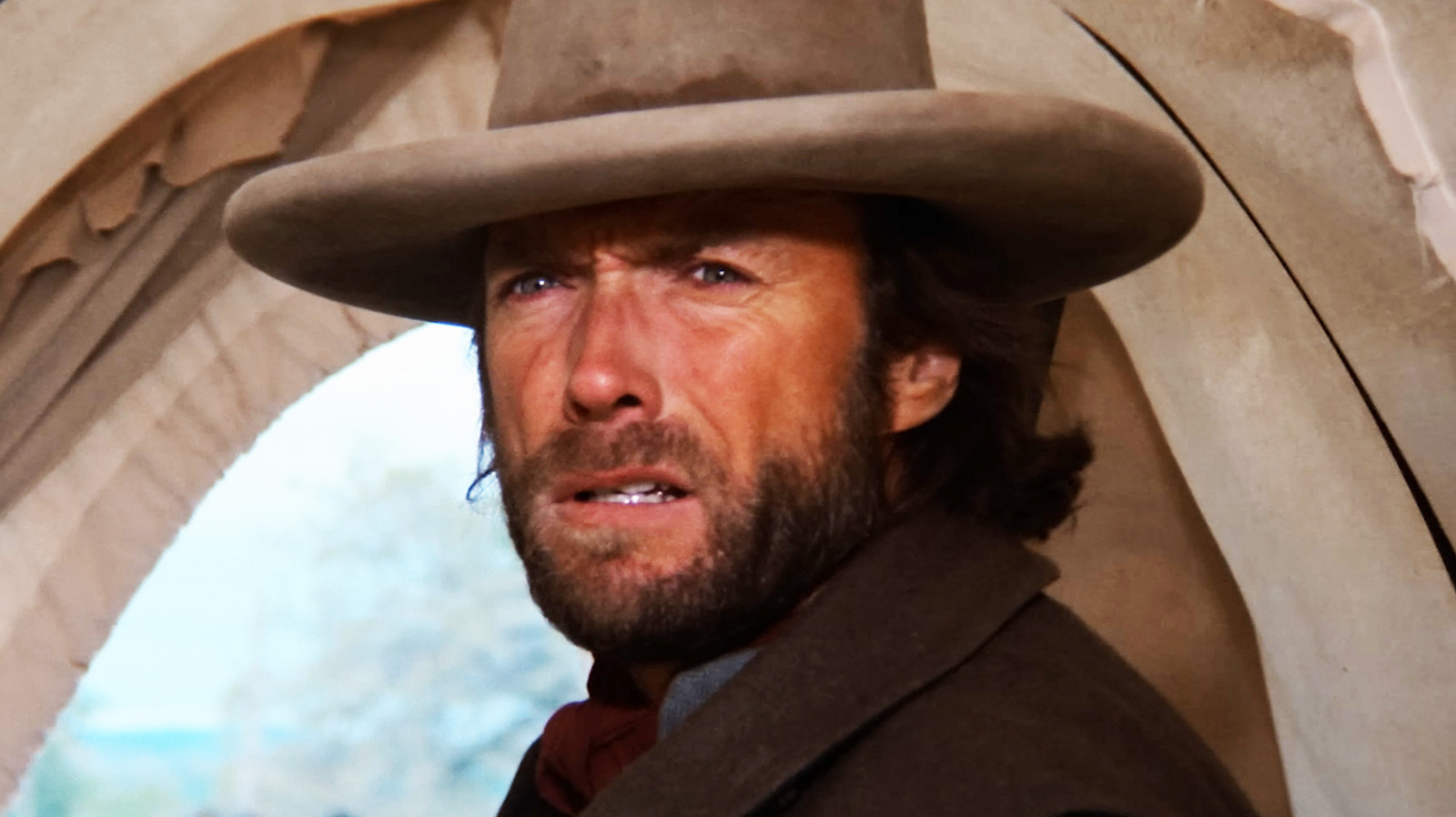
During the filming of the original, Eastwood famously clashed with director Philip Kaufman. The tension was palpable; Eastwood eventually took over the directing duties himself, a move that allowed him to protect his vision of an ambiguous, melancholic ending. He fought tooth and nail against studio executives and his own editors to ensure the film closed on a note of quiet reflection rather than a traditional, high-octane shootout. This victory secured the film’s status as a classic, but it also defined the limits of the project in Eastwood’s mind.
The 1986 "Return"
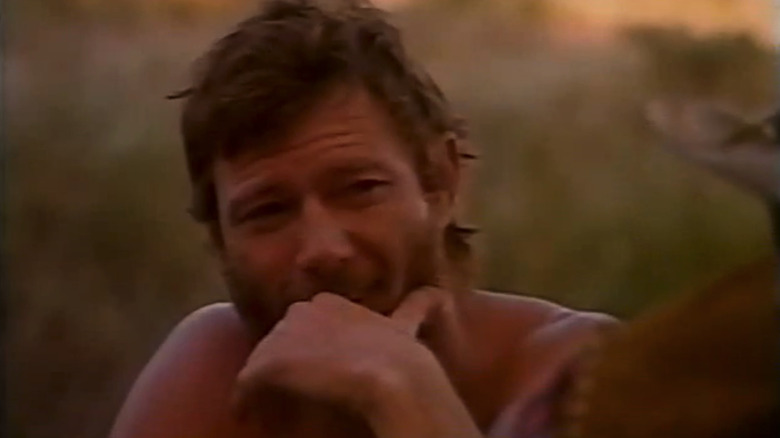
A decade later, The Return of Josey Wales was released. Starring and directed by Michael Parks—who would later find acclaim as a character actor for Quentin Tarantino—the film attempted to capitalize on the branding of the 1976 hit. It ignored the emotional closure of the original, forcing the character back into a generic, low-stakes plot involving Mexican rurales. Without the narrative weight or the directorial polish of Eastwood, the film vanished into obscurity, serving as a cautionary tale about the perils of unnecessary sequels.
Supporting Data: The Disparity in Craft
The gulf between the 1976 original and its 1986 successor is not merely one of budget, but of artistic intent.
- The Outlaw Josey Wales (1976): Budgeted at $3.7 million (roughly $19 million today), the film benefited from Eastwood’s rigorous attention to historical detail and character development. It is widely cited as one of the two Westerns Eastwood directed that he considers his absolute best, alongside Unforgiven.
- The Return of Josey Wales (1986): A "Poverty Row" style production, the sequel lacked the expansive vistas and nuanced performances that made the first film a landmark. By replacing key cast members like Sondra Locke with new actors and shifting the tone from a soulful character study to a standard-issue vengeance plot, the sequel failed to resonate with audiences or critics.
The Catalyst: The Truth About Forrest Carter
The most compelling reason for Eastwood’s distance from the sequel lies in the identity of the author of the novel The Rebel Outlaw: Josey Wales.
For years, the book was credited to "Forrest Carter." However, a 1976 New York Times investigation uncovered that Forrest Carter was a pseudonym for Asa Earl Carter. Asa Carter was not merely a writer; he was a notorious white supremacist, a former speechwriter for segregationist Governor George C. Wallace, and the organizer of a violent Ku Klux Klan faction.
This revelation was a seismic event in the literary and film worlds. Eastwood, who had initially planned to adapt the follow-up novel, The Vengeance Trail of Josey Wales, hit an immediate moral and professional wall. It is understood that as the reality of the author’s background became public, the prospect of continuing to profit from or promote the works of a Klan organizer became untenable for the star.
Implications: A Lesson in Artistic Integrity
The silence surrounding The Return of Josey Wales is not just due to its poor quality; it is a testament to the moral boundaries that eventually inform an artist’s choices.
The Burden of Association
When the truth about Asa Carter surfaced, it retroactively altered the cultural context of the films. For a director like Eastwood, who prided himself on the "American rugged individualist" archetype, the association with a figure like Carter—whose life was defined by the antithesis of the inclusivity often found in Eastwood’s later works—was a liability he could not ignore.
The "Ambiguous Ending" Argument
Beyond the political implications, there remains the creative argument. Eastwood’s fight to keep the ending of the 1976 film ambiguous was a struggle to preserve the integrity of the character. A sequel, by definition, requires the character to return to conflict. By refusing to participate, Eastwood allowed the original film to stand as a singular statement, unencumbered by the repetitive cycles of franchise filmmaking that often dilute a hero’s arc.
The Verdict of Time
Today, The Return of Josey Wales serves as a footnote in film history, while The Outlaw Josey Wales remains a staple of the genre. Eastwood’s decision to walk away from the property reflects a rare instance of Hollywood restraint. In an industry that is notoriously obsessed with "IP" and endless franchise potential, Eastwood’s choice to leave the story of the outlaw where he found it—in the dust and silence of the frontier—was perhaps his greatest directorial decision.
Ultimately, the sequel that "nobody talks about" is a reminder that some stories, no matter how successful, reach a point where the only honorable thing to do is walk away. For Clint Eastwood, the decision was not just about the quality of the script, but about the integrity of the man holding the gun. The legacy of Josey Wales remains secure, not because of the sequel that was made, but because of the one that was never meant to be.

 Reynand Wu
 Nana Muazin