Muslim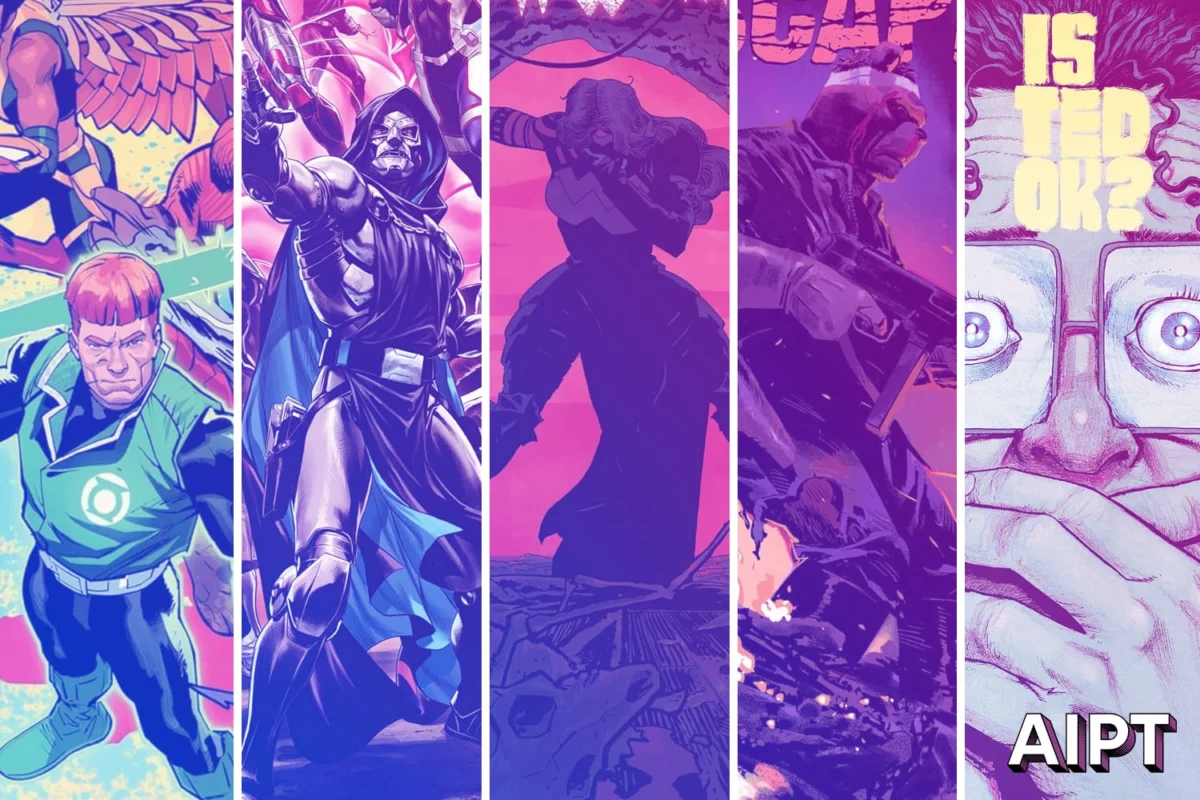
The comic book industry continues to demonstrate remarkable creative resilience and diversity as we move through the summer of 2026. This week’s "Fantastic Five" spotlight reveals a landscape where four distinct publishers—spanning the giants of Marvel and DC to the visionary independent creators at Image and beyond—are firing on all cylinders. The week of June 24, 2026, serves as a poignant reminder that whether through high-stakes superhero melodrama or intimate, mind-bending science fiction, the medium remains a powerhouse of modern narrative art.
Main Facts: The Landscape of the Week
This week’s top five titles represent a shift away from singular corporate dominance, showcasing a healthy ecosystem where mid-tier arcs and climactic finales hold equal weight in the eyes of critics and readers.
The ranking reflects a broad spectrum of genre fiction. We see the conclusion of major universe-spanning events, the tightening of character-driven psychological dramas, and the expansion of "Absolute" mythologies. The diversity of the list—featuring titles from Marvel, DC, and Image—underscores a market where the "Big Two" are being pushed to innovate by the daring risks taken by independent creators. From the cerebral intensity of Is Ted OK? to the status-quo-shattering cliffhangers of Absolute Wonder Woman, this week’s offerings provided a perfect snapshot of a medium in its prime.
Chronology of Releases: A Breakdown of the Top Five
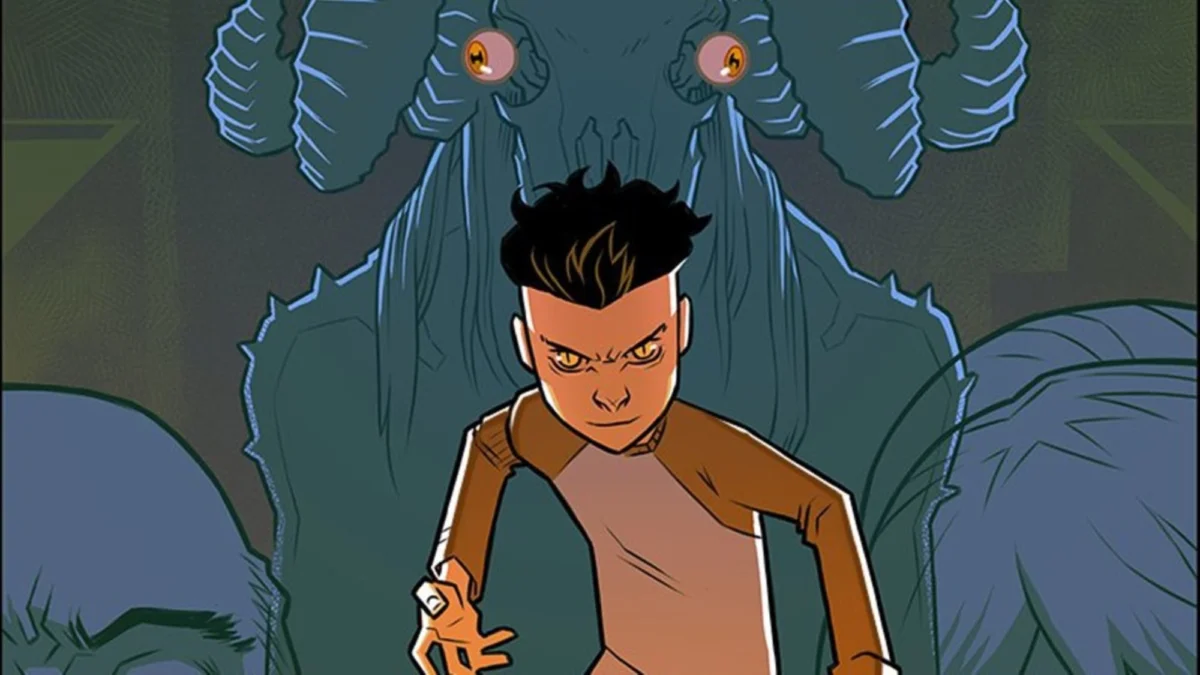
5: Is Ted OK? #5
In the fifth installment of this challenging and rewarding series, the pacing takes a calculated, deliberate turn. Rather than pushing the narrative toward an immediate climax, the creative team opts for a deep dive into character psychology and thematic weight. This issue functions as a crucial bridge, grounding the sci-fi elements in the gritty, messy reality of human discourse. It is a testament to the series’ strength that it can pull back on the accelerator and still provide the most compelling character work on the stands.

4: Justice League Unlimited #20
The legendary team-up of writer Mark Waid and artists Dan Mora and Fico Ossio continues to set the gold standard for superhero ensemble books. Issue #20 is a masterclass in ego-driven conflict, particularly in the interplay between Batman and Lex Luthor. Waid’s script allows the characters to breathe, relying on the visual prowess of Mora and Ossio to handle the heavy lifting of the action sequences. The B-plot, featuring a rescue mission on Powers Planet, adds a layer of kinetic energy that balances the political maneuvering of the main cast.
3: Escape #8
Rick Remender and Daniel Acuña have turned Escape into one of the most consistently excellent ongoing series in recent memory. This issue sidesteps the tropes of the standard "war comic" to focus on the long-term emotional fallout of sacrifice. The guilt and moral ambiguity woven into Milton’s story make every victory feel like a pyrrhic one, a rare feat in contemporary serialized storytelling. Acuña’s art remains visceral, translating internal turmoil into external, haunting imagery that cements the title as a must-read.
2: Ultimate Endgame #5
The conclusion to the two-year odyssey of the new Ultimate Universe arrived with a roar. Ultimate Endgame #5 serves as a triumphant finale, successfully synthesizing the complex narrative threads initiated in Ultimate Invasion. It is a meta-commentary on the power of storytelling itself, providing a sense of closure that feels earned rather than forced. For both long-term subscribers and those who jumped in mid-stream, this issue provides a satisfying resolution that resets the board for future cosmic threats.
1: Absolute Wonder Woman #21
Topping the charts this week is Absolute Wonder Woman #21. Coming off the heels of the "Season of the Witch" arc, this issue manages the difficult task of being both a self-contained story and a bridge to the next major movement. While the lack of a recap for the previous arc might alienate a casual reader, the strength of the characterization makes it a minor hurdle. The cliffhanger—a betrayal by one of Diana’s most steadfast allies—is the kind of high-stakes, gut-wrenching turn that defines "event" comics, leaving the audience desperate for the next chapter.
Supporting Data: The Publisher Breakdown
The distribution of the top five illustrates a healthy market equilibrium:
- DC Comics: Occupied two slots (Justice League Unlimited and Absolute Wonder Woman). Their current strategy of leaning into "Absolute" branding and leveraging prestige talent like Mark Waid continues to pay dividends.
- Marvel Comics: Secured the #2 spot with Ultimate Endgame, proving that their "New Ultimate" initiative has successfully revitalized interest in the publisher’s alternate-reality catalog.
- Image Comics: Remained a strong contender with Escape, demonstrating that independent, creator-owned properties can hold their own against the massive marketing budgets of the industry titans.
- Indie/Specialized Imprints: Is Ted OK? rounds out the list, highlighting the increasing appetite for experimental, high-concept sci-fi that challenges the status quo of "cape" books.
Official Responses and Editorial Insights
The creators involved in this week’s success have largely emphasized the importance of pacing and character agency. In editorial notes surrounding Justice League Unlimited, Mark Waid has frequently spoken about the "less is more" approach to scripting, noting that when you have artists of the caliber of Dan Mora, the best dialogue is the dialogue that isn’t there.
Similarly, the team behind Ultimate Endgame has been vocal about the importance of the two-year planning cycle. In a recent industry panel, writers noted that the "event fatigue" currently plaguing the industry is largely due to short-term, reactionary storytelling. By contrast, the long-form planning seen in the Ultimate Universe reboot suggests that readers are more willing to invest in stories that have a clear, definitive, and well-executed endgame.
Implications for the Future of the Medium
What does the success of these five titles mean for the second half of 2026?

- The Return of the "Authoritative" Run: Readers are gravitating toward series that have a clear creative vision and a definitive end point. The success of Ultimate Endgame suggests that fans are tired of endless status-quo loops and are craving narrative finality.
- Visual Storytelling over Exposition: The praise heaped upon Justice League Unlimited highlights a shift in consumer preference. Readers are increasingly sophisticated; they are rewarding books that allow the art to convey the emotional and kinetic beats of the story, moving away from the "wordy" exposition-heavy style of the early 2010s.
- The "Absolute" Trend: DC’s Absolute line is proving to be more than just a marketing gimmick; it is becoming a legitimate tentpole for the publisher. The success of Absolute Wonder Woman indicates that readers are open to radical reinterpretations of legacy characters, provided the creative quality matches the audacity of the premise.
- Psychological Depth in Sci-Fi: With Is Ted OK? and Escape performing well, it is clear that the audience for genre fiction is looking for more than just spectacle. They want stories that interrogate the human condition through a lens of sci-fi and war. This suggests that the "smart comic" niche is growing into a significant market force.
As we look toward the remainder of the summer, the industry finds itself in a period of creative transition. The dominance of these titles suggests that publishers who prioritize talent retention and long-form narrative planning will continue to lead the pack. While the summer heat may be intensifying, the creative fire behind these five titles indicates that the comic book industry is far from cooling down. Whether you are a fan of high-stakes cosmic finales or intimate, character-driven dramas, this week provided a comprehensive reminder of why the medium remains the ultimate playground for visual imagination.

 Sagoh
Sagoh
 Ammar Sabilarrohman