Dwi Wanna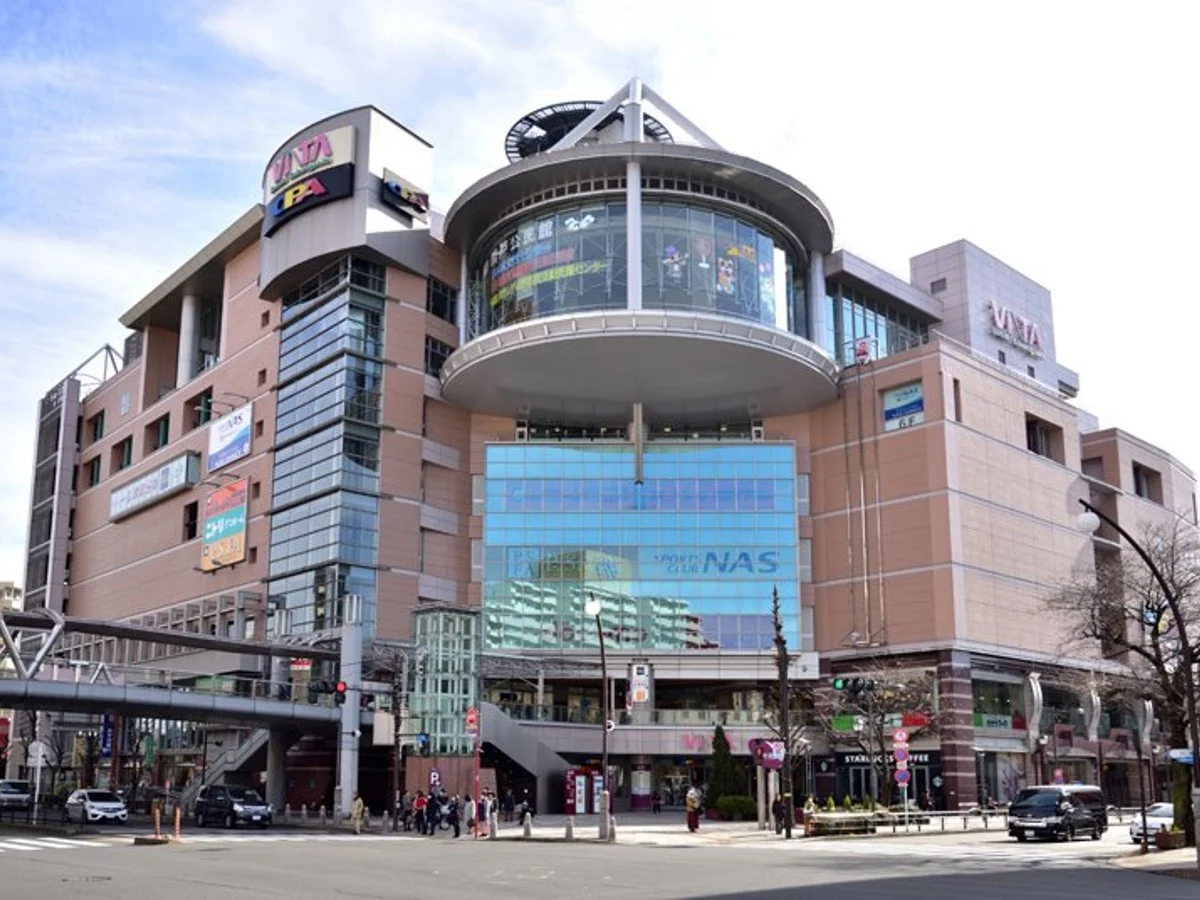
In an era defined by the rise of digital nomadism, remote work, and the increasing flexibility of professional life, Japan is once again pivoting to meet the demands of a mobile workforce. While the country has long been celebrated for its omnipresent "net cafes"—those compact, neon-lit sanctuaries that offer internet access and private pods—the evolving needs of modern professionals require more than just a place to browse the web. They require environments optimized for focus, high-stakes connectivity, and long-term productivity.
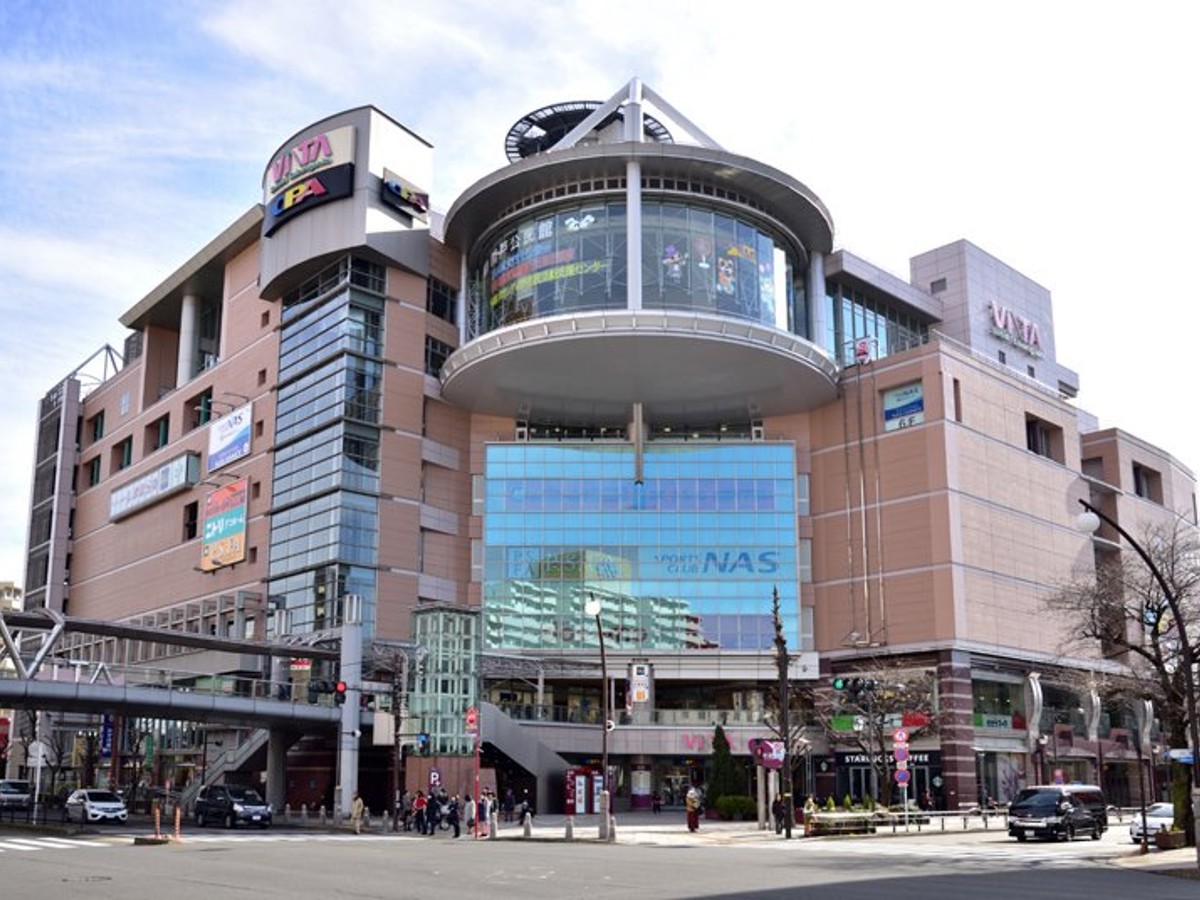
Enter "Coin Space," a burgeoning network of specialized co-working environments that is setting a new standard for "super concentration" zones. With the grand opening of its newest facility at the Seiseki Sakuragaoka Opa in Tokyo, Coin Space is bridging the gap between transient travel and stationary productivity, offering a seamless, tech-integrated workspace for both local commuters and international travelers.
Main Facts: A New Hub for Modern Efficiency
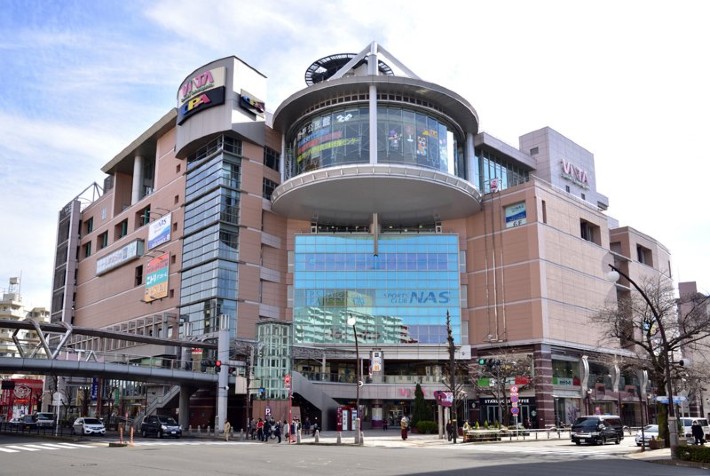
The newly unveiled Coin Space, located on the 5th floor of the Seiseki Sakuragaoka Opa building, is strategically positioned to serve the high-traffic corridor of the Keio Line. Opened on January 20, 2023, the facility represents a significant investment in the infrastructure of remote work.
Spanning 48 seats, the facility is meticulously designed to eliminate the friction typically associated with finding a workspace in a foreign or busy city. Unlike traditional net cafes, which often require cumbersome membership registrations, identity verification, and lengthy check-in processes, Coin Space prioritizes agility. By utilizing a streamlined QR-code-based check-in system, users can transition from walking through the door to working at a desk in mere seconds.
Each seat is equipped with high-speed, reliable Wi-Fi and dedicated power outlets, ensuring that the modern professional’s essential toolkit remains charged and connected. For those requiring more privacy—such as corporate executives attending Zoom board meetings or students engaged in remote lectures—the space features specialized private "box" seats. Furthermore, for collaborative efforts or team brainstorming, the facility offers four-person configurations, making it a versatile hub for diverse professional needs.
Chronology: The Evolution of the Japanese Workspace
The opening of the Seiseki Sakuragaoka location is not an isolated event, but rather a chapter in a much larger narrative of Japan’s workplace evolution.
- Pre-2020: The traditional Japanese corporate model relied heavily on physical office presence. Remote work was a rarity, and the "net cafe" culture was primarily utilized for leisure, gaming, or late-night transit gaps.
- 2020–2022: The COVID-19 pandemic acted as a catalyst for a massive cultural shift. As offices closed and "work-from-home" (WFH) became a temporary necessity, the limitations of Japanese residential architecture—often characterized by smaller living spaces—became apparent.
- Early 2023: Coin Space, which had been steadily expanding its footprint across the country, identified a growing demand for "third-space" environments. The launch of the Seiseki Sakuragaoka location marks a transition from ad-hoc remote work solutions to a permanent, widespread network of professional hubs.
- January 20, 2023: The official launch of the Seiseki Sakuragaoka Opa facility, accompanied by an aggressive introductory campaign to lower barriers to entry for local residents.
Supporting Data: Why "Super Concentration" Matters
The concept of "Super Concentration" is not merely marketing jargon; it is a response to the psychological and physiological demands of modern work. Research in organizational psychology suggests that deep work—a state of distraction-free concentration—is the most valuable commodity in the current knowledge economy.
Facility Breakdown
- Total Capacity: 48 individual workstations.
- Private Infrastructure: Dedicated sound-dampened box for private virtual meetings.
- Cost Structure: Designed for accessibility, starting at 200 yen per 30 minutes, with a 1,200 yen daily maximum cap.
- Strategic Incentives: To encourage initial adoption, the company implemented a promotional campaign running through February 2, 2023, offering a capped daily rate of just 500 yen.
The financial model of Coin Space is intentionally disruptive. By charging by the half-hour, it caters to the "commuter-worker" who may only have an hour between meetings, as well as the "digital nomad" who requires a full day of focus. The availability of a 10,000 yen monthly plan further signals a commitment to serving the local professional population that has moved away from a daily commute to a central office.
Official Responses and Strategic Vision
The leadership behind Coin Space has been vocal about their mission to "democratize professional space." In public statements regarding the expansion, the company has emphasized that their goal is to provide a "third place" that is neither home nor the traditional office.
"We recognize that for many, the boundaries between life and work have blurred," a company representative noted during the launch. "The goal of our Seiseki Sakuragaoka location is to provide a neutral ground where the environment itself encourages focus. We have removed the administrative barriers—no membership cards, no lengthy forms—to ensure that the moment a user steps into our space, they are already working."
This approach addresses a common complaint among international travelers in Japan: the difficulty of finding a quiet, reliable space for professional obligations without committing to an expensive hotel suite or dealing with the noise of a public coffee shop. By integrating into major transit hubs like the Keio Line, Coin Space is positioning itself as an essential piece of urban infrastructure.
Implications: The Future of Urban Mobility and Work
The success of the Coin Space model has profound implications for the future of Japanese urban planning and the global digital nomad movement.
1. The Decentralization of the Workplace
As companies adopt hybrid work policies, the demand for suburban workspaces will continue to climb. By placing hubs in areas like Seiseki Sakuragaoka—a residential and transit-heavy zone—rather than just in central business districts like Shinjuku or Marunouchi, Coin Space is acknowledging the shift in where the workforce lives and operates.
2. Enhancing Japan’s Appeal to Global Nomads
Japan is increasingly competing with hubs like Bali, Lisbon, and Chiang Mai for the international digital nomad market. However, until recently, infrastructure for these workers was fragmented. By creating a standardized, high-quality, and easy-to-access network of co-working spaces, Japan is removing one of the primary obstacles for long-term international stays. A traveler can now move through different prefectures and find a consistent, professional-grade environment in every major station.
3. Sustainability and Shared Resources
The "Coin Space" model promotes a more sustainable use of urban space. Rather than each worker maintaining a private home office with individual climate control, lighting, and networking hardware, centralized facilities allow for energy efficiency and shared resources. This reflects a broader trend in Japanese society toward shared economy models that prioritize utility over ownership.
4. Psychological Benefits
The shift toward dedicated "super concentration" spaces addresses the mental health challenges associated with WFH isolation. Being surrounded by other professionals engaged in deep work creates a "social facilitation" effect—a psychological phenomenon where individuals are more likely to perform tasks better when in the presence of others.
Conclusion: A New Standard for Professionals
The opening of the Coin Space at Seiseki Sakuragaoka Opa is a microcosm of a larger shift in the professional landscape. It is a testament to the fact that in the modern world, the "office" is no longer a fixed geographical point; it is a state of mind supported by reliable infrastructure.
For the traveler looking to catch up on emails while waiting for a train, or the local resident looking to escape the distractions of a domestic environment, facilities like these provide a crucial service. They offer more than just a desk and Wi-Fi; they offer the quiet, the connectivity, and the structure required to navigate the complexities of the 21st-century professional world. As the network continues to expand across Japan, it is likely that "Coin Space" will become a household name, synonymous with efficiency, reliability, and the continued evolution of the modern work-life balance.
For those planning to visit or work in Tokyo, the facility stands as a welcoming invitation to experience the future of the Japanese workspace—a future that is accessible, flexible, and, above all, focused.
Facility Overview at a Glance:
- Store Name: Coin Space Seiseki Sakuragaoka Opa
- Opening Date: January 20, 2023
- Location: 5F, 4-72 Sekido, Tama City, Tokyo
- Hours: 10:00 AM – 9:00 PM
- Accessibility: Located immediately adjacent to Seiseki Sakuragaoka Station.
- Payment: Cash, Credit Card, and digital QR-code payment options are accepted.
For further information regarding locations and booking, visit Coin Space’s official homepage.


 Neng Nana
 Asro
Asro