Siti Muinah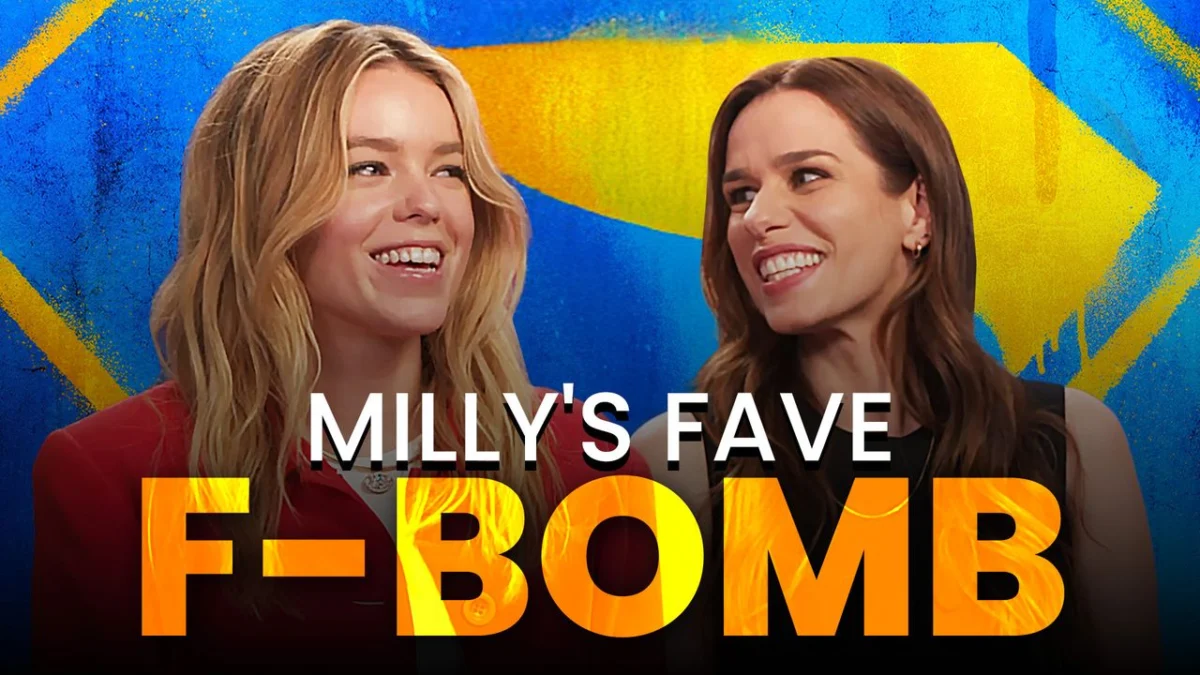
The upcoming Supergirl feature film, directed by Craig Gillespie, stands as one of the most anticipated entries in the revamped DC Universe. With Milly Alcock stepping into the iconic role of Kara Zor-El, the film promises a tonal departure from traditional superhero tropes. While it draws heavily from Tom King and Bilquis Evely’s celebrated graphic novel, Supergirl: Woman of Tomorrow, the production team has carefully curated a vision that prioritizes psychological depth over mere spectacle.
The Foundation: Translating a Modern Classic
When Tom King and Bilquis Evely released Woman of Tomorrow, it was hailed as a space-opera masterpiece, often compared to the sensibilities of True Grit. The narrative follows a disillusioned, traumatized Kara Zor-El who finds herself entangled in a revenge-fueled odyssey alongside a young, determined girl named Ruthye.
For Milly Alcock, the source material was an immediate point of fascination. Speaking from Beverly Hills, the actress noted that her initial experience with the comic was one of surprise. "It’s such a visceral world, it’s so vivid, and I was so seduced by the colors and the imagery," Alcock explained. "I did not expect to read a comic book and find this messy, resilient, and incredibly kind person. That duality—the messiness paired with profound kindness—is the heart of what we are building."
A Shift in Aesthetic
While the graphic novel is known for its bright, ethereal, and cosmic color palette, director Craig Gillespie has opted for a decidedly grungier, more dystopian aesthetic. Industry insiders have likened the film’s visual language to the visceral intensity of Mad Max. This shift signals a departure from the "bright and shiny" superhero aesthetic, grounding Kara in a world that feels as weathered and worn as her own internal state.
Chronology of Development
The journey from page to screen for this iteration of Supergirl has been a meticulous process, characterized by a deep reverence for the source material while acknowledging the practicalities of a feature film.
- Initial Development: Screenwriter Ana Nogueira began drafting the script long before a director was attached. Her primary goal was to maintain the "two-hander" nature of the story, focusing on the dynamic between the super-powered Kara and the mortal, perspective-shifting Ruthye.
- Director Attachment: Craig Gillespie joined the project, bringing his signature flair for complex character studies. He pushed for the narrative to be viewed largely through Ruthye’s eyes, a decision intended to emphasize Kara’s own sense of alienation.
- Casting and Pre-production: With the casting of Alcock and the surprise inclusion of Jason Momoa as the interstellar bounty hunter Lobo, the film solidified its identity as an eclectic, high-stakes space adventure.
- Principal Photography: The production focused on balancing the high-octane action sequences with intimate, character-driven moments—the "quiet" scenes that define the protagonist’s humanity.
Supporting Data: The Character Study
A central thesis of the film is the idea that Kara Zor-El does not perceive herself as a hero. Screenwriter Ana Nogueira elaborates on this perspective: "Kara doesn’t feel extraordinary in her own life. She feels like she’s ‘less than.’ But in the eyes of this little girl, Ruthye, she is the most incredible being to ever exist. Our story is about Kara learning to see herself through that child’s eyes, ultimately accepting a mantle that has always felt too heavy for her to carry."
This thematic focus is best exemplified by a scene Alcock cites as her favorite: the moment where Kara teaches Ruthye to wash her hands. "That scene broke my heart," Alcock shared. "It gave me such an insight into this person who has such an extreme capacity to care for others, despite her own trauma. It’s a quiet, domestic moment that says more about her character than any laser-vision blast could."
The Lobo Factor: A Fan-Led Casting
The inclusion of Jason Momoa as the anti-hero Lobo adds a layer of chaotic energy to the film. Momoa, a self-confessed "comic book nerd," has long lobbied for the role. His iteration of the character is deeply rooted in his own childhood fandom, complete with custom-invented details like metallic, blade-like finger talons.
"I remember the walls of my comic book store in Iowa," Momoa recalled. "It’s about capturing that raw, beast-like energy. He’s a Grizzly Bear—he’s a force of nature." Momoa’s presence serves as both a nod to the fans and a narrative foil to the more introspective journey of Kara and Ruthye.
Official Responses and Creative Compromises
Adapting a graphic novel requires difficult decisions regarding what to keep and what to excise. The production team faced several constraints, most notably regarding the film’s PG-13 rating.
The F-Bomb Dilemma
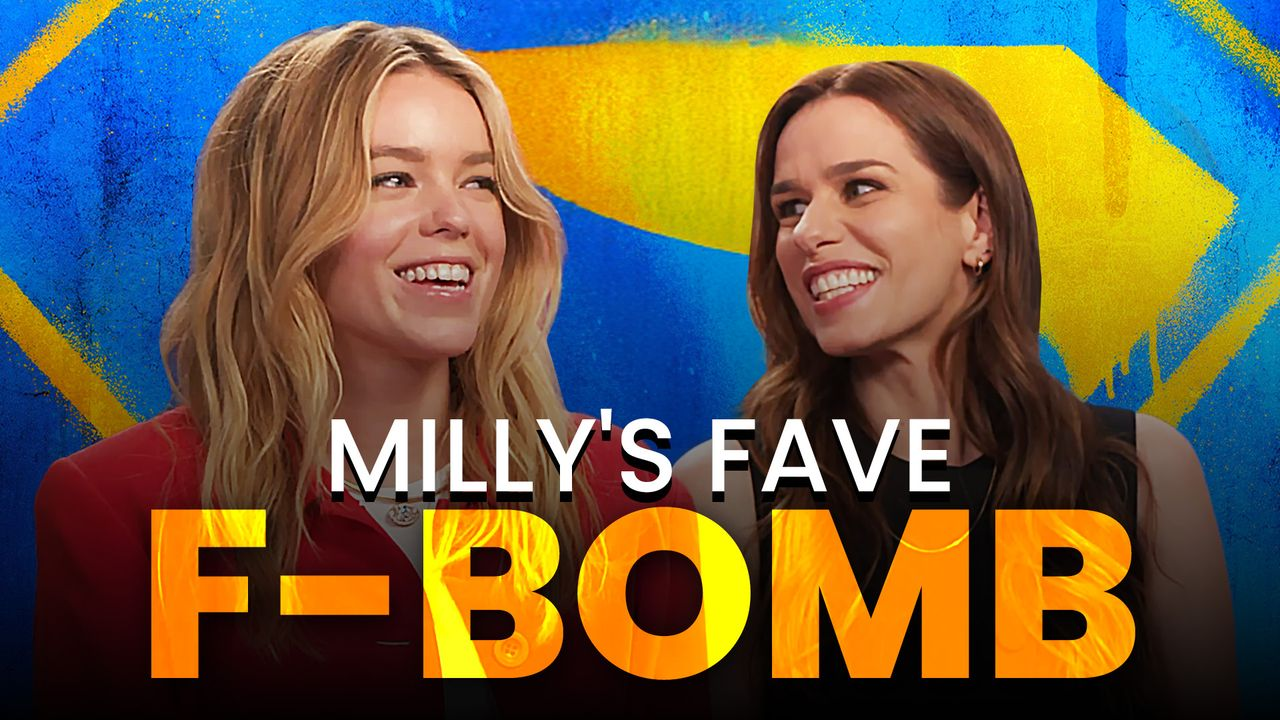
In the graphic novel, Kara is known for her coarse, sailor-like language. To comply with PG-13 guidelines, the production was limited to a single permitted "F-bomb." Alcock and Nogueira admit that they filmed multiple versions of key scenes, each featuring a different placement for the word. "I had a favorite that didn’t make the cut," Alcock revealed, noting that Nogueira shares her disappointment. The team has teased the possibility of a "collector’s edition" home release that might include the unfiltered dialogue.
The Mystery of the Missing Steed
One of the most iconic elements of the Woman of Tomorrow comic is Comet, the winged, telepathic space horse. The creature is notably absent from the current film. Nogueira explained that the decision was based on narrative economy: "The Comet situation needs its own story. There are certain things you need to move away from to let the audience focus on the core journey, but I wouldn’t rule out revisiting him in the future. He deserves his own run."
Implications for the New DC Universe
The Supergirl movie represents a pivotal test for the James Gunn-led DC Universe. By choosing a character-first approach over a sprawling, interconnected origin story, the studio is signaling a strategy that values individual artistic vision.
A Distinctive Tone
The film’s refusal to follow the standard "superhero beats" indicates that this new era of DC films is willing to embrace genres—in this case, a gritty, existential road-trip movie. If successful, this could pave the way for future projects that prioritize thematic weight over formulaic action.
The "Two-Hander" Model
The focus on the relationship between Kara and Ruthye sets a precedent for how the studio plans to handle legacy characters. By grounding the "god-like" figures in human, relatable struggles, the film invites the audience to empathize with characters who are often defined by their invulnerability.
As the film prepares for its theatrical release on Friday, June 26, the industry is watching closely. Whether this "messy and kind" version of the Girl of Steel will resonate with general audiences remains to be seen, but the dedication to the source material—coupled with a willingness to iterate—suggests that this Supergirl will be a significant, and perhaps defining, chapter in the evolution of modern comic book cinema.

 Lina Hope
 Azzam Bilal Chamdy