Sagoh
Sagoh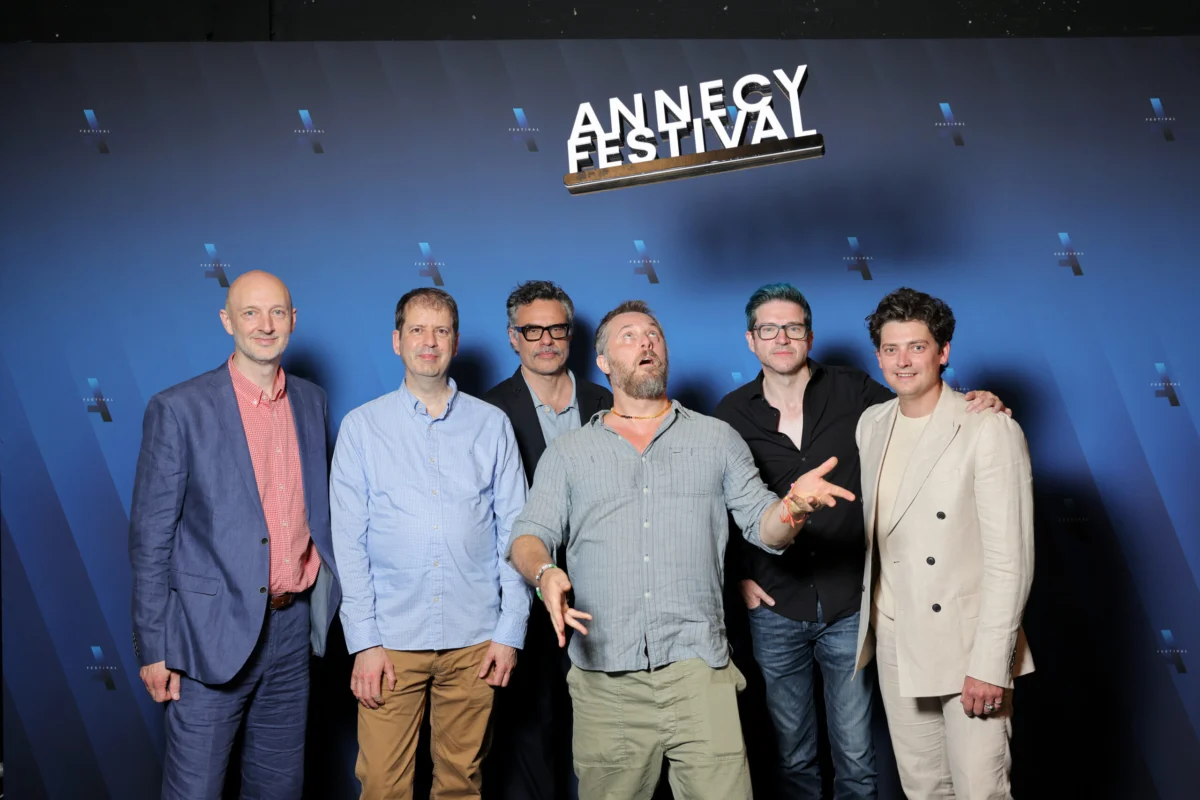
The boundary between the gritty, militaristic sci-fi world of the Rogue Trooper and the sun-drenched streets of Annecy, France, blurred in spectacular fashion this week. Aneurin Barnard, the lead actor in Duncan Jones’ highly anticipated adaptation of the iconic 2000 AD comic strip, arrived at the Annecy International Animation Film Festival not just as a star, but as a genuine action hero.
In a revelation that stunned the festival audience during a "Making Of" session on Tuesday, Barnard disclosed that he had spent the hour preceding his stage appearance tackling a street thief who had robbed an elderly woman. The incident, which left the actor with bruised knuckles, served as an ironic, if harrowing, prelude to his discussion about playing a genetically engineered soldier in a cutting-edge animated feature.
The Heroic Incident: Fact Meets Fiction
The atmosphere in the festival hall was one of professional curiosity as Barnard took the stage to discuss the technical complexities of blending motion capture with Unreal Engine technology. However, the tone shifted immediately when Barnard admitted he was struggling to focus, citing a bizarre and violent sequence of events that had occurred just sixty minutes prior.
"It feels really weird for me to be telling this story," Barnard remarked to a captivated crowd. "I just helped an old lady who’s been robbed and had to tackle a robber on the way here like an hour ago, so yeah."
The candid admission was met with a mixture of disbelief and awe. Duncan Jones, the visionary director behind Moon and Source Code, quickly intervened to validate the claim, pointing toward the actor’s hands. "If the front row can confirm the blood on the knuckles," Jones quipped, clearly still processing the surreal nature of the day. "Sorry, it’s just been a really weird day. It’s been a very strange 24 hours, but we love Annecy."
When questioned further after the session, Barnard remained humble, describing the incident with the matter-of-fact tone of a man who had simply done what was necessary. "I just had to hold them down until the police arrived," he noted. The incident added a layer of unintended "method acting" to his role as the titular Rogue Trooper—a blue-skinned, relentless supersoldier known for his tactical prowess.
Chronology of the Project: A 25-Year Journey
The revelation of Barnard’s heroics provided a jarring contrast to the long, measured journey that has brought Rogue Trooper to the screen. The film, which held a high-energy premiere on Monday evening, represents the culmination of a quarter-century of creative ambition for director Duncan Jones.
Jones, a self-confessed "fanboy" of the 2000 AD universe—which also introduced the world to the legendary Judge Dredd—recounted his early, naive attempts to secure the rights. In his early twenties, Jones famously approached Rebellion owners Jason and Chris Kingsley with little more than enthusiasm and a punk-rock aesthetic.
"It’s been 25 years getting to this point," Jones shared during the session. "I did go and see Jason and Chris. I had a mohawk at the time because I really wanted to sell the idea… I was fortunate to get a meeting with them. And I think as soon as they saw me, they knew that I was a bit of a numpty."
The meeting was a sobering lesson in industry reality. When the Kingsleys asked the young, mohawked Jones if he had any filmmaking experience, his honest answer—a flat "No"—prompted a piece of advice that would define the next two decades of his career. "They said, ‘You should probably go make some movies first.’ Because I had the mohawk and I was so embarrassed, it took about 20 years before I went back to them."
The Technical Craft: Blending Performance and Unreal Technology
Beyond the headlines of street fights and long-gestating development deals, the Rogue Trooper panel provided deep insight into the film’s innovative production. The project utilizes a sophisticated blend of motion capture and real-time animation technology, powered by Unreal Engine.
Barnard, reflecting on his entry into the project, described the casting process as an unexpected but deeply rewarding turn of events. "It kind of came out of the blue and it was a really lovely surprise," he said. "I knew Rogue Trooper as a video game first. Then I learned about the comics, and I knew Duncan because I’ve always loved his work and I think he’s a fantastic director."
The actor noted that the filming process was a unique challenge, as he was required to perform for motion capture, where his facial expressions were the primary tool for conveying the character’s emotional depth, even while the rest of his body was replaced by digital animation.
"I started to meet the team, and everyone was really lovely. It was a bit of a ‘pinch yourself’ moment because there wasn’t a bad person [on set]," Barnard observed. "And normally if that happens, you’re the bad person! But everyone was so humble and so invested in creating a fun project where people can enjoy and engage and not take themselves too seriously, but very seriously, you know what I mean?"
Barnard expressed a genuine sense of camaraderie with the production team, even lamenting that his own contribution—roughly two weeks of filming—was short compared to the years of labor poured into the project by the technical staff.
Supporting Voices: The Production Team
The stage was shared by a collective of industry veterans, underscoring the collaborative effort required to bring a 2000 AD property to life. Joining Jones and Barnard were:
- Stuart Fenegan: Producer at Liberty Films Entertainment, who has worked closely with Jones on his previous features.
- Ben Smith: Head of Film & TV at Rebellion, the company that stewards the intellectual property of the 2000 AD catalog.
- Marty Waters: Visual Effects Supervisor, tasked with ensuring the gritty aesthetic of the comic translates to the screen.
- Thomas Saville: Head of Animation at Treehouse Digital Limited, who spearheaded the movement and performance integration.
The panel emphasized that while the technology is cutting-edge, the heart of the project remains the source material’s spirit. Rebellion’s involvement as both rights holder and co-producer ensures that the adaptation stays true to the tone of the original comics, which are known for their dark humor and visceral, high-stakes military action.
Implications for the Future of Animation
The buzz surrounding Rogue Trooper at Annecy is not merely about its high-profile cast or its director’s pedigree; it represents a shifting paradigm in how animated features are produced. By moving away from traditional hand-drawn or even standard CGI pipelines toward real-time Unreal Engine rendering, the production team has demonstrated that mid-budget sci-fi can achieve a blockbuster look with greater efficiency.
For Aneurin Barnard, the project marks a significant evolution in his career. While he has long been a respected actor in drama and period pieces, his portrayal of a war-torn soldier in a futuristic landscape positions him to capture a new, global audience.
As the festival continues, the story of the star who fought a thief before discussing the art of animation has become the definitive anecdote of Annecy 2024. It serves as a reminder that even in an industry increasingly dominated by digital effects and remote production, the human element—both on screen and on the streets—remains the most unpredictable and compelling variable of all.
As Duncan Jones noted, the last 24 hours have been "very strange," but for the Rogue Trooper team, it has been the perfect initiation into the world of a character who is, by definition, constantly fighting against the odds. With the film’s production complete and its reception at Annecy proving overwhelmingly positive, the long wait for the fans of 2000 AD is finally nearing its end. The question remains: can the film match the intensity of its own lead actor’s real-world heroics? If the early buzz is any indication, the answer is a resounding yes.

 Azzam Bilal Chamdy
 Reynand Wu