Basiran
In today’s hyper-competitive digital ecosystem, content marketing is no longer just about volume; it is about absolute precision. As audiences fragment across dozens of platforms and attention spans reach record lows, brands are finding that "being everywhere" is a recipe for operational burnout and diluted messaging. To cut through the noise, modern marketing teams must shift from manual, siloed workflows to a centralized, data-informed infrastructure.

This comprehensive guide breaks down the essential tools required to streamline production, uncover actionable audience insights, and transform content investments into measurable business value.
The Strategic Imperative: Why Infrastructure Matters
The primary challenge facing modern marketing organizations is the "complexity gap." When teams rely on disconnected spreadsheets, disparate design tools, and manual scheduling, they lose the ability to see the forest for the trees. Scaling production across diverse channels without a unified tech stack inevitably leads to bottlenecks, inconsistent brand voice, and a failure to capitalize on real-time audience behaviors.
By replacing guesswork with an integrated stack, organizations can automate mechanical workflows, identify high-intent consumer trends, and maintain a consistent presence that drives tangible ROI.
Foundational Tools: Achieving Operational Oversight
Managing distribution across fragmented platforms requires a "command center" approach. These tools provide the necessary structure to build cohesive cross-channel strategies and secure clear oversight.
1. Sprout Social: Unified Social Intelligence
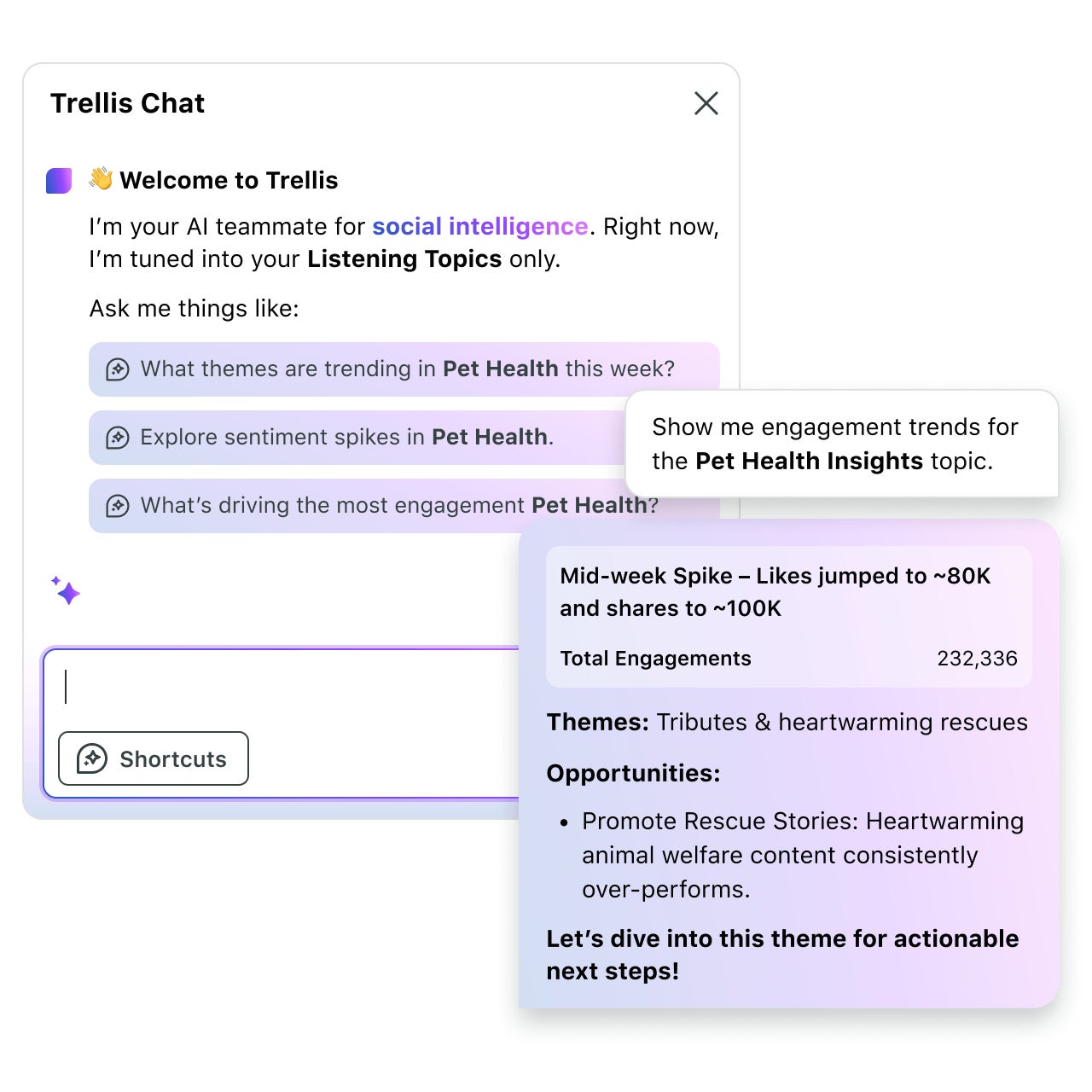
Sprout Social stands as the gold standard for social media management, designed to drive smarter, faster business impact. It functions as a singular workspace where publishing, community engagement, and AI-enhanced customer care converge.
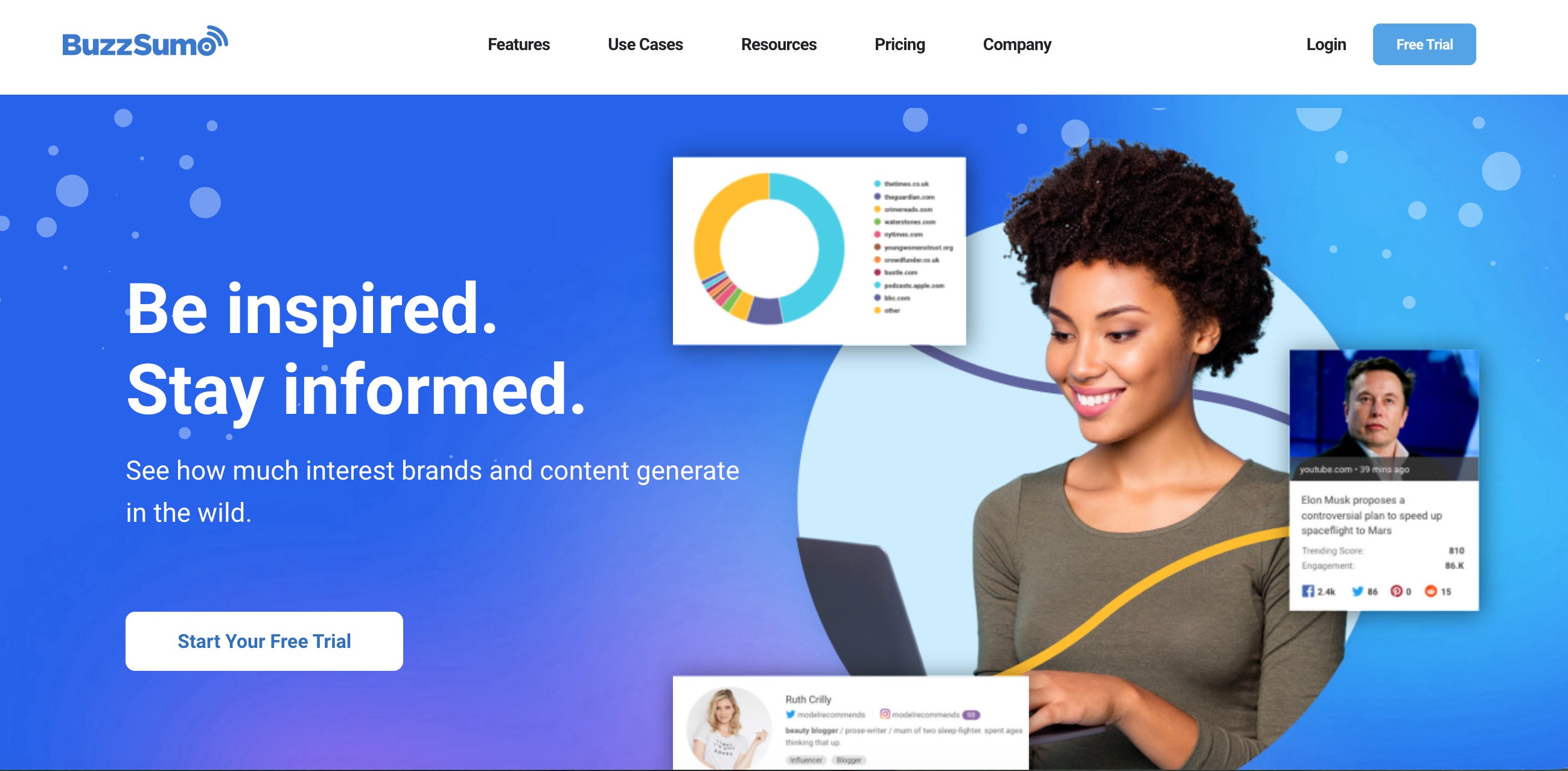
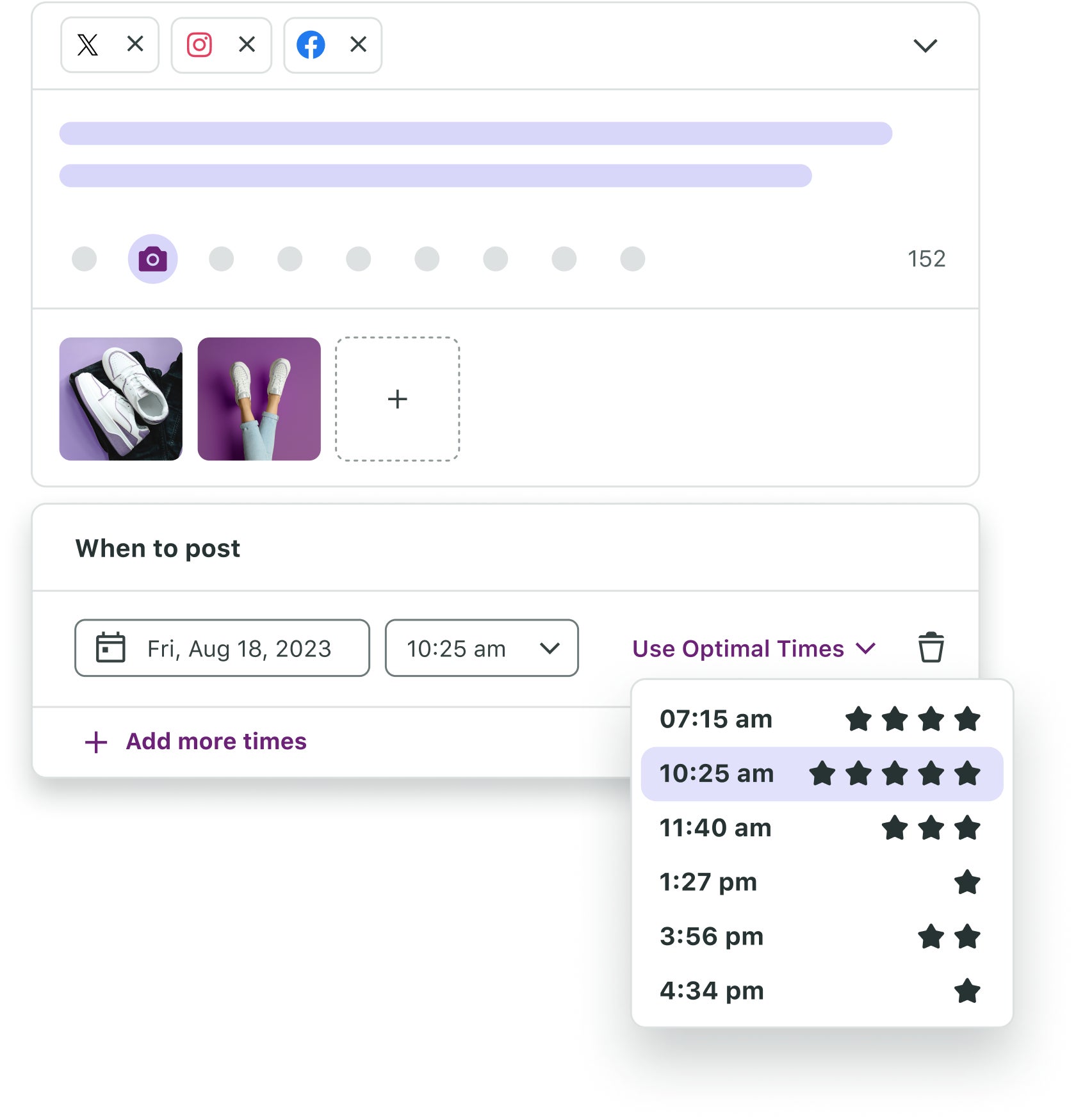
What differentiates Sprout is its human-centric AI and advanced analytics. By processing over one billion daily messages, the platform filters out digital noise, providing decision-ready social intelligence. Its patented ViralPost® technology eliminates the guesswork of scheduling by automatically identifying the optimal times for maximum reach, ensuring your content lands exactly when your audience is most receptive. With an industry-leading onboarding time of just 34 days, Sprout allows teams to pivot from software management to driving up to a 268% ROI.
2. HubSpot Marketing Hub
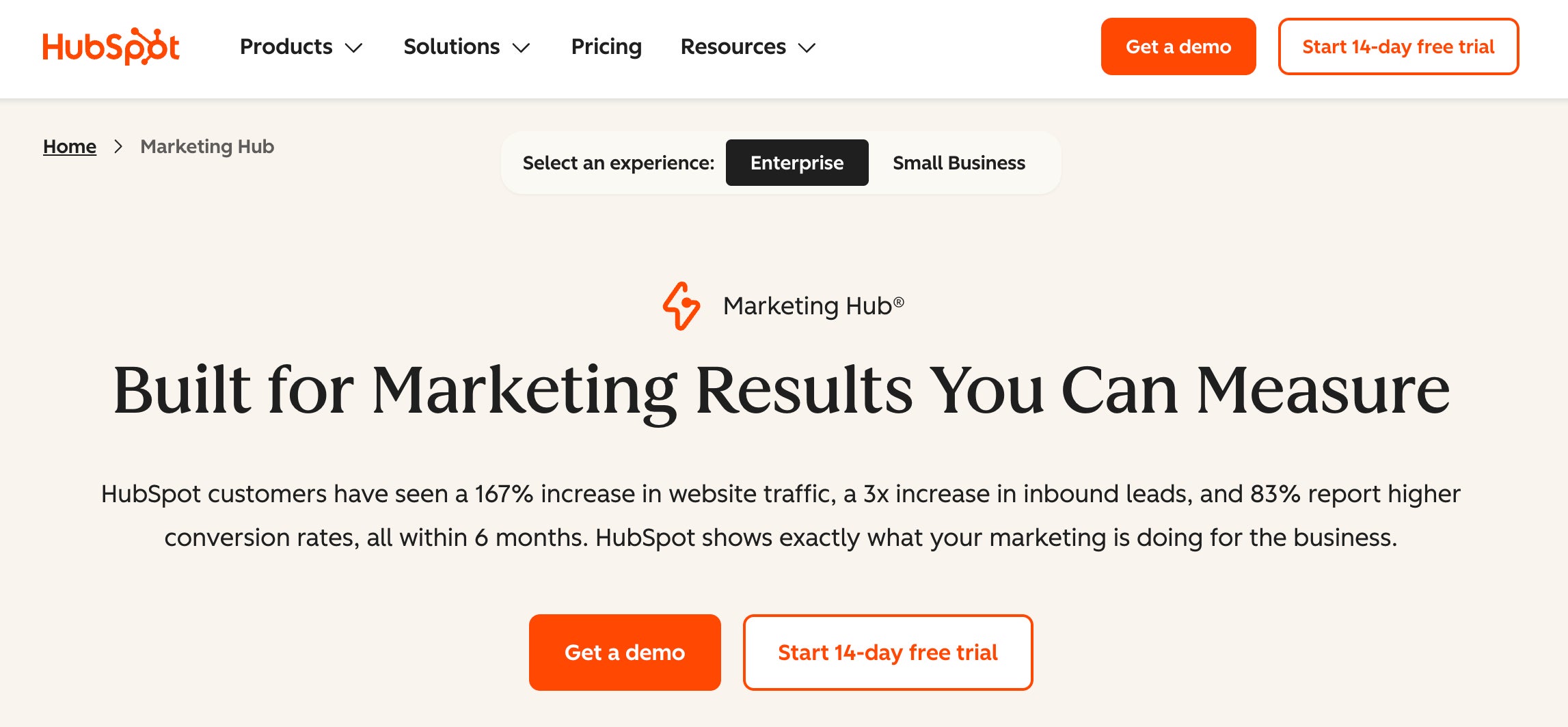
HubSpot acts as the connective tissue for the modern inbound marketer. By unifying content management, email automation, and social channels, it simplifies the customer lifecycle. It bridges the gap between top-of-funnel attraction and bottom-of-funnel conversion, offering precise ROI dashboards that justify every dollar spent.
3. Semrush
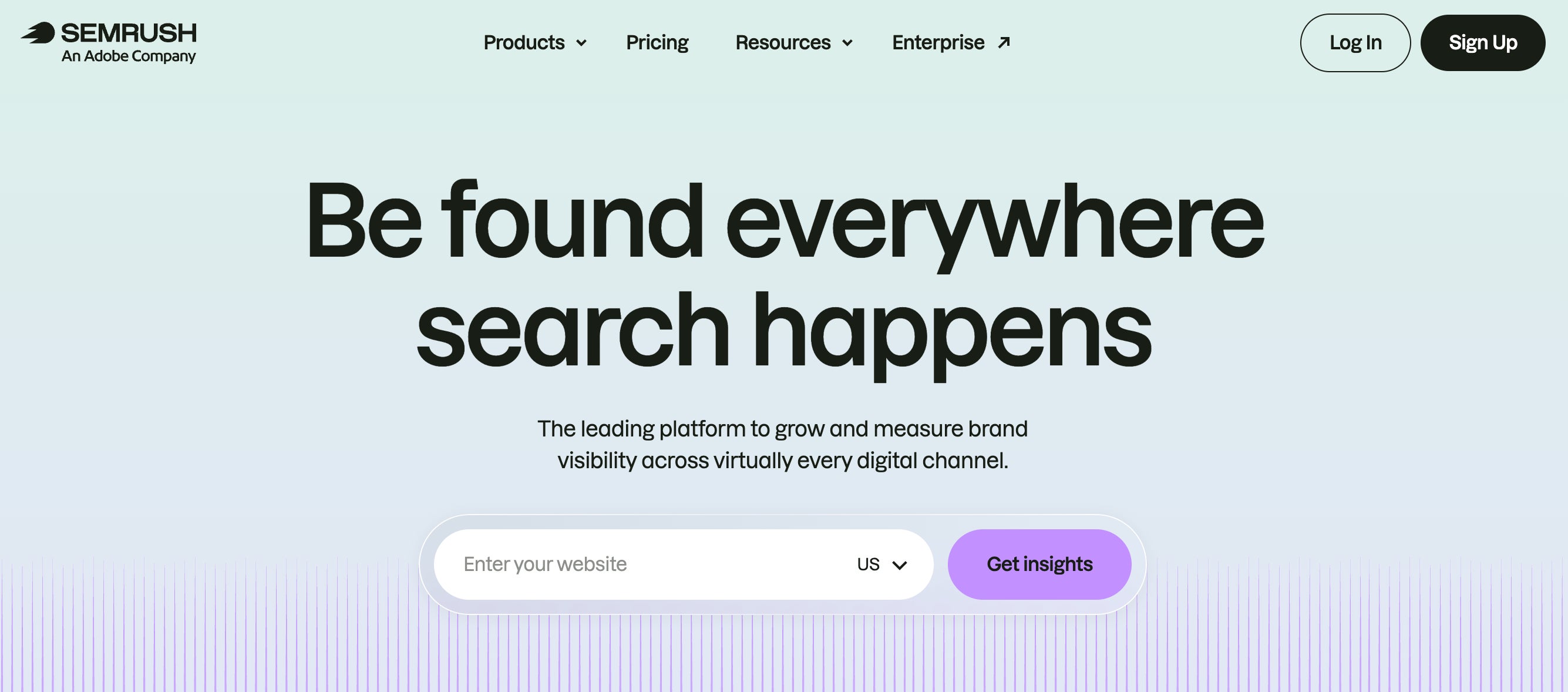
While often categorized as an SEO tool, Semrush has evolved into an end-to-end content production suite. It allows marketers to conduct technical competitor audits, discover trending topics, and gain actionable recommendations to improve digital discoverability across search engines.
AI-Driven Production: Scaling Velocity
Generative AI, when used correctly, is a force multiplier for editorial teams. The goal is not to replace human creativity but to eliminate the manual labor involved in drafting, outlining, and structural editing.
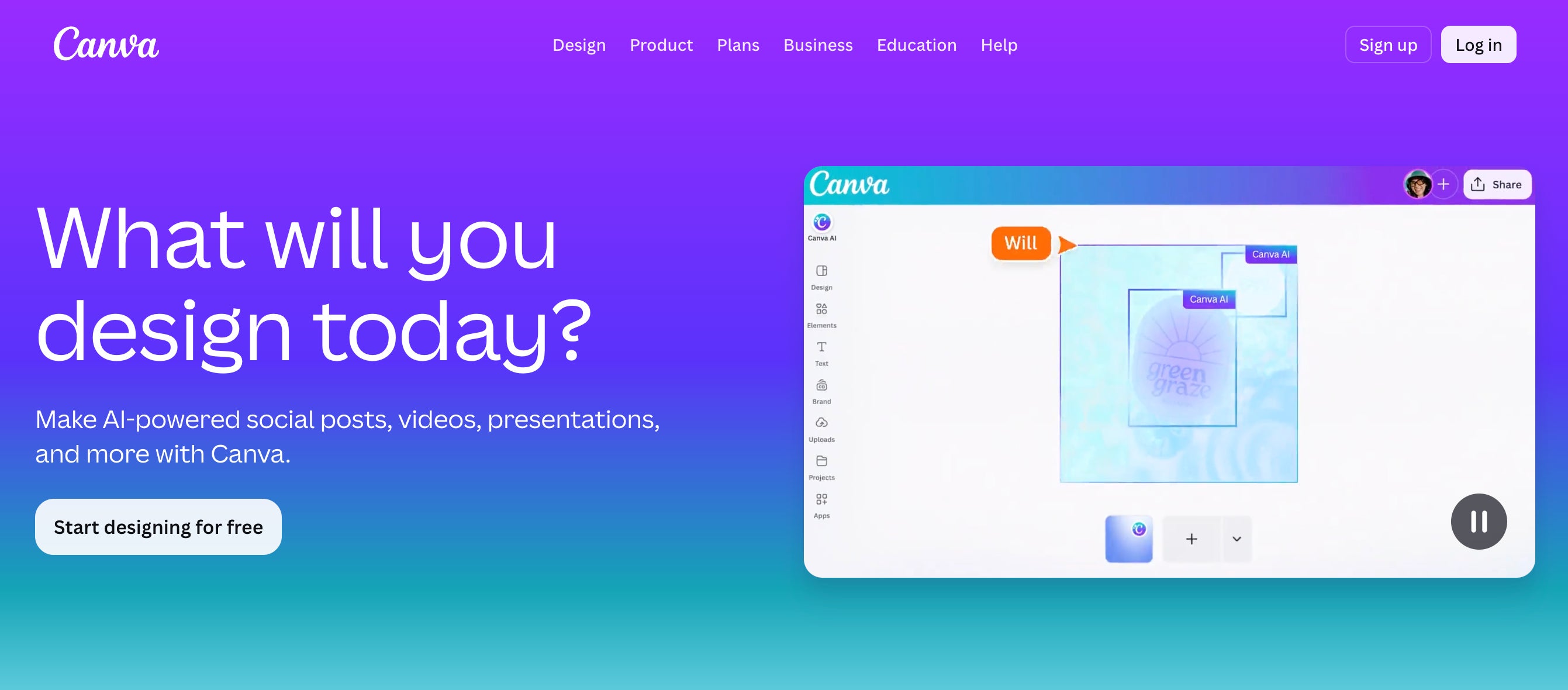
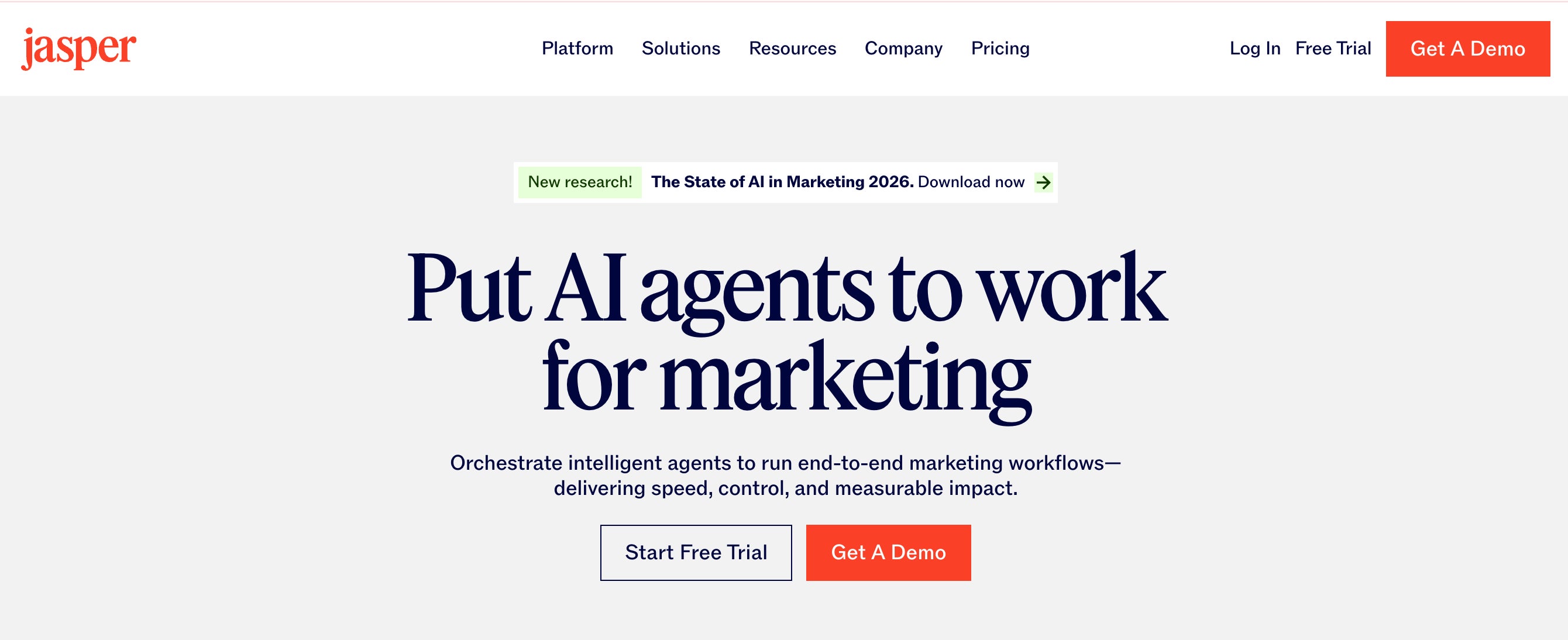
- Jasper: Built for enterprise workflows, Jasper ensures that generated copy remains aligned with specific brand style parameters. It excels at translating raw briefs into structured product copy and blog frameworks.
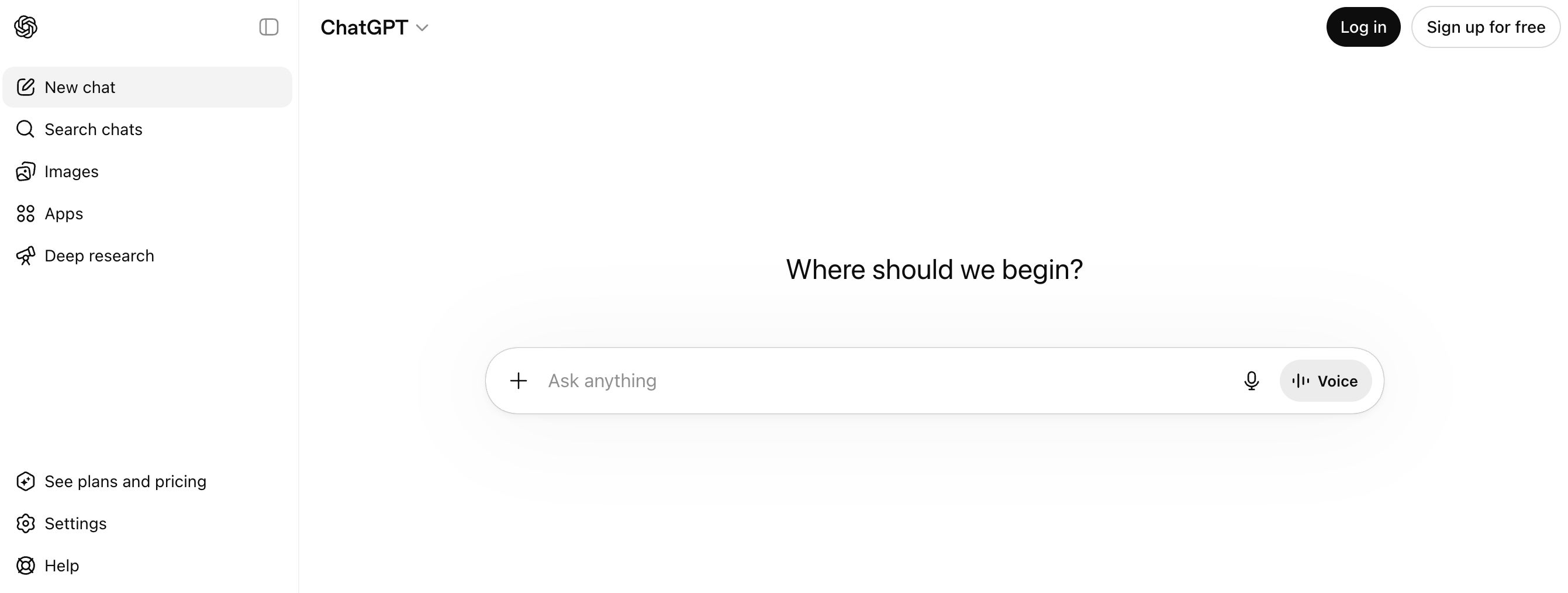
- ChatGPT: As a versatile large language model, ChatGPT serves as an indispensable brainstorming partner, helping writers stress-test messaging angles and restructure complex technical documents.
- Claude: Renowned for its advanced natural language processing, Claude is the preferred tool for editorial teams working on long-form content. Its expansive context window allows it to synthesize deep documents while maintaining a consistent, nuanced brand voice.
Analytics: Moving Beyond Vanity Metrics
The modern audience demands experiences that reflect their specific needs. Diagnostic instruments are required to track how readers navigate through digital footprints and conversion funnels.

Google Analytics 4 (GA4)
GA4 remains the bedrock of digital monitoring. It provides granular event data, detailing exactly how specific web assets contribute to lead milestones and purchase conversions across multiple devices.
Hotjar
Hotjar provides the "why" behind the data. Through heatmaps, scroll maps, and session recordings, it offers a visual representation of reader behavior, allowing teams to identify friction points that prevent users from engaging with critical content.
Parse.ly
Specifically designed for media organizations and high-volume corporate content hubs, Parse.ly provides real-time editorial tracking. It translates technical engagement data into intuitive dashboards, showing editors which headlines and formats are successfully holding reader attention.
Automation: Eliminating Operational Bottlenecks
Manual data entry is the silent killer of productivity. Automation tools act as the glue between your various platforms, ensuring data flows seamlessly.
- Zapier: The premier integration engine, Zapier allows teams to create custom, no-code connections between distinct applications, such as syncing social leads directly into a CRM.
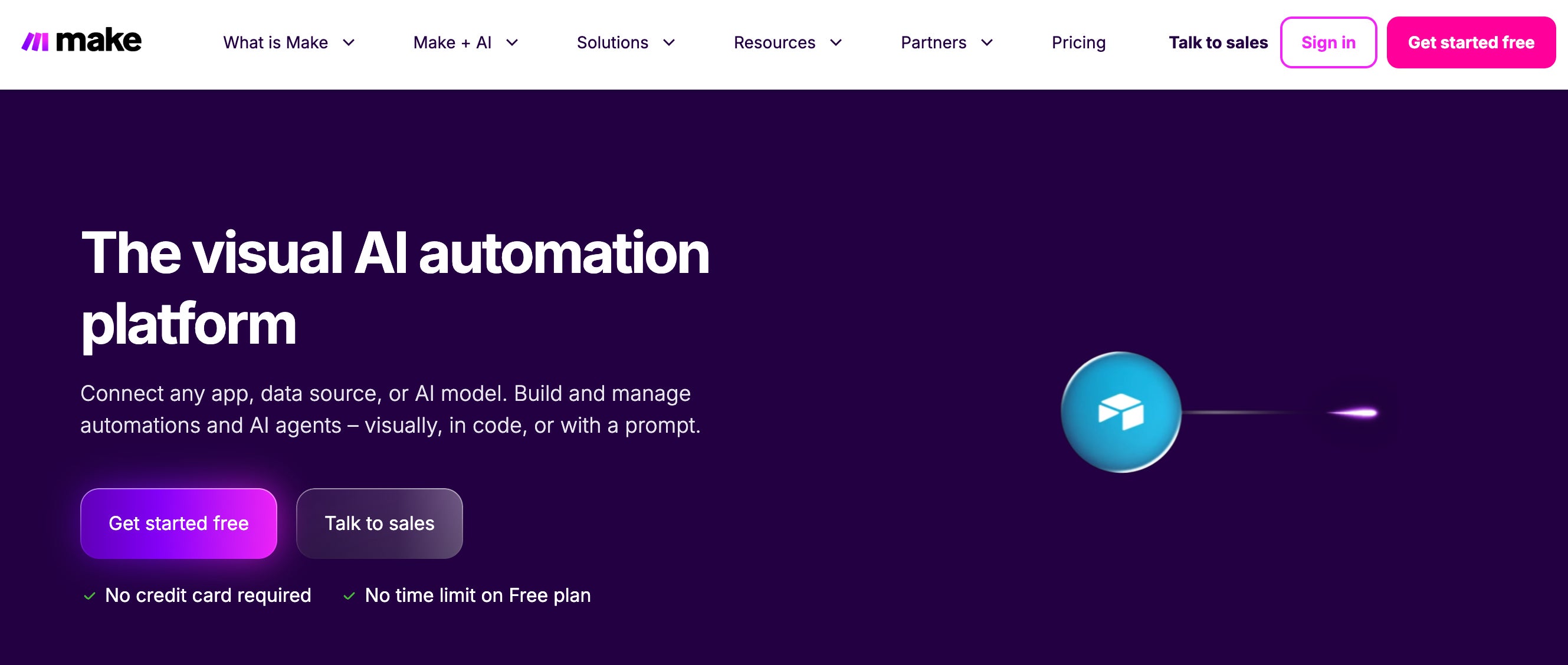
- Make: For teams requiring more complex logic, Make offers a visual automation environment that can handle multi-step workflows and massive data pipelines across cloud storage applications.
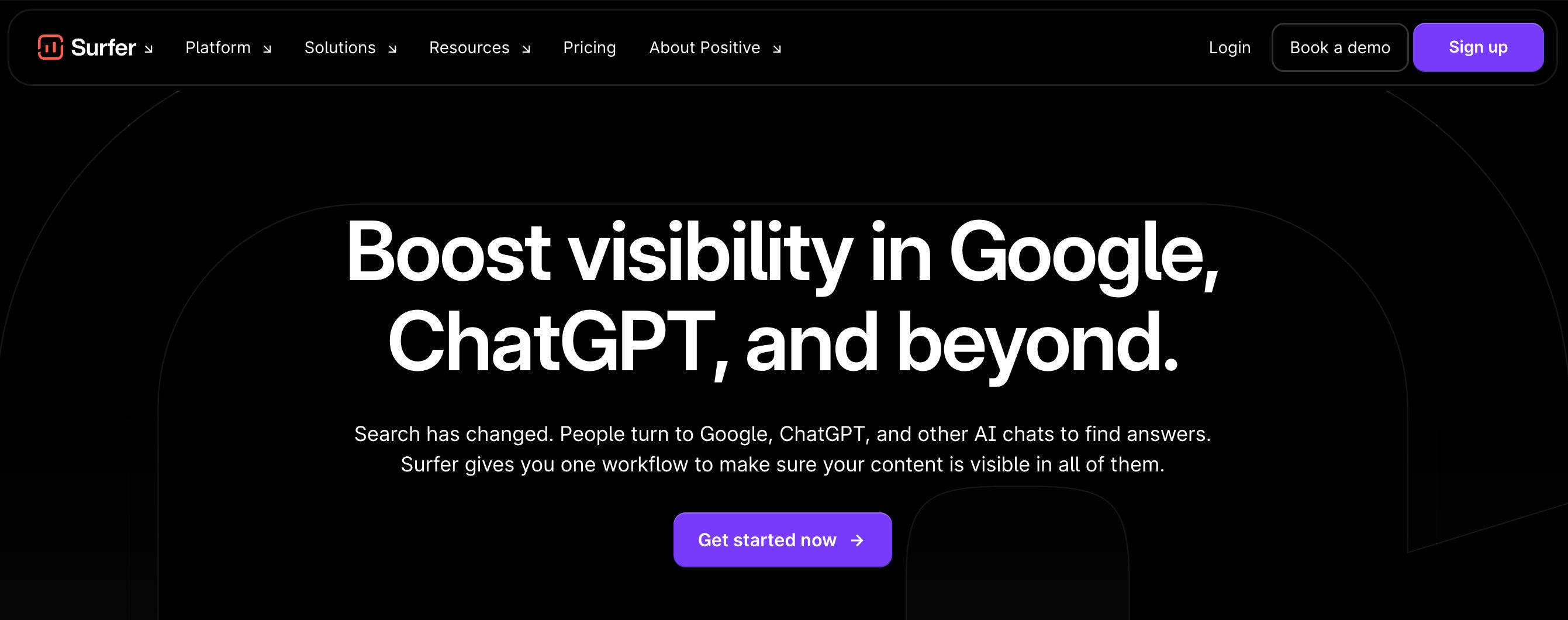
- HubSpot Workflows: By triggering automated messaging based on specific behavioral cues, this tool ensures that prospective buyers receive highly personalized documentation exactly when they need it.
SEO: Aligning with Search Intent
Search engines today prioritize topical authority and original insight. These tools help teams map consumer queries to their content strategy.
- Ahrefs: An industry-standard for backlink profiling and content gap analysis. It provides the structural data needed to identify what your competitors are doing and where you can win.
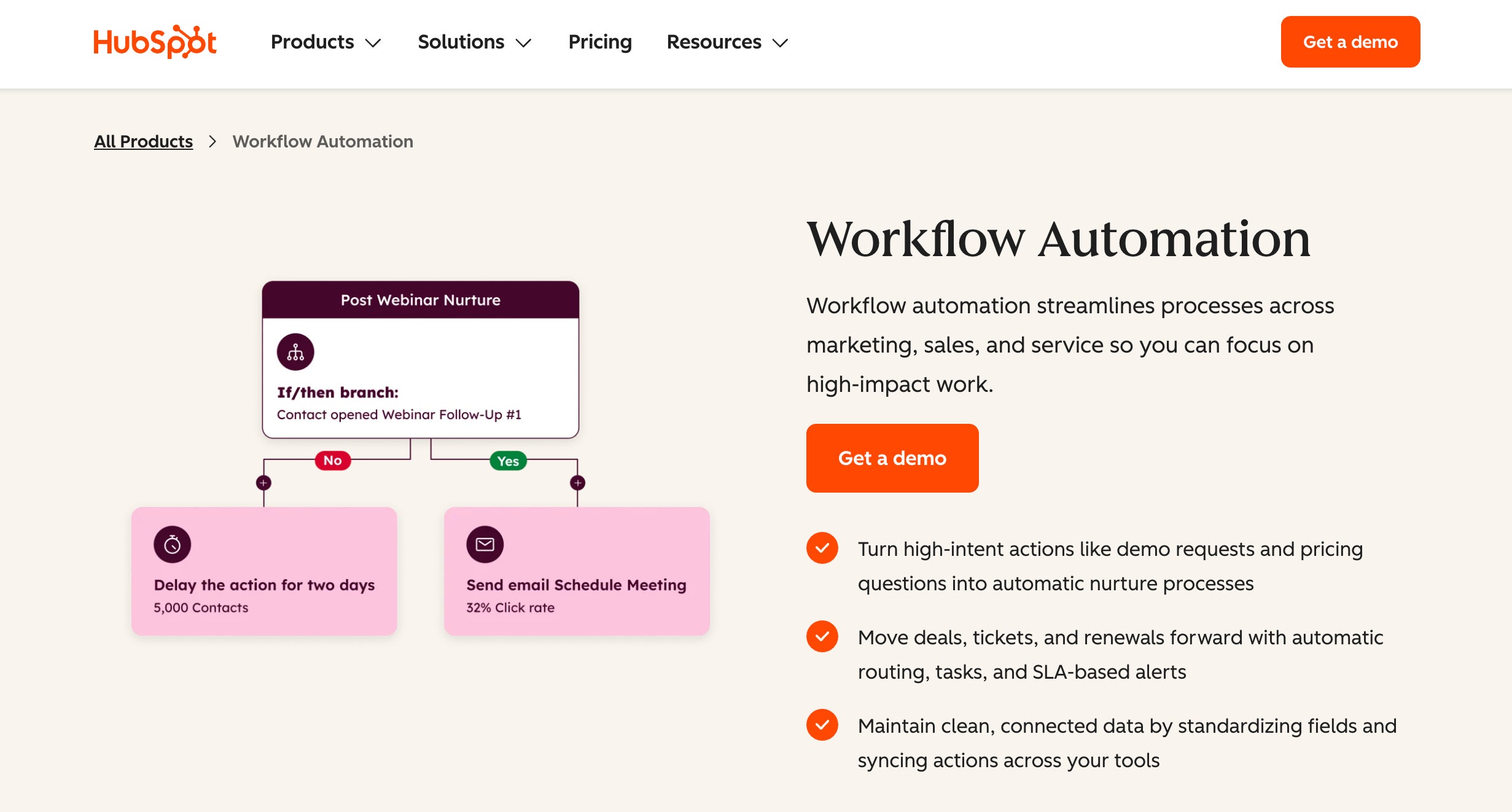
- Surfer SEO: A powerhouse for on-page optimization, Surfer provides real-time scorecards, calculating the optimal word counts, heading structures, and keyword density required to rank on the first page.
- Google Search Console: The most direct line of communication between your site and Google. It provides essential data on indexing status, query impressions, and the exact keywords driving organic traffic.
Operational Excellence: Project Management
Disjointed collaboration paths slow down asset delivery. These project environments bring clarity to complex production pipelines.

- Monday.com: Uses a highly visual interface to orchestrate cross-departmental tasks, making it ideal for managing multi-stage approval processes.
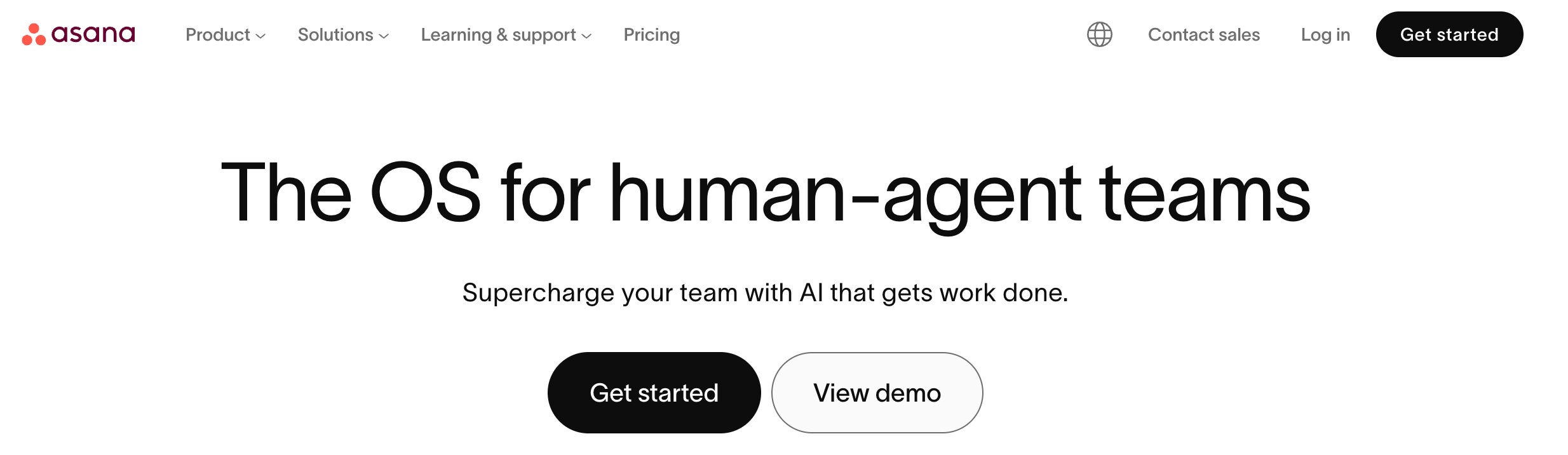
- Asana: Excellent for mapping dependencies and assigning ownership, ensuring that copy and design deadlines remain synchronized.
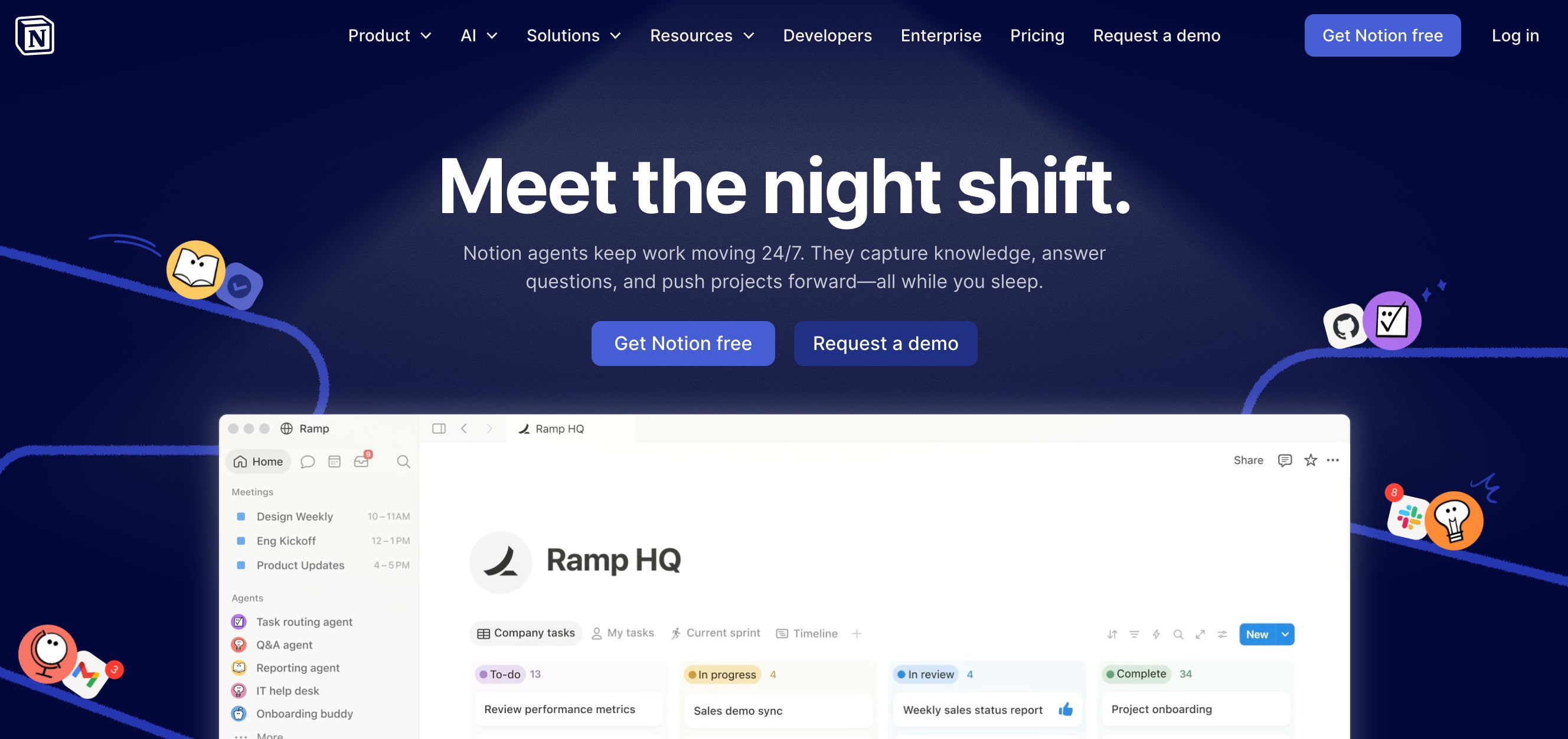
- Notion (Teams): Acts as a "single source of truth," combining editorial calendars, brand wikis, and writing pads into one modular document environment.
Enterprise Governance: Scaling for Global Brands
For Fortune 500 companies, the stakes are higher. Asset security, compliance, and localized governance are paramount.
- Contently: Connects enterprises with a vetted network of creators while providing rigid governance over asset lifecycles.
- Adobe Experience Manager: The gold standard for global digital asset management, enabling corporations to deliver localized content variations while maintaining brand uniformity across international markets.
- Optimizely Content Management: Offers comprehensive campaign orchestration, allowing multi-brand organizations to manage editorial budgets and approval structures across global teams.
Implications: The Future of Content Marketing
The evolution of the content tech stack signifies a permanent shift: the transition from "content creation" to "content operations."
As AI continues to saturate the internet with generic information, the competitive advantage will shift toward brands that can use their tech stack to extract unique, proprietary insights from their audience data. Organizations that fail to integrate their tools will remain trapped in a cycle of manual, reactive work. Conversely, those that build a cohesive, automated, and analytical infrastructure will be the ones to define the next era of digital engagement.
Frequently Asked Questions
What is the difference between a CMS and a content marketing tool?
A CMS (like WordPress) is a hosting environment for content. A content marketing tool is a strategic asset used to research, produce, distribute, and analyze the performance of that content.

How many tools does a typical stack need?
Most high-performing teams utilize five to eight tools. The goal is not to mirror a massive enterprise, but to select tools that integrate seamlessly to avoid manual data transfers.
What should a small team prioritize?
Start with a keyword research tool (like Ahrefs or Semrush), a design platform (Canva), and a robust analytics suite (GA4). As you scale, add automation and project management tools.
How do AI tools differ from traditional tools?
Traditional tools provide the environment for you to work; AI tools actively participate in the work—drafting, summarizing, and surfacing insights—thereby reducing the time-to-market for every asset produced.


 Raul Delapena Setiawan
 Azzam Bilal Chamdy