Dwi Wanna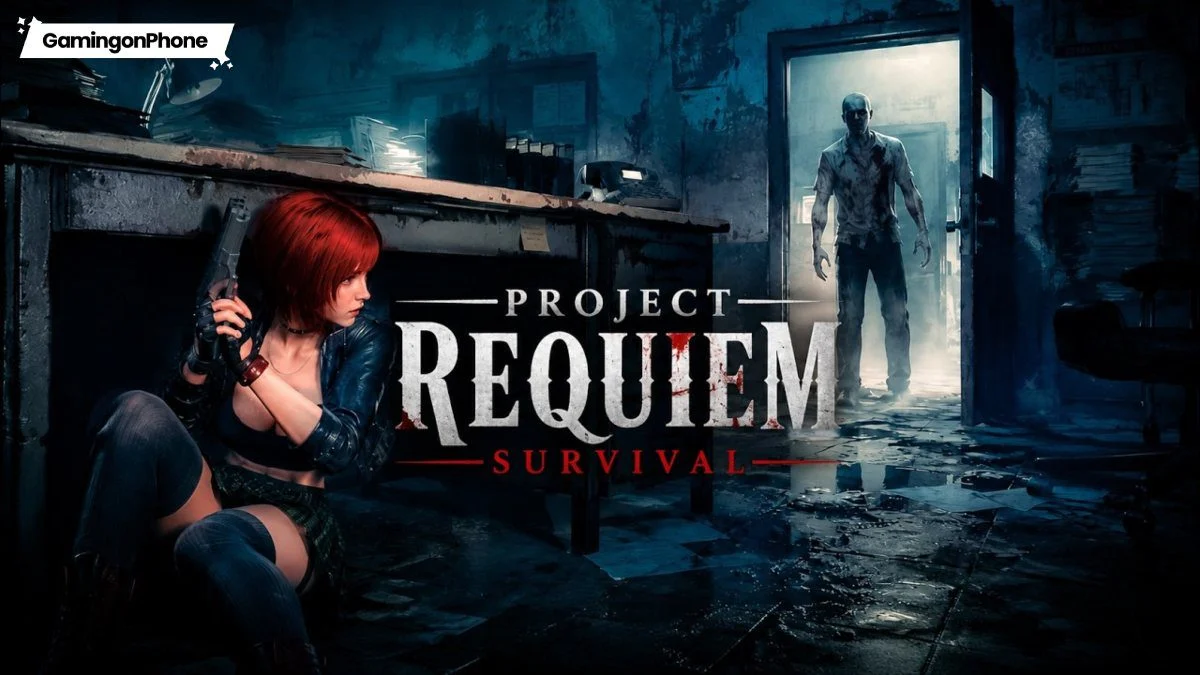
The landscape of mobile gaming has long been dominated by hyper-casual experiences and fast-paced battle royales. However, a significant shift is occurring as developers look to the past to define the future of portable entertainment. Black Ice Software has officially entered the arena with Project Requiem: Survival, a title that explicitly aims to resurrect the "Golden Age" of survival horror. Now available on both the Google Play Store and the Apple App Store, the game invites players to navigate a decaying urban landscape defined by resource scarcity, claustrophobic atmosphere, and the relentless pursuit of the undead.
Main Facts: A New Chapter in Mobile Horror
Project Requiem: Survival is an action-oriented survival horror game that emphasizes strategic combat and environmental storytelling. Developed by Black Ice Software, the title is a standalone experience and is in no way affiliated with Capcom’s Resident Evil franchise or the rumored Resident Evil: Requiem projects often discussed in gaming forums.
The core gameplay loop centers on the "classic" tenets of the genre:
- Resource Management: Ammunition and medical supplies are intentionally sparse, forcing players to evaluate whether to fight or flee in any given encounter.
- Atmospheric Exploration: The game utilizes detailed lighting and environmental design to build a sense of dread rather than relying solely on jump scares.
- Strategic Combat: While the game includes modern accessibility features such as auto-aim and enemy lock-on, it remains punishing. Reckless play is quickly discouraged by limited inventory space and the high lethality of the zombie hordes.
The game is currently live for both Android and iOS users, marking a significant milestone for Black Ice Software as they attempt to bridge the gap between console-quality atmosphere and the convenience of mobile hardware.
A Chronology of the Survival Horror Resurgence
To understand the significance of Project Requiem, one must look at the trajectory of the survival horror genre over the last three decades.
The 1990s and Early 2000s: The Foundations
The genre found its footing with titles like Alone in the Dark, Silent Hill, and the original Resident Evil. These games defined the "Survival" aspect: fixed camera angles, tank controls, and an inventory system that served as a core mechanic rather than a mere UI element.
The Mid-2000s to 2010s: The Action Shift
As hardware evolved, survival horror began to lean heavily into action. The success of Resident Evil 4 shifted the industry toward over-the-shoulder shooters, often sacrificing the "horror" element for high-octane combat. Many fans felt the genre had lost its way, trading tension for explosive set pieces.
2020 to Present: The "Retro" Renaissance
In recent years, indie developers have successfully tapped into the demand for "old-school" tension. Games like Signalis, Tormented Souls, and now Project Requiem: Survival are utilizing modern game engines to replicate the feel of the 90s classics. By bringing this style to mobile devices, Black Ice Software is positioning itself to capture a demographic that values intentional, slower-paced, and highly atmospheric gaming sessions.
Supporting Data: Why Mobile Horror is Booming
The release of Project Requiem comes at a pivotal time for the mobile gaming market. According to recent industry analytics, there is a growing trend of "mid-core" and "hardcore" gamers migrating toward mobile platforms, provided the titles can deliver depth.
- Accessibility vs. Depth: Black Ice Software has recognized that mobile players often engage in shorter, more frequent bursts of gameplay. By implementing "intuitive controls" that support touch-screen inputs while maintaining the, at times, clunky (but intentional) tension of survival horror, they are balancing accessibility with the "masocore" appeal of the genre.
- The "Slow-Burn" Demographic: Market research indicates that players are increasingly looking for games that offer a "slow-burning sense of fear." Project Requiem targets this niche—players who prefer environmental exploration and inventory management over the rapid-fire stimulation of competitive shooters.
Official Perspectives and Design Philosophy
In discussions regarding the development of the game, Black Ice Software has emphasized that Project Requiem is a love letter to the era of limited saves and "backtracking."

The design philosophy hinges on the concept of "consequence." In many modern games, health regenerates and ammo is plentiful. In Project Requiem, every bullet fired is a calculated risk. The inclusion of enemy lock-on and auto-aim is not intended to make the game "easy," but rather to make the transition to mobile devices seamless, ensuring that the difficulty comes from the situation—the number of zombies, the lack of health packs, the dark hallway—rather than the frustration of fighting the touch-screen controls.
The developers have also placed a high premium on the "oppressive atmosphere." The team utilized lighting engines to create shadows that conceal threats, forcing players to move slowly and check corners—a stark contrast to the run-and-gun style common in many mobile action games.
Implications: The Future of Mobile Survival Horror
The launch of Project Requiem: Survival carries several implications for the future of the mobile ecosystem.
1. The Death of the "Mobile-Only" Stigma
For years, mobile ports were viewed as "watered-down" versions of PC or console games. Project Requiem challenges this by proving that a full-fledged, systemic survival horror experience—complete with inventory management and atmospheric world-building—can function perfectly on a smartphone screen.
2. Market Saturation and Niche Dominance
While the market is flooded with free-to-play battle royales, there is a massive, underserved population of players looking for premium, single-player experiences. If Project Requiem proves successful, it may incentivize other studios to bring "retro-modern" horror titles to mobile, potentially sparking a new sub-genre of mobile-exclusive survival horror.
3. The Importance of Community Engagement
Black Ice Software’s active engagement via platforms like Discord, Telegram, and WhatsApp suggests a move toward community-led development. By keeping an open line of communication with players, they can adjust the difficulty curves and address bugs in real-time, which is essential for survival horror games where "fairness" in design is the difference between a challenging game and an annoying one.
Conclusion: A Test of Nerve
Project Requiem: Survival is not a game for those seeking mindless entertainment. It is a calculated, deliberate, and sometimes punishing experience that demands the player’s full attention. By blending the mechanics that defined the late 90s horror genre with the ubiquity of modern mobile hardware, Black Ice Software has created a unique space for itself in the gaming landscape.
Whether you are a veteran of the survival horror genre who grew up counting every last shotgun shell or a newer player looking to experience the thrill of being truly vulnerable in a game world, Project Requiem offers a compelling, haunting, and high-stakes adventure. The city is collapsing, the undead are closing in, and the only thing standing between you and total annihilation is your ability to manage your resources and keep your composure.
As the game begins its lifecycle on the App Store and Google Play, it will be interesting to see how the community shapes its future through feedback and engagement. For now, the best advice for those brave enough to step into the world of Project Requiem is simple: save your bullets, check your corners, and never assume that you are truly alone.


 Evan Lee Salim
 Asep Darmawan