Asro
Asro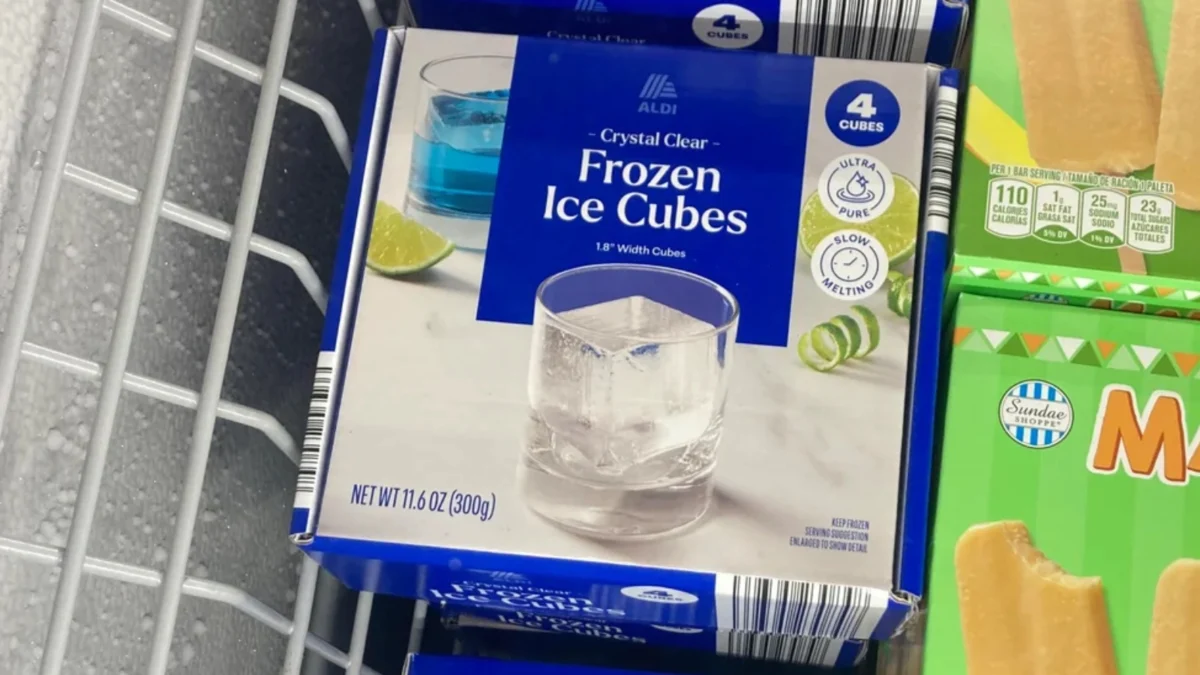
In the world of modern convenience, the line between innovation and absurdity is often thin. This week, that line blurred significantly at Aldi, the discount grocery giant, where a new product has ignited a firestorm of debate across social media. The item in question? A box of four "Crystal Clear Frozen Ice Cubes," retailing for $4.99.
The product, which appears in the freezer section alongside frozen vegetables and discounted treats, has become the subject of a viral Reddit thread that has left consumers polarized. As shoppers grapple with the idea of paying a premium for a commodity that is literally available at home for the cost of tap water and electricity, the incident has highlighted a growing shift in consumer behavior toward "convenience-luxury" products.
The Viral Spark: A Snapshot of the Reddit Backlash
The conversation began on the r/Aldi subreddit, where a user posted a photo of the product—four large, 1.8-inch cubes sealed in sleek packaging. The original poster cheekily asked, "Thoughts on the new Aldi ice cubes? Are they yummy?"
The response was immediate and overwhelming. Within hours, the post had garnered thousands of upvotes and hundreds of comments. The discourse ranged from genuine curiosity to scathing mockery. For many, the very idea of buying ice was the ultimate indicator of "late-stage capitalism." Others, however, viewed it as a clever solution to a problem they hadn’t realized was being marketed to them: the quest for the perfect cocktail.
Chronology of the "Clear Ice" Trend
To understand why a grocery store would stock a product that most people believe they can make for free, one must look at the evolution of home mixology.
- The Rise of Craft Cocktails (2010s): As the craft cocktail movement exploded in the United States, high-end bars began standardizing the use of "clear ice." Unlike cloudy, white ice produced by standard home freezer trays, clear ice is dense, aesthetically pleasing, and melts significantly slower due to the lack of trapped air bubbles and impurities.
- The Home Enthusiast Gap (2018–2022): Home bartenders began attempting to replicate bar-quality results. Tutorials on "directional freezing"—a method requiring insulated coolers and specific freezer temperatures—flooded YouTube. For the average consumer, however, the process was deemed too time-consuming and labor-intensive.
- The Commercial Pivot (2023–Present): Seeing an opening in the market, boutique companies began manufacturing pre-packaged clear ice for home delivery. Aldi’s recent stocking of these cubes represents the mass-market adoption of this niche trend. By bringing a specialty product to the aisles of a discount retailer, Aldi is attempting to democratize what was previously a luxury bar experience.
Supporting Data: Why "Clear" Matters
The science behind the debate is sound, even if the price point is contentious. Standard ice cubes created in home trays appear white or cloudy because the freezing process happens from the outside in, trapping dissolved gases and minerals in the center of the cube.
Clear ice, conversely, is typically produced through a process that forces impurities and air to the bottom of the vessel, allowing the remaining water to freeze into a dense, solid structure.
The Functional Benefits:
- Dilution Control: Because clear, large-format cubes are denser, they melt at a slower rate than standard small cubes. For spirits like bourbon or high-end whiskey, this is essential, as it allows the consumer to enjoy the drink while cold without it becoming "watered down" prematurely.
- Aesthetics: In an age of social media, the presentation of a drink is as important as the flavor. A large, clear cube creates a "luxury" aesthetic that standard ice cannot match.
- Purity: The marketing of "ultra-pure" water suggests a cleaner taste profile, free from the metallic or "freezer-burnt" notes that can sometimes permeate standard household ice.
The Economic Implications: Convenience vs. Cost
At $4.99 for four cubes, the price per unit is roughly $1.25. For a consumer who considers ice a "utility," this is an astronomical markup. However, retail analysts suggest that Aldi is not selling water; they are selling time and expertise.
"We have seen this pattern before," notes retail strategist Dr. Elena Vance. "Think of the bottled water industry in the 1990s. People were baffled that anyone would pay for water that came out of a tap for free. Yet, convenience won out. Today, we see pre-peeled oranges in plastic shells and pre-cut vegetables. The Aldi ice cubes are simply the latest iteration of the ‘convenience tax’—a price point some are willing to pay to avoid the effort of prepping, freezing, and storing specialty items."
The "Bottled Water" Comparison
During the online debate, several users drew direct parallels to the bottled water industry. "I get some people think it’s a joke, but I also remember when people thought bottled water was a joke," one commenter noted. This perspective suggests that while the product may seem unnecessary to the masses, it serves a specific demographic of host-minded individuals who want to provide a professional-grade experience without the hassle.
Official Responses and Corporate Strategy
Aldi, known for its rapid turnover of limited-time items (the "Aldi Finds" program), has not issued a formal press release regarding the ice cubes. However, their strategy is clear. By introducing polarizing items, the company generates significant organic social media engagement.
The ice cubes sit alongside a broader trend of Aldi diversifying its inventory to capture the "lifestyle" shopper. Just weeks prior, the retailer launched a series of "mystery blind boxes" containing a mix of snacks, protein supplements, and grocery items. The boxes sold out in minutes, proving that Aldi’s strategy of creating "scarcity-driven" retail experiences is working.
By positioning the ice cubes as a specialty item rather than a pantry staple, Aldi effectively shields itself from criticism about the price. If it doesn’t sell, it will simply be rotated out of the freezer for the next item in the "Aldi Finds" catalog.
Consumer Sentiments: Is It Worth It?
The divide among shoppers remains deep. On one side are the pragmatists:
- "It’s just frozen water. I have a tray in my freezer that does the same thing for zero dollars."
- "Unless you are hosting a gala for the elite, this is a waste of money."
On the other side are the proponents of the "experience economy":
- "I’m actually going to buy a box. For a Friday night drink, $5 is cheaper than a cocktail at a bar, and it makes my glass look great."
- "It’s about the aesthetic. Not everything in life has to be about maximum cost-efficiency."
Implications for the Future of Grocery Retail
The "ice cube controversy" serves as a microcosm for the future of grocery retail. As traditional supermarkets face stiff competition from online delivery services and meal-kit providers, brick-and-mortar stores are looking for ways to make shopping "an event."
- The Rise of "Instagrammable" Groceries: Retailers are increasingly stocking items that look good on camera. Whether it’s specialty produce, unique packaging, or "premium" versions of everyday items, the goal is to get shoppers to share their finds online.
- Hyper-Specialization: By offering "bartender-quality" ice, Aldi is positioning itself as a destination for more than just budget groceries. They are entering the space once reserved for high-end liquor stores or gourmet food markets.
- The Convenience Gap: As more people work from home and entertain at home, the demand for "elevated" home supplies is likely to grow. The success of this product will likely determine whether we see a wave of "premium ice" products in other major chains like Walmart or Kroger.
Conclusion
Whether Aldi’s crystal-clear ice cubes are a stroke of retail genius or a testament to the absurdity of modern consumerism depends largely on the shopper’s perspective. For the purist, it is an unnecessary expense. For the entertainer, it is a convenient, albeit premium, solution to the limitations of home appliances.
Ultimately, the viral nature of the debate confirms one thing: people are paying attention. In an era where grocery shopping has become a mundane chore, Aldi’s ability to turn a box of frozen water into a nationwide conversation is, in itself, a masterclass in retail marketing. As the inventory clears from the freezer shelves, it is clear that for many, the price of "perfection" is, indeed, five dollars.


 Nana Wu
 Nana Muazin