Jia Lissa
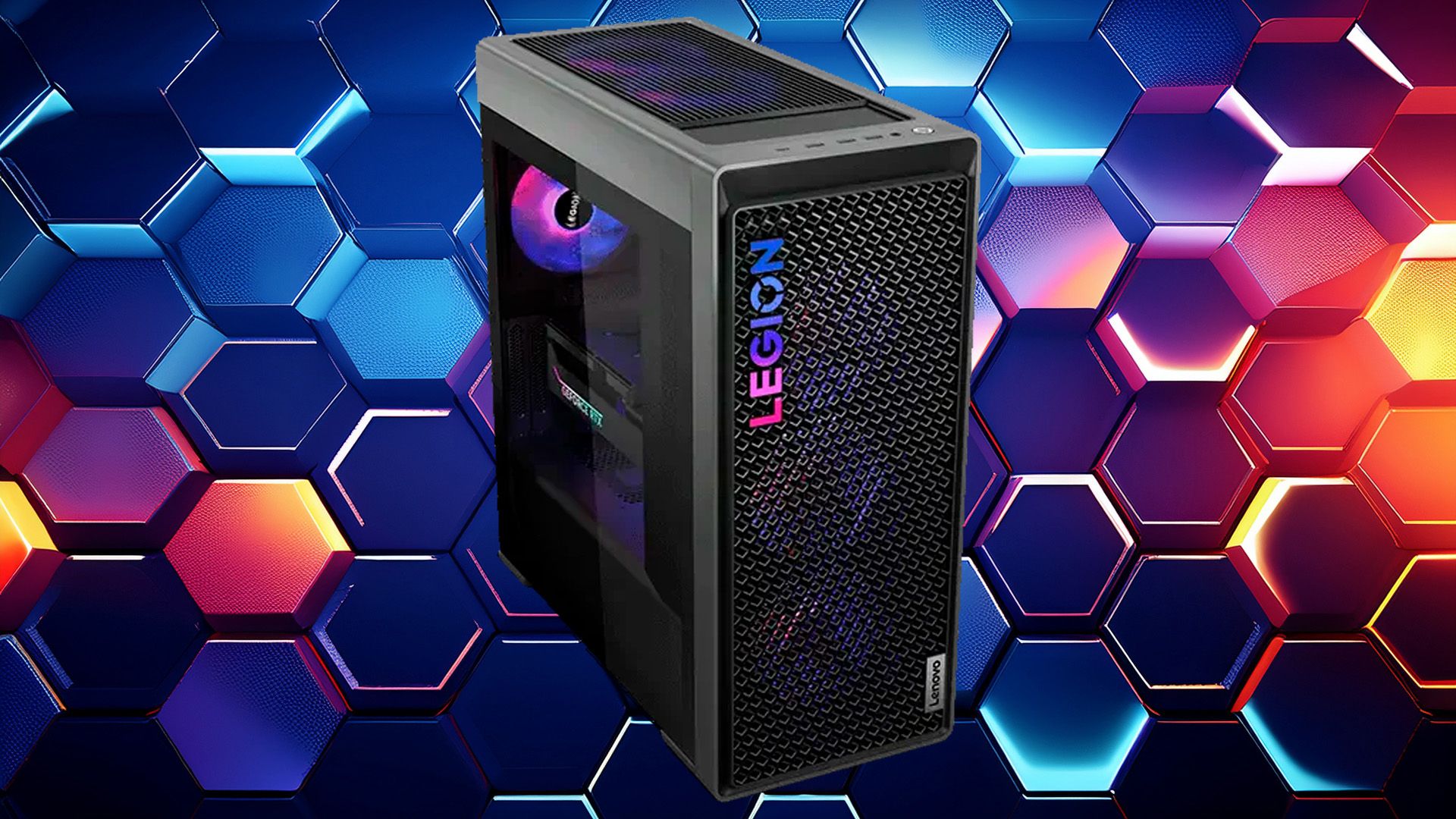
In an era where the rising costs of individual components—specifically high-speed DDR5 memory and high-capacity NVMe storage—have made DIY PC building a surprisingly expensive endeavor, prebuilt systems are undergoing a renaissance. Lenovo, a titan in the desktop computing space, is leaning into this trend with an aggressive, limited-time promotion on its flagship gaming rig: the Legion Tower 7i Gen 10. With a massive 33% discount, consumers can now secure a top-tier enthusiast machine while saving upwards of $1,430, making it a compelling alternative for those who want flagship performance without the logistical headache of sourcing parts.
Main Facts: The Anatomy of a High-End Rig
The Legion Tower 7i Gen 10 is not merely a gaming desktop; it is a meticulously engineered powerhouse designed to dominate the current gaming landscape. At the heart of the system sits the Intel Core Ultra 7 265K processor. This chip features a hybrid architecture with 20 cores and a maximum boost clock speed of 5.5 GHz, ensuring that whether the user is rendering 4K video, streaming high-fidelity content, or tackling the most demanding AAA titles, the CPU remains a formidable foundation.
Complementing this processing power is the NVIDIA GeForce RTX 5080, a GPU that sits comfortably at the top of the performance hierarchy. This combination allows for seamless 4K gaming, high refresh rates, and robust support for advanced features like ray tracing and DLSS (Deep Learning Super Sampling). Unlike many prebuilt competitors that attempt to shave costs by pairing a high-end GPU with entry-level RAM or storage, Lenovo has opted for a "no-compromises" approach. The system arrives equipped with 32GB of DDR5-5600 RAM, providing ample overhead for modern multitasking, and a 2TB PCIe 4.0 SSD that offers both massive capacity and rapid read/write speeds, effectively eliminating the bottlenecking often found in "budget-premium" configurations.
A Brief Chronology: The Evolution of the Legion Tower Series
To understand the significance of the Gen 10, one must look at the trajectory of the Legion brand. When Lenovo first entered the enthusiast desktop market with the Legion T-series, they were primarily seen as reliable office-to-gaming transitions. However, over the last several years, the product line has shifted from "capable" to "elite."
- Generations 1–4 (Foundational Years): Focused on entry-level accessibility, these models utilized standardized OEM chassis and mid-tier cooling, prioritizing reliability over overclocking capabilities.
- Generations 5–8 (The Shift to Enthusiast): Lenovo began incorporating liquid cooling, standard ATX-compatible internal components, and improved thermal airflow, signaling a move toward the high-end enthusiast segment.
- Generation 9: Introduced the refinement of the current aesthetic, moving toward a more industrial, glass-paneled design that prioritized both visual appeal and cable management.
- Generation 10 (The Present): The current iteration represents the culmination of this evolution. By integrating the Core Ultra 7 265K and the latest generation of RTX 50-series graphics, the Gen 10 marks the first time a Legion desktop is truly competitive with top-tier, custom-built boutique PCs in terms of raw thermal management and power density.
Supporting Data: Why Prebuilts Are Challenging the DIY Market
The prevailing wisdom for the last decade was that building your own PC was always cheaper. However, the market has shifted in 2024 and 2025. According to current component pricing trends, purchasing a high-end GPU like the RTX 5080, an Intel Core Ultra 7 265K, 32GB of DDR5, a 2TB Gen4 SSD, a 360mm AIO cooler, and a high-efficiency power supply unit (PSU) separately often results in a total build cost that fluctuates between $3,200 and $3,500.
Lenovo’s current offer of $2,899.99 for this configuration represents a significant deviation from these norms. When factoring in the "hidden" value of prebuilt systems—namely, the included Windows 11 Pro license, a fully tested chassis, pre-installed drivers, and the inherent benefit of a single-source warranty—the value proposition becomes even more pronounced. The 33% discount is not just a seasonal sale; it is a strategic maneuver by Lenovo to capture the market share of enthusiasts who are currently deterred by the volatile pricing of individual GPU components.
Thermal Engineering and System Stability
One of the most common criticisms of prebuilt gaming PCs is poor airflow and thermal throttling. The Legion Tower 7i Gen 10 addresses this through a high-performance 360mm AIO (All-in-One) liquid cooling solution. With a cooling capacity rated up to 250W, the system is specifically designed to keep the Core Ultra 7 265K within optimal temperature ranges even under sustained 100% load.
Beyond the CPU, the chassis design emphasizes positive pressure, which helps keep dust buildup to a minimum while pushing hot air out of the rear and top exhaust ports. The motherboard integration also ensures that the high-speed components are effectively managed by modern power delivery systems (VRMs), providing stability that is often lost in "cheap" DIY motherboards. Furthermore, the inclusion of Wi-Fi 6E and Bluetooth 5.3 ensures that the machine is future-proofed for high-bandwidth wireless networking and low-latency peripheral connectivity.
Official Responses and Strategic Implications
Lenovo’s decision to offer such a steep discount on a top-tier product serves as a barometer for the broader PC industry. Industry analysts suggest that major manufacturers are responding to a saturation in the "standard" PC market by aggressively discounting flagship units to drive volume and brand loyalty.
In a brief statement regarding their current retail strategy, Lenovo representatives highlighted that their goal is "to provide an uncompromised enthusiast experience that removes the barrier of entry for gamers who are intimidated by the complexity of modern PC assembly." By bundling in value-added services, such as a three-month subscription to Xbox PC Game Pass with EA Play, Lenovo is betting that the user experience—from the moment the box is opened to the first time they launch a game—will create a "sticky" customer base that will return for future upgrades and accessories.
Implications for the Gamer: What You Need to Know
If you are a prospective buyer, the implications of this deal are twofold.
First, the immediate benefit is the acquisition of a high-end machine that is ready for 4K gaming right out of the box. With over 100 titles available through the included Game Pass subscription, the value is immediate.
Second, the long-term implication is the ease of maintenance. Because the Legion Tower 7i utilizes standard components, it is not a "black box" system. Users who want to upgrade their RAM, add more storage, or eventually swap out a GPU in three to five years will find that the internal layout is modular and accessible. This dispels the old myth that prebuilt computers are "disposable."
For those who have been holding off on a new build due to the high cost of entry, this represents a rare window of opportunity. The Legion Tower 7i Gen 10 bridges the gap between the convenience of a turnkey system and the performance of a custom enthusiast build. Whether you are a competitive gamer looking for high frame rates or a content creator needing a reliable workstation, the current price point makes this machine one of the most logical investments in the current market.
For those seeking to maximize their budget further, consider pairing this purchase with a high-refresh-rate gaming monitor or a specialized mechanical keyboard, as the savings from this deal provide ample room to complete a full high-end desk setup.


 Nana Muazin