Evan Lee Salim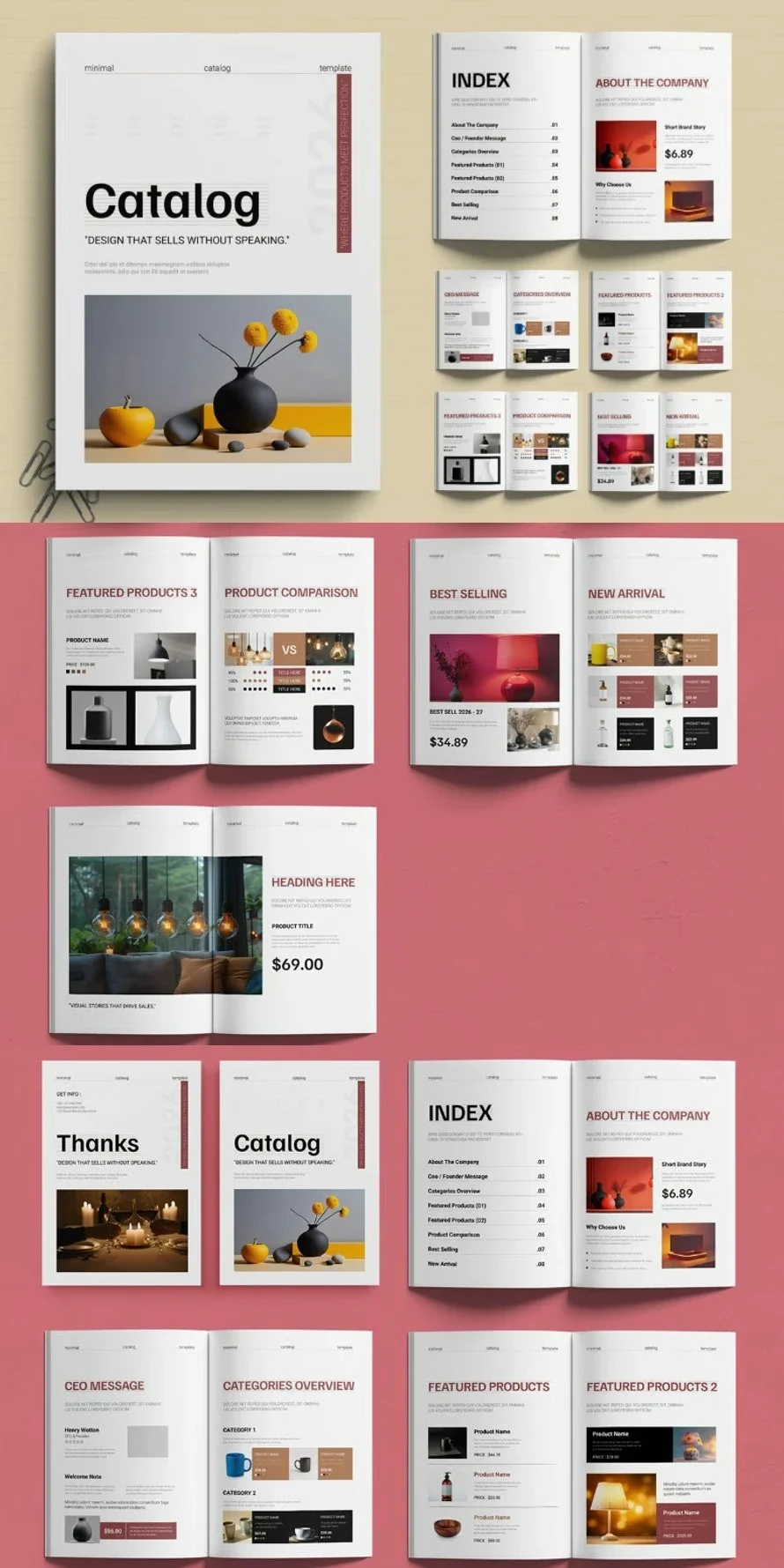
In the competitive world of interior design and furniture retail, the medium is just as important as the message. A furniture catalog is more than a list of items; it is a curated narrative that invites the customer into a lifestyle. Today, high-quality, professionally crafted brochure templates are serving as the backbone for brands looking to bridge the gap between digital convenience and the tactile allure of physical design.

Main Facts: The Power of Visual Storytelling
A well-structured furniture catalog brochure acts as a silent salesperson. By providing a clear, aesthetically pleasing view of products, brands can effectively showcase sofas, tables, beds, and home accessories without overwhelming the consumer.

Modern design trends dictate that "less is more." Minimalist brochure templates are currently dominating the market because they strip away unnecessary decoration, allowing the product photography—the hero of the catalog—to speak for itself. These templates offer a strategic balance of whitespace, high-resolution imagery, and concise, informative text. This structure is essential for enabling customers to compare different pieces, analyze dimensions, and digest pricing information quickly.

Chronology: The Evolution of the Product Catalog
The journey of the furniture catalog has shifted dramatically over the past decade.

- Pre-2015: Catalogs were often dense, text-heavy, and cluttered with excessive imagery, making it difficult for the consumer to focus on individual items.
- 2018–2020: The rise of professional, downloadable templates began to standardize the quality of retail materials. Brands started prioritizing clean grids and standardized typography to mimic high-end editorial magazines.
- 2021–2023: A pivot toward "Eco-minimalism" and digital-first design emerged. Templates were optimized not just for print, but for high-definition digital sharing, social media carousels, and interactive PDF formats.
- 2024–Present: The current standard involves fully editable, layer-based assets (such as those for Adobe InDesign) that allow small-to-medium businesses to achieve a "luxury" look at a fraction of the traditional agency cost.
Supporting Data: Why Layout Matters
Market analysis indicates that consumers retain information better when it is presented in a structured visual hierarchy. For furniture brands, the conversion rate is directly tied to the clarity of the presentation.

- Readability: Modern templates utilize "strong typography," which guides the reader’s eye from the product name to the price, and finally to the dimensions.
- Versatility: The modern catalog is a hybrid tool. It must look crisp on a high-end matte print finish and remain legible on a smartphone screen.
- Customization: Brands that utilize templates with master pages and paragraph styles can reduce their production time by up to 70%. This efficiency allows for seasonal catalog updates, ensuring that the latest furniture trends are always in front of the consumer.
The Curated Collection: 27 Essential Templates
To assist designers and retail managers, we have identified a selection of top-tier templates that are shaping the industry. These range from bifold brochures to comprehensive, multi-page catalogs.

The "Gold Standard" for Modern Branding
- Catalog Brochure Template (L1): Renowned for its refined premium look, this template is the benchmark for high-end interior brands.
- Eco-minimalist Furniture Brochure (L2): Ideal for sustainable brands, focusing on natural textures and earthy tones.
- Furniture Catalogue Bifold (L3): A compact, efficient choice for boutique showrooms focusing on a limited range of products.
Specialized Layouts for Diverse Needs
- Interior Catalog Brochure Template (L4/L5): These are designed specifically for interior design firms that need to show the context of the furniture within a room.
- Product Catalog Layout (L6/L9): These templates prioritize the product grid, making them perfect for retailers with a wide inventory of items.
- Minimalist Furniture Catalog Magazine (L19): For brands that want their catalog to function like a lifestyle magazine, offering editorial-style layouts rather than just a price list.
Advanced Design Solutions
- Landscape Designs (L12/L21/L24): Landscape orientations are increasingly popular for digital tablets and wide-screen desktop viewing, providing a cinematic experience for the user.
- Sage Green/Nature-Inspired Templates (L26): A direct reflection of current design trends, these templates use color psychology to convey comfort and reliability.
Official Perspectives: Industry Experts on Design
Designers often emphasize that a catalog should not just display furniture; it should offer a solution to a space problem. "When a customer picks up a brochure," notes one industry analyst, "they are looking for a vision. They want to see how that chair fits in their living room. If the layout is cluttered, they lose that emotional connection."

Professional designers recommend using templates that provide "enough space for images and short text." By utilizing professional assets, companies avoid the common pitfall of amateur design: visual noise. A clean, structured page allows the customer to breathe and process the quality of the craftsmanship being displayed.

Implications: The Future of Furniture Retail
The widespread availability of high-quality templates has lowered the barrier to entry for independent furniture makers and interior decorators. Previously, only large corporations with massive marketing budgets could produce professional-grade catalogs. Today, a small business can download a template, drop in their product photography, and produce a brochure that stands shoulder-to-shoulder with international luxury brands.

The Impact on Consumer Behavior
- Simplified Decision Making: A structured catalog reduces "choice paralysis." By presenting technical details (dimensions, material, origin) in a consistent format across every page, the consumer is empowered to make a logical, informed purchase.
- Digital Integration: As we move further into a digital-first economy, the ability to share a PDF catalog that is as visually stunning as a physical print piece is critical.
- Brand Authority: Consistency in layout and typography reinforces the brand’s identity. Every page of a well-designed catalog is an opportunity to build trust and authority in the furniture market.
Conclusion: Investing in Your Visual Narrative
In the furniture industry, the catalog is your primary storefront. Whether you are launching a new collection of mid-century modern chairs or a high-end line of office desks, the layout you choose dictates how your customers perceive your value.

By leveraging modern, clean, and professional brochure templates, you move beyond merely showing products. You create an experience. As explored in this overview, the right template does the "hard work" for you, balancing sophisticated design with the practical needs of the consumer.

Whether you opt for a minimalist landscape layout, an editorial-style magazine format, or a classic bifold design, the focus must remain on clarity, quality, and the story of the furniture itself. In a world of endless digital distractions, a beautifully crafted, readable, and elegant catalog remains one of the most effective tools for turning a curious browser into a lifelong customer.

Remember: Show every furniture piece with a catalog that speaks through design.

 Siti Muinah
 Laily UPN