Reynand Wu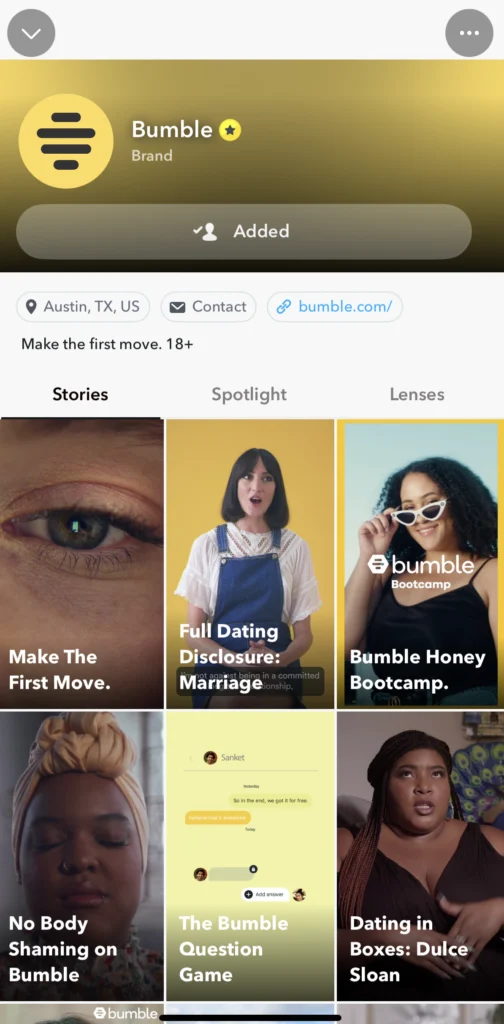
In the evolving landscape of digital marketing, the battle for consumer attention is increasingly fought in the spaces where users feel most comfortable. As of 2025, Snapchat has solidified its position as a digital powerhouse, boasting over 900 million monthly active users. For brands seeking to cultivate genuine trust with Gen Z and younger millennials, the platform offers more than just a social feed; it provides a direct, intimate, and highly engaged ecosystem that traditional social media often fails to replicate.
The Evolution of Ephemeral Marketing: Core Facts
Snapchat marketing is defined by its "ephemeral" nature—content that vanishes after 24 hours. While this may seem counterintuitive to traditional marketing strategies that prioritize evergreen assets, it is precisely this transience that drives success.
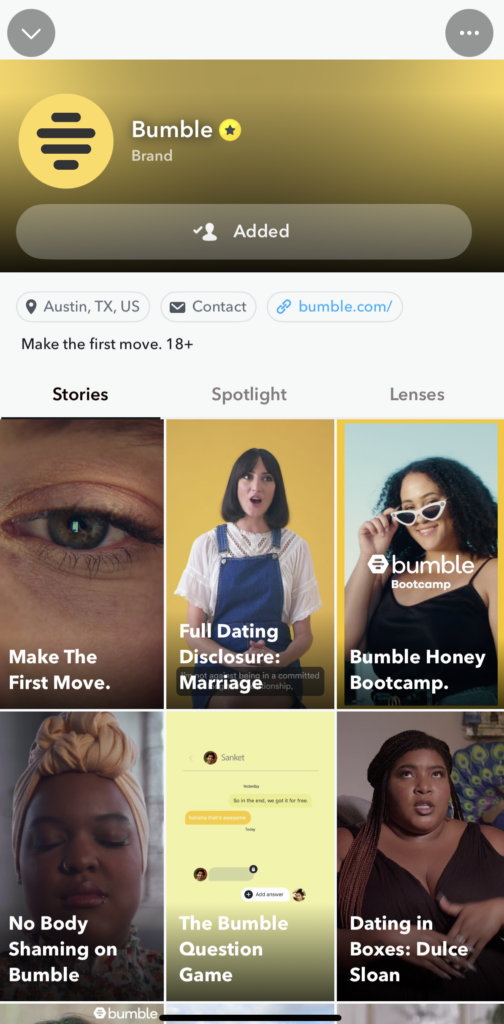
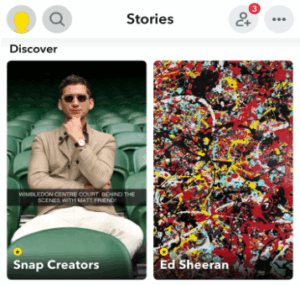
The platform’s core features—Stories, Spotlight, Discover, and AR Lenses—are designed to facilitate spontaneous communication. Unlike platforms that prioritize algorithmic perfection, Snapchat prioritizes "realness." With 90% of 13 to 24-year-olds and 75% of 13 to 34-year-olds reachable via the app in over 25 countries, brands that master the platform are effectively tapping into the daily habits of the world’s most influential consumer cohorts.
Chronology of a Platform Transformation
Snapchat’s journey from a niche messaging app to a marketing juggernaut has been defined by strategic pivots:

- The Early Years (2011–2014): Focused on peer-to-peer intimacy, the app introduced "Stories," effectively creating the ephemeral content category.
- The Advertising Pivot (2015–2018): The introduction of Snap Ads and the Discover feed allowed brands to move from passive awareness to active engagement.
- The AR Revolution (2019–2022): By democratizing Augmented Reality (AR) through Lenses, Snapchat turned the camera into a utility for commerce, allowing users to "try before they buy."
- The Current Era (2023–Present): With the launch of robust Creator Marketplace tools and improved analytics, Snapchat has transformed into a performance-driven engine, focusing on full-funnel marketing from discovery to conversion.
Supporting Data: Why the Numbers Favor Snapchat
The efficacy of the platform is rooted in user behavior. According to the 2024 How We Snap report, users open the application more than 30 times a day. This frequency is significantly higher than that of competing social networks, suggesting that for its core demographic, Snapchat is not merely an app—it is a primary communication tool.
Furthermore, the intimacy of the platform cannot be overstated. 59% of users connect with friends and family on Snapchat more than on any other platform. When a brand enters this space, it is not competing with professional creators or polished influencers; it is entering the user’s personal digital living room. Data suggests that 80% of users claim Snapchat is where they feel they can be their "most authentic and real" selves, a sentiment that correlates directly with higher brand loyalty.
Official Perspectives: The Value of Authenticity
Brand leaders and digital analysts agree: the era of the "over-produced" advertisement is waning. Snapchat’s leadership has long maintained that their platform is an antidote to the "highlight reel" culture of Instagram or the "trend-chasing" nature of TikTok.
"Snapchat is the home of the candid," says one digital marketing consultant. "Brands that succeed here don’t try to look like a polished television commercial. They look like a friend sharing a video. That shift in tone is why the conversion rates for brands using AR Lenses or Sponsored Stories remain consistently high."
Strategic Framework: How to Build Your Presence
To effectively navigate the Snapchat ecosystem, brands must deploy a multi-faceted approach.
1. Defining Objectives and Audience
Before launching a campaign, brands must determine if their goal is awareness (via Discover or Spotlight), engagement (via Lenses), or direct conversion (via Collection Ads). Leveraging Snapchat Insights is critical here; the platform provides granular demographic data, allowing for highly specific targeting by age, location, and behavioral interest.

2. The Power of "Lo-Fi" Content
The most successful brand content on Snapchat is "lo-fi"—unpolished, casual, and timely. Behind-the-scenes footage, unboxing videos, and raw interviews perform better than high-budget studio productions. The goal is to lower the barrier to engagement by appearing relatable.
3. Leveraging AR and Filters
AR Lenses are perhaps the most potent tool in the brand arsenal. When Carhartt launched a gamified Santa Lens, they turned a standard holiday promotion into an interactive experience that users engaged with for an average of 20 seconds. This is not just advertising; it is entertainment. By allowing users to play with a product, brands foster a positive psychological association that drives future intent to purchase.
4. Influencer Collaborations
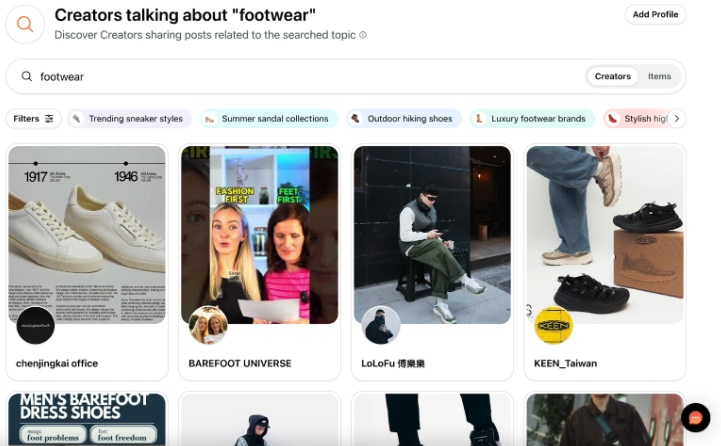
The 2025 State of Influencer Marketing Report indicates that 86% of consumers make purchases inspired by influencers annually. On Snapchat, this is best achieved through "takeovers." By handing over the brand account to a trusted creator, companies can bypass the skepticism that often accompanies traditional sponsored posts.
The Implications for Modern Business
The rise of Snapchat marketing has significant implications for the future of commerce. First, it marks the end of the "set it and forget it" advertising strategy. Because Stories vanish, brands must maintain a consistent, daily cadence of content to stay top-of-mind.

Second, it necessitates a shift in creative resources. Brands must invest in mobile-first, vertical-first design. Horizontal assets cropped to fit a screen are no longer acceptable; campaigns must be conceived from the ground up as vertical experiences.
Finally, the focus on "privacy-first" advertising is a massive advantage. As cookies and third-party tracking face increasing regulatory scrutiny, Snapchat’s focus on contextual and interest-based targeting within its closed ecosystem provides a more stable, future-proof alternative for marketers.

Conclusion: Embracing the Ephemeral
For brands aiming to capture the attention of Gen Z and younger millennials, Snapchat is no longer optional. Its unique blend of intimacy, frequency, and interactive technology creates a marketing environment that is both challenging and incredibly rewarding.
By embracing the transient nature of the platform and focusing on authentic, human-centric storytelling, businesses can transform their Snapchat presence from a simple advertising channel into a cornerstone of their digital strategy. As the platform continues to grow, those who prioritize real-time connection over traditional polish will be the ones to secure long-term loyalty in an increasingly fragmented digital world.

Frequently Asked Questions (FAQ)
Q: Is it expensive to get started on Snapchat?
A: Not at all. Creating a public profile is free. While ad campaigns can scale significantly, you can begin testing with a budget as low as $5 per day, making it accessible for brands of all sizes.
Q: How do I measure success on Snapchat?
A: Success should be measured through Snapchat Insights, focusing on metrics such as "Swipe-Up Rate" for engagement, "Completion Rate" for content resonance, and "Conversions" for bottom-line impact.

Q: Why does ephemeral content drive better engagement?
A: It creates a sense of "FOMO" (fear of missing out). Because the content disappears, users are incentivized to engage immediately rather than scrolling past, leading to higher active participation rates.
Q: What is the biggest mistake brands make on Snapchat?
A: The most common mistake is treating Snapchat like a secondary feed for content repurposed from other platforms. Content must feel "native" to the app—it should be vertical, casual, and designed to fit the user’s personal, daily communication style.

 Nila Kartika Wati
 Iffa Jayyana