Raul Delapena Setiawan
In the modern B2B landscape, the days of "spray and pray" advertising are effectively over. Unlike the impulse-driven world of B2C marketing, where a clever video might trigger an immediate checkout, B2B sales cycles are marathons. A single transaction can involve a dozen stakeholders—from IT managers to C-suite executives—and the journey from initial discovery to closing the contract can span the better part of a year.
As B2B buyers become increasingly digital-first, social media has evolved from a branding "nice-to-have" into a mission-critical infrastructure for earning trust. This guide explores the strategic shift required to succeed in B2B social marketing, where the primary currency is not just clicks, but long-term credibility.

The Paradigm Shift: From Volume to Value
B2B social media marketing is no longer about maximizing vanity metrics like "likes." It is the deliberate use of social channels to promote products and services to other businesses. The target audience has shifted from the broad consumer base to a hyper-specific cohort of decision-makers: founders, department heads, and procurement teams.
The primary objectives for B2B marketers today are clear:

- Building Brand Authority: Establishing the firm as a thought leader in the industry.
- Nurturing Relationships: Maintaining a presence across the long, complex sales cycle.
- Driving Demand: Converting passive observers into qualified leads.
- Supporting Sales Teams: Providing assets that help account executives close high-value deals.
Why B2B Marketing is Inherently Different
The core differentiator of B2B social media is the "Trust-to-Risk" ratio. Because B2B purchases are high-stakes, potential buyers are naturally risk-averse. They are not looking for entertainment; they are looking for proof of competence. Consequently, the strategy must pivot toward long-form educational content, peer testimonials, and transparent, expert-led storytelling.
Strategic Channel Selection: Where the Decision-Makers Reside
The most common mistake in B2B strategy is platform sprawl—attempting to maintain a presence everywhere and succeeding nowhere. The selection of channels must be dictated by where your specific buyers go to learn, compare options, and seek peer validation.
The LinkedIn Supremacy
LinkedIn remains the undisputed heavyweight champion of B2B, with over 1.3 billion users. Crucially, 98% of Fortune 500 CEOs identify it as their primary social platform. However, LinkedIn is a starting point, not an exhaustive strategy.
The Rise of the "Video-First" Buyer
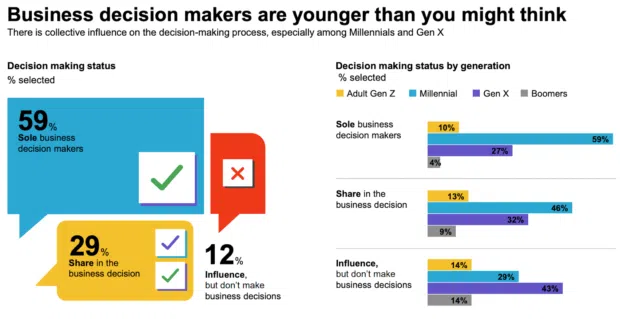
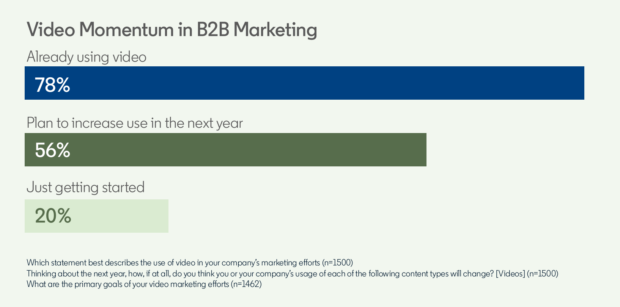
Data indicates that 59% of B2B buying decisions are now led by Millennials, a demographic that favors short-form video consumption. Consequently, 78% of B2B marketers have integrated video into their strategy. Emotional, short-form storytelling—often hosted on platforms like Instagram, YouTube, or even TikTok—is proving to be far more effective than the "polished but forgettable" corporate commercials of the past.
The Rule of Two-to-Three
For most organizations, the most effective approach is to master two or three platforms where your specific audience is active. Once a sustainable workflow is established, only then should you scale to additional networks. Consistency is the primary driver of the algorithmic trust required to reach your audience effectively.
Mapping the Content Funnel: A Tactical Framework
To build a high-performing B2B engine, content must be mapped precisely to the stages of the marketing funnel.

Top of Funnel (TOFU): Awareness
At this stage, the prospect is identifying a problem. Your goal is not to sell, but to be helpful.
- Tactics: Industry commentary, myth-busting carousels, and high-level research insights.
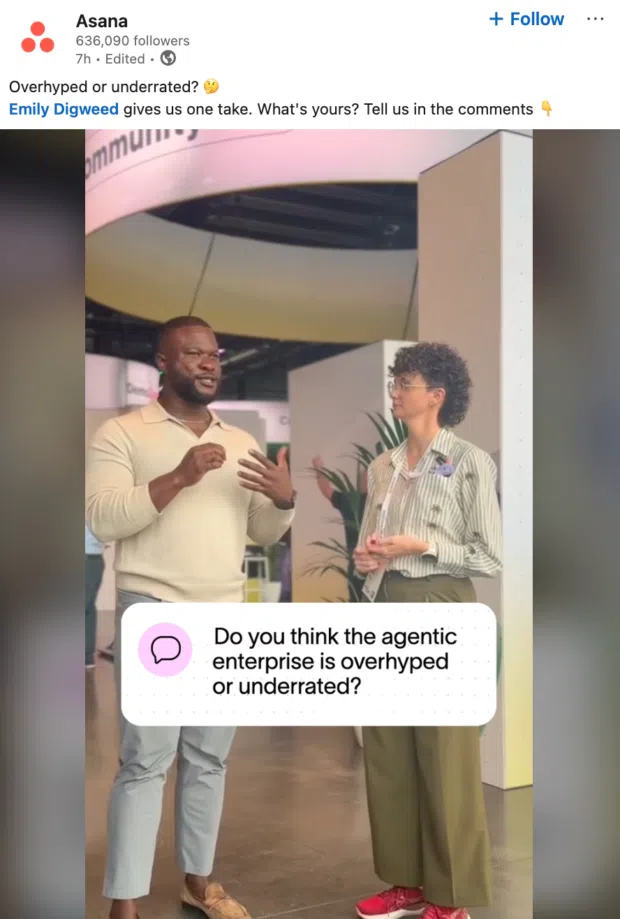
- Example: A software company posting a video asking, "Is the ‘agentic’ enterprise trend overhyped?"
Middle of Funnel (MOFU): Consideration
The buyer knows they have a problem and is now weighing their options. They are looking for technical competence.
- Tactics: Webinars, product explainers, "how-to-choose" guides, and expert interviews.
- Example: A technical deep-dive or a comparison guide showing how your solution stacks up against competitors.
Bottom of Funnel (BOFU): Decision
This is the stage of high-stakes validation. The buyer is looking for evidence that you are a safe, profitable bet.
- Tactics: Case studies, customer testimonials, and objective-handling posts.
- Example: A video interview with an existing client discussing their specific ROI from your platform.
Empowering the Human Element: KOLs and Employee Advocacy
In an age of AI-generated content, human authenticity has become a competitive advantage. Two strategies have emerged as the most effective ways to leverage this:

1. Key Opinion Leaders (KOLs)
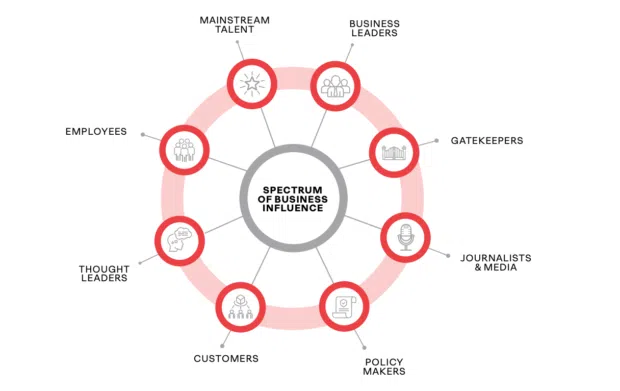
Business influencer marketing is currently seeing massive investment, with 53% of organizations increasing their KOL budgets. Partnering with industry thought leaders provides a layer of credibility that a company’s own branded posts cannot replicate. The most successful campaigns blend "micro-influencers" (who drive high engagement) with "macro-influencers" (who provide wide visibility).
2. Employee Advocacy
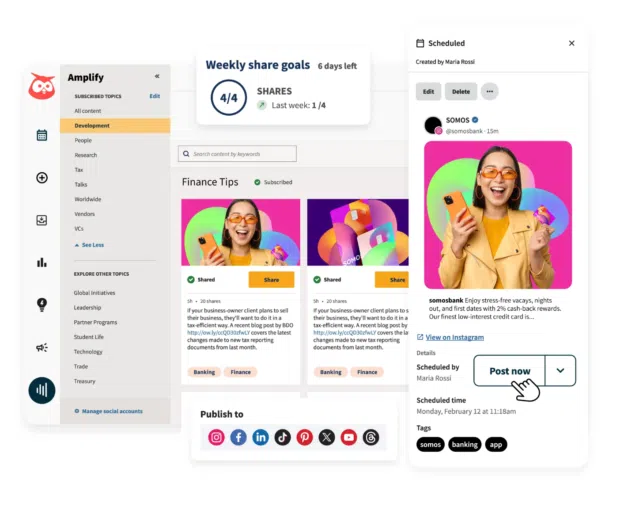
Your employees are your most trusted assets. Research from Hootsuite indicates that employee advocacy programs yield 200% higher click-through rates and 700% more engagement compared to content shared by official company pages. By providing your staff with pre-approved, value-driven content, you transform them into brand ambassadors.

Implications: The "Dark Social" Challenge
A significant portion of B2B interaction happens in "dark social"—the private channels like Slack, Microsoft Teams, DMs, and emails that traditional analytics software cannot track.
Because you cannot track these conversations, you must incentivize sharing. Creating private communities (e.g., LinkedIn Groups or dedicated Slack channels) allows you to move these conversations into environments where you can observe sentiment and engage directly.
Proving ROI: Moving from Vanity to Revenue
The ultimate hurdle for any B2B marketer is proving to the C-suite that social media is a profit center rather than a cost center. To do this, you must move beyond simple engagement metrics.
Advanced Attribution Models
The B2B buyer journey is non-linear. A lead might engage with a LinkedIn post, read a blog, attend a webinar, and then speak to a sales representative. If you only credit the last touchpoint, you undervalue your social efforts. Adopting a multi-touch attribution model is essential for capturing the true contribution of your social media activities.
The Role of Benchmarking
Benchmarking is the act of taking regular, longitudinal snapshots of your performance. If your follower count is rising but your engagement rate is flat or declining, you have a signal that your content is not resonating. By tracking these trends annually and comparing them against industry benchmarks, you can justify your budget and pivot your strategy with data-driven confidence.
Reporting to Executives: The Language of Money
When presenting your findings to leadership, avoid technical jargon. Instead:

- Connect social metrics to pipeline: Show the correlation between social engagement and Marketing Qualified Leads (MQLs).
- Calculate Cost-Per-Acquisition (CPA): Demonstrate how social media lowers your overall cost of acquiring a customer compared to paid search or cold outreach.
- Highlight Trust Dividends: Use social listening data to show how your brand sentiment impacts the sales cycle duration.
Conclusion: The Path Forward
B2B social media is no longer a peripheral activity; it is a fundamental pillar of modern business development. By aligning your social strategy with the realities of the long, trust-based sales cycle, you can move your organization from shouting into the void to building a reliable, revenue-generating engine.
Success in this space requires patience, a commitment to high-value educational content, and the integration of your social efforts with your broader demand generation and sales teams. As the digital landscape continues to evolve, the brands that win will be those that view social media not as a marketing channel, but as a long-term partnership with their audience.


 Pevita Pearce
 Sagoh
Sagoh