Dwi Wanna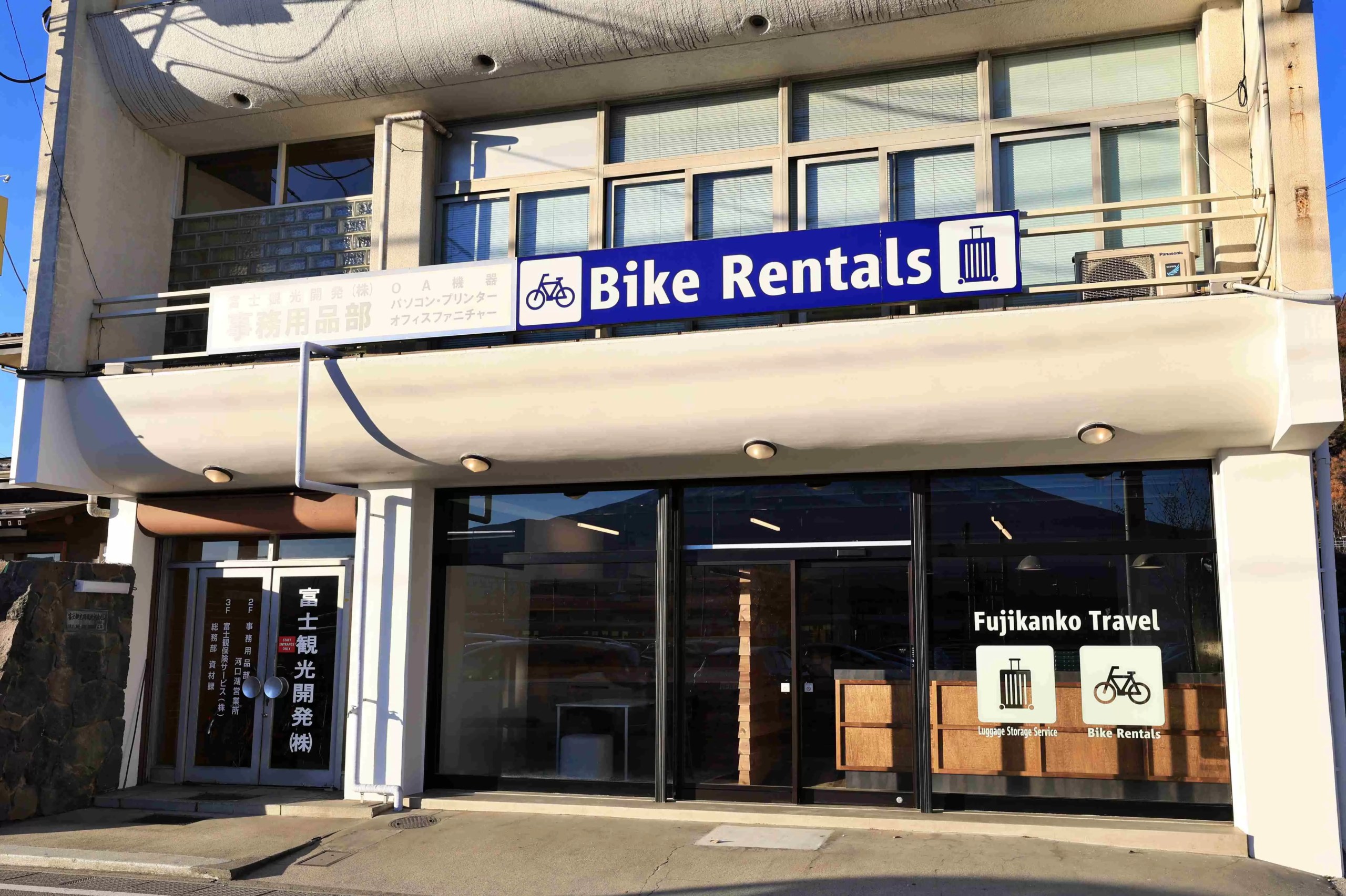
As Japan continues to draw record-breaking numbers of international visitors, the iconic Mt. Fuji region remains the crown jewel of the national tourism circuit. However, navigating the sprawling geography of the Fuji Five Lakes area can be daunting for travelers unfamiliar with local transit. To bridge this gap, Fujikanko Travel, a premier agency located directly at Kawaguchiko Station, has introduced a comprehensive suite of "Sightseeing Taxi Tours." Designed with transparency and convenience at their core, these services aim to redefine how visitors interact with the UNESCO World Heritage site and its surrounding natural wonders.

The Genesis of the Sightseeing Taxi Initiative
For years, international travelers have provided consistent feedback to local tourism boards: while the beauty of the Mt. Fuji area is unparalleled, the logistics of independent travel—such as fluctuating taxi fares, language barriers, and the complexity of regional bus schedules—often hindered the experience.
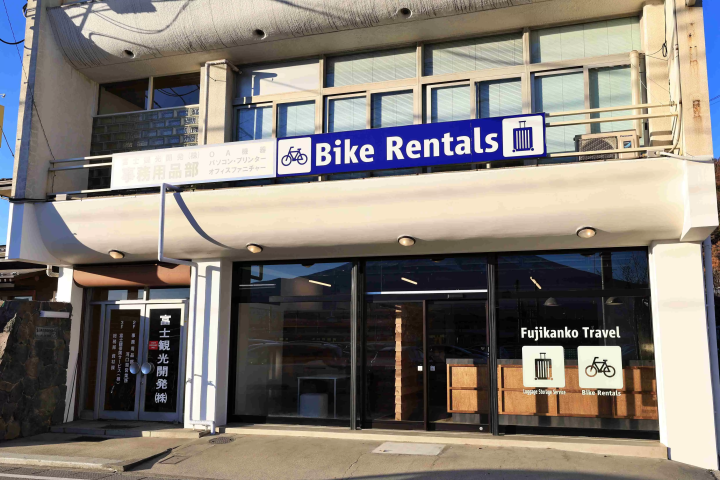
Fujikanko Travel, long established as a hub for regional tourism, addressed these concerns by developing a series of structured, pre-priced, and time-efficient taxi plans. By removing the guesswork from transportation, the agency allows tourists to focus on the cultural and natural immersion that the Fuji region promises. Whether it is a quick three-hour excursion to the mountain’s mid-point or an intensive eight-hour exploration of the entire lake district, these tours are crafted to provide a seamless, stress-free journey.

Chronology of the Experience: From Arrival to Exploration
The journey begins at the Fujikanko Travel office, conveniently situated in front of the Kawaguchiko Station on the Fujikyu Railway Line. For those arriving by train or bus, the transition to a guided tour is immediate.

Phase 1: The 180-Minute Ascent (Mt. Fuji 5th Station)
The most popular entry point for visitors is the three-hour "Mt. Fuji 5th Station and Okuniwa Nature Park" course. Guests are transported via the Fuji Subaru Line to the 5th Station, an altitude of 2,300 meters. This location serves as the gateway for climbers but is equally accessible for casual sightseers. The tour includes a stop at the Okuniwa Nature Park, where a 45-minute walking trail provides a tranquil, garden-like atmosphere—a stark, beautiful contrast to the rugged volcanic terrain elsewhere on the mountain. Visitors can observe rare alpine flora and, on clear days, witness the breathtaking "sea of clouds" that frequently envelops the lakes below.

Phase 2: Cultural Immersion (Oshino Hakkai and Nijumagari Pass)
For those interested in the historical and spiritual legacy of the region, the "Oshino Hakkai and Nijumagari Pass" course offers a 180-minute deep dive into traditional Japanese life. Oshino Hakkai, a designated National Natural Monument and a component of the Mt. Fuji World Heritage site, consists of eight spring-fed ponds. Historically, these waters were sites of ritual purification for Fuji-ko worshippers before their ascent. The tour culminates at the Nijumagari Pass Observation Terrace, a 1,150-meter-high vantage point that offers one of the most spectacular, unobstructed views of Mt. Fuji.

Phase 3: The Grand Circuit (8-Hour Fuji Five Lakes Tour)
For visitors with limited time who wish to maximize their exposure to the region, the comprehensive eight-hour luxury tour covers the most significant landmarks, including:

- Kitaguchi Hongu Fuji Sengen-jinja Shrine: A 1,900-year-old spiritual sanctuary known for its solemn, ancient cedar forests.
- Lake Yamanakako: Specifically the Nagaike Waterfront Park, offering a mirror-like reflection of the mountain.
- Arakurayama Sengen Park: Famous for the iconic five-story pagoda framed by Mt. Fuji.
- Saiko Iyashi-no-Sato Nenba: A reconstructed village of 20 traditional thatched-roof houses, offering a window into rural Japanese life as it existed before the 1966 typhoon disaster.
- Narusawa Koyodai: A panoramic observation deck providing 360-degree views of the Aokigahara Jukai forest and the surrounding lakes.
Supporting Data: Fleet and Logistics
Fujikanko Travel has structured its pricing to accommodate groups of varying sizes, ensuring that the cost-per-person remains competitive for families and small tour groups.
| Vehicle Type | Capacity | Typical Tour Fare Range |
|---|---|---|
| Standard Sedan | 4 Passengers | 24,000 – 64,000 JPY |
| Minivan | 6 Passengers | 24,000 – 64,000 JPY |
| Large Wagon | 8 Passengers | 27,000 – 72,000 JPY |
Note: Fares include toll road fees where applicable. Reservations must be finalized at least 48 hours in advance via the official Fujikanko Travel website.

Official Perspectives and Customization
According to the management at Fujikanko Travel, the primary goal of these taxi tours is "clarity." By publishing fixed rates and predefined routes, they eliminate the "meter anxiety" that often plagues foreign tourists in Japan.

However, the agency emphasizes that these packages are merely templates. "We can also create a special plan tailored to your needs if you let us know in advance where you would like to go," a representative stated. This flexibility allows for specialized itineraries, such as professional photography tours, architectural tours, or seasonal flower-viewing excursions.

Furthermore, the agency recognizes the unpredictable nature of alpine weather. The official policy is clear: if local authorities or the agency determine that road conditions—particularly on the Fuji Subaru Line—are unsafe due to heavy rain, snow, or high winds, the company reserves the right to cancel tours to ensure passenger safety. In such cases, the transparent nature of their booking system ensures that clients are notified and refunded in accordance with safety protocols.

Broader Implications for Regional Tourism
The success of these sightseeing taxis reflects a broader shift in the Japanese tourism industry. Rather than relying on mass-transit bus tours that force travelers into a "one-size-fits-all" schedule, the rise of private, flexible taxi tours signals a move toward high-value, personalized travel.

This is particularly critical for the Fuji region, where the influx of visitors can lead to significant overcrowding at bus stops and rail stations. By utilizing private taxis, tourists not only enjoy a higher level of comfort but also distribute themselves more effectively across secondary, less-congested sites like the Saiko Iyashi-no-Sato village or the Nijumagari Pass, rather than bottlenecking at the 5th Station.

Beyond the tours, Fujikanko Travel continues to serve as an essential service hub. Their offerings—which include bicycle rentals (from 600 JPY/hour) and luggage storage—allow travelers to treat the agency as a "base camp." This holistic approach—combining logistics, transport, and cultural guidance—is likely to set the standard for regional tourism agencies across Japan in the coming years.

Practical Advice for Prospective Visitors
For those planning to utilize these services, the following tips are recommended:

- Book Early: Given the high demand for private transport in the Fuji area, the two-day advance reservation window should be treated as a minimum. For peak seasons, such as cherry blossom time or the autumn foliage season, booking weeks in advance is highly advised.
- Combine Services: If you are arriving early in the morning, consider renting a bicycle for a few hours to explore the immediate vicinity of Lake Kawaguchiko before embarking on your afternoon taxi tour.
- Check for "Fixed-Rate" Transfers: If your travel plans extend beyond the Five Lakes area, ask about the "Fixed-Rate Taxi Transfer" plans to Mishima Station, Hakone, or Gotemba Premium Outlets. These are often more cost-effective than public transit for groups of three or more.
In conclusion, Fujikanko Travel’s sightseeing taxi program transforms a trip to Mt. Fuji from a logistical challenge into an intimate exploration. By blending professional service with the freedom of private transport, they have ensured that the mountain remains accessible, understandable, and deeply memorable for every visitor.


 Neng Nana
 Asro
Asro