Sagoh
Sagoh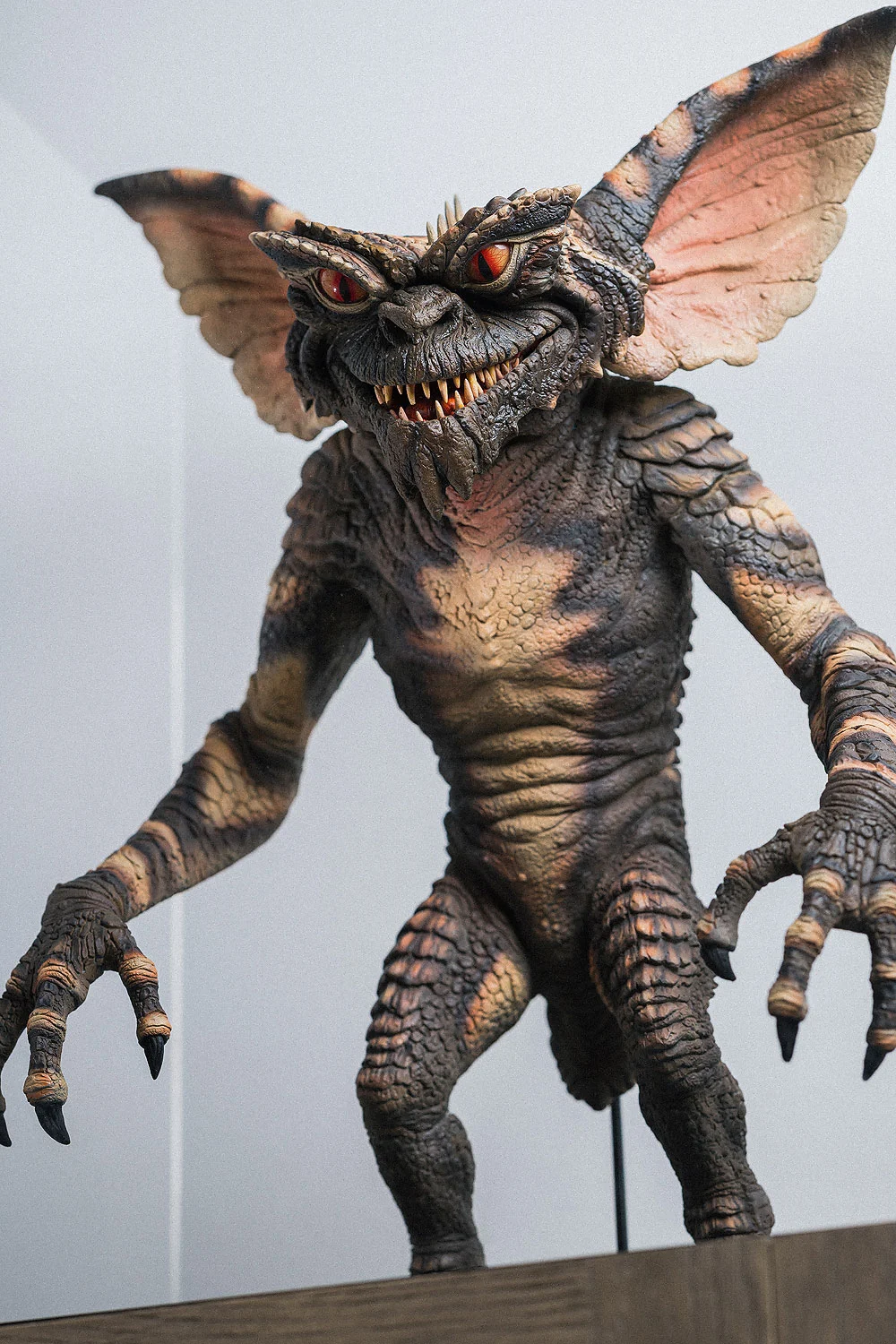
On the evening of April 30, a handpicked audience of contemporary horror’s most influential voices—including directors Brian Duffield, Dan Berk, and Robert Olsen, and screenwriters like Akela Cooper—gathered at the Verve screening room in Hollywood. They had been lured by an invitation that promised an experience no one else on Earth had enjoyed in over four decades. The promise was simple: witness a version of Joe Dante’s 1984 masterpiece Gremlins that had never been seen by the public.
When the lights dimmed, the audience wasn’t treated to the tightly paced, 106-minute theatrical cut that defined the summer of 1984. Instead, they watched a sprawling, two-hour-and-45-minute assembly cut—a rough, raw, and revelatory artifact of cinema history. The screening, which featured extended sequences, excised subplots, and early character beats, served as a masterclass in the evolution of a blockbuster, turning the clock back to the film’s very first draft of assembly.
The Archival Detective: Ian Grant and the Gremlins Museum
The resurrection of this "lost" film is the crowning achievement of Ian Grant, an obsessive film historian and the founder of the Gremlins Museum. While many fans collect posters or toys, Grant has dedicated his life to the preservation of the physical history of the franchise. His online repository is the world’s most comprehensive archive of original Gremlins props, puppets, and behind-the-scenes documentation.
For Grant, the museum is not merely a hobby; it is a mission to honor the practical-effects artists who brought the Mogwai to life in an era before digital dominance. "I have vivid memories of riding my bike as a kid and wondering how someone could possibly buy one of these creatures from the movies," Grant says. "That fascination never really left me. Around 2020, one of the rarest first-movie puppets more or less fell into my lap, which really got the wheels spinning hard. I think every once in a while, you have those little moments in life that strongly push you in a direction."

Chronology of a Discovery: From VHS to the Silver Screen
The path to the Verve screening began in February 2026, sparked by a conversation between Grant and Chris Walas, the legendary creature creator behind the film’s iconic practical effects. Walas recalled that the original "Dorry’s Tavern" sequence—the pivotal scene where the creatures wreak havoc—was significantly more extensive in the initial assembly, containing nearly 20 minutes of footage that never made it to the final cut.
Intrigued, Grant reached out to Joe Dante, the director of the film, asking if such footage still existed. "I figured he was probably just being nice," Grant recalls of his initial inquiry. "A few days later, though, he got back to me with a pretty incredible discovery from his personal archive: a VHS tape labeled ‘11/23/83 – Gremlins 1st Assembly.’"
Dante, lacking a functional VCR, sent the tape to Grant. Upon receiving the package, Grant discovered it contained two items: the first assembly and a second cassette of rare outtakes. This set the stage for a months-long, painstaking restoration process. Grant enlisted a professional media preservation firm in Seattle to digitize the tapes, knowing that 40-year-old magnetic tape is notoriously volatile. To his relief, the footage was not only intact but served as a "treasure trove" of material that had been lost to the cutting room floor for generations.
Technical Hurdles: Reconstructing a Masterpiece
Once the footage was digitized, Grant faced a monumental challenge. The raw assembly was exactly that: raw. It lacked a finalized musical score, possessed unfinished creature sound effects, and suffered from the persistent audio hum inherent to 1980s-era VHS technology.

"That’s really what got the Screening Cut started," Grant explains. "The idea was to clean up the video and audio, uprez it to at least 2K, isolate the creature sounds and score from the theatrical cut, and then re-edit the entire movie into something that preserved the content but could actually play for an audience."
The restoration required a surgical approach:
- Audio Restoration: Grant had to navigate the constant tape hiss and replace placeholder dialogue audio.
- Creature Sound Design: The rough cut utilized early, jarring placeholder sounds for Gizmo and his malevolent kin. Using modern audio tools, Grant painstakingly isolated the finalized creature performances from the theatrical master and synced them with the extended footage.
- Score Reconstruction: Jerry Goldsmith’s legendary score was timed to the exact beats of the final 106-minute film. Because the assembly cut featured scenes that ran several minutes longer, Grant had to restructure and extend the score to maintain a seamless, professional experience for the audience.
"I probably had four or five different versions of the movie loaded into the project at once, all serving different restoration purposes," Grant notes.
The Secret Screening and Industry Reaction
As Grant neared the finish line of his editing process, he received an unexpected invitation from Scott Glassgold of 12:01 Films. Glassgold wanted to organize an exclusive event for his company’s associates, including Gremlins 3 writers Zach Lipovsky and Adam B. Stein.

"I hadn’t actually finished the project yet, but the screening gave me a finish line I hadn’t expected," Grant says. The result was a high-stakes debut. The audience was kept in the dark about the nature of the film, believing they were attending a screening of a "secret" project. The reaction, according to those in attendance, was one of profound awe. Witnessing the film’s evolution in real-time allowed even seasoned industry professionals to see Gremlins with fresh eyes, appreciating the narrative choices made by Dante and his team to refine the pacing of what would become a cultural phenomenon.
Implications for Film Preservation
The success of the screening has sparked a broader conversation about the role of independent archives in the film industry. Grant is currently in discussions with Warner Bros. regarding potential public releases of the assembly cut. He views this as a vital step in educating modern audiences about the "living" nature of film production—how a movie is not just written, but discovered in the editing room.
Beyond the assembly cut, the Gremlins Museum has evolved into a collaborative hub. Grant has partnered with creators to scan and preserve fragile production materials, such as Chris Walas’ original on-set Polaroids and high-resolution scans of rare promotional slides provided by Joe Dante.
Looking ahead, Grant has his sights set on even more ambitious preservation projects, including the potential restoration of behind-the-scenes negatives from Gremlins 2: The New Batch held by creature designer Rick Baker. "Projects like those make it possible to tell a richer story about how these films were made," Grant asserts. "It’s not just about collecting the artifacts anymore. It’s about preserving the history behind them and making sure these stories continue to be discovered and appreciated by fans."

Conclusion: The Legacy of the Mogwai
The "Gremlins 1st Assembly" is more than a curiosity for superfans; it is a testament to the endurance of cinema. By bridging the gap between 1983 magnetic tape and modern 2K digital formats, Ian Grant has ensured that the "what-ifs" of film production are no longer lost to history.
As Grant continues to advocate for the wider release of the assembly cut, he remains focused on the emotional core of his project: the shared experience of discovery. "I just want to be there when people get to see this for the first time," he says. "I know how it felt for me to watch all of this footage, and I think it will be incredibly satisfying to experience that in a giant room full of superfans. I can’t wait to watch their brains explode a little when the movie suddenly goes in directions they don’t expect."
For those interested in following the progress of the assembly cut or exploring the extensive collection of production artifacts, the Gremlins Museum remains open as an essential digital monument to the craft of 1980s practical filmmaking. In a world where films are increasingly polished into homogenous products, the story of the lost Gremlins cut serves as a potent reminder that the most exciting parts of cinema often happen in the margins—and that sometimes, the past is just one VHS tape away from being found.

 Lina Hope
 Azzam Bilal Chamdy