Raul Delapena Setiawan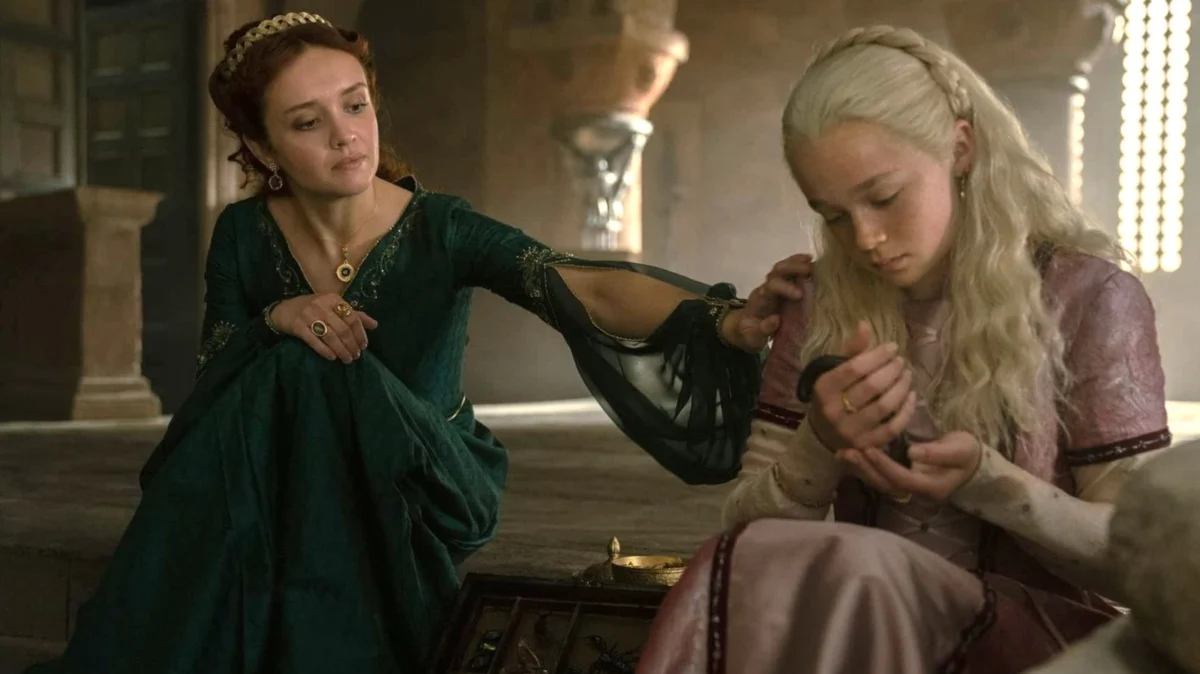
In the high-stakes world of Hollywood casting, the difference between a global phenomenon and a “what if” moment often comes down to a single afternoon in a room with a director. For Olivia Cooke, the acclaimed star of HBO’s House of the Dragon, that moment arrived in 2014. As Lucasfilm prepared to launch the Star Wars sequel trilogy, the hunt for the new face of the Jedi was one of the most exhaustive searches in cinematic history. While the role of Rey eventually catapulted Daisy Ridley to international stardom, Cooke recently revealed that she was among the many hopefuls who walked through the door to audition for the iconic character—and she admits it was an experience she would rather forget.
The Search for the New Jedi: A Casting Phenomenon
When Disney acquired Lucasfilm in 2012 for $4 billion, the pressure to deliver a worthy successor to the original Star Wars trilogy was immense. Director J.J. Abrams was tasked with finding a protagonist who could shoulder the weight of a multi-billion-dollar franchise. The casting call was massive, drawing in both established talent and relative unknowns.
Names like Brie Larson and Courtney Eaton have since surfaced as part of the massive pool of actresses who vied for the role. At the time, the industry was buzzing with speculation. The studio was looking for a specific quality: someone with the grit to embody a scavenger on the desert planet of Jakku, but with the gravitas to eventually command the screen as a powerful Force-user.
For Olivia Cooke, who was then an emerging talent, the audition process was a rare opportunity to step onto the biggest stage in entertainment. However, looking back on the experience during a candid conversation on the Happy Sad Confused podcast, Cooke offered a refreshingly honest assessment of her performance.
A "Bad" Performance and the Reality of Auditions
In her interview, Cooke was quick to dispel rumors that she had been in contention for other Star Wars roles, specifically the part of Rose Tico in The Last Jedi. Instead, she focused on her experience auditioning for The Force Awakens.
"I did audition a few times for the other one, where Daisy Ridley got it," Cooke shared. "But you know, everyone and their dog auditioned for that."
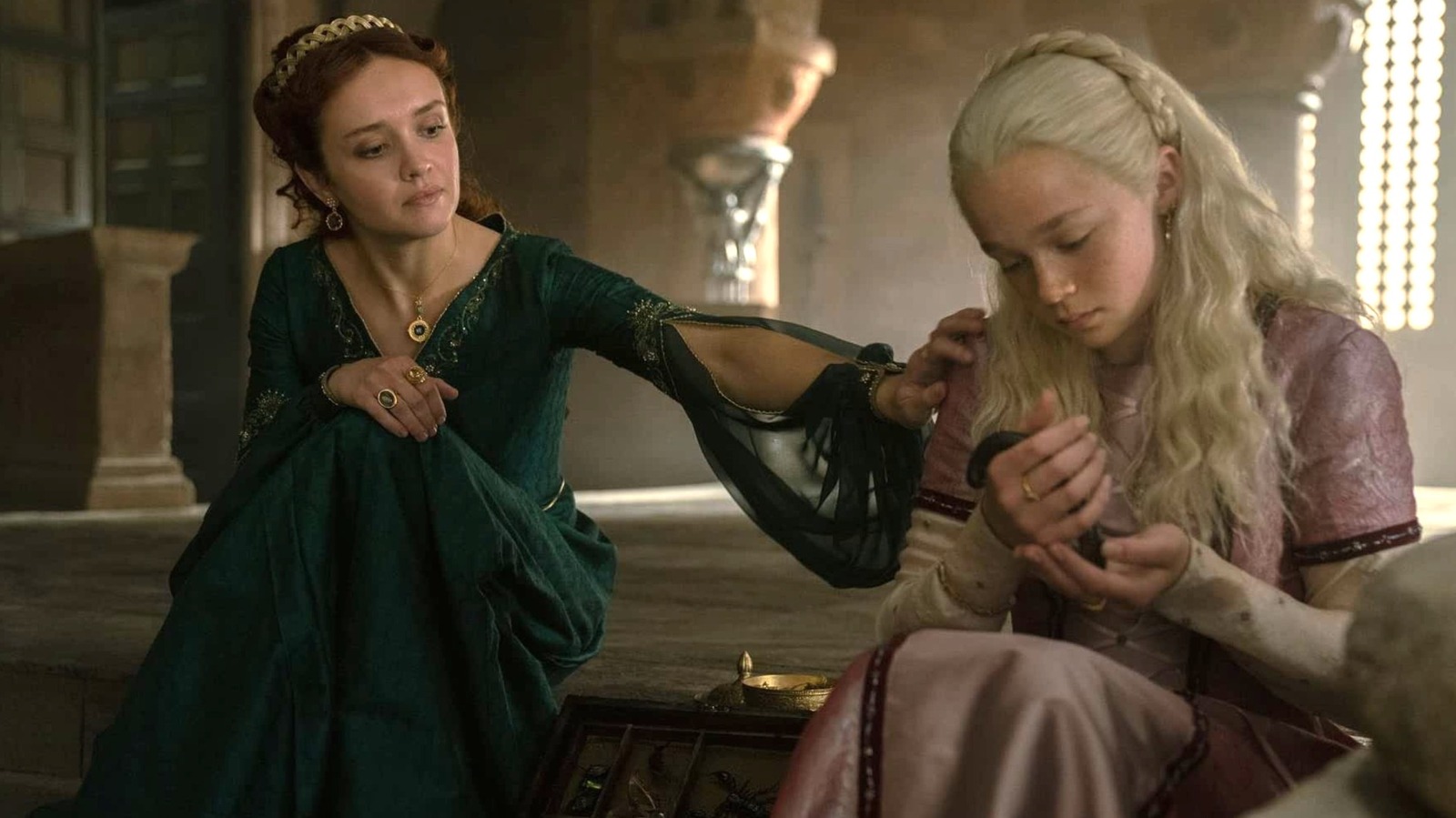
Cooke’s account of the audition itself is a masterclass in professional vulnerability. Rather than painting a picture of a close call, she described a moment of creative disconnect. "I think I auditioned once in L.A., and then once with J.J. [Abrams]. And I was s***. I was really bad," she admitted.
The actress described the crushing feeling of knowing, in real-time, that the chemistry wasn’t there. "You know when you go into an audition, and you’re just not bringing it and you’ve let yourself down, you’ve let everyone down in the room?" That sensation, while common in the audition circuit, is rarely discussed with such candor by stars of her current stature. For Cooke, the realization was immediate: she wasn’t the right fit, and the performance she delivered simply didn’t align with the vision Abrams had for Rey.
Chronology: From ‘Bates Motel’ to Westeros
To understand why Cooke was in the running, one must look at her trajectory at the time. In 2014, Cooke was primarily known for her chilling performance as Emma Decody in A&E’s Bates Motel. She was building a reputation as a versatile actress capable of handling complex, emotionally heavy material.
Following the Star Wars audition, her career did not stall; rather, it pivoted toward a diverse range of critical and commercial successes:
- 2015: Cooke starred in Me and Earl and the Dying Girl, a Sundance darling that showcased her ability to anchor a film with subtle, grounded performances.
- 2018: She secured a lead role in Steven Spielberg’s Ready Player One, proving she could hold her own in a high-budget, CGI-heavy blockbuster environment.
- 2019-2020: Her portfolio expanded further with roles in Thoroughbreds, the Oscar-winning Sound of Metal, and the Apple TV+ series Slow Horses.
- 2022-Present: She landed the role of Alicent Hightower in House of the Dragon, a character that has cemented her status as one of the most compelling actors of her generation.
Interestingly, Cooke has mentioned in previous interviews that she wasn’t even sure she wanted to win the role of Alicent Hightower at first. This reflects an artistic temperament that prioritizes the quality of the material over the size of the production—a philosophy that may have subconsciously influenced her Star Wars audition.
The Implications of the "What If"
If Cooke had landed the role of Rey, the landscape of modern pop culture would look fundamentally different. Daisy Ridley’s portrayal of Rey is now synonymous with the sequel trilogy; she is currently slated to return to the role for an upcoming feature film directed by Sharmeen Obaid-Chinoy, which will explore the character’s efforts to rebuild the New Jedi Order.
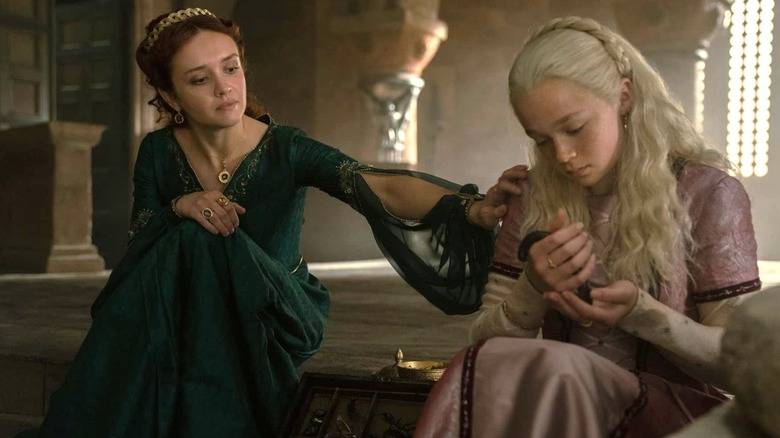
For Cooke, however, the "missed" opportunity appears to be a blessing in disguise. By her own admission, she wasn’t the right actor for that specific archetype at that specific time. The rigors of a Star Wars lead—the intense media scrutiny, the long-term franchise commitment, and the specific tone of the character—require a particular kind of alignment between the actor and the project.
The fact that she didn’t get the role allowed her to cultivate a career characterized by variety. From the gritty tension of Sound of Metal to the regal, simmering malice of Alicent Hightower, Cooke has avoided being "typecast" as a singular sci-fi hero.
The Industry Perspective: Why Casting is a Science of Fit
The Star Wars casting process serves as a reminder that "losing" a role is rarely a reflection of talent. It is, instead, an exercise in finding the specific puzzle piece that completes the director’s vision.
Industry experts often point out that when a director like J.J. Abrams searches for a lead, they are looking for an intangible "X-factor" that complements the surrounding cast, the script’s tone, and the logistical demands of the franchise. Cooke’s admission that she felt she "wasn’t that kind of an actor at that time" suggests a deep understanding of the craft. Acting is as much about timing and temperament as it is about skill.
Conclusion: A Career Defined by Choice
Today, Olivia Cooke stands as a titan of prestige television. While Star Wars remains the ultimate benchmark for mainstream success, Cooke has built a career that commands respect for its depth and versatility.
Her story is a testament to the idea that failure is not a dead end but a redirection. Had she secured the lightsaber, she might have spent the last decade in a galaxy far, far away. Instead, she has spent it crafting one of the most fascinating performances in the history of the Game of Thrones universe. In the end, both Ridley and Cooke found the paths that allowed their unique talents to flourish, proving that in Hollywood, the roles we don’t get can be just as defining as the ones we do.

 Lina Hope
 Azzam Bilal Chamdy